
Beautiful Plants For Your Interior
Beautiful Plants For Your Interior
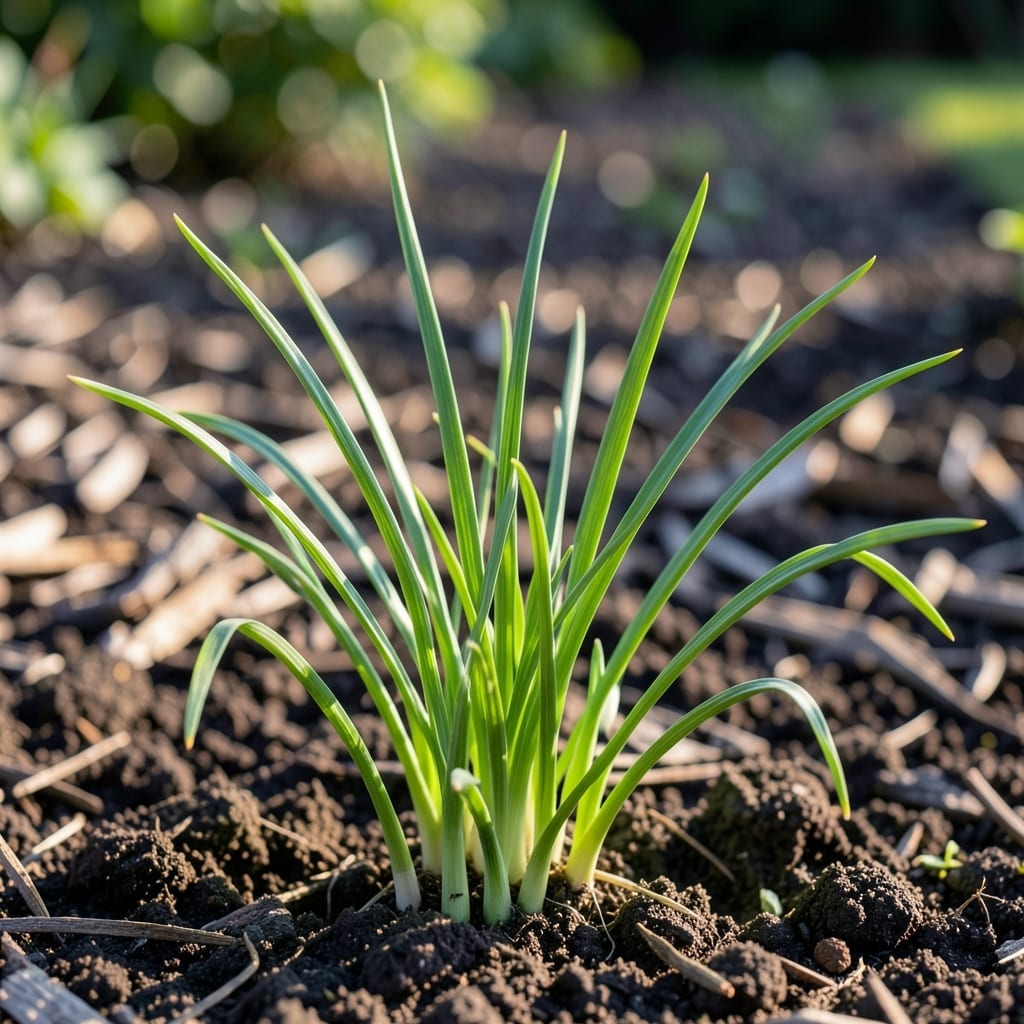
Early spring brings tiny green spears pushing through the soil. These daylily sprouts start as thin, pointed shoots—almost like grass blades but thicker and more robust. Color can range from pale green to reddish-purple, depending on the variety and sunlight.
As they grow, the shoots unfurl into sword-like leaves, still tightly rolled at first. Healthy sprouts feel firm to the touch, not mushy or limp. You might spot older clumps with multiple shoots emerging from the same base—this is normal and promising.
Within 2-3 weeks, these sprouts transform into full leaves, forming the classic arching shape. Look for a slight sheen on the surface, a sign of vigorous growth. Any discoloration or wilting usually means trouble.
Identifying these early signs helps you nurture them properly. Watch for slugs—they love these tender shoots. A little protection now means stronger plants later.
Daylily sprouts push through the soil in early spring due to a combination of environmental triggers and the plant’s internal biology. Understanding these causes helps gardeners anticipate and nurture this growth phase effectively.
Daylilies are perennial plants that respond to soil temperature and daylight changes. When soil warms to 50–60°F (10–15°C) after winter dormancy, the plant’s rhizomes (underground storage structures) activate. This triggers bud break, where stored energy fuels the emergence of new shoots. The sprouts—often red, purple, or pale green—are the plant’s first visible sign of waking from dormancy.
During dormancy, daylilies store carbohydrates in their rhizomes. As temperatures rise, enzymes break down these reserves into glucose, providing the energy needed for sprout growth. This process is why healthy, well-fed daylilies produce vigorous, thick sprouts, while malnourished plants may yield weak or stunted shoots.
Adequate soil moisture softens the ground, making it easier for sprouts to penetrate the surface. In dry conditions, growth may stall or produce pale, limp shoots. Conversely, overwatering can cause rot, so balanced hydration is key to supporting the natural emergence of daylily sprouts.
If your daylily sprouts aren’t looking quite right, here’s how to troubleshoot common problems and keep your plants thriving.
This is often a sign of overwatering or poor drainage. Let the soil dry out slightly between waterings, and ensure your daylilies are planted in well-draining soil. If the issue persists, check for root rot—gently dig up the plant, trim any black or mushy roots, and replant in fresh soil. Prevention tip: 💡 Use raised beds or add compost to improve drainage before planting.
Pests like slugs, snails, or aphids may be feasting on your sprouts. For slugs and snails, set up beer traps or use iron phosphate baits. Aphids can be blasted off with water or treated with insecticidal soap. Prevention tip: 🛡️ Mulch with crushed eggshells or diatomaceous earth to deter soft-bodied pests naturally.
If sprouts are stunted or slow to emerge, cold temperatures or nutrient deficiency could be the culprit. Daylilies prefer full sun (6+ hours daily) and fertile soil. Amend the soil with a balanced fertilizer (10-10-10) in early spring. Prevention tip: ✨ Plant daylilies in a sunny spot and top-dress with compost annually to boost soil health.
Dark spots or powdery mildew on sprouts signal a fungal infection. Remove affected foliage immediately and avoid overhead watering to reduce humidity. Apply a fungicide like neem oil or copper-based spray if the problem spreads. Prevention tip: 🌿 Space plants 18–24 inches apart for better airflow and water at the base in the morning.
Daylily sprouts are thicker and more robust than most weeds, with a distinct reddish or pale green hue. They emerge in clusters from the plant’s base, unlike scattered weed growth.
Color varies by variety—some are deep purple, others bright green. But all start as pointed, sword-like shoots that unfurl into leaves. Size may differ too, with mature clumps producing more sprouts.
Yellowing often signals overwatering or poor drainage. Check soil moisture and ensure proper airflow around the base. Healthy sprouts should be firm and vibrant.
Sprouts typically appear in early spring when soil reaches 50–60°F. In warmer climates, they may emerge as early as late winter. Look for them after the last frost.