
Beautiful Plants For Your Interior
Beautiful Plants For Your Interior
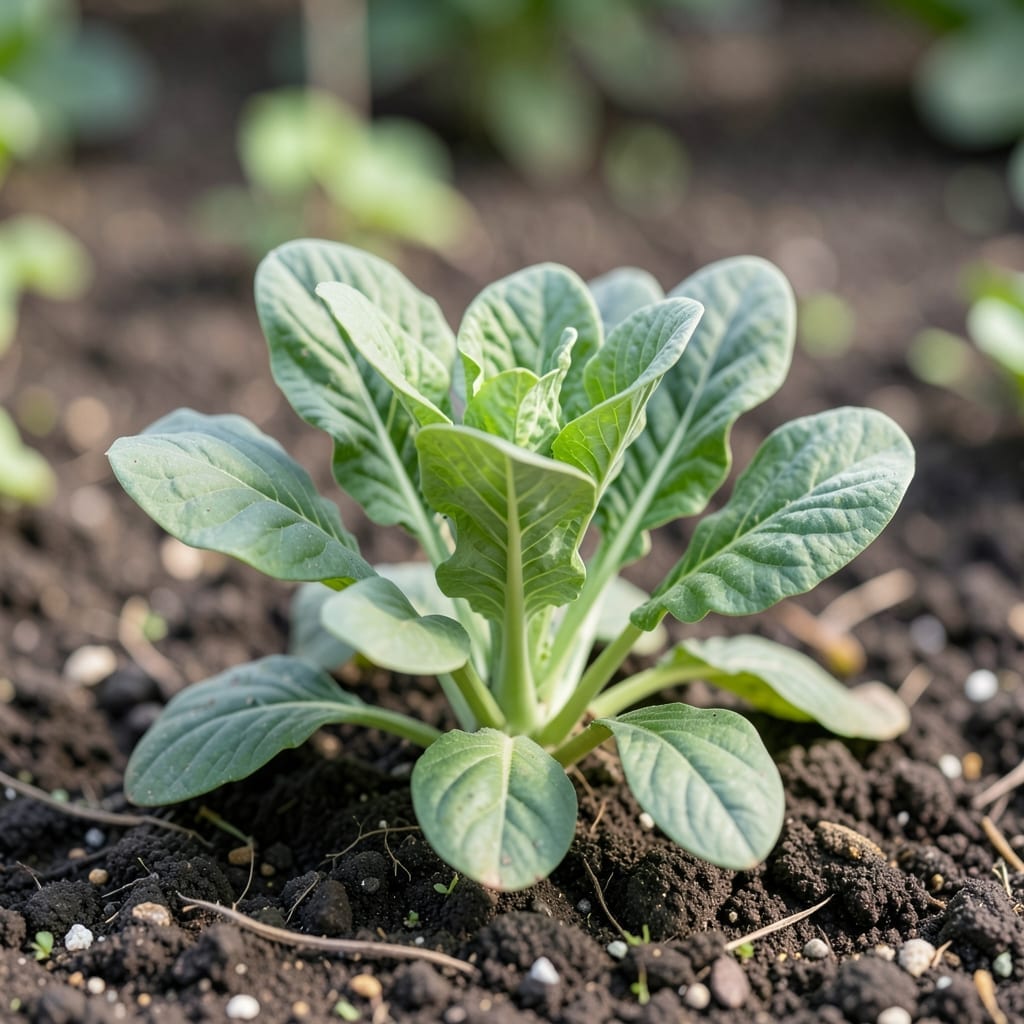
First time growing collards and wondering what to expect? Young sprouts emerge as two small, rounded leaves that look almost heart-shaped. They’re a vibrant green with a slightly glossy surface, standing just 1-2 inches tall.
Within a week, you’ll notice the true leaves forming – these are more elongated with that classic collard shape. Healthy sprouts have sturdy stems and leaves that feel slightly thick to the touch. The color deepens to a rich green as they mature.
Watch for sprouts that stand upright with leaves unfurling naturally. Any that appear yellowed, wilted, or have spots likely need attention. After about 2 weeks, you’ll see the first true leaves that look like miniature versions of mature collards.
This early stage sets the foundation for strong plants. The sprouts should cluster together if planted in rows, with each seedling having enough space to develop without crowding its neighbors.
Collard green sprouts emerge due to natural growth processes and environmental triggers. Here’s why it happens:
When collard green seeds are planted in moist, warm soil (ideally 60–70°F), they absorb water and swell, activating enzymes that break down stored nutrients. This fuels the growth of the radicle (embryonic root) and hypocotyl (stem), pushing the sprout upward. The first visible structures are two cotyledons—round, seed-like leaves that provide initial nourishment until true leaves develop.
Sprouts form as the seedling seeks light (phototropism). In insufficient light, they grow tall and leggy (etiolation). Optimal light (12–16 hours daily) and stable temperatures (60–75°F) prevent weak sprouts. Cool soil (<50°F) slows germination, while heat (>85°F) can stress the plant, altering sprout appearance.
Collards (Brassica oleracea) are genetically wired to sprout with broad, flat cotyledons followed by true leaves with a signature blue-green hue. Varieties like Georgia Southern or Vates may show subtle differences in sprout size or color, but all follow this pattern unless affected by disease or nutrient deficiencies.
If you’re struggling to recognize collard green sprouts, these practical steps will help you distinguish them with confidence. Here’s how to solve common identification issues:
Fix: Young collard sprouts have broad, rounded leaves with a slightly blue-green tint, unlike narrow grass-like weeds. Gently brush the soil to reveal the thick, upright stems—a telltale sign. If unsure, wait 3–5 days; collards grow quickly and will show their true shape.
Prevent: 💡 Label seedling trays or garden rows immediately after planting to avoid confusion.
Fix: Pale sprouts often mean lack of sunlight. Move them to a sunnier spot (6+ hours of direct light daily). If indoors, use a grow light 12–14 hours a day. Yellowing may also signal overwatering—let the top inch of soil dry before watering again.
Prevent: ✨ Start seeds in well-draining soil and place them in a bright location from day one.
Fix: True collard sprouts have smooth, oval leaves with subtle veins, not jagged or deeply lobed edges. Compare them to this visual guide for reference. If leaves are misshapen, check for pest damage (like flea beetles) and treat with neem oil if needed.
Prevent: 🎯 Inspect seeds and sprouts regularly for early signs of pests or disease.
Fix: Collards typically sprout in 5–10 days. If nothing appears, check soil temperature (ideal: 60–75°F). Use a heat mat for indoor starts, or resow seeds if conditions were too cold/wet.
Prevent: 🌡️ Test soil temperature with a simple thermometer before planting.
Look for broad, rounded leaves with a blue-green tint and thick stems. Weeds usually have narrow or jagged leaves.
This often means they need more light. Move them to a sunnier spot or use a grow light for 12-14 hours daily.
Collards sprout best in soil between 60-75°F. Cooler temps slow growth, while heat above 85°F can stress them.
Expect sprouts in 5-10 days under ideal conditions. If nothing appears, check soil moisture and temperature.