
Beautiful Plants For Your Interior
Beautiful Plants For Your Interior
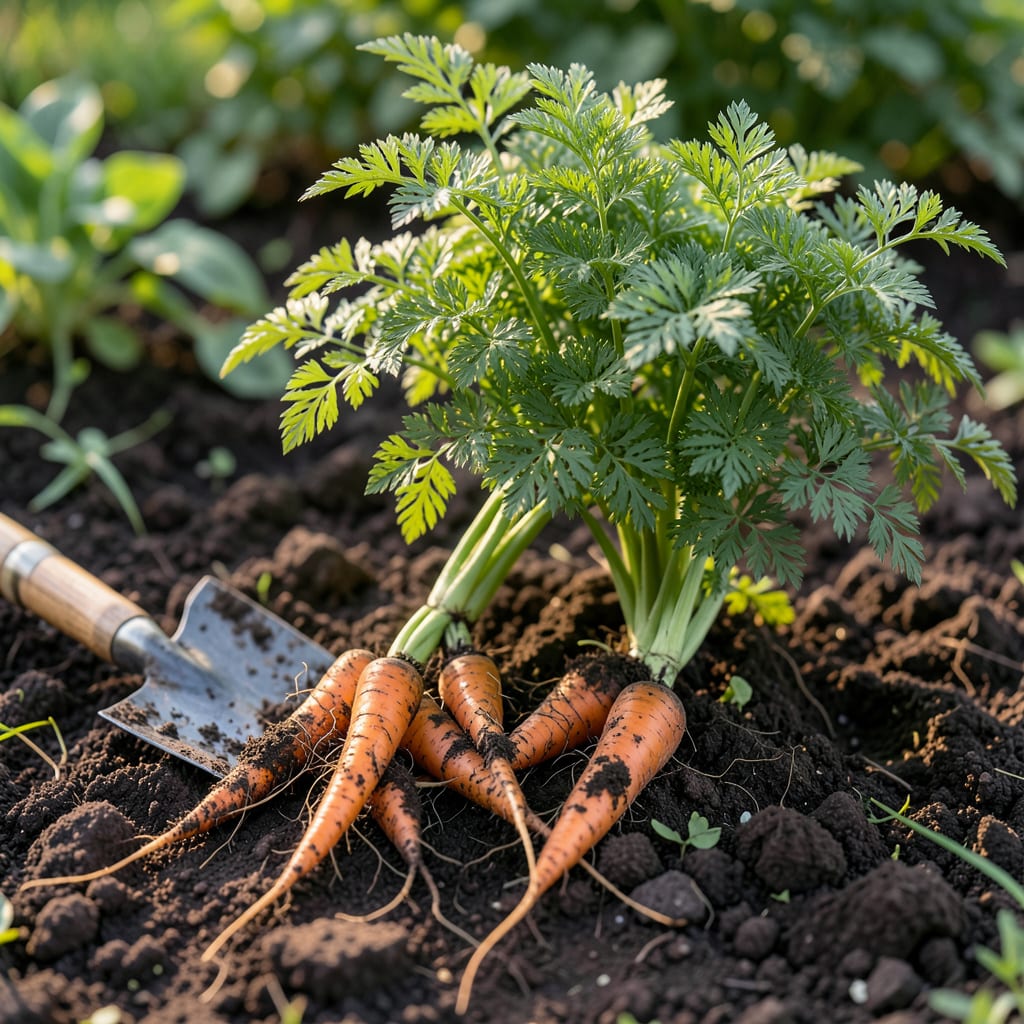
Nothing beats the satisfaction of pulling a perfectly ripe 🥕 carrot from your garden. But how do you know it’s truly ready without digging up the whole crop?
I’ll show you the most reliable visual clues to spot, from shoulder size to foliage color. These simple signs will help you harvest at just the right moment for the best flavor.


I always check the shoulders first—that’s the top of the carrot where it meets the soil. When they reach 0.75 to 1 inch in diameter, your carrots are likely ready. This is the most reliable above-ground indicator I use in my garden.
The foliage tells a story too. Healthy, lush green tops about 6-8 inches tall usually mean the roots below are thriving. But don’t rely on leaves alone—some varieties have different growth patterns.
The color change is another dead giveaway. As carrots mature, their shoulders often turn from green to their true color—orange, purple, or yellow depending on the variety. I gently brush away soil to check this.
For longer varieties like Imperator, you might see 6-8 inches of root above the shoulder. Shorter types like Paris Market will be more rounded. Always check your seed packet for variety-specific sizes.
I’ve found that days to maturity on seed packets are just guidelines. Cool spring weather can add 10-14 days to this timeline. Warmer temps might speed it up. That’s why visual checks are more reliable than counting days.
Another trick I use is the “finger test”. Gently press the soil near the base—if you can feel a firm, rounded root about the width of a quarter, it’s probably ready. Be careful not to damage the plant while checking.
Watch for cracking soil around the base too. This often happens when the carrot is pushing against its skin as it grows. It’s nature’s way of saying, “I’m ready to come out!”
Remember that baby carrots can be harvested earlier at about 0.5 inches in diameter. They’ll be sweeter but smaller. For full-sized carrots, I wait until they reach that 0.75-1 inch sweet spot.
Lastly, check for consistent color from shoulder to tip. If the lower part still looks pale or white, give it more time. A uniformly deep color means the carrot has developed its full flavor.
With these visual cues, you’ll never have to guess about carrot readiness again. 🌱
I’ve seen many gardeners pull their carrots too early because they mistake thin roots for maturity. If your carrots look like pencils, they need more time. True readiness comes with that 0.75-1 inch shoulder diameter we discussed earlier.
Another common error is ignoring the days to maturity on your seed packet. While not exact, these numbers give you a general timeline. Most carrots take 70-80 days, but some varieties may need up to 100 days. 🌱
⚠️ Don’t Make This Mistake:
Leaving carrots in the ground too long can cause splitting or attract pests. Check readiness weekly once you’re near the expected harvest time.
Some gardeners confuse stress signs with maturity. If your carrot tops are yellowing or wilting, that’s often a watering issue, not a sign they’re ready. Healthy, vibrant green foliage is what you want to see.
I once left a batch of Danvers carrots in the ground for 10 extra days thinking they’d grow bigger. Instead, they split and became woody and bitter. Now I check frequently once they’re close to maturity.
Remember that soil conditions affect growth rates. Heavy clay soil can slow development, while loose, sandy soil may speed it up. Adjust your expectations based on your garden’s specific conditions.
Finally, don’t harvest all your carrots at once. Try pulling one or two to test. If they’re not quite ready, wait a few days and check again. This way, you won’t lose your entire crop to impatience. 🌿
Testing carrot readiness without harming your plants is simpler than you think. I start by gently brushing soil away from the base to expose the shoulder area. This lets me check the diameter without pulling the whole plant.
The “finger test” is my go-to method. I carefully press the soil near the stem to feel for a firm, rounded root. If it feels about as wide as a quarter, it’s likely ready to harvest.
For a more thorough check, I selectively harvest one or two carrots from different spots in the row. This gives me a good sense of the overall crop’s readiness without risking the entire planting.
I always do this testing in the early morning when the soil is moist and the plants are firm. Dry soil can make the roots more brittle and prone to breaking during these checks.
With these gentle methods, you can monitor your carrots’ progress without causing any harm. 🌱
Carrot shoulders should be 0.75 to 1 inch in diameter when ready. This is the most reliable above-ground indicator of maturity for most varieties.
Healthy, lush green tops about 6-8 inches tall usually indicate mature roots. However, always confirm by checking the shoulder size or doing a gentle finger test near the base.
Leaving them too long can cause splitting or attract pests. Carrots may also become woody and bitter. Check readiness weekly once you’re near the expected harvest time.
Yes! Baby carrots can be harvested at about 0.5 inches in diameter. They’ll be sweeter but smaller. For full-sized carrots, wait until they reach 0.75-1 inch.
