
Beautiful Plants For Your Interior
Beautiful Plants For Your Interior
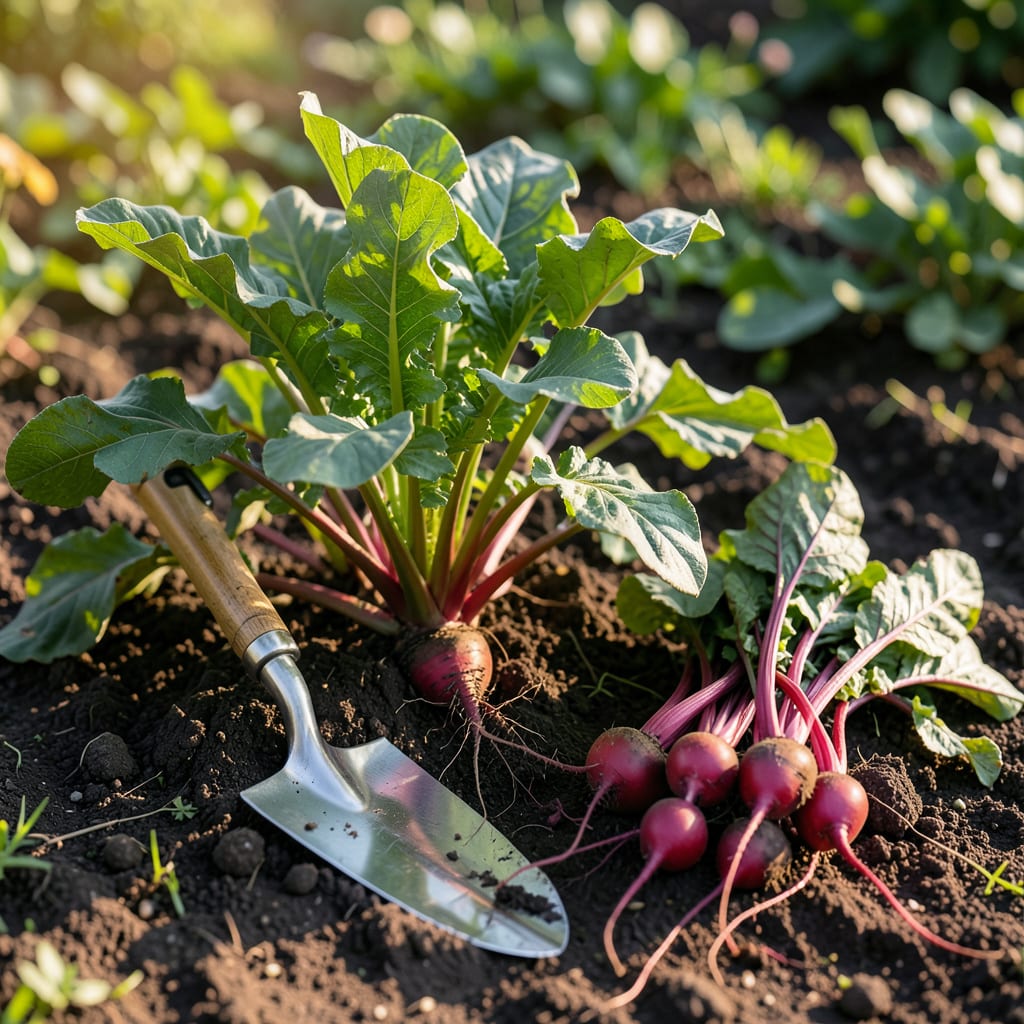
Ever pulled up a Beet 🥔 only to find it underripe or past its prime? The difference between a perfect harvest and a disappointing one often comes down to knowing what to look for above the soil.
I’ll show you the key visual cues that signal your beets are ready—no guesswork required. These simple signs will ensure you pick them at peak sweetness and tenderness every time.


The most reliable sign is seeing the beet shoulders poking above the soil. These are the top of the roots becoming visible as they grow. This typically happens when they’ve reached 1-3 inches in diameter.
Another clear indicator is the foliage size. Mature beets usually have 4-6 inch leaves that are deep green and healthy. The leaf color should be vibrant, not yellowing or wilted.
| Visual Sign | What to Look For | Maturity Indication |
| Shoulder Emergence | Top of root visible above soil | Ready in 50-70 days |
| Root Diameter | 1-3 inches across | Peak sweetness and tenderness |
| Leaf Size | 4-6 inch leaves | Full growth achieved |
| Color Depth | Deep red or golden hue | Fully developed pigment |
I always check for root diameter by gently brushing away soil at the base. If the beet is 1-3 inches wide, it’s ready. Smaller than that, and it needs more time.
The color of the beets is another great clue. A deep, rich red or vibrant golden color means they’ve developed their full flavor. Pale or light-colored beets are usually underripe.
Don’t overlook the texture of the skin. Ready beets have smooth, firm skin. If the skin looks rough or bumpy, the beet isn’t mature yet.
For baby beets, you can harvest when they’re 1 inch in diameter. These are tender and perfect for quick pickling or fresh eating.
If you’re growing golden or striped beets, the same size rules apply. The color will be vibrant yellow or have clear stripes when ready.
Remember, overgrown beets can become woody and bitter. If the shoulders are more than 3 inches above soil, harvest immediately to avoid toughness.
I’ve found that checking these signs in the early morning gives the best results, as the soil is easier to inspect when slightly damp.
With these visual cues, you’ll never have to guess whether your beets are ready. Happy harvesting! 🌱
I use several non-destructive methods to check if my beets are ready. The simplest is gentle soil brushing at the plant base to inspect the root shoulders.
For a more precise check, I count the leaves. Most beets are ready when they have 4-6 mature leaves. This works well for all beet varieties.
I always check the planting date first. Most beets reach maturity in 50-70 days. If it’s been about 2 months, they’re likely ready.
Another trick is to part the soil carefully with your fingers near the base. You can often see the beet’s color and estimate its size without uprooting it.
For baby beets, I start checking at 30 days. These will be 1 inch or smaller but perfectly tender for fresh eating.
I find that morning inspections work best. The soil is softer, and the beet shoulders are more visible when slightly damp from overnight dew.
With these methods, I can confidently determine readiness without disturbing the root system. It’s all about observation and patience in the garden 🌿
One of the biggest mistakes I see is ignoring the shoulders. If you wait until the entire beet is above soil, it’s often overgrown and woody. The shoulders peeking out are your first clue.
Another error is judging by leaf size alone. While 4-6 inch leaves are a good sign, some varieties have larger leaves but small roots. Always check the root diameter too.
I’ve also seen gardeners harvest too early when they see small shoulders. Be patient—wait until they’re at least 1 inch wide for the best flavor and texture.
Cracked or split shoulders are a sign of overmaturity. If you notice this, harvest immediately, as the beet’s texture will only degrade further.
Don’t forget to check timing. If it hasn’t been 50-70 days since planting, your beets likely need more time, even if they look ready.
By avoiding these common mistakes, you’ll ensure your beets are perfectly tender and sweet every time. Happy gardening! 🌱
Ideal size is 1-3 inches in diameter. Smaller than 1 inch means they need more time. Larger than 3 inches can turn woody and bitter.
Yes! You can snip a few outer leaves without harming the root. Avoid removing more than 1/3 of the foliage at once to keep the plant healthy.
They’ll become tough, woody, and may develop cracks or splits. The flavor also turns less sweet and more earthy. Harvest promptly once mature.
Most do, but color varies. Red beets turn deep crimson, while golden beets develop a vibrant yellow hue. Size and shoulder visibility remain consistent.
