
Beautiful Plants For Your Interior
Beautiful Plants For Your Interior
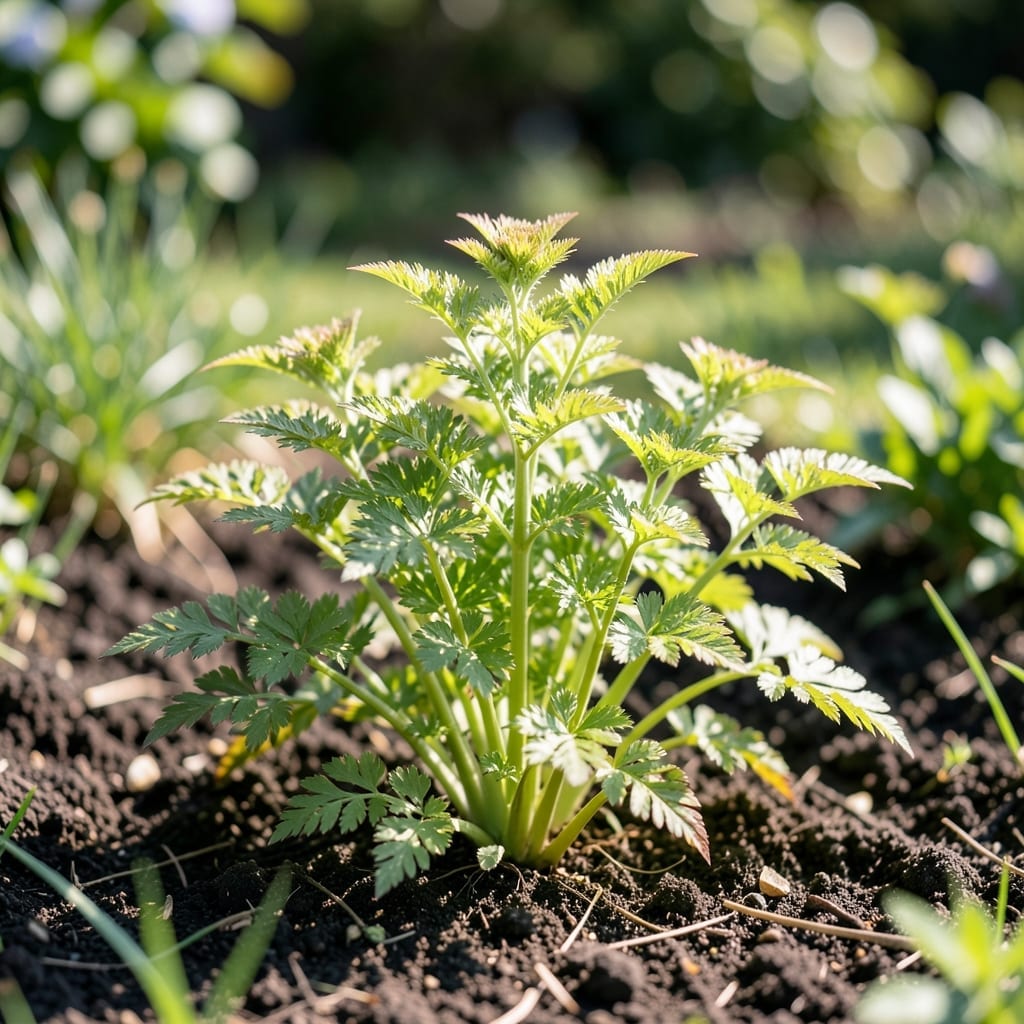
First time seeing astilbe sprouts can be surprising. They emerge as tight, reddish coils that slowly unfurl into delicate, fern-like fronds with a bronze tint.
These early growths look nothing like the mature plant’s feathery plumes. The sprouts are 2-4 inches tall with fine, lacy leaflets that darken to green as they mature.
Healthy sprouts feel firm and show consistent color. If they appear mushy or blackened, they may be struggling with rot or cold damage.
Watch for clusters of these coils in early spring—they’ll transform into those signature airy blooms by midsummer if conditions are right.
Astilbe sprouts emerge with their distinctive fern-like appearance due to a combination of genetic programming and environmental triggers. Here’s a breakdown of the key causes:
Astilbes are perennial plants with a natural growth habit that produces feathery, compound leaves. Their sprouts initially unfurl as tightly coiled fronds, a trait inherited from their evolutionary design to maximize sunlight absorption in shaded woodland environments. This genetic blueprint ensures the sprouts resemble miniature ferns as they push through the soil.
Astilbe sprouts appear in early to mid-spring when soil temperatures rise above 50°F (10°C). The plant’s rhizomes (underground stems) respond to this warmth by sending up new growth. The initial sprouts are often reddish or bronze, a protective pigmentation that shields tender tissues from late frosts—a common adaptation in cold-hardy perennials.
These plants thrive in partial shade and consistently moist soil. Sprouts develop their lacy, fern-like structure to optimize light capture in dappled sunlight. Inadequate moisture can stall this process, causing sprouts to appear stunted or curled. Proper hydration ensures the characteristic delicate fronds unfurl fully.
If your astilbe sprouts aren’t looking like the classic fern-like fronds you expected, here’s how to troubleshoot and correct common issues. Act early to ensure healthy growth and vibrant blooms.
If sprouts appear small, pale, or slow to emerge, your astilbe may lack nutrients or sunlight. Fix it: Enrich the soil with compost or a balanced fertilizer (10-10-10) and ensure the plant gets partial shade (4–6 hours of morning sun). Astilbes thrive in moist, well-draining soil—avoid heavy clay or soggy conditions.
Prevention tip: 💡 Test soil pH (aim for 6.0–7.0) and mulch with organic matter to retain moisture.
Tall, spindly sprouts that can’t stand upright often result from too much shade or over-fertilization. Fix it: Stake young plants with bamboo or use a low, circular support ring. Trim back overgrown foliage to redirect energy.
Prevention tip: ✨ Plant astilbes in groups to create natural support, and avoid high-nitrogen fertilizers.
Brown, dry sprouts usually signal underwatering or sun scorching. Fix it: Water deeply at the base (1 inch per week) and move potted astilbes to a shadier spot. Prune damaged sprouts to encourage new growth.
Prevention tip: 🌡️ Use a drip irrigation system to keep foliage dry and prevent fungal issues.
Chewed leaves or spotted sprouts may indicate slugs, snails, or fungal infections. Fix it: Handpick pests at dusk or use organic slug bait. For fungus, apply a copper-based fungicide and improve air circulation.
Prevention tip: 🎯 Space plants 18–24 inches apart and remove debris to deter pests.
Healthy sprouts should be firm with reddish-bronze or green hues and tightly coiled fronds. Avoid mushy or blackened sprouts, which may indicate rot or cold damage.
Expect sprouts in early to mid-spring when soil temperatures reach above 50°F (10°C). They’ll unfurl into fern-like fronds as the season progresses.
Stunted sprouts often lack nutrients or sunlight. Enrich soil with compost and ensure partial shade (4-6 hours of morning sun) for best growth.
Yes, but do it carefully to avoid root damage. Transplant on a cloudy day and water thoroughly afterward to reduce shock.