
Beautiful Plants For Your Interior
Beautiful Plants For Your Interior
Clay soil can feel like a gardener’s curse—heavy, sticky, and stubbornly resistant to drainage. But here’s the good news: the right perennials can transform that problem soil into a lush, thriving garden.
I’ve seen Daylily 🌸 and other tough varieties not just survive but flourish in these conditions, thanks to their ability to handle moisture and compacted earth. With the right choices, you can turn that clay into a canvas for vibrant color.
Discover which hardy plants will make your clay soil work for you, not against you, and learn the simple tricks to help them thrive year after year.
Clay soil often gets a bad reputation for being dense and poorly draining, but I’ve found it’s actually a haven for certain perennials. These plants have adapted to thrive in heavy, moisture-retentive conditions.
What makes them special? Many develop deep root systems or tolerate occasional waterlogging. With the right varieties, your clay soil can become a vibrant, low-maintenance garden.
| Variety | Notes |
|---|---|
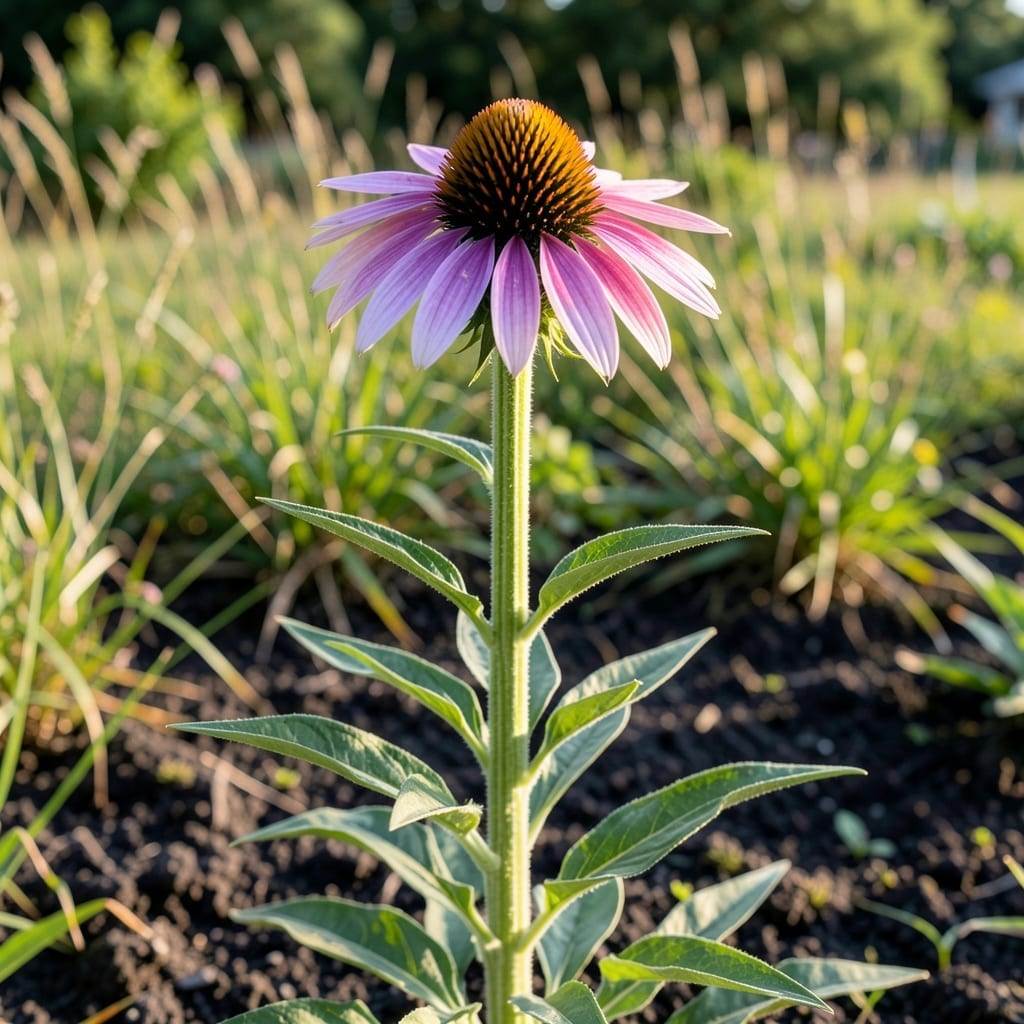
| Coneflower | Drought-tolerant, purple blooms, attracts pollinators |
| Black-Eyed Susan | Bright yellow flowers, thrives in full sun |
| Daylily | Hardy, colorful blooms, edible flowers |
| Bee Balm | Fragrant, red/pink flowers, loves moisture |
| Hosta | Shade-tolerant, lush foliage, low-maintenance |
Let’s start with Coneflowers—these sturdy perennials have deep taproots that break through compacted clay, and their drought tolerance makes them a favorite for tough conditions.
Black-Eyed Susans are another winner, with their cheerful golden-yellow blooms that can brighten up any clay-heavy spot. They’re also incredibly resilient, handling both drought and occasional flooding.
Daylilies are my go-to for clay soil because they’re nearly indestructible. Their fibrous roots help improve soil structure over time, and they reward you with weeks of blooms each summer.
If you’re looking for something with fragrance, Bee Balm is perfect. It loves the moisture retention of clay and attracts bees and butterflies with its vibrant, nectar-rich flowers.
For shady spots, Hostas are ideal. Their broad leaves thrive in clay’s moisture, and they come in a variety of sizes and colors to add texture to your garden.
Each of these plants has unique adaptations that make them perfect for clay soil. Whether it’s deep roots, moisture tolerance, or resilience, they’ll turn your problem soil into a thriving garden. 🌿
I always recommend starting with 2-3 varieties to see which perform best in your specific clay conditions. This way, you can build a garden that’s both beautiful and low-maintenance. 🌱
Clay soil can be transformed into a perennial paradise with a few simple amendments. I’ve seen gardens go from struggling to thriving by focusing on soil structure and nutrient balance.
The key is adding organic matter like compost or well-rotted manure. This improves drainage and provides essential nutrients that perennials need to establish strong root systems.
I always recommend starting with a soil test to understand your clay’s specific needs. This helps you determine exactly what amendments will work best for your perennials.
Compost is my top amendment because it not only improves drainage but also adds vital nutrients. Aim for at least 2-3 inches mixed into the top 6-12 inches of soil.
Sand can help but should be used sparingly. Too much can create a concrete-like texture. I prefer coarse builder’s sand over fine sand for better results.
Cover crops like winter rye or clover are excellent for clay soil. They prevent erosion, add organic matter, and their roots help break up compacted soil naturally.
Remember, improving clay soil is a gradual process. Be patient and consistent with your amendments, and your perennials will reward you with vibrant growth year after year. 🌱