
Beautiful Plants For Your Interior
Beautiful Plants For Your Interior
North Carolina’s diverse climate and fertile soil make it a powerhouse for agriculture. This guide explores ten key crops thriving in the Tar Heel State, offering gardeners insights into what to plant and when to harvest for maximum yield.
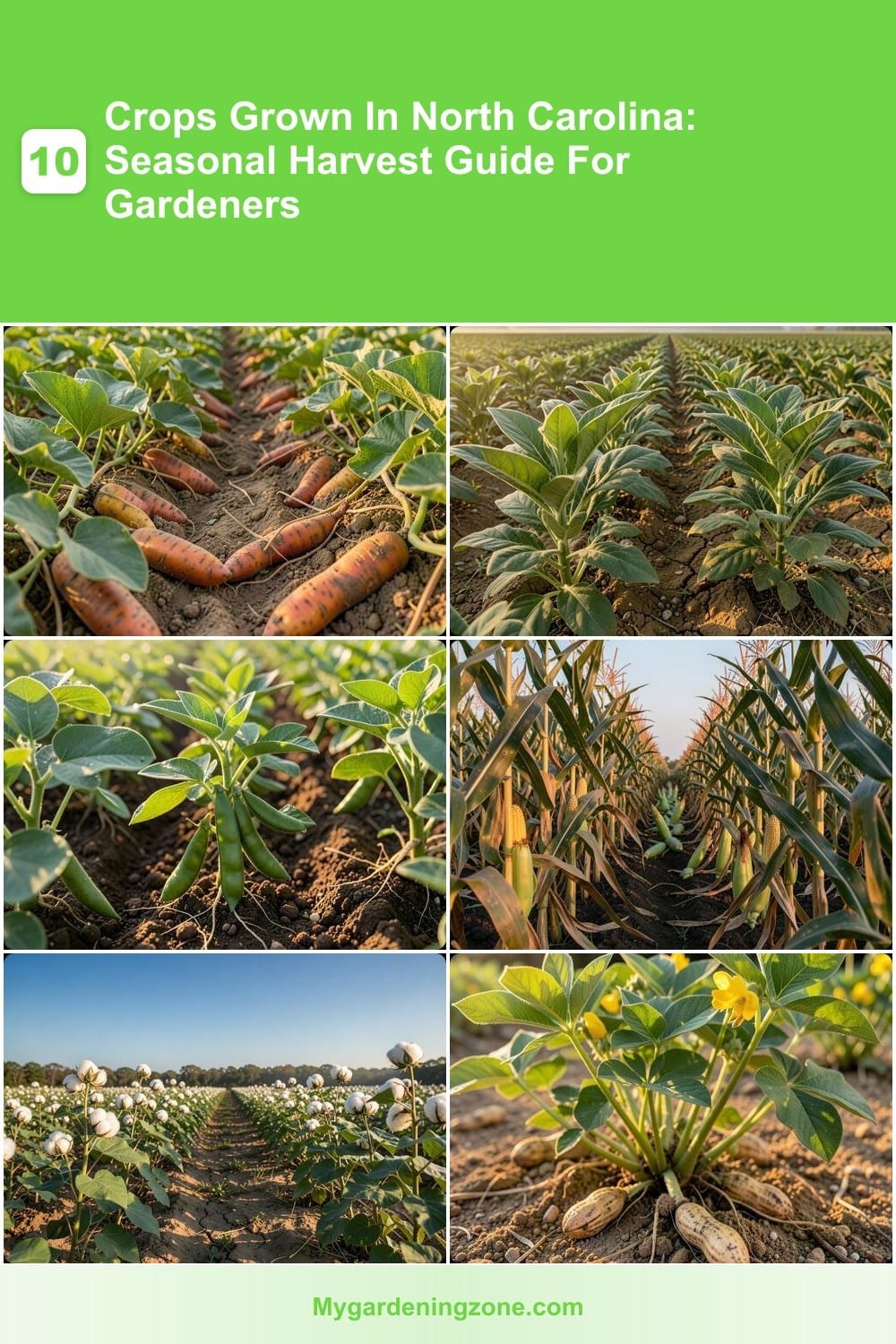
North Carolina’s state vegetable isn’t just a point of pride—it’s a gardener’s dream. Sweet potatoes flourish in the Tar Heel State’s long, warm growing season, making them a low-maintenance choice for both beginners and seasoned growers.
These hearty plants prefer sandy loam soil and need 90-170 frost-free days to mature. Start slips indoors 6-8 weeks before the last frost, then transplant outdoors once soil temperatures reach 60°F. Space plants 12-18 inches apart for ample room to spread.
Perfect for gardeners with sunny plots, sweet potatoes reward you with high yields and minimal fuss. Their drought tolerance makes them ideal for NC’s occasional dry spells. 🌱
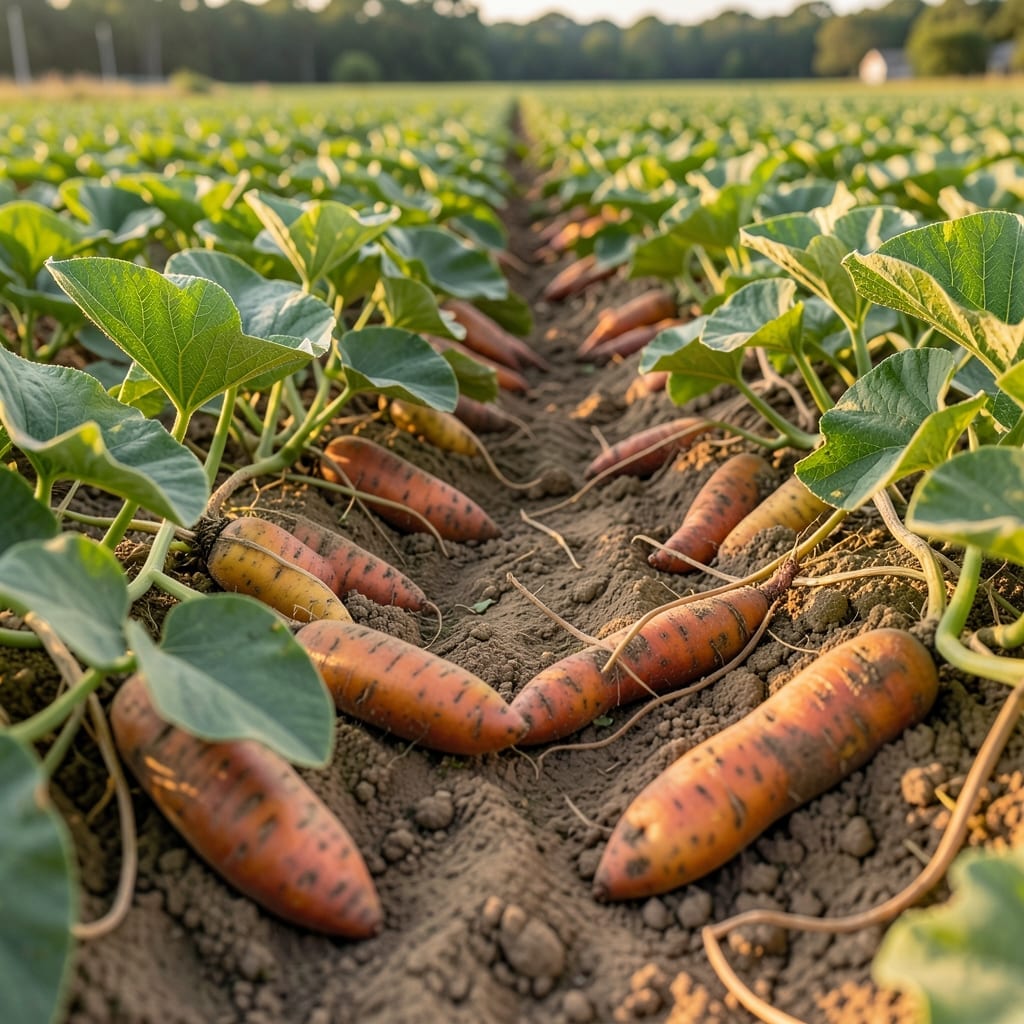
North Carolina’s agricultural history is deeply rooted in tobacco, a crop that shaped the state’s economy and remains a commercial powerhouse. While not typical for home gardens, its legacy makes it a fascinating part of NC’s farming story.
This plant thrives in well-drained, sandy loam soil and demands full sun with consistent warmth. Commercial growers rely on precise timing and large-scale infrastructure, as tobacco requires careful curing and processing post-harvest.
For gardeners, it’s a crop best admired from afar—its complex needs make it impractical for small plots. Still, its historical significance in NC agriculture can’t be ignored. 🌱
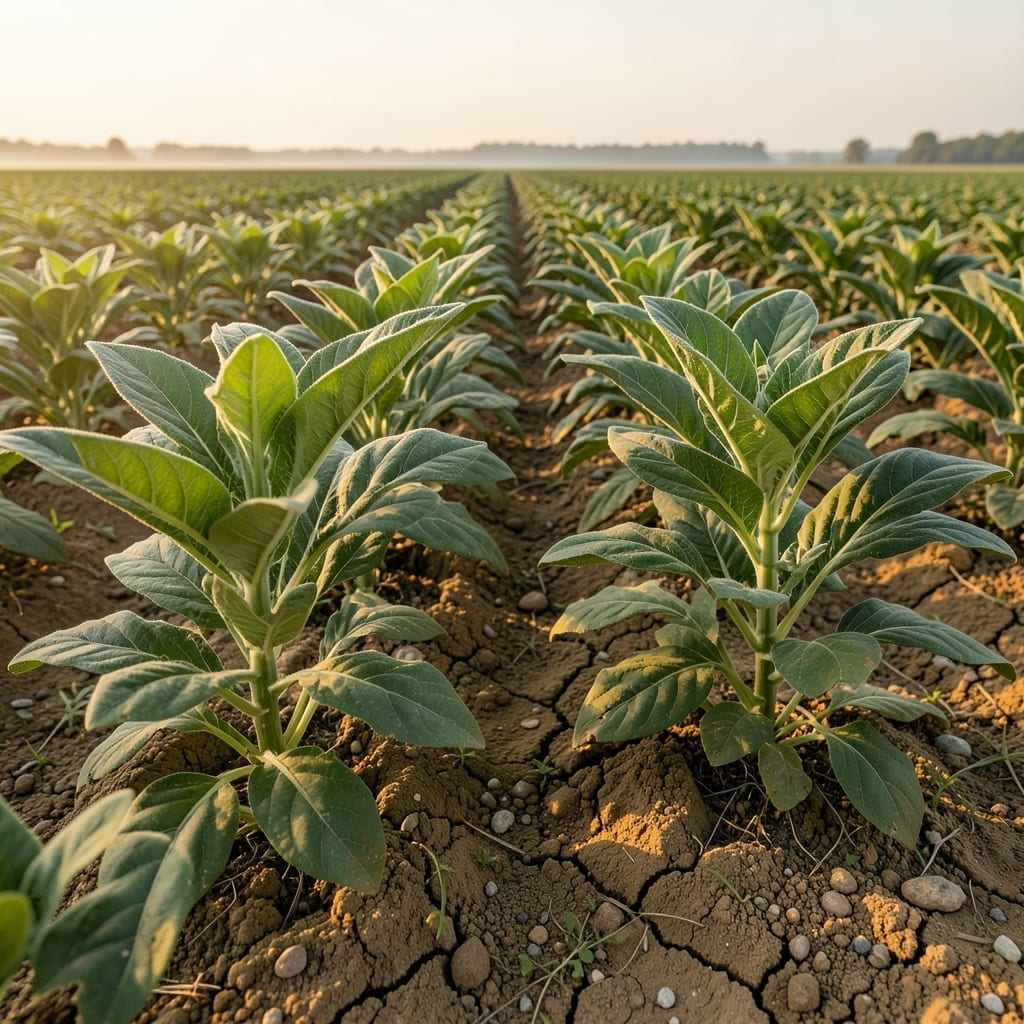
Soybeans are the ultimate multitasker for North Carolina gardeners. This nitrogen-fixing crop naturally enriches your soil while delivering a protein-packed harvest, perfect for both your table and livestock feed.
Plant in well-drained soil after the last frost, spacing seeds 2 inches apart in rows 24-30 inches wide. Soybeans tolerate heat well, making them ideal for NC’s long summers, and require minimal fertilizer thanks to their soil-improving superpowers.
Home gardeners and homesteaders love soybeans for their dual purpose: better soil and a bountiful yield. 🌱
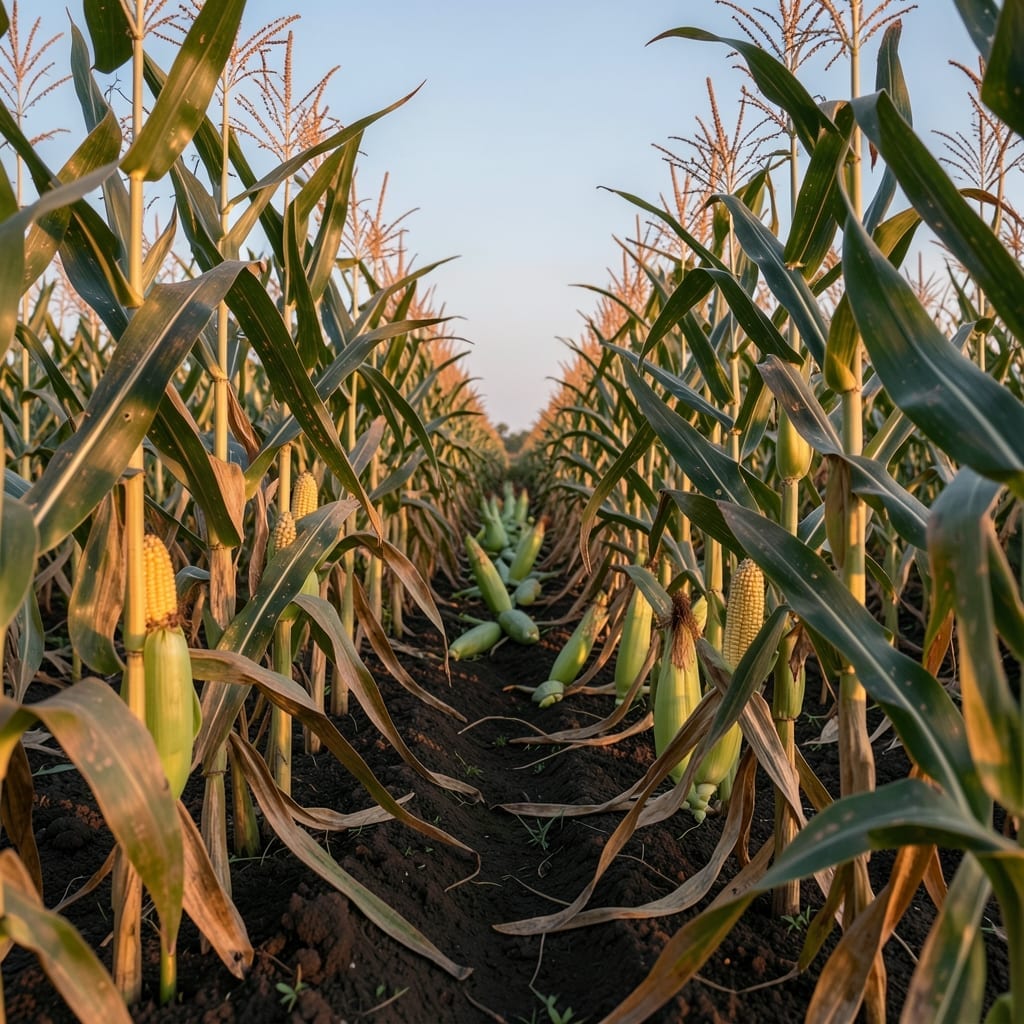
North Carolina’s fields are famous for their towering corn—a vital crop that fuels both livestock and local tables. While field corn dominates commercial farms as animal feed, home gardeners can enjoy sweet corn varieties for juicy summer harvests.
Plant seeds in well-drained soil after the last frost, spacing them 12-15 inches apart in full sun. Corn is wind-pollinated, so plant in blocks of at least 4 rows for best ear development. Keep soil consistently moist, especially during tasseling and ear formation.
Whether you’re feeding chickens or your family, corn delivers big rewards with minimal effort. Its rapid growth and tall stature make it a satisfying choice for gardeners of all levels. 🌱
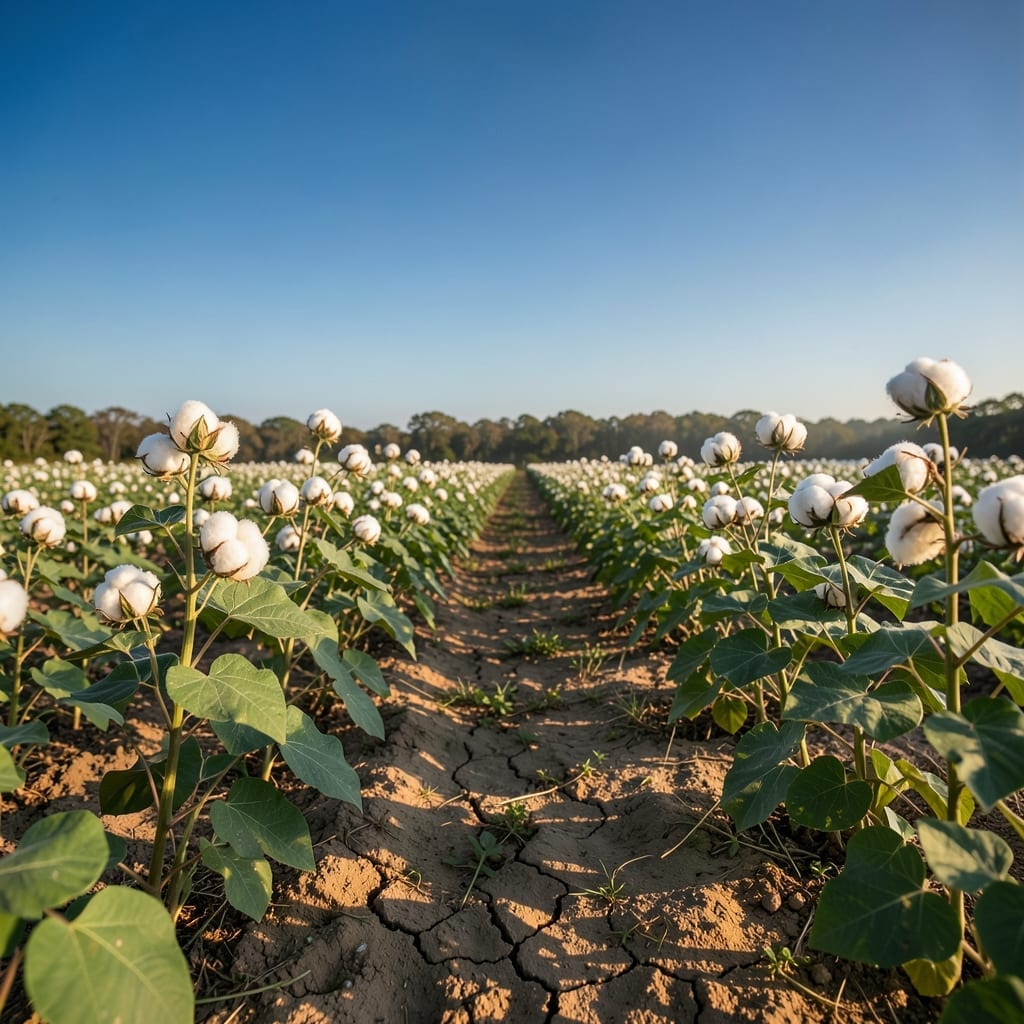
North Carolina’s coastal plains offer the perfect environment for cotton, a crop deeply woven into the state’s agricultural heritage. This resilient plant thrives in the region’s warm climate and well-drained soils, making it a cornerstone of local farming.
Cotton requires full sun and a long growing season, typically planted in spring after the last frost. Its ability to withstand drought conditions makes it particularly suited to the coastal climate. Commercial growers prize its economic value, while its historical significance continues to shape NC’s farming identity.
For those exploring large-scale agriculture, cotton remains a rewarding and iconic choice in the Tar Heel State. 🌱
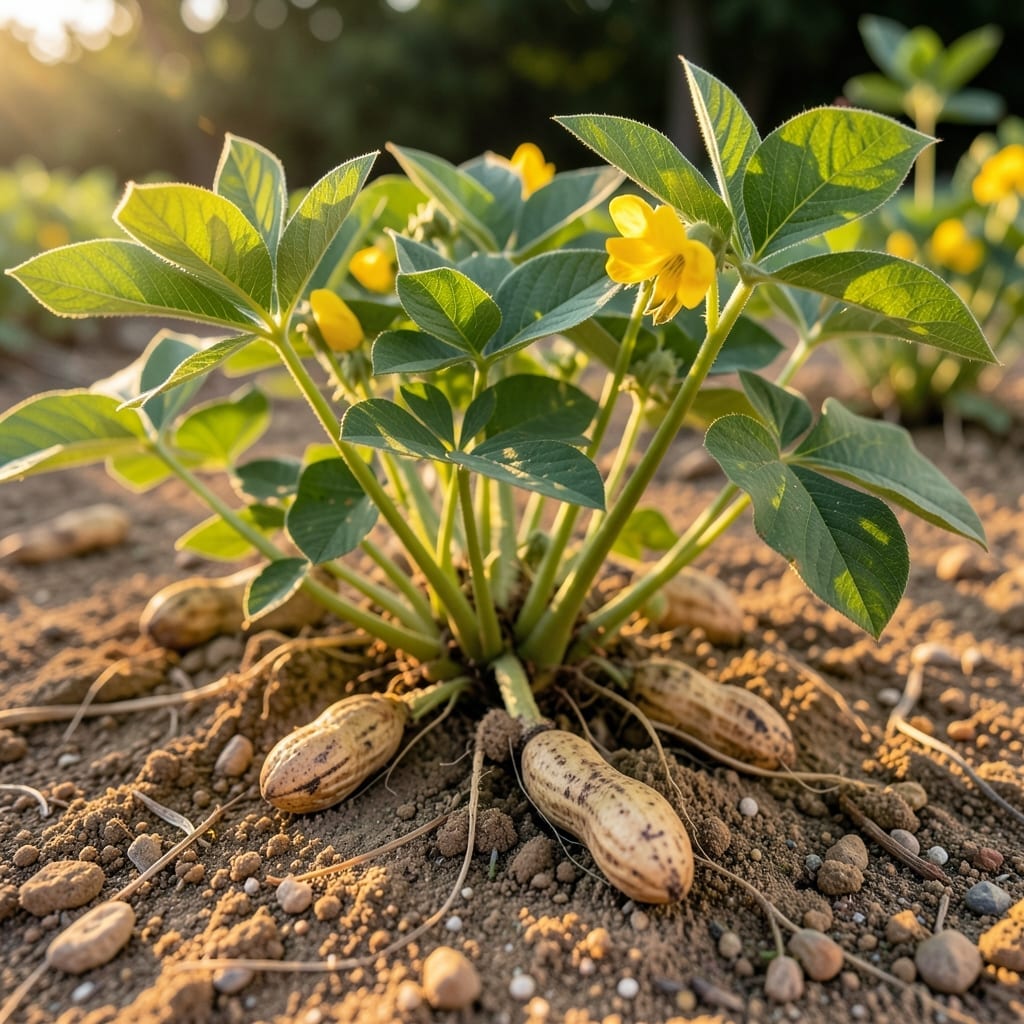
Peanuts are a hidden gem for North Carolina gardeners, thriving in the state’s sandy soil and warm climate. Unlike many crops, they grow underground, making them a unique and fascinating addition to any garden.
Plant seeds in late spring when soil temperatures reach at least 65°F. Space seeds 2 inches deep and 6 inches apart, with rows 24 inches apart. Peanuts require 120-150 frost-free days to mature, and their drought tolerance makes them well-suited for NC’s occasional dry spells.
Perfect for gardeners looking for a low-maintenance, rewarding crop that stores easily, peanuts deliver both nutrition and fun. 🌱
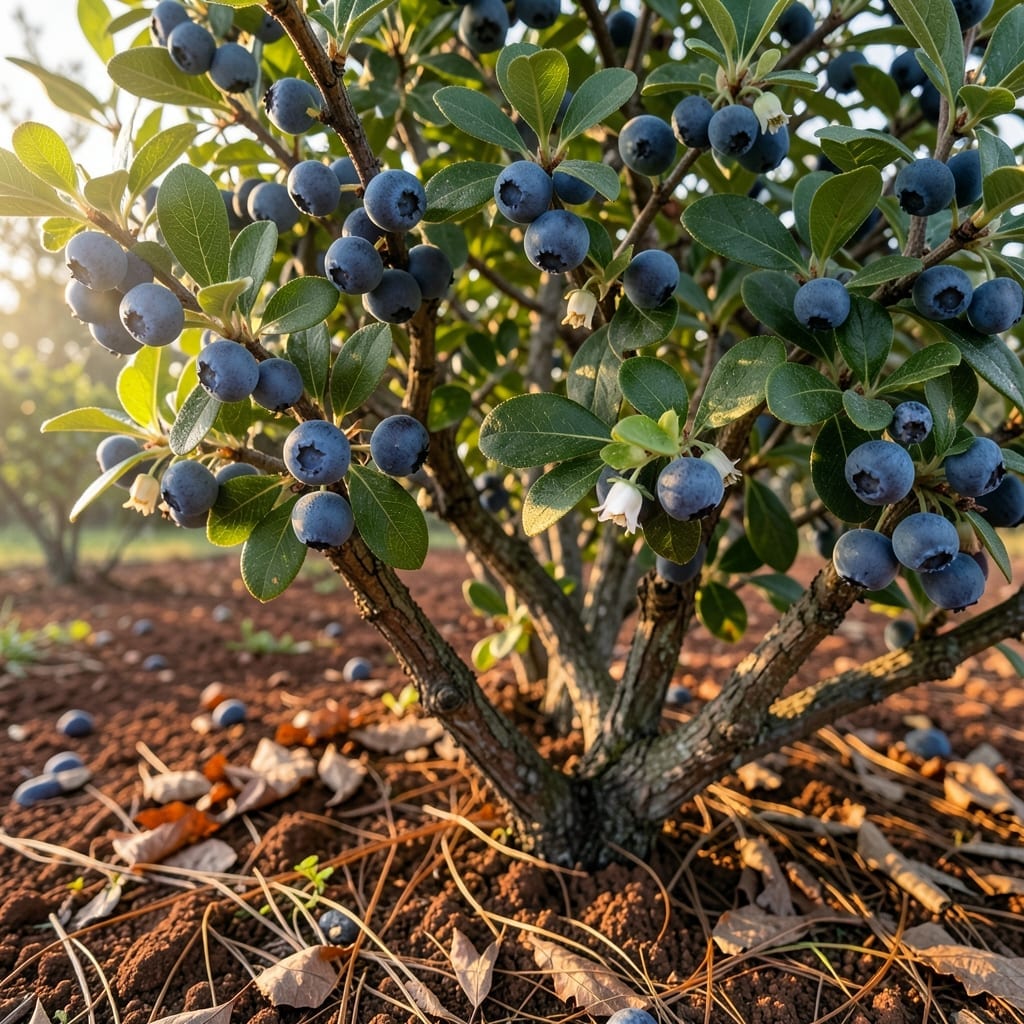
The Piedmont’s naturally acidic soil makes it a blueberry paradise, and North Carolina ranks among the nation’s top producers of these antioxidant-rich shrubs. Home gardeners can tap into this ideal growing environment with minimal effort.
Plant rabiteye or southern highbush varieties in well-drained, sunny spots. These low-maintenance shrubs need little pruning and tolerate NC’s heat once established. A 2-3 inch mulch layer helps retain moisture and suppress weeds.
Perfect for gardeners seeking a permanent, productive addition to their landscape, blueberries deliver years of delicious, health-boosting fruit. 🌿
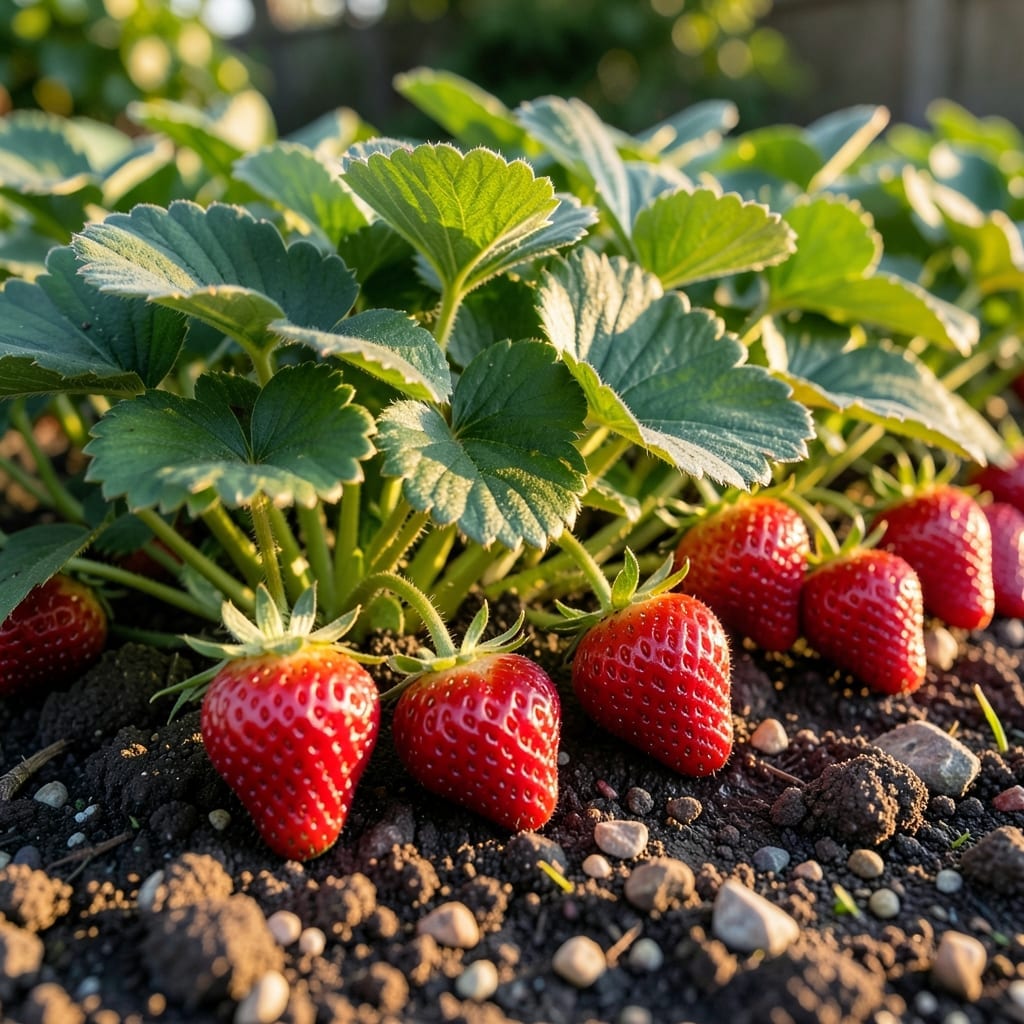
North Carolina’s springtime sweetness comes alive with strawberries, a garden favorite that delivers abundant, flavorful fruit just as the weather warms. These hardy plants are a perfect match for the state’s mild spring and early summer conditions.
Plant bare-root crowns in well-drained soil in early spring, spacing them 12-18 inches apart. Strawberries need full sun and consistent moisture, especially during fruiting. Mulch with straw to retain moisture and suppress weeds.
Ideal for gardeners who want a rewarding, low-maintenance crop, strawberries produce year after year with proper care. Their compact size makes them great for beds or containers. 🌱
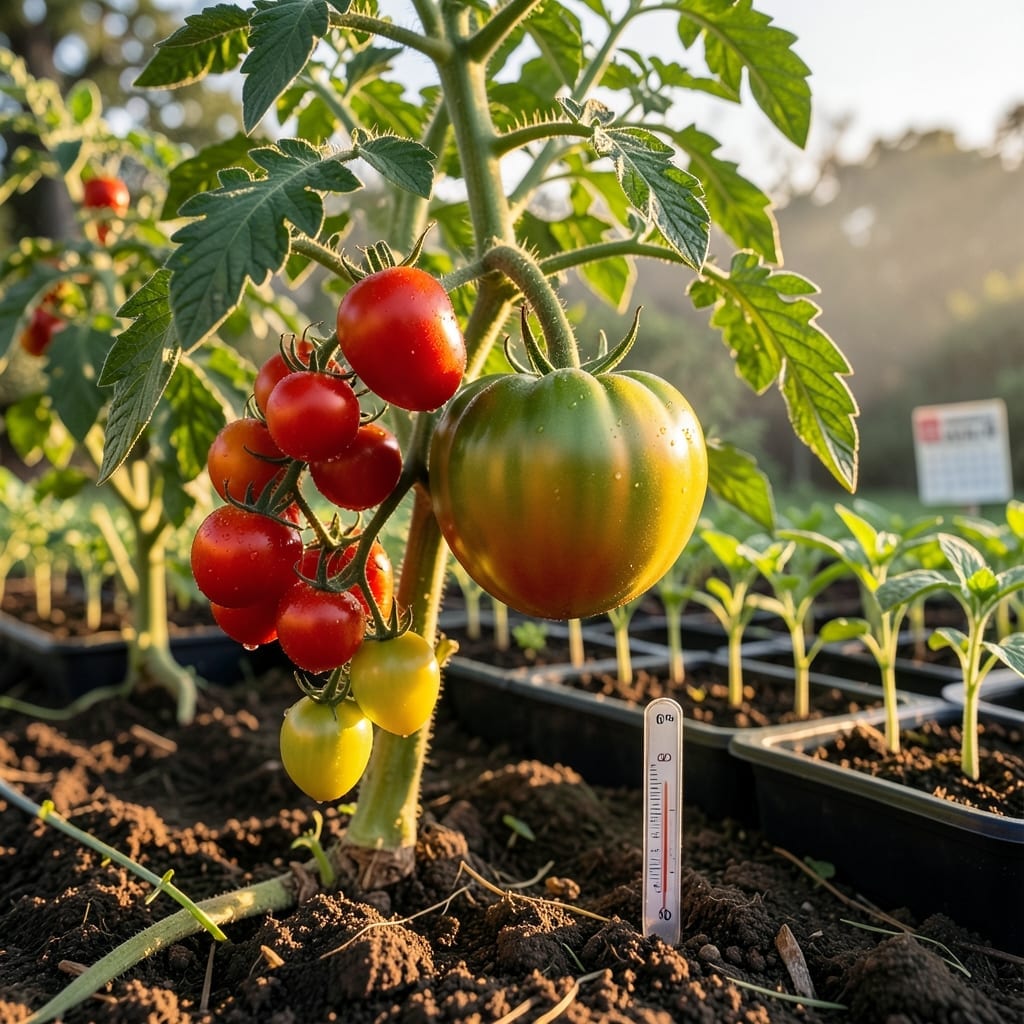
Few plants embody North Carolina’s gardening spirit like tomatoes. With the state’s long, warm growing season, you can grow everything from tiny cherry varieties to massive heirlooms with ease.
Start seeds indoors 6-8 weeks before the last frost, then transplant seedlings after soil warms to 60°F. Provide full sun and consistent watering—especially during fruit set—to prevent cracking. Use cages or stakes for support as plants grow.
Ideal for gardeners of all levels, tomatoes offer high yields and endless variety, making them a must-grow for every NC garden. 🌱
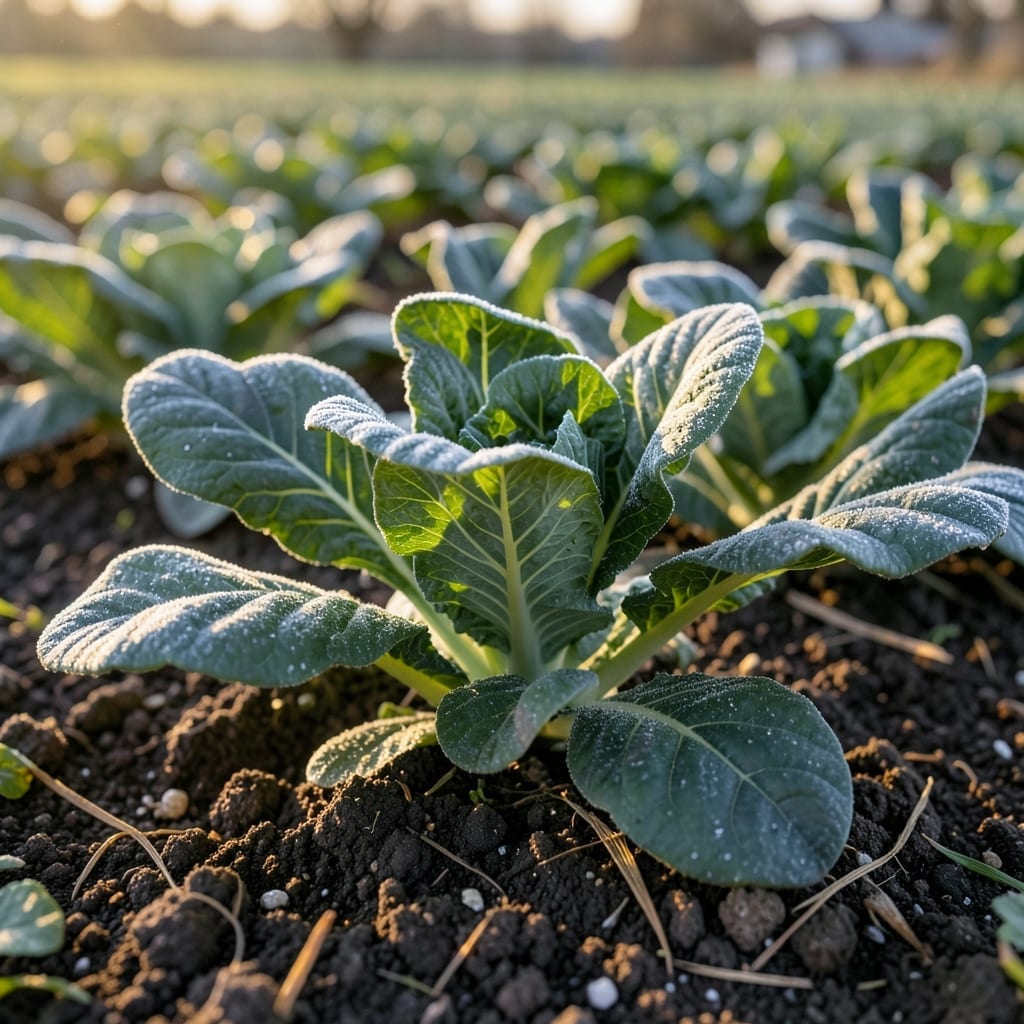
Few crops embody Southern resilience like collard greens, which laugh at North Carolina’s winter frosts and keep producing through the heat of summer. This hardy leafy green is a garden workhorse that never quits.
Direct-sow seeds in fertile, well-drained soil 4-6 weeks before the last frost for spring harvests, or in late summer for fall and winter crops. Thin seedlings to 12-18 inches apart. Collards thrive with consistent moisture and tolerate light freezes, making them ideal for NC’s variable climate.
Perfect for gardeners who want a reliable, nutrient-packed crop that delivers fresh leaves for nearly every season. Their ability to overwinter means you can harvest the same plants for months. 🌿