
Beautiful Plants For Your Interior
Beautiful Plants For Your Interior
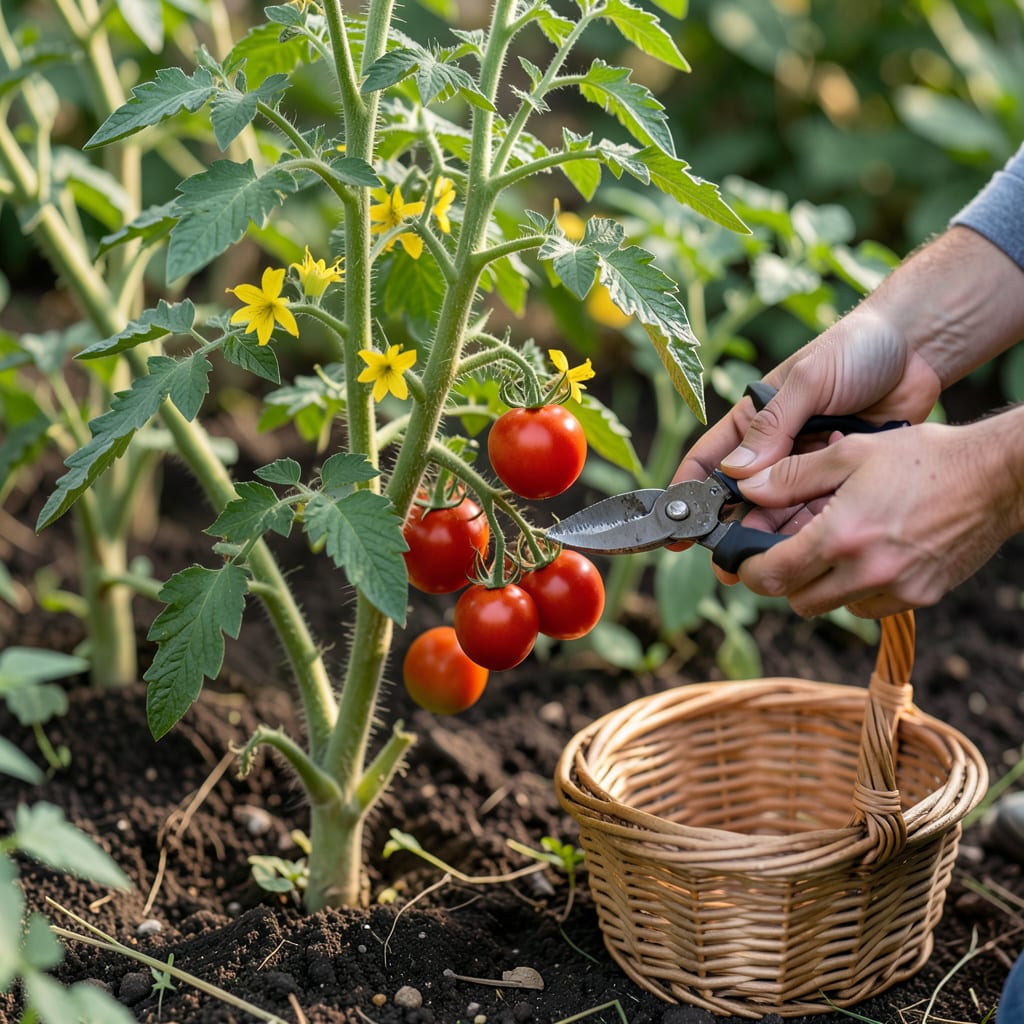
Nothing beats the taste of a perfect homegrown 🍅, but knowing when to pick it can be tricky. Color is your best clue to unlocking that juicy, vine-ripe flavor we all crave.
From deep reds to sunny yellows, each Tomato variety has its own telltale hue. I’ll show you how to spot the exact shade that means your tomatoes are ready for harvesting.


Knowing the exact color for picking tomatoes can be confusing, especially with so many varieties in our gardens. I’ve found that red tomatoes are the easiest to judge, turning a deep, uniform crimson when fully ripe and ready to enjoy.
But not all tomatoes follow the same rules. Some varieties, like yellow or orange types, develop a bright, vibrant hue when they’re at their peak. It’s all about recognizing the rich, consistent color that signals maturity for each kind.
| Variety | Ripe Color | Notes |
|---|---|---|
| Beefsteak | Deep red | Uniform color, slight give |
| Cherry | Bright red or yellow | Glossy, firm skin |
| Heirloom | Purple, green, or striped | Color deepens with ripeness |
| Roma | Rich red | Firm, meaty texture |
| Green Zebra | Green with yellow stripes | Striped pattern intensifies |
For green tomatoes like the Green Zebra, don’t be fooled by the color. These varieties are ripe when their stripes turn yellow and the fruit feels slightly soft. It’s a unique cue that sets them apart from other types.
I always check for uniform color across the entire tomato. If there’s still a green shoulder near the stem, it’s not quite ready. Patience pays off—waiting for full color development ensures the best flavor.
Yellow tomatoes can be tricky since they start light and gradually deepen. Look for a golden, almost buttery tone that covers the whole fruit. This usually means they’re bursting with sweetness.
With purple or black tomatoes, like Cherokee Purple, the color shifts from green to a deep, dusky hue. These often have a richer, more complex flavor when fully ripe, so wait for that dark, even tone.
Remember, color isn’t the only sign. A ripe tomato should also have a slight give when gently squeezed and a glossy skin. Combining these cues helps me pick at the perfect moment every time.
If you’re growing orange tomatoes, such as Persimmon, they’ll turn a vibrant, almost neon shade when ready. This bright color is a sure sign they’ve reached their peak sweetness and are ready to enjoy.
Finally, always consider the variety’s typical color before picking. When in doubt, I compare the tomato to a reference image of its ripe form to confirm I’m on the right track.☀️
Many gardeners make the mistake of picking tomatoes too early, thinking a hint of color means they’re ready. I’ve learned that partial coloring often means the fruit needs more time on the vine for full sweetness.
Another common error is ignoring the stem. Even if the tomato looks ripe, if the stem doesn’t separate easily from the vine, it’s not quite ready. Forcing it can damage the plant and the fruit.
⚠️ Warning: Don’t rely on color alone! Check for slight give and glossy skin too. Picking too early or too late can ruin flavor and texture.
Waiting too long is just as bad. Overripe tomatoes can become mushy or split on the vine. I check my plants daily during peak season to catch them at just the right moment.
Some gardeners misjudge unusual varieties. Green tomatoes like Green Zebra can be tricky—many pick them too soon, not realizing the yellow stripes indicate ripeness, not the green base.
I also see people ignoring texture signs. A ripe tomato should feel slightly soft when gently pressed. If it’s rock hard, it’s not ready, no matter how vibrant the color.
Finally, environmental factors can affect color development. Too much shade can cause uneven ripening, while extreme heat might prevent full color formation. I always consider my garden’s sunlight exposure when judging ripeness.
By avoiding these mistakes, I ensure every tomato I pick is at its peak flavor and perfect for enjoying fresh from the garden.☀️
Sometimes Mother Nature needs a little help to get tomatoes to ripen at the perfect time. I’ve found that paper bags work wonders for speeding up the process indoors. Just place unripe tomatoes in a bag with a ripe banana—the ethylene gas will accelerate ripening.
A windowsill method also works well for tomatoes that are starting to change color. I place them in a sunny spot indoors where they’ll get warmth without direct sunlight, which can be too intense for ripening off the vine.
Speed Up or Slow Down Ripening:
To slow down ripening, I use the refrigerator. Once tomatoes are fully ripe, popping them in the fridge will pause the process and extend their freshness for a few extra days. Just
Outdoors, shade cloth can help control ripening speed during heatwaves. Too much direct sun can cause tomatoes to ripen unevenly or too quickly, so I use 30-40% shade during the hottest part of the day.
Temperature plays a huge role too. Tomatoes ripen best between 70-75°F. If it’s too cold, they’ll stall; if it’s too hot, they might not develop full color. I monitor my garden’s microclimate to adjust my approach.
By mastering these techniques, I ensure a steady supply of perfectly ripe tomatoes throughout the growing season, ready to enjoy at their peak.☀️
For varieties like Green Zebra, check for yellow stripes that intensify as they ripen. The base stays green, but the stripes turn golden when ready. Gently squeeze—ripe ones give slightly.
This “green shoulder” means they’re not fully ripe. Wait until the entire fruit reaches its expected color. Sun exposure, variety, and temperature can all affect even coloring.
Yes, but they’ll ripen off the vine. For best flavor, wait until they’re at least 50% colored. Place them in a paper bag with a banana to speed up the process indoors.
Look for a glossy skin and slight softness when gently pressed. The stem should also separate easily from the vine. These signs confirm color changes.
Combine all cues for perfect timing.
