
Beautiful Plants For Your Interior
Beautiful Plants For Your Interior
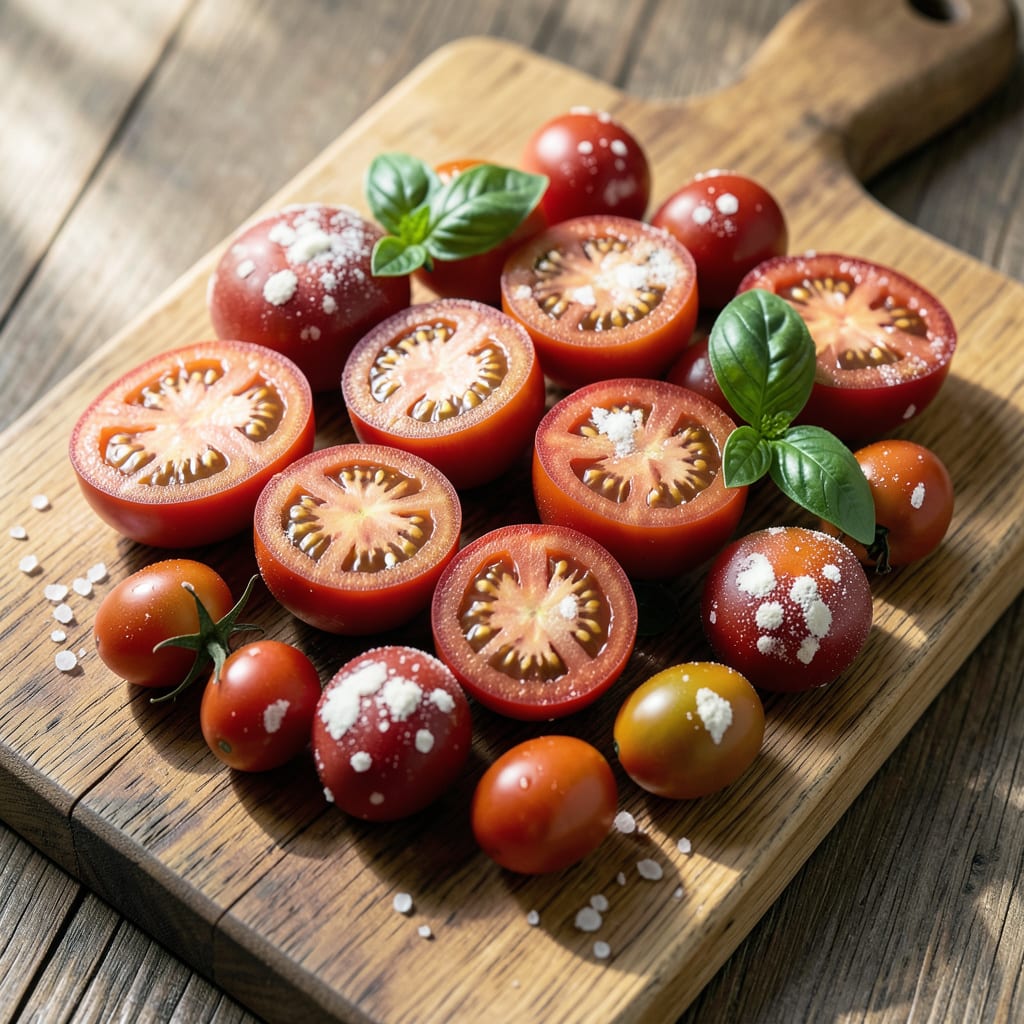
White spots on your tomatoes can ruin a perfect harvest. I’ve dealt with this issue for years, and the causes range from pests to environmental stress. Each type of spot tells a different story about what’s happening to your plants.
The most common culprits are powdery mildew, spider mites, or even sunscald from too much direct light. I learned the hard way that early identification makes all the difference in saving your crop.
With the right approach, you can prevent these spots from spreading. Simple changes like improving air circulation or adjusting watering habits often solve the problem before it starts.
By the time you finish reading, you’ll know exactly how to diagnose the issue and keep your plants healthy and spot-free all season long.
White spots on tomatoes can stem from several underlying issues, each with distinct causes and solutions. Here’s a breakdown of the most common culprits:
Fungi like Powdery Mildew or Early Blight often cause white, powdery, or circular spots on leaves and fruit. These thrive in humid, poorly ventilated conditions. Spores spread via water or wind, infecting plants through wounds or wet foliage. Action: Improve airflow, avoid overhead watering, and apply fungicides like copper-based sprays.
Direct, intense sunlight can bleach tomato skin, creating white or yellowish patches—especially on exposed fruit. This happens when foliage is sparse (due to pruning or disease) or during heatwaves. Action: Provide shade cloth (30-50%) during peak sun hours and maintain healthy leaf coverage.
While typically brown, early-stage blossom end rot (caused by calcium deficiency) may appear as white or pale spots at the fruit’s base. Inconsistent watering or soil pH imbalances (too acidic) disrupt calcium uptake. Action: Test soil pH (aim for 6.2–6.8), water consistently, and add calcium supplements like gypsum.
Insects such as whiteflies or thrips feed on tomato surfaces, leaving behind white stippling or scars. Their piercing mouthparts damage cells, and their sticky honeydew can attract mold. Action: Use insecticidal soaps or introduce beneficial predators like ladybugs.
Accidental exposure to 2,4-D or glyphosate (common weed killers) can cause white, blotchy spots or distorted growth. Even low concentrations can harm tomatoes. Action: Avoid spraying herbicides near gardens, and rinse plants immediately if exposure is suspected.
White spots on tomatoes can be frustrating, but most causes are treatable with the right approach. Below are practical solutions tailored to each common issue, along with prevention tips to keep your plants healthy.
For powdery mildew or bacterial leaf spot, start by removing infected leaves to prevent spread. Apply a copper-based fungicide or a baking soda spray (1 tsp baking soda + 1 quart water + a few drops of dish soap). Prevention tip: 💡 Space plants 18–24 inches apart for better airflow, and water at the base to avoid wetting leaves.
If whiteflies, aphids, or spider mites are the culprits, spray plants with neem oil or insecticidal soap every 5–7 days until pests are gone. For severe infestations, introduce beneficial insects like ladybugs. Prevention tip: ✨ Use reflective mulch to deter pests and inspect plants weekly for early signs.
Protect tomatoes from scalding sun by using shade cloth (30–50% coverage) during peak afternoon hours. Ensure consistent watering to reduce heat stress. Prevention tip: 🌡️ Plant heat-tolerant varieties like ‘Solar Fire’ or ‘Heatmaster’ in hot climates.
For blossom end rot (a calcium issue), add crushed eggshells or a calcium-rich fertilizer to the soil. If the problem is magnesium deficiency, apply Epsom salt (1 tbsp per gallon of water) as a foliar spray. Prevention tip: 🎯 Test soil annually and amend with compost for balanced nutrition.
If over-fertilization is the cause, flush the soil with water to remove excess salts. Pause fertilizing for 2–3 weeks and resume with a balanced, diluted formula. Prevention tip: ✨ Always follow package instructions and avoid fertilizing during extreme heat.
With these targeted fixes and proactive care, your tomatoes can recover—and thrive! 🍅
Yes, if caused by fungal infections or pests like whiteflies. Isolate affected plants and treat immediately with copper fungicide or neem oil to prevent spreading.
Most are safe if the issue is sunscald or early blossom end rot. Avoid eating if caused by herbicide drift or severe mold. Always wash thoroughly before consuming.
Improve airflow by spacing plants 18-24 inches apart. Use shade cloth during heatwaves and maintain consistent watering. Test soil pH annually for balanced nutrition.
Mild sunscald may heal, but fungal or pest-related spots won’t. Treat the underlying cause—like applying calcium supplements for deficiencies—to stop new spots from forming.
