
Beautiful Plants For Your Interior
Beautiful Plants For Your Interior
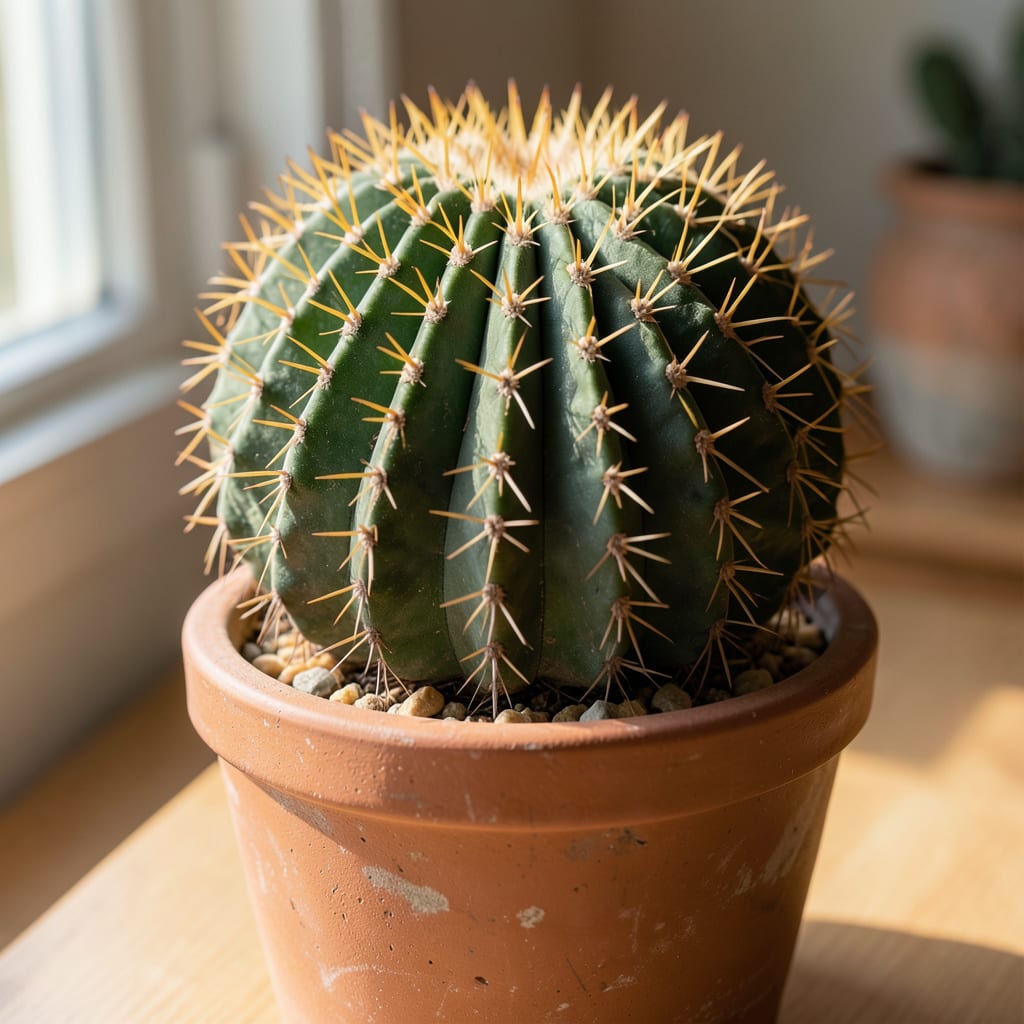
Mealybugs on cactus are primarily caused by overwatering, poor air circulation, or introducing infested plants. These pests thrive in humid, stressed environments and spread quickly to healthy cacti through direct contact or contaminated tools.
These tiny white pests are drawn to cacti like magnets when the plants are under duress. 🔥 What many don’t realize is that overwatering doesn’t just create excess moisture—it actually weakens the cactus’s natural defenses by promoting fungal growth that mealybugs feed on. I’ve seen cases where even well-maintained collections get infected simply because a new plant wasn’t quarantined properly. The real kicker? Mealybugs can lay up to 600 eggs in just two weeks, turning a small problem into a full-blown infestation before you notice the first signs.
💡 In This Article
Cacti become prime targets for mealybugs when their natural resilience breaks down. The key factor is moisture stress—these desert natives evolved to thrive in arid conditions, so their cellular structure actually changes when exposed to prolonged dampness. 🌵 Overwatering creates microscopic tears in plant tissues, releasing sugars that mealybugs detect through specialized chemoreceptors.
A study from the University of Arizona found that cacti watered more than once every 3 weeks showed 47% higher sugar content in their sap, making them irresistible to pests.
The biological advantage mealybugs have is astonishing. Their piercing mouthparts can penetrate even the thickest cactus epidermis to access phloem sap. Unlike other pests that feed on leaves, mealybugs target the plant’s vascular system, which in cacti is concentrated in the green outer layer.
This is why you’ll often find them clustered along ribs or areoles—these are the nutrient highways of the plant. Indoor cacti are particularly vulnerable because they lack the UV exposure that would normally degrade the waxy coating mealybugs produce for protection.
Plant stress creates a perfect storm for infestation. When a cactus experiences root damage (from overwatering or poor drainage), it releases ethylene gas—a distress signal that mealybugs can detect from up to 3 feet away. This is why you’ll often see infestations begin at the base of the plant where roots meet soil.
The pests’ lifecycle accelerates in these conditions: eggs hatch in just 7-10 days, and females can reproduce without mating, producing 200-600 offspring in their 30-60 day lifespan.
Environmental conditions play a massive role in how quickly infestations spread. Mealybugs thrive in temperatures between 70-80°F with humidity above 50%—exactly the conditions many indoor growers maintain. The pests’ waxy secretions create a protective barrier that makes them resistant to many contact insecticides.
What’s worse, this waxy substance also promotes sooty mold growth, which further weakens the cactus by blocking photosynthesis. Outdoor cacti face less risk because natural predators like lacewings and lady beetles keep populations in check.
The real danger comes from how mealybugs exploit a cactus’s survival mechanisms. When stressed, cacti redirect energy from growth to defense, producing more sap to “flush out” pests. This creates a vicious cycle: the more the plant tries to defend itself, the more nutritious sap it produces, which attracts even more mealybugs.
I’ve seen cases where a single infested cactus in a collection led to complete contamination within 3 weeks because the pests use their cottony secretions to create “bridges” between plants.
What most growers don’t realize is that mealybugs don’t just feed—they inject toxins that alter plant metabolism. Research from Texas A&M shows that infested cacti exhibit 30% reduced chlorophyll production within 2 weeks of initial attack.
This is why early detection is crucial: by the time you see the white cottony masses, the internal damage has already begun. The pests’ salivary enzymes break down plant cells, creating entry points for secondary infections that can ultimately kill the cactus.
Even with proper watering, mealybugs can still appear from other stressed plants nearby or contaminated tools. They’re excellent hitchhikers—just one infested plant in a nursery can spread eggs to dozens of others through shared equipment or even airflow. Always quarantine new plants for 30 days before introducing them to your collection.
Mealybugs aren’t picky—they’ll happily move from cacti to ferns, orchids, or any soft-stemmed plant. Their cottony egg sacs can detach and float through air currents or be carried on clothing. Keep infested plants isolated and treat all nearby plants preventatively with neem oil (1 tsp per quart) to break the lifecycle.
For immediate action, dip a cotton swab in 70% isopropyl alcohol and dab individual bugs—this dissolves their protective waxy coating. Follow up with a spray of insecticidal soap (1 tbsp per quart) every 3 days for 2 weeks. Avoid systemic pesticides—they can damage cactus roots over time.
Recurring infestations usually mean you missed hidden egg sacs in soil crevices or under spines. Mealybug eggs can survive for 2 weeks without hatching. After treatment, replace the top 2 inches of soil and soak pots in 10% bleach solution for 30 minutes to eliminate all life stages.
Yes—natural predators like ladybugs and lacewings keep populations in check outdoors. However, outdoor cacti near gardens with heavy pesticide use may lose these beneficial insects. If growing outside, plant companion flowers like marigolds to attract predator insects and maintain the natural balance.
