
Beautiful Plants For Your Interior
Beautiful Plants For Your Interior
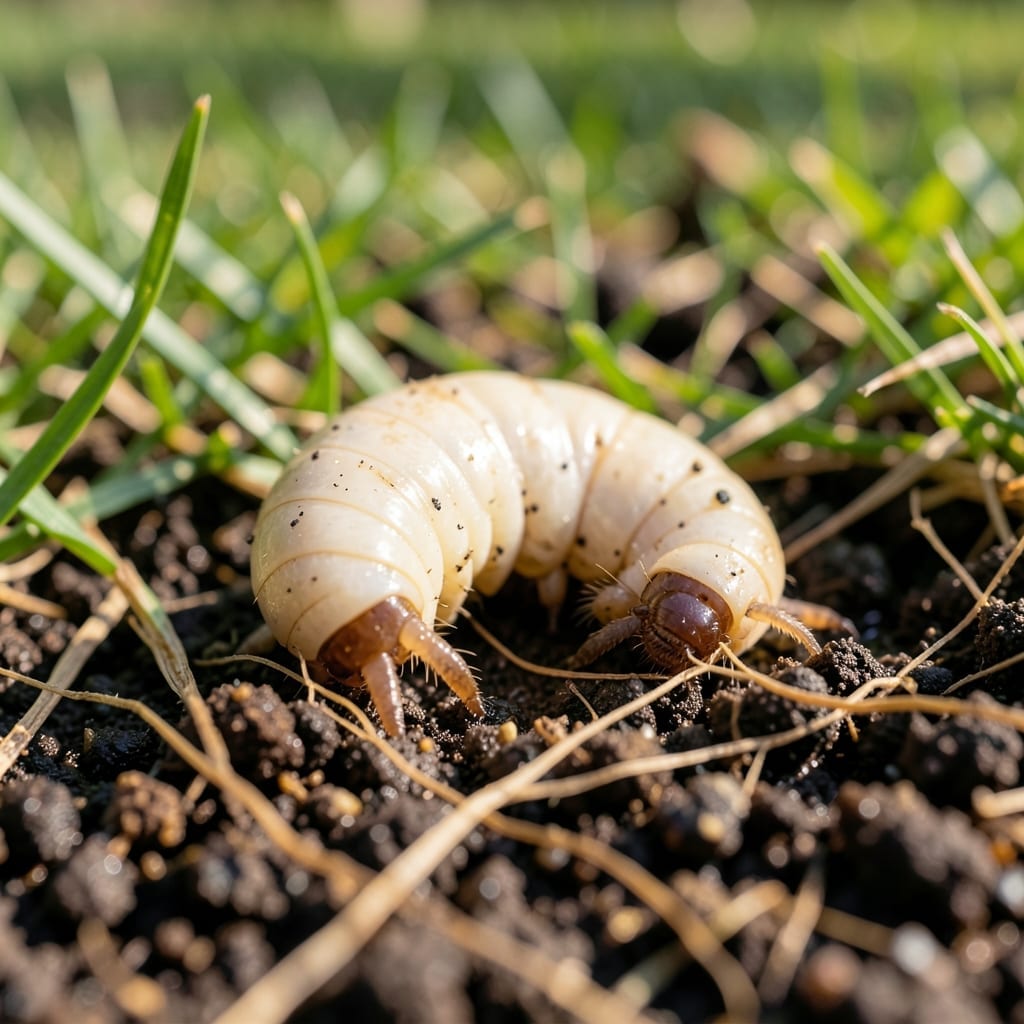
That brown patch in your lawn might be hiding more than dry soil. I learned the hard way that grubs are often the culprit behind patchy, dying grass.
These pests thrive in moist, warm soil—perfect conditions for their eggs to hatch and feast on grass roots. A healthy lawn can usually fend them off, but stress from drought or poor maintenance makes it vulnerable.
You’ll notice irregular brown spots that don’t recover after watering. Pull back a section of turf, and you might spot the white, C-shaped larvae just beneath the surface.
Here’s the thing—prevention starts with keeping your lawn strong, well-fed, and properly watered. It’s the best defense against these root-munching invaders.
Grubs, the larval stage of beetles like Japanese beetles or June bugs, appear in lawns due to specific environmental and biological triggers. Understanding these causes helps you target prevention effectively.
Grubs thrive in moist, well-aerated soil with abundant organic matter. Overwatered lawns or areas with poor drainage create the perfect breeding ground. The eggs laid by adult beetles hatch in warm, damp soil (typically 70–90°F), allowing grubs to feed on grass roots undisturbed.
The life cycle begins when adult beetles lay eggs in your lawn. Species like Popillia japonica (Japanese beetle) or Phyllophaga (May/June beetles) target healthy turf for egg-laying. A single female can deposit 40–60 eggs in a season, leading to large infestations if left unchecked.
Lawns with thin grass, bare patches, or poor nitrogen levels attract beetles seeking easy access to lay eggs. Over-fertilized or under-fertilized lawns are equally vulnerable, as both conditions disrupt the soil’s natural defenses.
Regions with warm summers and mild winters see higher grub activity. In colder climates, grubs may overwinter deep in the soil, emerging in spring to resume feeding. Southern states often face year-round pressure due to extended beetle flight periods.
By addressing these factors—soil health, beetle populations, and turf resilience—you can break the cycle before grubs take hold.
Grubs can wreak havoc on your lawn, but these practical solutions will help you reclaim a lush, green turf. Address the root causes with targeted fixes and prevent future infestations with simple habits.
Grubs thrive in damp soil. Water deeply but infrequently—about 1 inch per week—to encourage deep root growth and discourage grubs. Ensure your lawn has proper drainage to avoid soggy patches. Prevention tip: 💡 Water early in the morning to allow the soil to dry out during the day.
For active infestations, use beneficial nematodes (like Heterorhabditis bacteriophora) or milky spore powder for an organic approach. For severe cases, apply a grub-specific insecticide containing imidacloprid or chlorantraniliprole. Always follow label instructions. Prevention tip: ✨ Treat in late summer or early fall when grubs are young and most vulnerable.
A healthy lawn resists grub damage better. Overseed bare spots in early fall or spring, and fertilize regularly to promote thick growth. Aerate compacted soil to improve root health. Prevention tip: 🎯 Mow at the correct height (usually 2.5–3 inches) to shade the soil and deter adult beetles from laying eggs.
Attract birds, toads, and predatory beetles by adding native plants, a small water source, or a bird feeder. These natural predators help keep grub populations in check. Prevention tip: 🌡️ Avoid broad-spectrum pesticides, which can harm beneficial insects.
Consistency is key—combine these solutions with regular lawn maintenance for long-term grub control!
Look for irregular brown patches that don’t recover after watering. Lift a section of turf—if you see white, C-shaped larvae, you’ve found grubs.
Grub activity peaks in late summer when beetles lay eggs. In warm climates, they may appear year-round. Colder regions see grubs emerge in spring after overwintering.
Yes! Grubs thrive in moist soil. Overwatering creates ideal conditions for beetle eggs to hatch and larvae to feed. Aim for 1 inch of water per week.
Grubs feed on grass roots, which can kill new sod or seedlings. Prevent infestations by treating soil before laying new turf.