
Beautiful Plants For Your Interior
Beautiful Plants For Your Interior
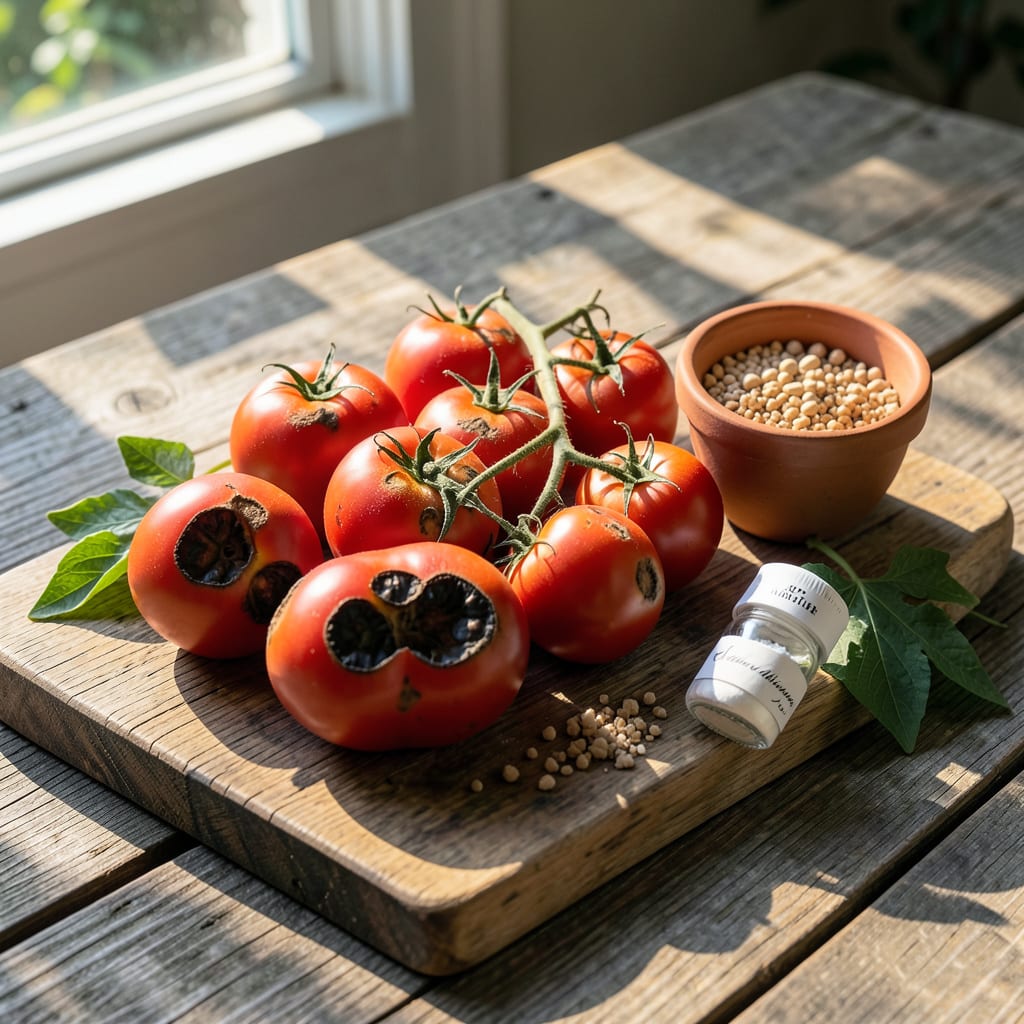
Nothing stings like finding your first ripe tomato with that telltale black spot. I lost half my harvest to blossom end rot last summer before figuring out what was really happening.
Turns out it’s not a disease at all—it’s your plant’s way of screaming for calcium. But here’s the thing—it’s usually not about a lack of calcium in your soil. It’s about the plant not being able to access what’s already there.
Inconsistent watering and extreme soil pH are the usual culprits. Fix those two things and you’ll see the difference in 7-10 days. The new fruit sets clean and firm.
Simple adjustments now mean a full harvest later. No special tools, just consistent care and a bit of soil science.
Blossom end rot in tomatoes is primarily triggered by calcium deficiency in the developing fruit, but several underlying factors can disrupt calcium uptake or distribution. Here’s why it happens:
The most direct cause is insufficient calcium in the soil. Even if calcium is present, low soil pH (acidic conditions) or excessive salts (from over-fertilization) can lock it up, making it unavailable to the plant roots. Tomatoes require a soil pH of 6.0–6.8 for optimal calcium absorption.
Fluctuations in soil moisture—drought followed by overwatering—disrupt calcium transport. Calcium moves through the plant via transpiration (water movement), so uneven watering starves the fruit of this essential nutrient, leading to rot at the blossom end.
Extreme temperatures (especially heatwaves above 85°F/29°C) or cold snaps slow down root activity and nutrient uptake. High humidity can also reduce transpiration, further limiting calcium delivery to the fruit.
During periods of vigorous growth (e.g., after heavy nitrogen fertilization), the plant prioritizes leaf and stem development over fruit. This can create a temporary calcium shortage in the tomatoes, as the nutrient is diverted away from the blossom end.
Compacted soil, root pruning, or nematode infestations weaken the root system, reducing its ability to absorb calcium. Sandy or waterlogged soils also hinder root efficiency, exacerbating the problem.
Blossom end rot can be frustrating, but these practical fixes will help you save your tomato crop and prevent future issues. Below are targeted solutions mapped to each common cause, plus prevention tips to keep your plants thriving.
Tomatoes need consistent moisture to absorb calcium properly. Water deeply 1–2 inches per week (more in hot climates), and use drip irrigation or soaker hoses to avoid wetting the leaves. Mulch with straw or wood chips to retain soil moisture and reduce evaporation.
Prevention tip: 💡 Check soil moisture 2 inches deep—if it’s dry, it’s time to water.
Add calcium directly to the soil with crushed eggshells (rinse, dry, and crush finely), gypsum, or a calcium nitrate spray (follow package instructions). For a quick fix, dissolve 1 tablespoon of calcium chloride in a gallon of water and spray on leaves.
Prevention tip: 🎯 Test your soil before planting—ideal pH is 6.0–6.8. Amend with lime if too acidic.
Avoid over-fertilizing with high-nitrogen products, which can cause rapid, weak growth. Switch to a balanced fertilizer (e.g., 10-10-10) and follow the recommended application rates. Prune suckers to direct energy toward fruit development.
Prevention tip: ✨ Feed tomatoes with compost or well-rotted manure for slow-release nutrients.
Extreme heat or cold can disrupt calcium uptake. Use shade cloth during heatwaves and row covers for unexpected cold snaps. Plant tomatoes in a location with consistent temperatures (70–85°F is ideal).
Prevention tip: 🌡️ Water early in the morning to help plants cope with daily temperature changes.
By addressing these causes and adopting preventive measures, you can stop blossom end rot in its tracks and enjoy a healthy, bountiful harvest!
Yes! Inconsistent moisture—including overwatering—disrupts calcium transport. Stick to 1–2 inches of water per week and use mulch to maintain steady soil moisture levels.
A foliar spray of calcium chloride (1 tablespoon per gallon) can show results in 7-10 days. For soil fixes, eggshells or gypsum take longer but provide lasting benefits.
Tomatoes need pH 6.0–6.8 to absorb calcium efficiently. Test your soil and amend with lime if it’s too acidic.
No, but new fruit will be fine once you address the cause. Remove rotten tomatoes to redirect energy to healthy growth.
