
Beautiful Plants For Your Interior
Beautiful Plants For Your Interior
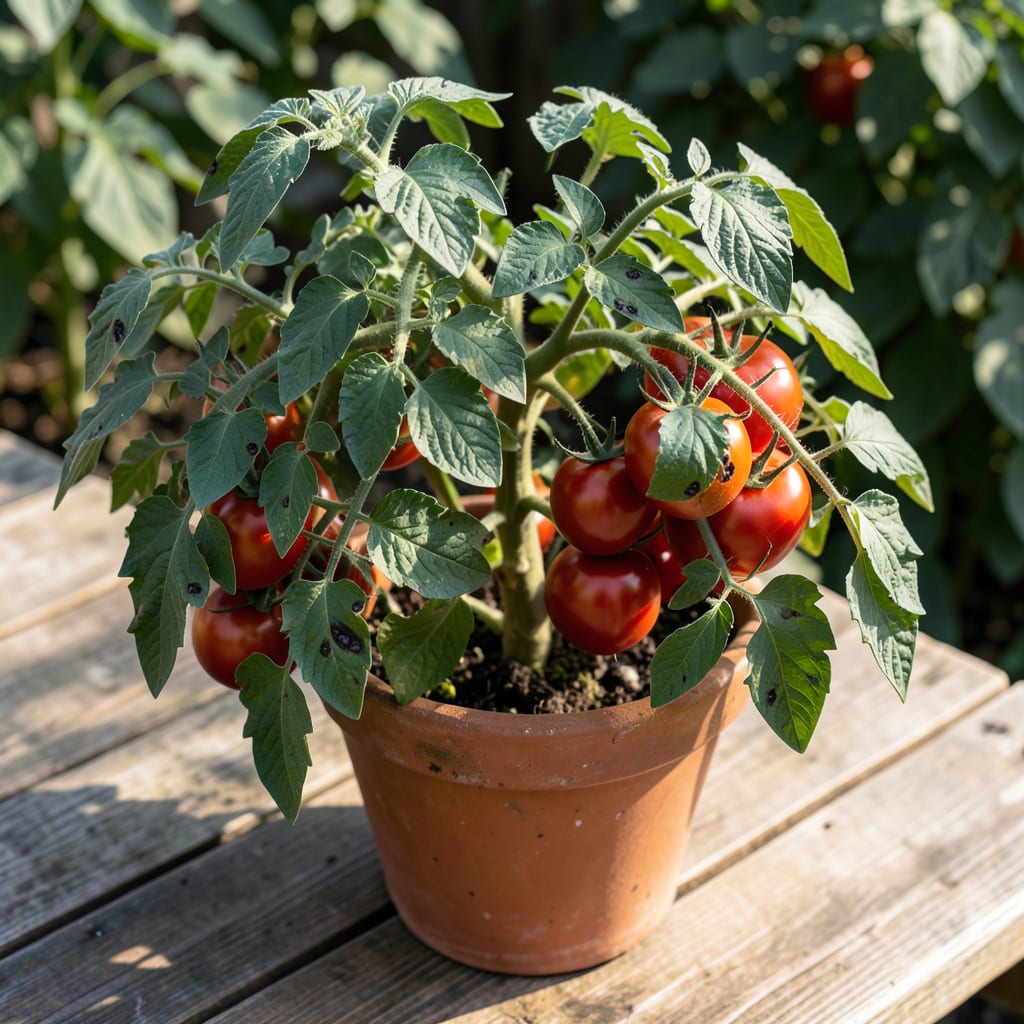
Those dark splotches on your tomato leaves aren’t just ugly—they’re a warning sign. 🌱 I’ve seen entire crops wiped out by ignoring early black spots, but catching them fast saves the season.
Most cases come down to three culprits: fungal diseases spreading in wet conditions, pests chewing their way through foliage, or environmental stress from inconsistent watering. The patterns look different if you know where to look.
You’ll spot the difference between early blight’s concentric rings, septoria’s tiny dots, or pest damage that looks more shredded than spotted. Each needs a different approach to stop the spread.
Prevention beats treatment every time. Good airflow, consistent watering, and removing affected leaves early keep most problems from taking hold.
Black spots on tomato plants are a common but frustrating issue, often signaling underlying problems that need immediate attention. Below are the most frequent causes, explained with actionable insights to help you diagnose and address them.
Early Blight (Alternaria solani) and Late Blight (Phytophthora infestans) are primary fungal culprits. These pathogens thrive in warm, humid conditions, spreading via water splashes or infected soil. Early blight causes concentric black rings on lower leaves, while late blight leads to large, greasy black patches that quickly rot the plant. Overhead watering and poor air circulation accelerate their growth.
Bacterial Speck (Pseudomonas syringae) and Bacterial Spot (Xanthomonas spp.) create small, water-soaked black spots with yellow halos. These bacteria enter through wounds or stomata, often spread by contaminated tools, rain, or insects. High humidity and temperatures between 75–85°F (24–29°C) are ideal for infection.
Insects like aphids, whiteflies, and flea beetles can introduce sooty mold or viral infections that manifest as black spots. Aphids excrete honeydew, a sticky substance that fosters fungal growth, while beetles chew tiny holes that turn necrotic. Check the undersides of leaves for pest activity.
Extreme conditions such as drought, excessive heat, or nutrient deficiencies (e.g., calcium or magnesium) can cause leaf necrosis, appearing as black or brown spots. Over-fertilization, particularly with high-nitrogen formulas, may also lead to salt burn, which mimics disease symptoms.
Inconsistent watering—either underwatering or overwatering—stresses plants, making them vulnerable to infections. Overhead irrigation keeps foliage wet, promoting fungal spores, while dry soil weakens roots. Aim for deep, consistent moisture at the base to prevent spot formation.
Tackling black spots on your tomato plants starts with identifying the root cause and applying targeted fixes. Here’s how to address each common issue and keep your plants thriving.
Fix: Remove infected leaves immediately and discard them in the trash (not compost). Apply a copper-based fungicide or a homemade mix of 1 tsp baking soda + 1 quart water + a few drops of dish soap. Spray every 7–10 days until the issue clears.
Prevention: 💡 Space plants for airflow, water at the base (avoid wetting leaves), and rotate crops yearly. Mulch with straw to prevent soil splashed onto leaves.
Fix: Blast pests off with a strong stream of water or use insecticidal soap or neem oil (apply in the evening). For severe infestations, introduce beneficial insects like ladybugs.
Prevention: ✨ Inspect plants weekly, especially leaf undersides. Plant companion herbs like basil or marigolds to repel pests naturally.
Fix: Prune affected foliage and dispose of it. Treat with a bactericide (e.g., copper-based) or a garlic-spray solution (blend 2 garlic bulbs + 1 quart water, strain, and spray). Avoid overhead watering.
Prevention: 🎯 Use disease-resistant tomato varieties (e.g., ‘Mountain Merit’). Sterilize pruning tools with rubbing alcohol between cuts.
Fix: Adjust watering to 1–2 inches per week (more in heat). For nutrient issues, test soil and amend with balanced fertilizer (10-10-10) or compost tea for a quick boost.
Prevention: 🌡️ Water deeply but infrequently. Add organic matter to soil before planting to improve drainage and fertility.
Pro tip: Always start with the simplest solution (e.g., adjusting watering) before reaching for chemicals. Healthy plants are your best defense!
Yes, fungal and bacterial spots can spread via wind, water, or garden tools. Isolate affected plants and avoid working with them when wet to prevent contamination.
Fungal spots often have concentric rings or fuzzy edges, while pest damage looks chewed or stippled. Check leaf undersides for insects to confirm.
Generally yes, but wash thoroughly. Avoid eating fruit with visible rot or from plants treated with chemicals within 2 weeks of harvest.
Remove affected leaves immediately and apply a copper fungicide or neem oil. Improve airflow and stop overhead watering right away.
