
Beautiful Plants For Your Interior
Beautiful Plants For Your Interior
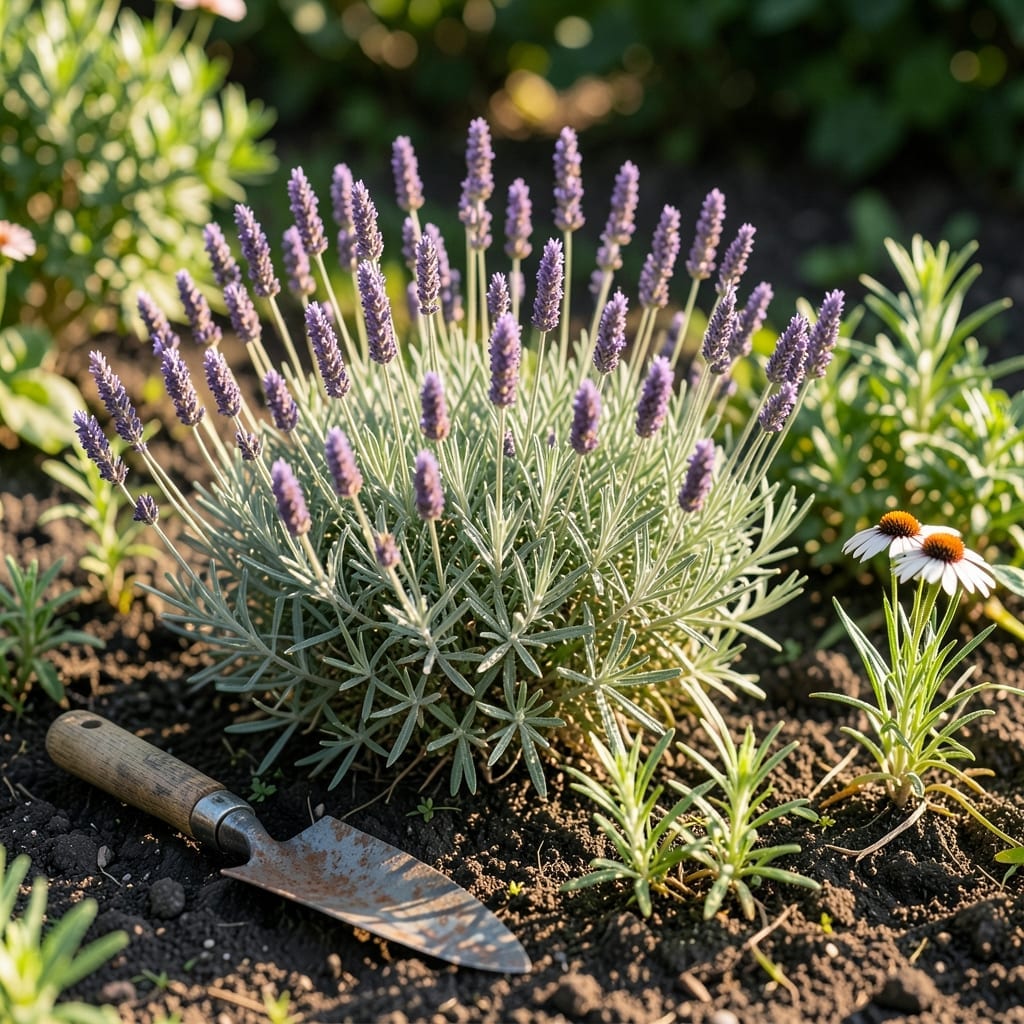
Lavender’s fragrant blooms and drought tolerance make it a garden favorite, but pairing it with the right companions can boost its growth. Discover the best plants to grow alongside 🌿 Lavender for a thriving, low-maintenance garden.
Choosing the right companions enhances beauty and function. These pairings can deter pests, attract pollinators, and create a stunning visual display.
From drought-tolerant perennials to pest-repelling herbs, the options are endless. Each companion brings unique benefits to your garden layout.
I’ll walk you through the top choices and why they work so well with Lavender. Let’s create a garden that’s both beautiful and practical.
Lavender thrives with companions that share its love for full sun and well-draining soil. I’ve found that grouping it with drought-tolerant plants creates a low-maintenance, stunning garden bed that requires minimal watering and care.
The best pairings enhance lavender’s beauty while providing pest control or pollinator support. These plants won’t compete for resources but instead create a harmonious, thriving ecosystem in your garden.
| Companion Type | Best Plants | Key Benefits |
|---|---|---|
| Drought-Tolerant Perennials | Russian Sage, Yarrow | Share sun and soil needs, reduce watering |
| Pollinator Attractors | Echinacea, Bee Balm | Boost bee and butterfly activity |
| Pest-Repelling Herbs | Rosemary, Thyme | Deter pests with strong scents |
| Ground Covers | Creeping Thyme, Sedum | Suppress weeds, add texture |
Russian Sage and Yarrow are perfect for pairing with lavender because they share the same sunlight and watering needs. These perennials create a cohesive look while keeping maintenance simple.
For pollinator support, I recommend Echinacea and Bee Balm. These vibrant flowers attract bees and butterflies, which help lavender thrive and add dynamic movement to your garden.
Rosemary and Thyme are my go-to herbs for pest control. Their strong aromas repel common garden pests while complementing lavender’s fragrance and growth habits.
If you want to fill gaps and suppress weeds, try Creeping Thyme or Sedum. These ground covers stay low, spread easily, and tolerate the same dry conditions as lavender.
Each of these companions brings something unique to the table. Whether it’s pest deterrence, pollinator attraction, or visual appeal, they all help create a balanced, thriving garden space.
With the right companions, your lavender will flourish, and your garden will become a vibrant, low-maintenance haven for pollinators and plant enthusiasts alike. ✂️
While lavender is a versatile plant, some companions simply don’t work. Moisture-loving plants like hostas or ferns will struggle because lavender thrives in dry, well-draining soil and full sun conditions.
Heavy feeders such as roses or vegetables may compete aggressively for nutrients. Lavender prefers low-fertility soil, so these pairings often lead to stunted growth for both plants.
⚠️ Avoid These Near Lavender
Lavender’s allelopathic effects can inhibit growth of sensitive plants like impatiens or coleus. Also avoid shade-loving plants that need consistent moisture.
Another group to avoid includes aggressive spreaders like mint. These can overrun your lavender patch and compete for space and resources, leading to a messy garden layout.
Plants with high water needs, such as hydrangeas, are also poor companions. Lavender’s drought tolerance means it won’t thrive with frequent watering, which these plants require.
Additionally, avoid planting lavender near acid-loving plants like azaleas or blueberries. Lavender prefers alkaline to neutral soil, while these need acidic conditions to flourish.
By steering clear of these incompatible pairings, you’ll ensure your lavender and its companions both grow healthily and look their best throughout the season. 🌿