
Beautiful Plants For Your Interior
Beautiful Plants For Your Interior
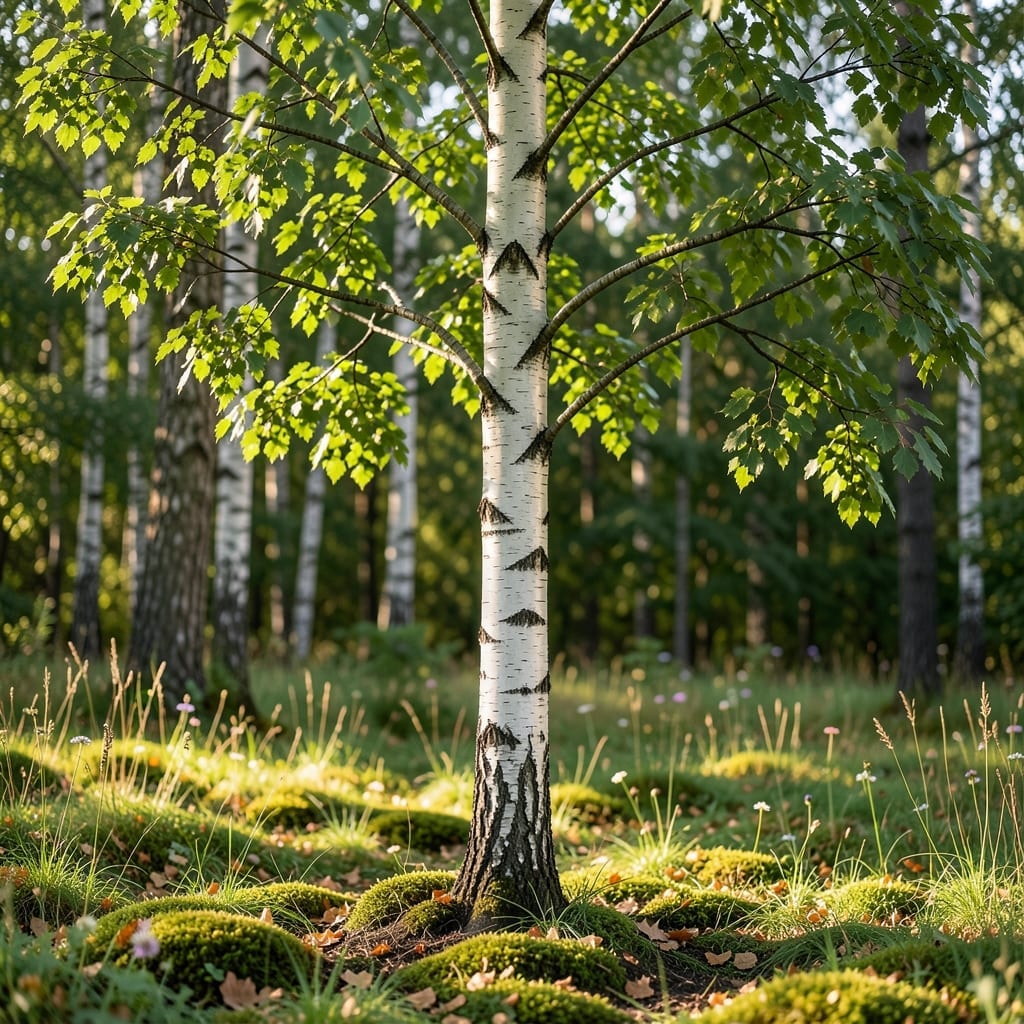
The white trees at the Genesis Open are typically white-barked birch trees, often paper birch or Himalayan birch, planted as striking ornamental features along the golf course.
I’ve always admired how these trees create such a vivid contrast against the green fairways. Paper birch is known for its peeling bark that reveals bright white layers, while Himalayan birch offers a slightly more textured appearance. Their placement isn’t random—they’re strategically positioned for both beauty and visibility on the course. ⚡
💡 In This Article
These striking trees belong to the Betula genus, with paper birch (Betula papyrifera) being the most common. Their signature white bark isn’t just for show—it’s a natural adaptation. The outer layer peels away in thin, papery sheets, revealing fresh white bark beneath that reflects sunlight to prevent overheating.
The Himalayan birch (Betula utilis) is another favorite at Genesis Open. Its bark stays smoother longer than paper birch, with a more uniform white color that almost glows in daylight. Both species thrive in cooler climates and can grow 50-70 feet tall with a 2-3 foot diameter trunk.
This height makes them perfect for golf course borders.
What makes their white bark so distinctive is its high betulin content—a compound that gives the bark its bright, reflective quality. In their natural habitat, these trees grow in forests near water sources, which is why they adapt so well to the irrigated environment of golf courses. 🌟
You’ll notice the bark isn’t pure white year-round. In summer, it may develop dark horizontal lines or lenticels (breathing pores). These markings create subtle patterns that add character without diminishing the tree’s striking visual impact against the green grass. ✨
Golf course designers choose these species not just for aesthetics but for their hardiness. They tolerate a range of soil types and resist many common pests, making them low-maintenance yet high-impact additions to the landscape. 🔥
Birch trees, like paper birch and Himalayan birch, are most known for their striking white bark. Their peeling outer layer reveals fresh white bark beneath, creating a beautiful contrast in landscapes.
White-barked trees provide natural contrast markers, helping golfers navigate the course. Their bright color stands out against green fairways, making them both functional and visually appealing.
Paper birch and Himalayan birch can reach 50-70 feet tall with a trunk diameter of 2-3 feet. This height makes them ideal for golf course borders and sight lines.
They need minimal upkeep compared to flowering species. Regular pruning maintains visibility, and their peeling bark naturally sheds debris, reducing cleaning needs.