
Beautiful Plants For Your Interior
Beautiful Plants For Your Interior
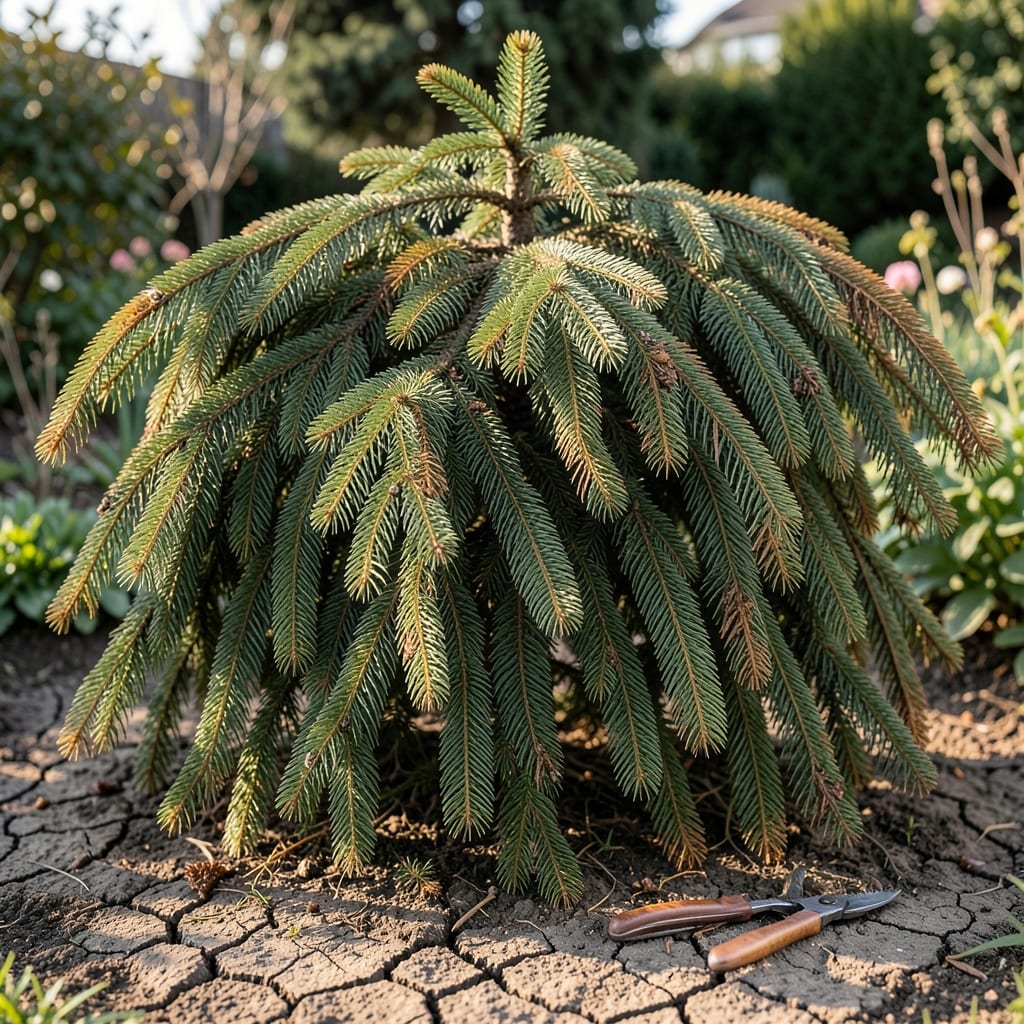
That first yellow needle on my weeping Norway spruce sent me into a panic. Turns out, needle drop isn’t always the end—it’s often your tree talking. I’ve learned the hard way that most issues trace back to just a few fixes.
Overwatering, poor drainage, or the wrong soil pH can turn those vibrant green branches sickly fast. And don’t overlook pests—spider mites love these trees. The solution? Check the roots, test the soil, and inspect closely.
With the right adjustments, your spruce can bounce back. I’ve seen trees recover in a few weeks once the stressor’s gone. The key is acting fast before damage spreads.
Prevention is simpler than you think. Consistent care and a watchful eye keep problems from starting. Here’s how to keep yours thriving for years.
The weeping appearance of Picea abies ‘Pendula’ often stems from a mix of environmental stress, disease, or cultural mismanagement. Below are the primary triggers, each with a clear mechanism and actionable insight.
Norway spruces, including weeping cultivars, thrive in cool, moist climates. When exposed to prolonged heat above 85°F (29°C) or drought, the tree’s vascular system struggles to transport water to the needles. This leads to desiccation, causing needles to turn yellow or brown and drop prematurely. The weeping habit exacerbates this, as the cascading branches are more exposed to sun and wind, increasing transpiration rates.
Fungi like Rhizosphaera kalkhoffii (a common cause of spruce needle cast) or Stigmina lautii infect needles, blocking their ability to photosynthesize. These pathogens thrive in wet, poorly ventilated conditions, often spreading via splashing water. Infected needles develop purplish-brown lesions before yellowing and shedding, which can create a “weeping” effect as branches lose foliage unevenly.
Compacted or waterlogged soils suffocate roots, reducing nutrient uptake. Conversely, nutrient-deficient soils (particularly low in magnesium or nitrogen) can cause chlorosis (yellowing) and needle drop. Weeping Norway spruces are especially sensitive to poor drainage, as their shallow root systems are prone to rot in soggy conditions, further weakening the tree.
Spruce spider mites (Oligonychus ununguis) and Spruce aphids pierce needle cells to feed, draining essential fluids. Their feeding damage manifests as stippling, yellowing, or bronzing of needles. Heavy infestations can defoliate branches, amplifying the tree’s drooping appearance. These pests thrive in hot, dry weather, often going unnoticed until damage is severe.
When your weeping Norway spruce shows signs of distress, quick and targeted action can restore its health. Below are practical solutions for the most common issues, paired with prevention tips to keep your tree thriving.
Fix: If the problem is nutrient deficiency, apply a slow-release, balanced fertilizer (10-10-10) in early spring or late fall. For overwatering or poor drainage, improve soil aeration by amending with compost or creating small drainage channels. If pests like spider mites are the culprit, spray with insecticidal soap or neem oil every 7–10 days until resolved.
Prevention: Test soil pH annually (aim for 6.0–7.0) and water deeply but infrequently—1–2 inches per week, including rainfall. Mulch with 2–3 inches of organic material to retain moisture without waterlogging.
Fix: Prune and remove infected branches immediately to prevent spread. Apply a copper-based fungicide in early spring before new growth emerges, and repeat every 2–3 weeks during wet seasons. Disinfect pruning tools with rubbing alcohol between cuts.
Prevention: Space trees at least 10–15 feet apart for airflow. Avoid overhead watering, and water in the morning so foliage dries quickly. Remove fallen debris around the base to reduce fungal spores.
Fix: For aphids, blast them off with a strong stream of water or apply horticultural oil. Bagworms can be handpicked (wear gloves!) or treated with Bacillus thuringiensis (Bt) spray. Repeat treatments as needed until pests are gone.
Prevention: Inspect your tree regularly, especially under branches. Encourage natural predators like ladybugs by planting companion flowers nearby. Apply dormant oil in late winter to smother overwintering eggs.
Fix: Deep-water stressed trees slowly at the drip line (not the trunk) to encourage deep root growth. Use shade cloth during extreme heat waves. For winter burn, wrap young trees in burlap and apply anti-desiccant sprays in late fall.
Prevention: Plant in a location with partial shade if your climate has harsh summers. Group trees with similar water needs to simplify care. Drought-tolerant varieties may be a better long-term choice for arid regions.
💡 Pro Tip: Always sterilize tools and clean up plant debris after pruning to avoid spreading disease. Healthy trees start with good hygiene!
Yellow needles often signal nutrient deficiency or overwatering. Test soil pH and adjust with magnesium or nitrogen if needed. Ensure soil drains well to prevent waterlogging.
Prune infected branches immediately and apply a copper-based fungicide every 2-3 weeks during wet seasons. Improve airflow by spacing trees 10-15 feet apart.
Yes! Spider mites and aphids drain needle fluids, causing discoloration. Use insecticidal soap or neem oil every 7-10 days until pests are gone.
Plant in partial shade and water deeply at the drip line. Use shade cloth during extreme heat and mulch with 2-3 inches of organic material.