
Beautiful Plants For Your Interior
Beautiful Plants For Your Interior
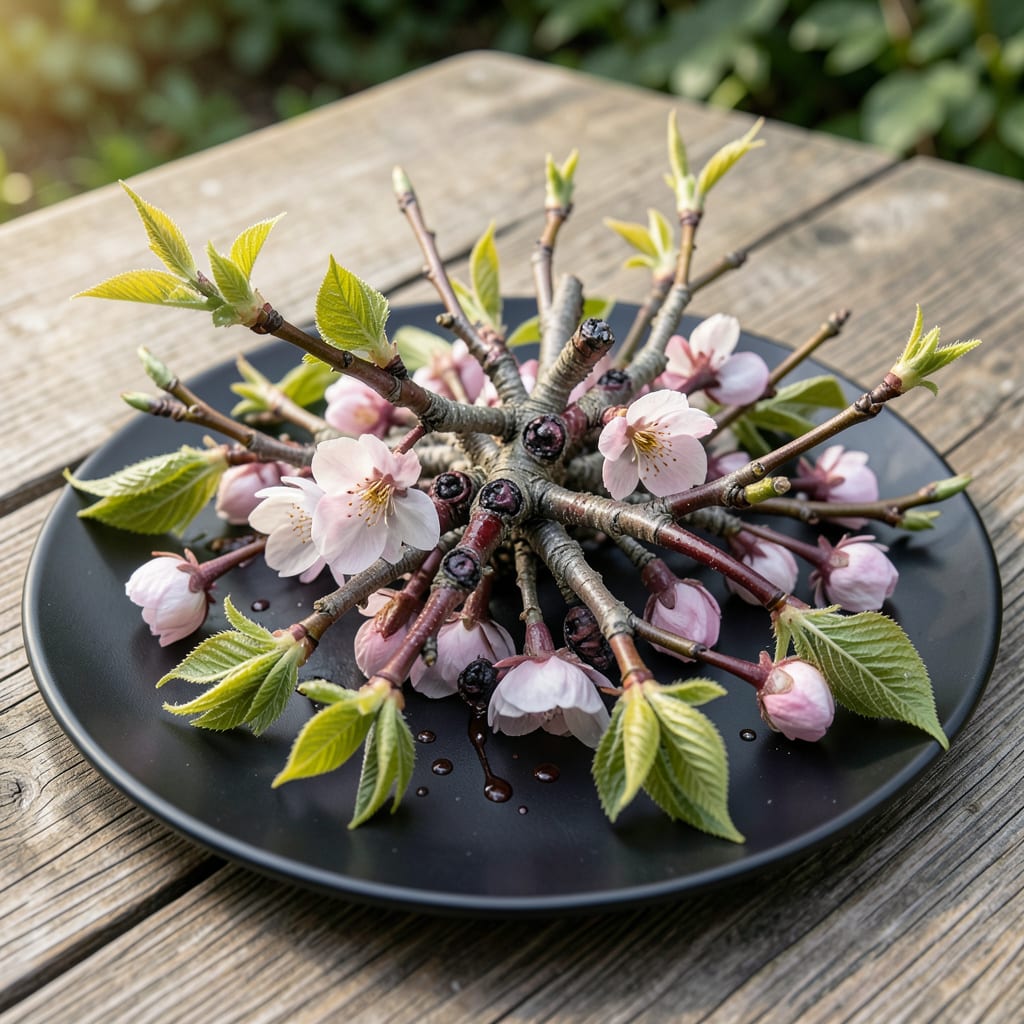
Nothing breaks a gardener’s heart like watching a weeping cherry’s delicate branches turn brown overnight. I’ve lost count of how many I’ve saved by catching the early warning signs—spotted leaves, oozing cankers, or sudden leaf drop.
The culprits are often the usual suspects: fungal infections, bacterial blight, or environmental stress. Most tree diseases start with poor air circulation or wet foliage, and weeping cherries are especially vulnerable because of their dense, trailing form.
With the right approach, you can stop the spread and even nurse your tree back to health. Early intervention is key—prune infected branches immediately, improve drainage, and apply targeted treatments before the damage becomes irreversible.
Prevention is simpler than cure. Keep the area clean, water at the base, and monitor for changes. A little attention now saves years of heartache later.
Weeping cherry trees, like all ornamentals, aren’t immune to health issues. Understanding why disease strikes is the first step toward prevention and cure. Below are the most common causes, each with a clear, science-backed explanation.
Fungi such as Botryosphaeria and Phytophthora thrive in moist, poorly drained conditions. These pathogens enter through wounds or stressed tissue, disrupting the tree’s vascular system. Overhead watering or dense canopies that reduce airflow create ideal breeding grounds.
Insects like aphids, borers, and scale weaken the tree by feeding on sap or boring into bark. Their damage creates entry points for secondary infections. Borers, for instance, tunnel under the bark, cutting off nutrient flow and making the tree more susceptible to fungal or bacterial invaders.
Extreme temperatures, drought, or waterlogged soil stress the tree, lowering its natural defenses. Weeping cherries prefer well-draining, slightly acidic soil (pH 6.0–7.0). When conditions deviate from this—such as compacted or alkaline soil—the tree’s roots struggle to absorb nutrients, leaving it vulnerable.
Improper pruning, over-fertilization, or planting in shaded, cramped spaces can invite disease. Pruning at the wrong time (e.g., during wet seasons) exposes fresh cuts to spores. Excess nitrogen promotes lush foliage at the expense of disease resistance, while crowded plantings limit airflow, fostering humidity-loving pathogens.
When your weeping cherry tree shows signs of disease, quick and targeted action can restore its health. Below are practical solutions mapped to common problems, along with prevention tips to keep your tree thriving.
If you notice dark spots or yellowing leaves, remove infected branches immediately with sterilized pruning shears. Dispose of the debris far from the tree to prevent reinfection. Apply a copper-based fungicide to the remaining foliage, following label instructions. Prevention tip: 💡 Improve air circulation by thinning dense branches and watering at the base to keep leaves dry.
Aphids, scale, or borers can weaken the tree, making it susceptible to disease. For mild cases, spray with neem oil or insecticidal soap. Severe infestations may require systemic insecticides. Prevention tip: 🎯 Encourage beneficial insects like ladybugs by planting companion flowers nearby.
Yellowing leaves and wilting often signal root rot from overly wet soil. Improve drainage by amending the soil with compost or sand. If the issue persists, treat with a fungicide labeled for root rot. Prevention tip: ✨ Avoid overwatering—let the top inch of soil dry out between waterings.
Oozing sores or sunken bark indicate bacterial canker. Prune affected areas 6 inches below the canker and sterilize tools between cuts. Disinfect the wounds with a 10% bleach solution. Prevention tip: 🌡️ Apply a protective horticultural oil in early spring to shield against bacteria.
Regularly inspect your tree for early signs of trouble, and act at the first hint of disease. A little care goes a long way in preserving its beauty!
Look for dark spots on leaves, powdery mildew, or wilting branches. Fungal issues often start with discolored or distorted foliage. Early morning dew on leaves increases risk, so inspect after wet periods.
Encourage natural predators like ladybugs and maintain tree health with proper watering. Apply neem oil preventatively every 2-3 weeks during growing season. Avoid over-fertilizing, which attracts pests.
Yes, waterlogged soil leads to root rot and weakens the tree’s defenses. Always check soil moisture 2 inches down before watering. Ensure good drainage by amending soil with compost.
Prune immediately when you spot disease, using sterilized tools. Cut 6 inches below visible damage and dispose of debris far from the tree. Never prune during wet weather.
