
Beautiful Plants For Your Interior
Beautiful Plants For Your Interior
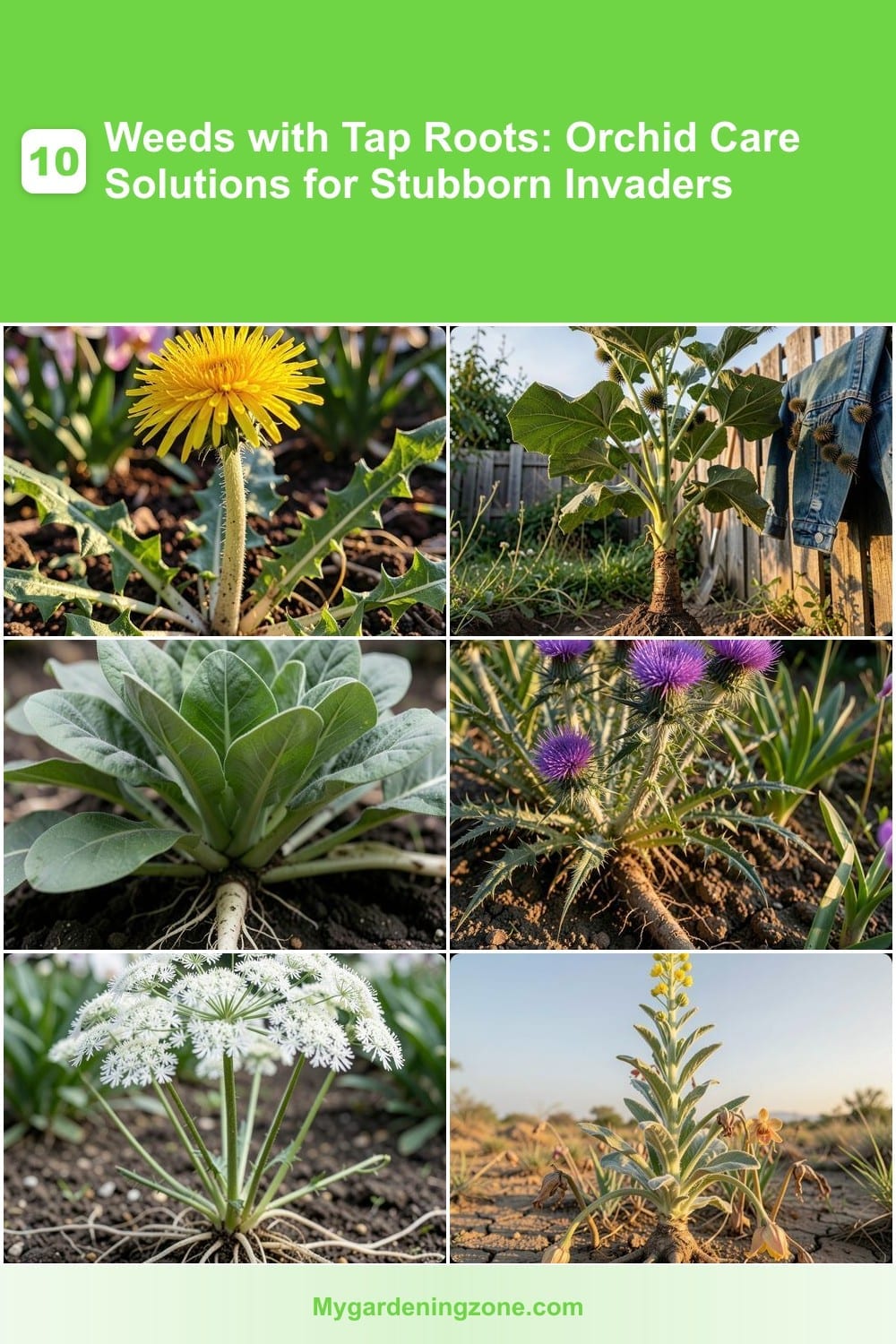
Struggling with deep-rooted weeds in your orchid garden? These ten taproot weeds are the toughest invaders, but with the right identification and removal strategies, you can reclaim your growing space and protect your delicate plants.
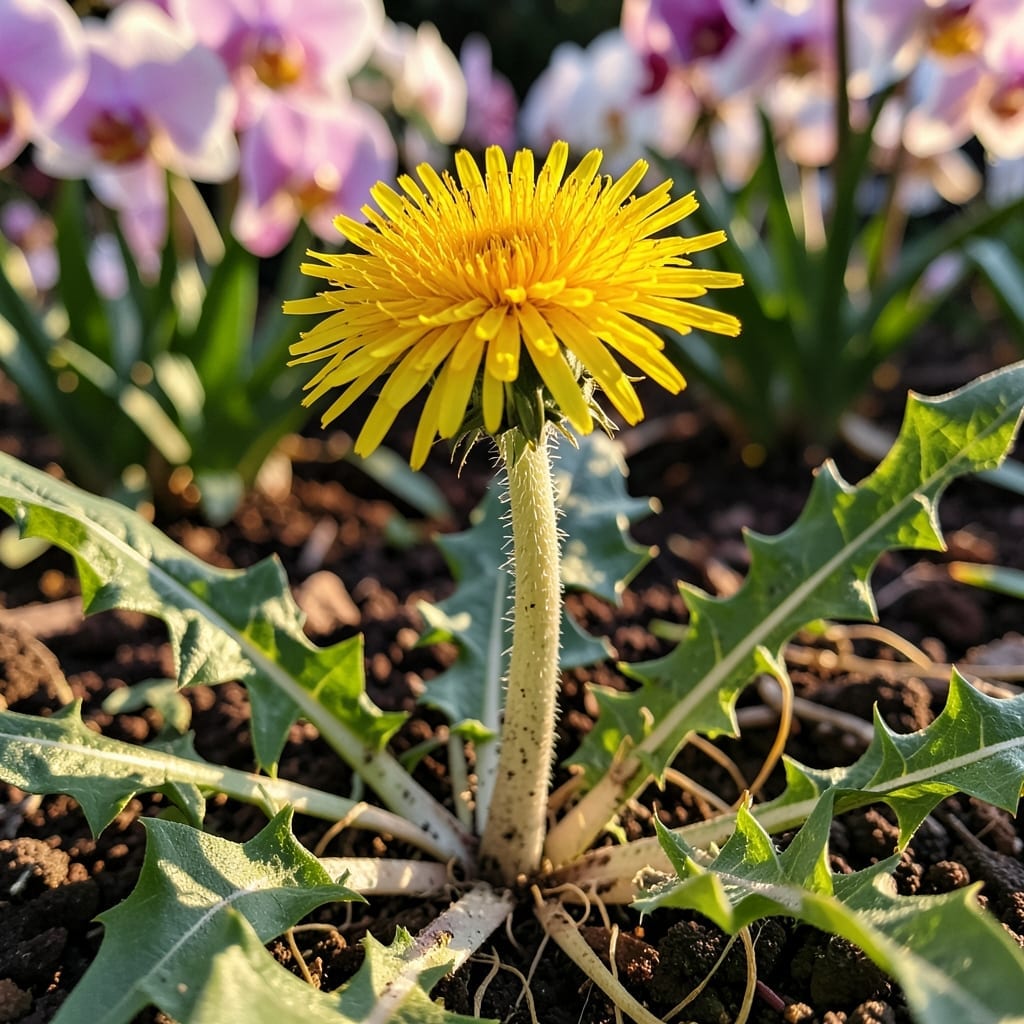
That cheerful yellow bloom in your orchid bed isn’t just a pretty face—it’s common dandelion, the most notorious taproot weed for gardeners. Its deep root system can extend 6-18 inches underground, making it a stubborn competitor for your orchids’ nutrients.
Each dandelion plant can produce up to 200 seeds from a single flower, spreading rapidly if left unchecked. The key to control is early removal before seeds form, using a weeding tool to extract the entire taproot. Orchid enthusiasts know this weed thrives in disturbed soil, so keep beds mulched. 🌱
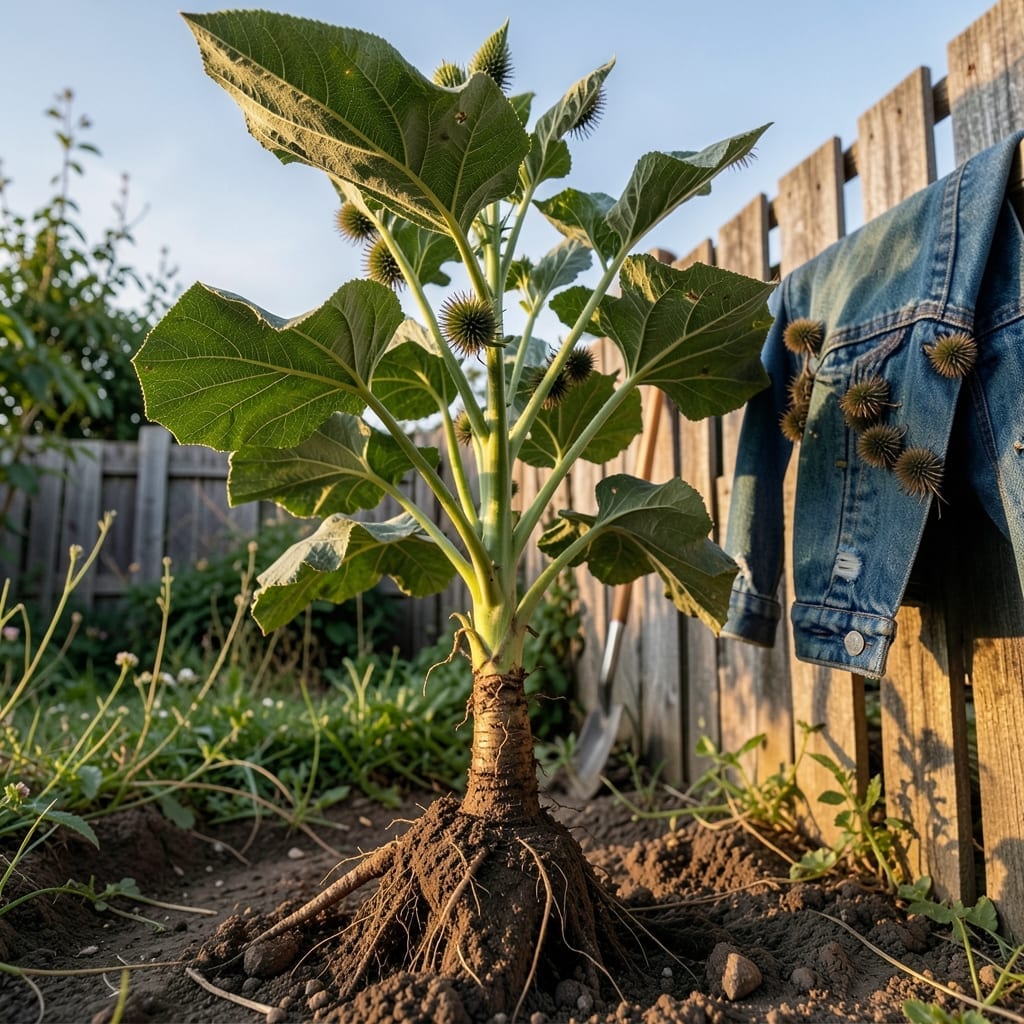
If you’ve ever pulled sticky burrs from your clothes after gardening, you’ve met burdock. This towering weed sports massive leaves and produces those infamous clinging seed heads, but its real challenge lies underground.
Its taproot can dive 2-3 feet deep, making hand-pulling nearly impossible without a tool. Even a small root fragment left behind can regrow into a new plant. Burdock thrives in disturbed soil and open areas, often outcompeting orchids for water and nutrients.
Gardeners battling this invader should dig deep and early—before those burrs spread to every corner of your space. 🌿
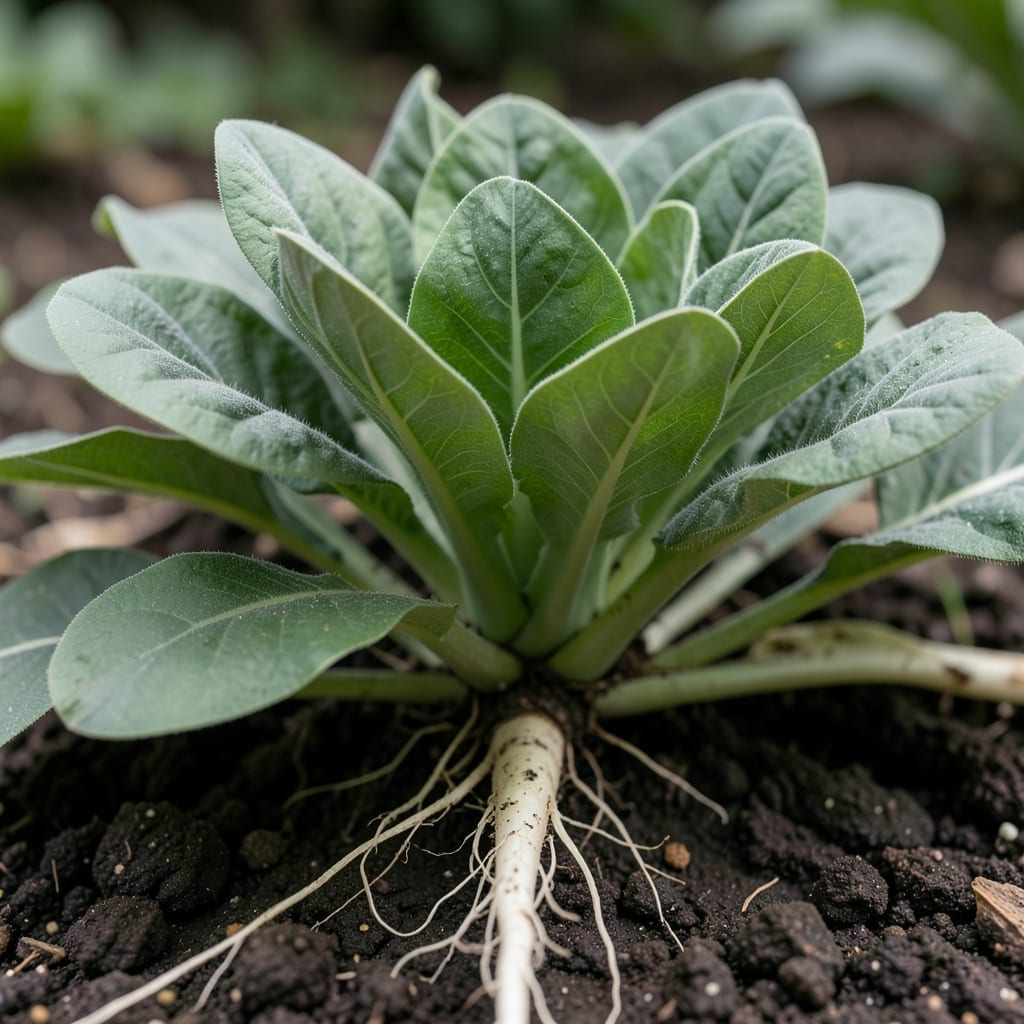
Don’t let its medicinal reputation fool you—broadleaf plantain is a wolf in sheep’s clothing for orchid growers. Its low, rosette form and wide leaves often earn it a pass from gardeners who assume it’s harmless or even helpful.
Beneath the soil, this weed develops a deep, fibrous taproot that aggressively saps moisture and nutrients from your orchids. Even worse, it thrives in the same well-draining conditions orchids love, making it a particularly stubborn competitor in shared beds.
For orchid enthusiasts, early removal is critical—dig deep to extract the entire root before it establishes a stronghold. 🌱
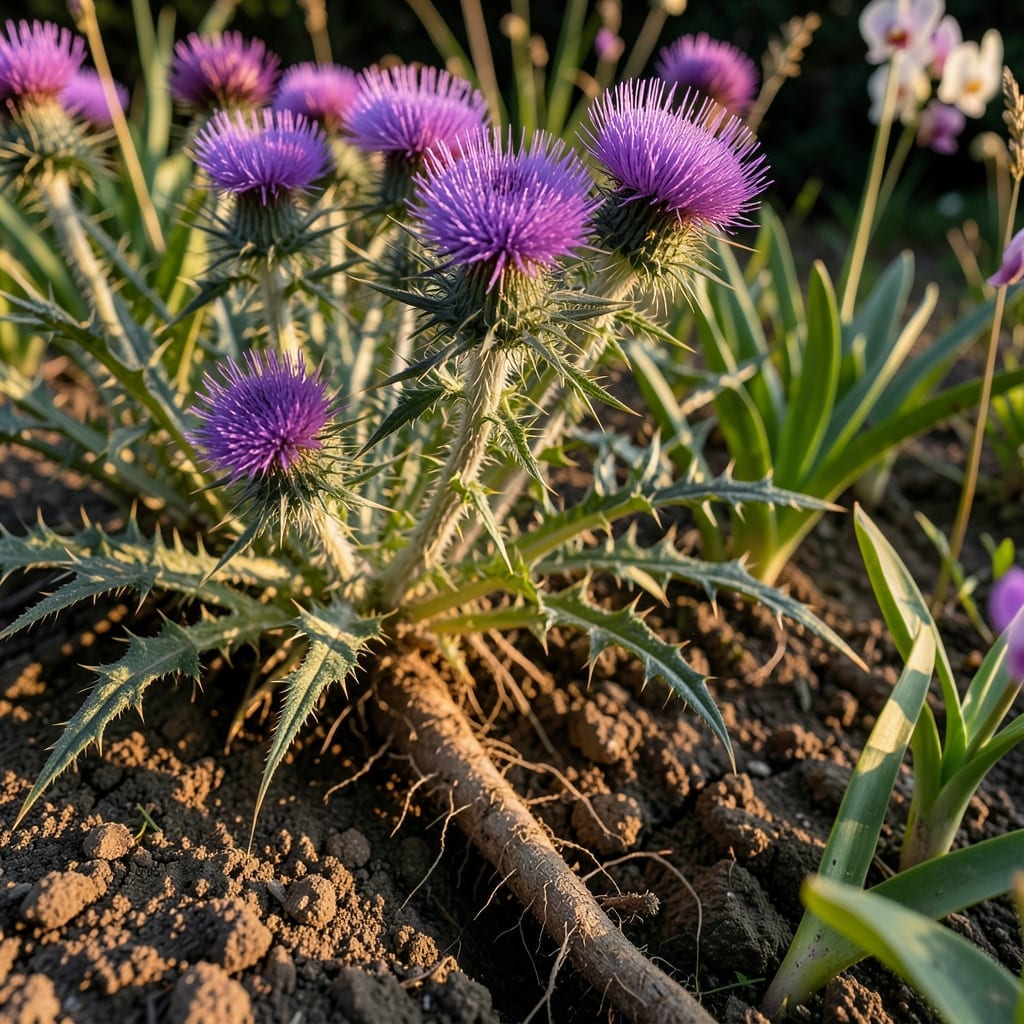
Those purple thistle blooms may look striking, but their spiny nature and deep taproots make them a nightmare in orchid gardens. Each plant can send roots 2-3 feet down, aggressively stealing water and nutrients from your delicate orchids.
Manual removal is tough—those spines protect the plant while the taproot anchors it firmly. Use thick gloves and a sharp tool to dig deep, ensuring you extract the entire root to prevent regrowth. Orchid beds are especially vulnerable to this invasive weed.
Act early, before thistle establishes a stronghold and crowds out your prized plants. 🌿
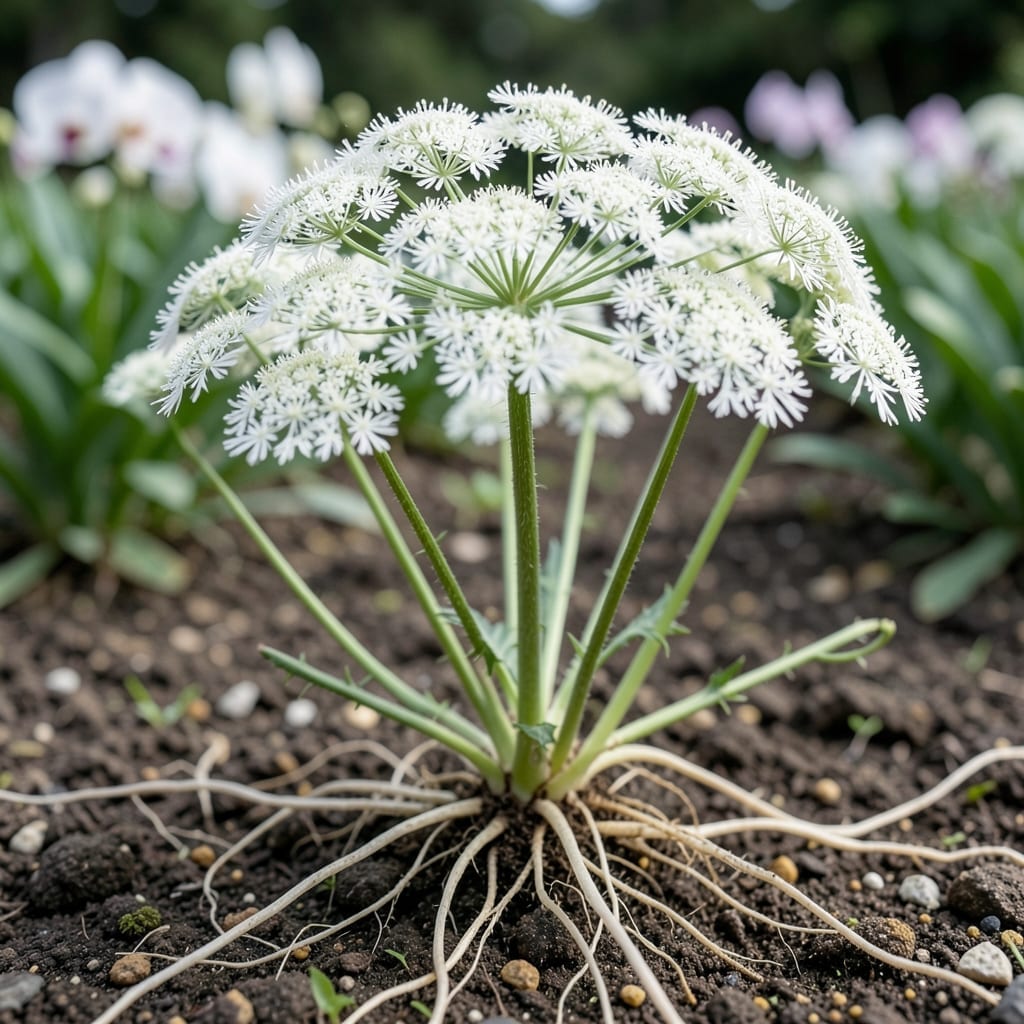
Those delicate white flower clusters of Queen Anne’s lace may look charming, but they’re a Trojan horse in your orchid beds. Beneath the lacy blooms lies a deep taproot system that spreads aggressively, stealing resources from your prized plants.
This weed thrives in the same well-draining soil orchids love, quickly overtaking planting areas if ignored. Early intervention is key—dig out the entire root before it establishes a stronghold. Even small fragments left behind can regrow.
Orchid growers should monitor beds closely for this deceptive invader. Regular weeding keeps your delicate flowers safe from its spreading grasp. 🌿
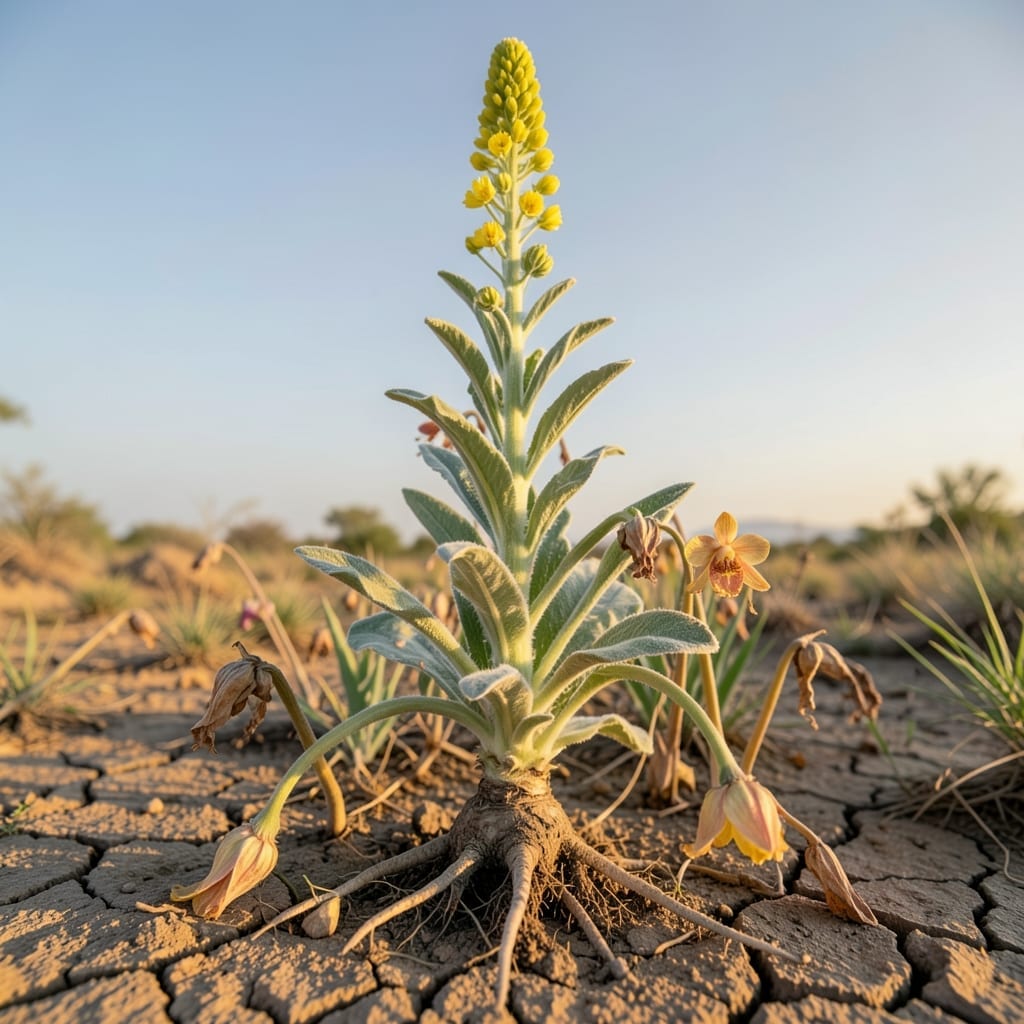
That towering mullein with its velvety leaves might look harmless, but its deep taproot gives it an unfair advantage in dry orchid beds. While your orchids wilt in drought, this woolly invader thrives, soaking up moisture with ease.
Its fuzzy foliage and yellow flower spikes can reach 5-6 feet tall, shading out delicate orchids below. The taproot often extends 1-2 feet deep, making hand-pulling difficult without the right tools. Early removal is key before it seeds and spreads.
Orchid growers in arid climates should prioritize removing this drought-resistant weed before it outcompetes their plants. 🌿
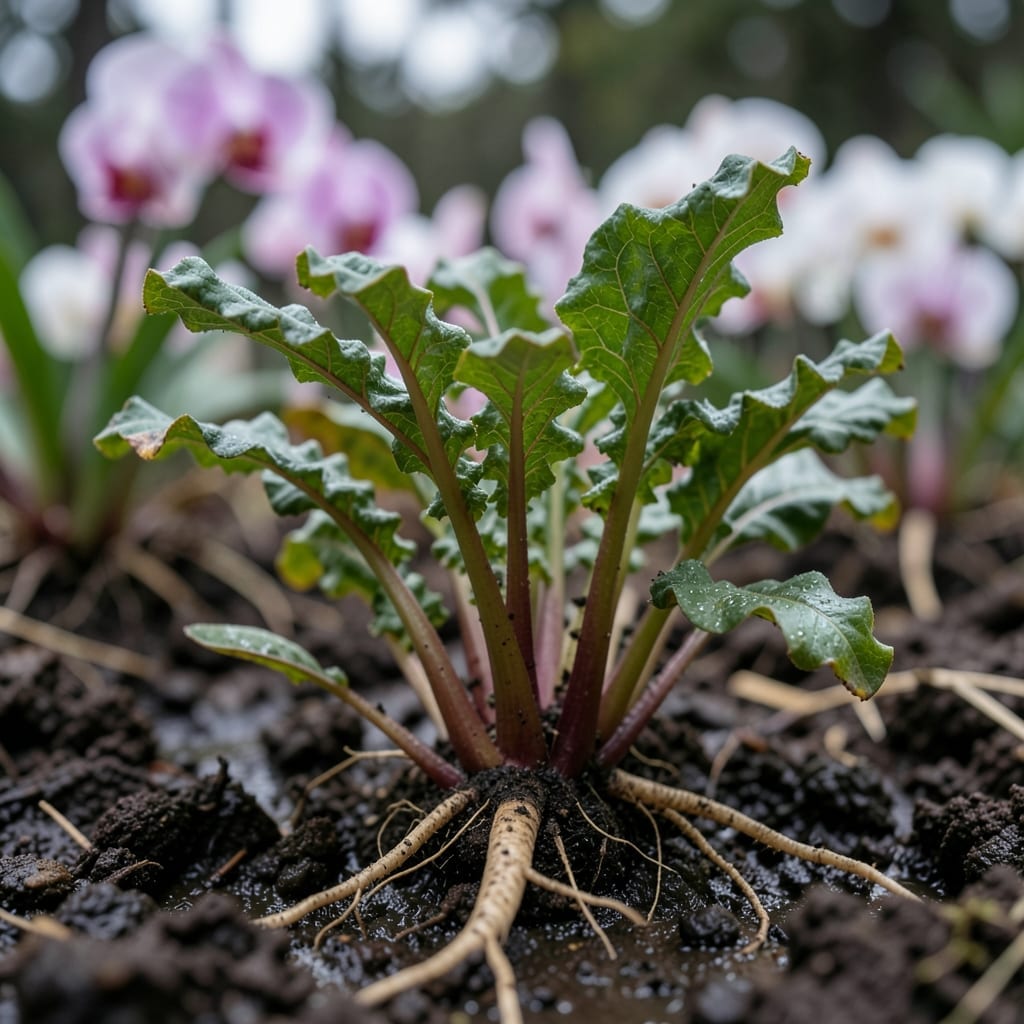
Those wavy-edged leaves of curly dock make it easy to spot in your orchid beds, but its real threat lies beneath the surface. This weed’s taproot can regrow from even the smallest fragments left in the soil, making incomplete removal a costly mistake.
Curly dock thrives in disturbed, moist soils—the same conditions many orchids love. To eliminate it, you’ll need to dig deep and remove the entire root system, as any leftover pieces will sprout anew. Regular monitoring is key to catching it early.
Orchid growers battling this persistent invader should prioritize thorough removal to prevent it from stealing nutrients from their delicate plants. 🌿
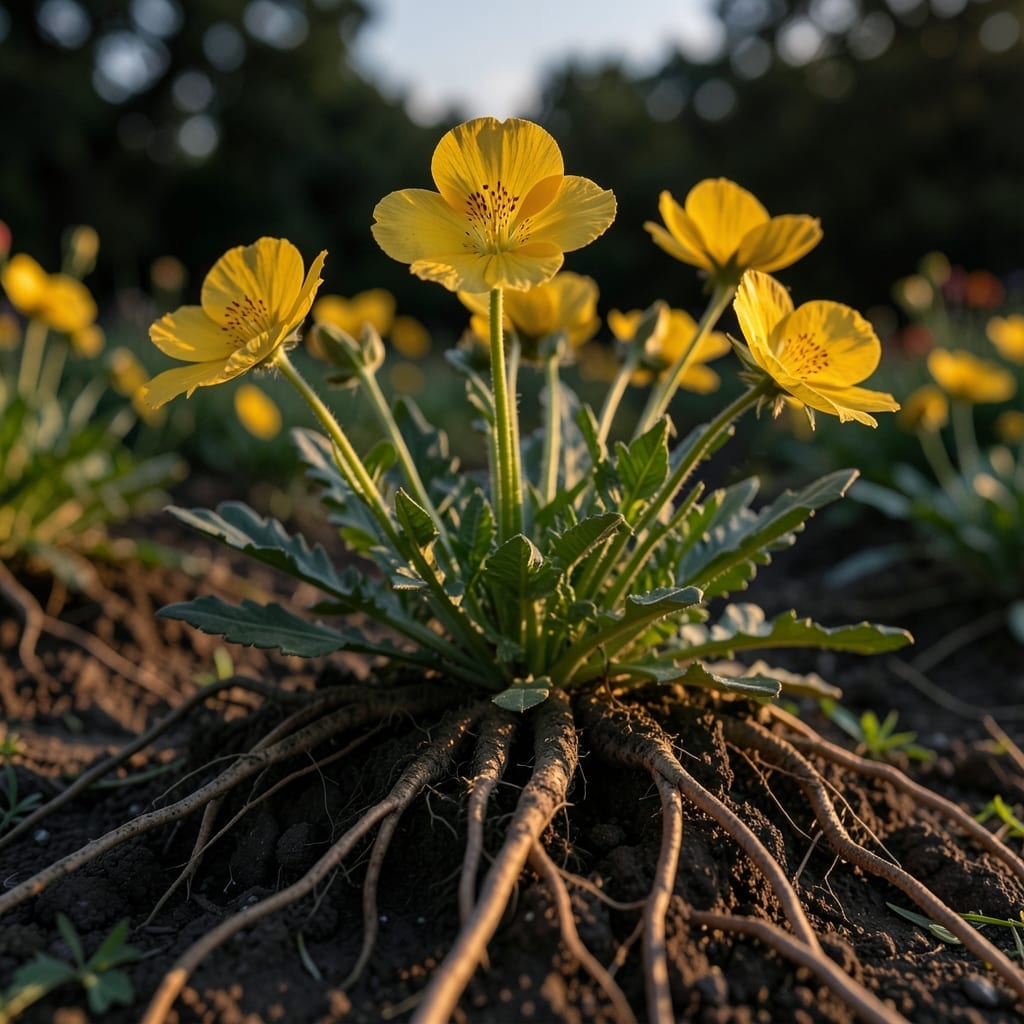
Those golden blooms of evening primrose may light up your garden at dusk, but don’t let its beauty distract you from its invasive nature. This plant’s charm hides a deep taproot system that can stretch far below the surface.
As it spreads, evening primrose aggressively competes for space and sunlight, often overshadowing and crowding out delicate orchids. Its roots are tough to remove completely, so early action is key—dig deep to prevent regrowth. Regular monitoring helps keep this invader in check.
Orchid lovers should stay vigilant to protect their prized plants from this deceptive competitor. 🌿
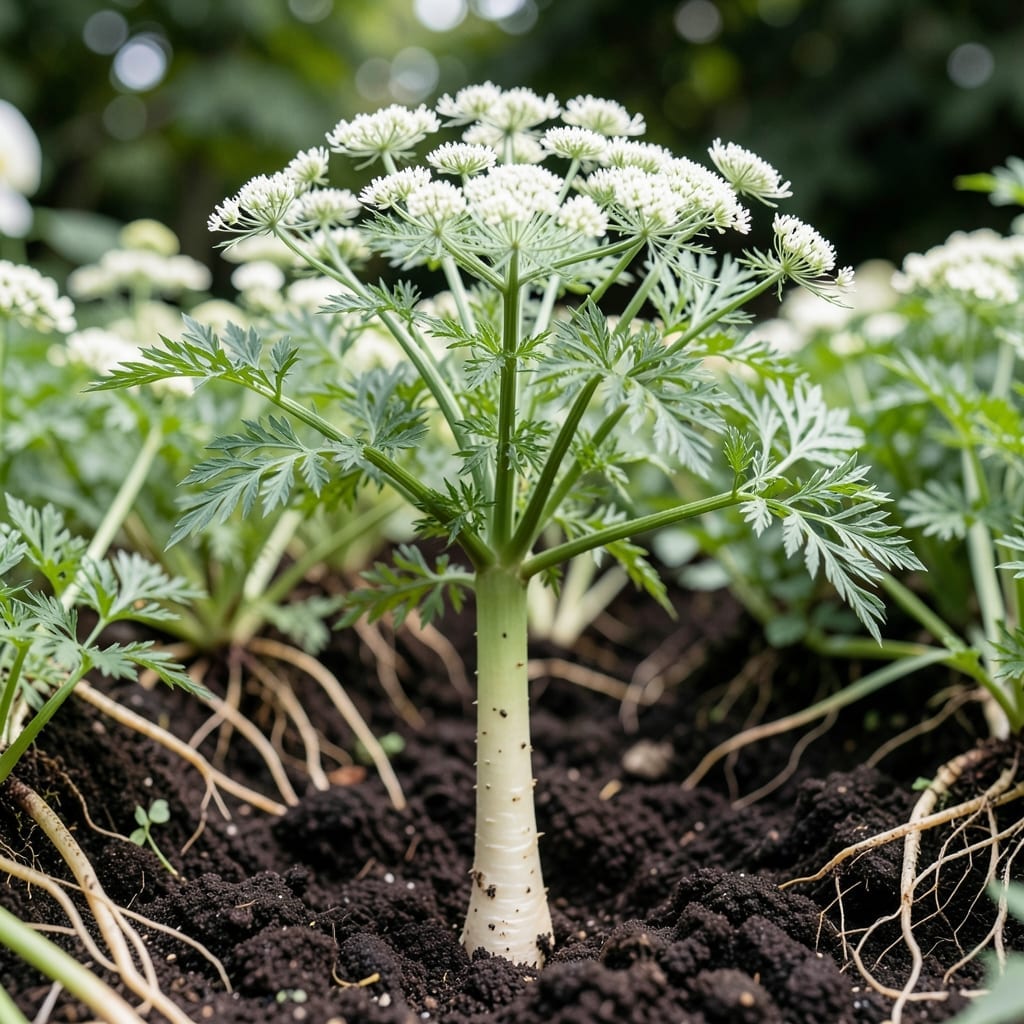
That lacy wild carrot with its delicate white blooms might look like a harmless wildflower, but it’s a silent saboteur in orchid beds. Its white taproot grows deep and can disrupt the delicate root systems of your orchids, stealing vital nutrients and space.
Unlike its cultivated cousin, wild carrot spreads aggressively and establishes quickly in disturbed soil. To protect your orchids, remove it early by digging out the entire taproot—any leftover fragments can regrow. Regular monitoring helps catch it before it takes hold.
Orchid growers should prioritize removing this deceptive invader to maintain healthy, thriving plants. 🌿
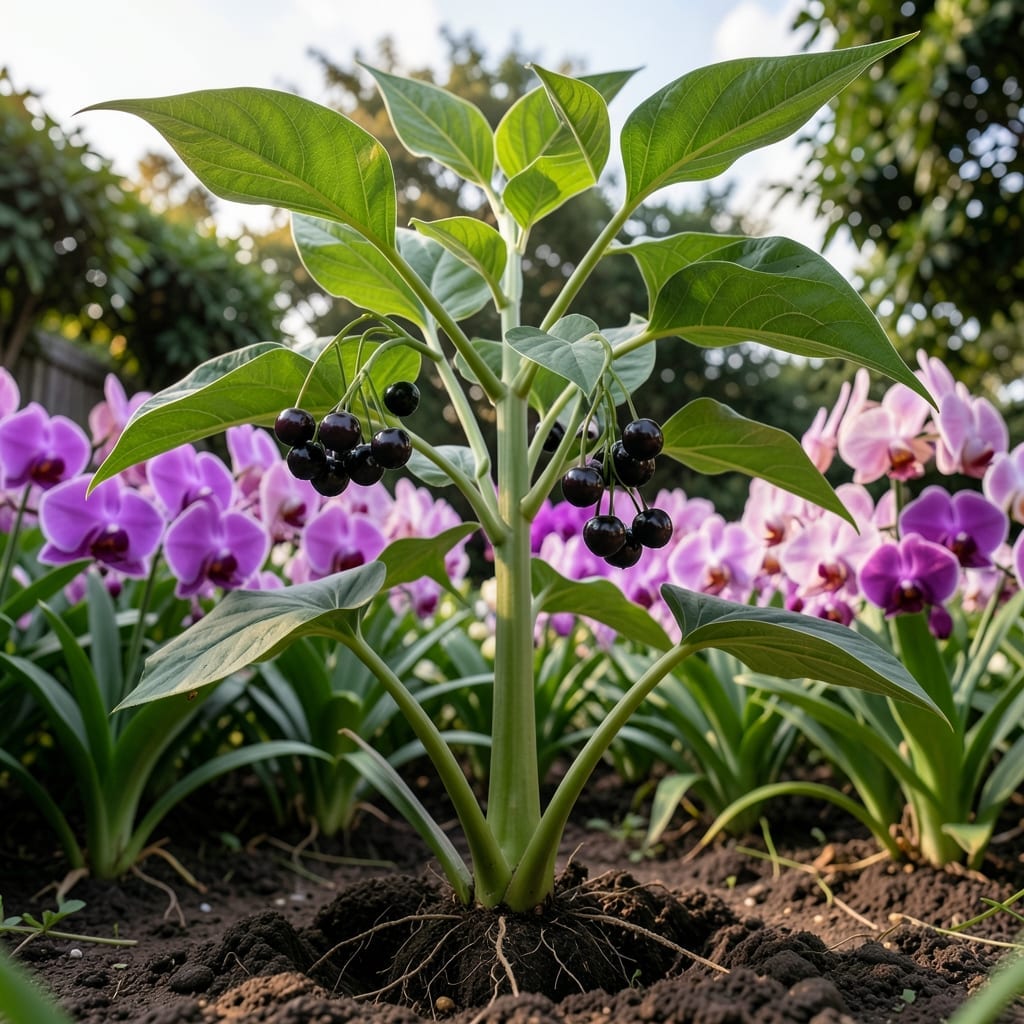
Those glossy dark purple berries hanging from smooth stems might catch your eye, but pokeweed is a silent invader in orchid gardens. Its fast-growing nature allows it to reach 4-10 feet tall in a single season, quickly overshadowing your delicate orchids.
Beneath the surface, its deep taproot can extend several feet, making removal a challenge. Even small root fragments left behind can regrow, so dig deep and early to prevent it from stealing nutrients from your orchids. This weed thrives in disturbed, fertile soil—the same conditions orchids love.
Orchid growers should monitor beds closely to catch pokeweed before it establishes a stronghold. 🌿