
Beautiful Plants For Your Interior
Beautiful Plants For Your Interior
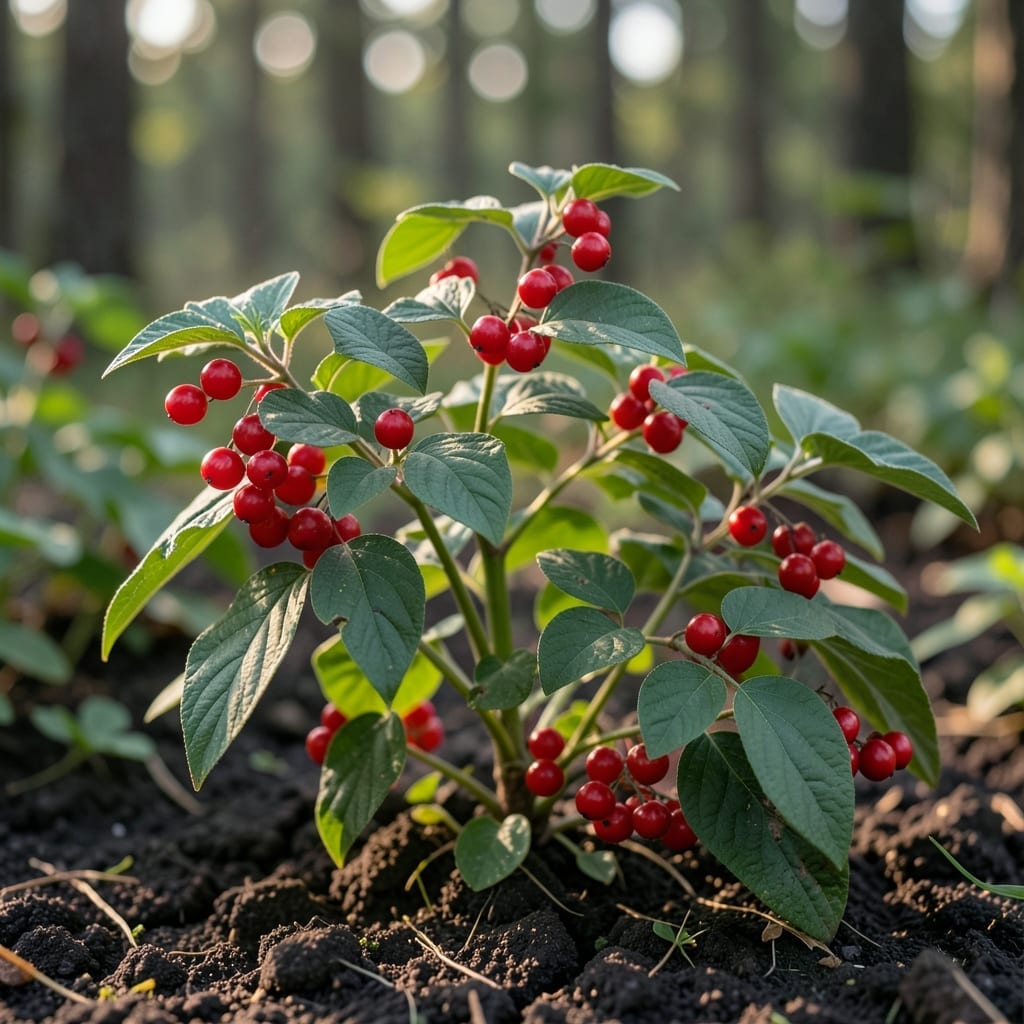
Those little red berries popping up in your garden aren’t just unsightly—they’re a warning sign. I’ve spent too many weekends battling these invaders, and I’ve learned that early identification saves hours of backbreaking work later.
Bittersweet nightshade and pokeweed are the usual culprits, spreading fast and choking out your prized plants. They thrive in disturbed soil and can quickly take over beds, borders, and even lawns if left unchecked.
Removal isn’t just about pulling what you see. You’ll need to dig deep to get the roots, or they’ll bounce right back. A simple weeding tool and persistence are your best allies here.
Prevention starts with healthy soil and thick mulch. Keep your garden dense with desired plants, and these berry-bearing pests won’t find space to move in.
Understanding why weeds with small red berries pop up in your garden or yard can help you prevent their growth. These plants thrive due to specific environmental and biological factors. Below are the most common causes:
Birds and small mammals often consume the berries of these weeds, then spread the seeds through their droppings. This natural process allows the plants to colonize new areas, especially in disturbed soils or open spaces. To minimize this, consider installing bird feeders away from garden beds to reduce seed deposition.
Weeds with red berries often take root in disturbed soil, such as areas that have been tilled, dug up, or compacted. Construction sites, gardens, or even foot traffic can create ideal conditions for their seeds to germinate. Mulching bare soil can help suppress their growth by blocking sunlight.
Some berry-producing weeds, like Solanum species, thrive in moist environments. Overwatering or poor drainage can create the perfect habitat for these plants. Ensure your garden has proper drainage and avoid over-saturating the soil to discourage their spread.
These weeds often appear in areas where other plants are sparse or weak. Thin lawns, bare patches, or gardens with minimal ground cover provide open space for them to establish. Planting dense ground covers or maintaining a healthy lawn can outcompete these invasive plants.
Dealing with weeds that produce small red berries can be frustrating, but the right approach makes all the difference. Below are practical solutions tailored to common causes, along with prevention tips to keep them from coming back.
Pull weeds by hand or use a weeding tool to remove the entire root system. This works best when the soil is moist. Prevention tip: Apply a 2-3 inch layer of mulch to suppress new growth. 💡
For widespread issues, use a selective herbicide labeled for broadleaf weeds. Spot-treat to avoid harming nearby plants. Prevention tip: Reapply pre-emergent herbicide in early spring to stop seeds from sprouting. 🎯
Install netting or row covers over vulnerable areas to block birds from dropping seeds. Prevention tip: Regularly rake or till the soil to disrupt seed germination. ✨
Overseed thin lawns and aerate compacted soil to crowd out weeds naturally. Prevention tip: Maintain proper mowing height (3-4 inches) to shade out weed seedlings. 🌱
For persistent problems, combine methods—like hand-pulling + mulching—for best results. Consistency is key to a weed-free space!
No, many berries on weeds like bittersweet nightshade or pokeweed are toxic. Avoid contact, especially with children or pets nearby. Wear gloves when handling and wash hands thoroughly afterward.
Apply a 2-3 inch layer of mulch to block sunlight and disrupt seed germination. Regularly inspect your garden and remove new growth immediately to stop the cycle.
A hori-hori weeding knife or dandelion digger works well for deep roots. For large areas, a stand-up weeder saves time and reduces back strain.