
Beautiful Plants For Your Interior
Beautiful Plants For Your Interior
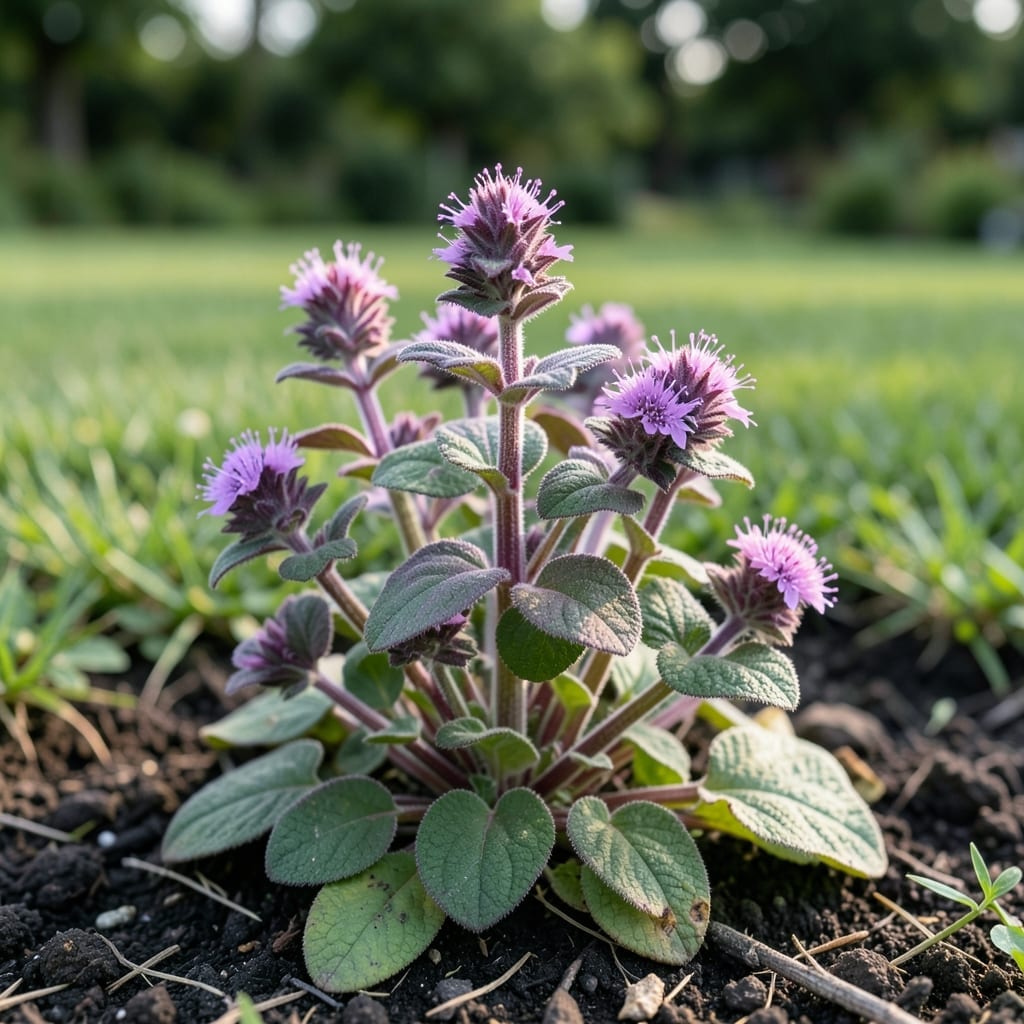
That splash of purple in your lawn isn’t a gift. I learned the hard way that many purple weeds are invasive nightmares waiting to take over your entire garden.
Identifying them early makes all the difference—henbit, purple deadnettle, and wild violets look harmless until they’re everywhere. Each has distinct leaves and growth patterns that give them away before they flower.
Natural removal works best when you catch them young. A simple vinegar solution or consistent pulling can stop the spread. For tough cases, targeted herbicides save hours of backbreaking work.
Prevention beats treatment every time. Healthy lawns and proper mulching create conditions where these invaders can’t get a foothold. Here’s how to keep them out for good.
Purple weeds can pop up in your garden or lawn for several reasons, often tied to environmental conditions or biological factors. Below are the most common causes, explained in simple yet precise terms.
Many weeds with purple foliage or flowers, like purple deadnettle or henbit, thrive in nitrogen-deficient soils. When soil lacks sufficient nitrogen, these plants adapt by producing anthocyanins—the pigments responsible for their purple hue. Actionable tip: Test your soil and amend it with organic compost or nitrogen-rich fertilizers to discourage their growth.
Excessive or inconsistent moisture can trigger pigment changes in certain weeds. For example, purple nutsedge often appears in waterlogged areas, where its roots outcompete other plants. Conversely, drought-stressed weeds may also turn purple as a survival mechanism. Actionable tip: Improve drainage in soggy spots and maintain consistent watering to stabilize soil conditions.
Some purple weeds, such as wild violets, flourish in partial shade but develop deeper purple tones in full sun due to increased anthocyanin production. This pigment acts as a natural sunscreen, protecting the plant from UV damage. Actionable tip: Adjust landscaping to limit sun exposure in areas where you want to suppress these weeds.
Purple flowers are highly visible to pollinators like bees, which is why weeds like clover or thistle evolve this trait. Their bright color signals a rich nectar source, ensuring their spread. Actionable tip: Encourage pollinator-friendly alternatives (e.g., native flowers) to outcompete invasive purple weeds.
Dealing with purple-tinged weeds in your garden doesn’t have to be a losing battle. Here’s how to tackle the most common invaders with practical, actionable steps.
For small patches of purple deadnettle or henbit, pull them by hand or use a weeding tool to extract roots. Best time: early spring before they seed. Prevention tip: 💡 Mow high (3–4 inches) to shade the soil and block new growth.
If purple looseestrife or wild violet are creeping into flower beds, lay down a 2–3 inch layer of mulch. For stubborn areas, use cardboard or landscape fabric to smother them. Prevention tip: 🎯 Reapply mulch annually to keep soil covered.
For widespread purple nutsedge, apply a post-emergent herbicide labeled for broadleaf weeds. Spot-treat to avoid harming nearby plants. Prevention tip: ✨ Improve drainage—nutsedge thrives in soggy soil.
For aggressive spreaders like purple loosestrife, dig out roots entirely. Check local regulations—some areas require reporting. Prevention tip: 🌡️ Plant native species to outcompete invaders naturally.
Consistency is key! Combine methods for long-term control and a weed-free garden.
Purple hues often come from anthocyanins, pigments produced when plants face stress like nutrient deficiencies or UV exposure. Common in nitrogen-poor soils or full sun areas.
No! Many beneficial flowers like lavender or salvia have purple blooms. True weeds are aggressive, unwanted plants that spread rapidly and compete with desired vegetation.
Early spring before they seed is ideal. Pull by hand when soil is moist for easier root removal. For herbicides, apply on dry, calm days for maximum effectiveness.
A 2-3 inch mulch layer blocks light and suppresses growth, but won’t stop determined spreaders like purple nutsedge. Combine with other methods for best results.