
Beautiful Plants For Your Interior
Beautiful Plants For Your Interior
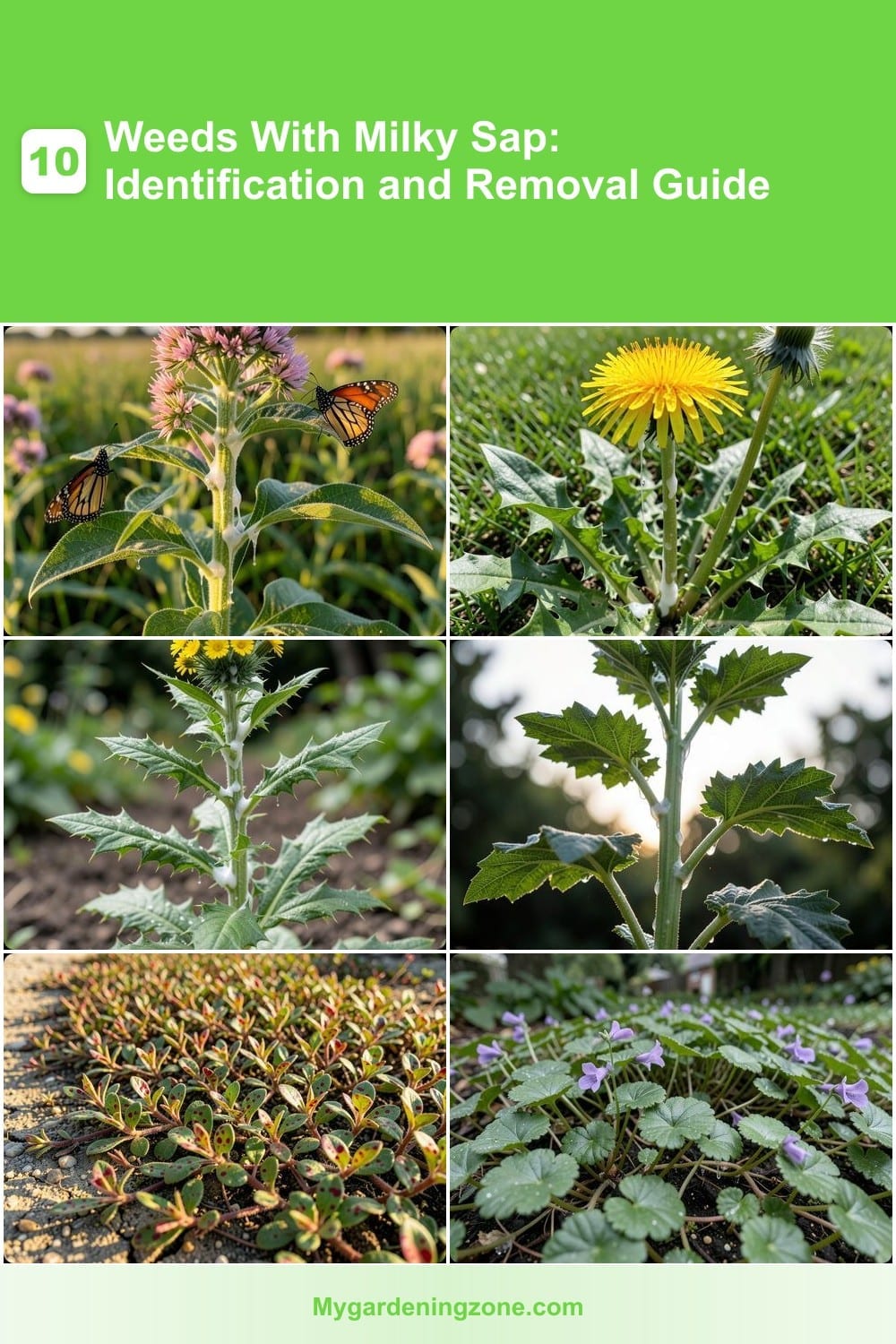
Struggling with mysterious weeds oozing white liquid when cut? This guide covers 10 common weeds with milky sap, helping you identify and remove them from your garden before they spread uncontrollably.
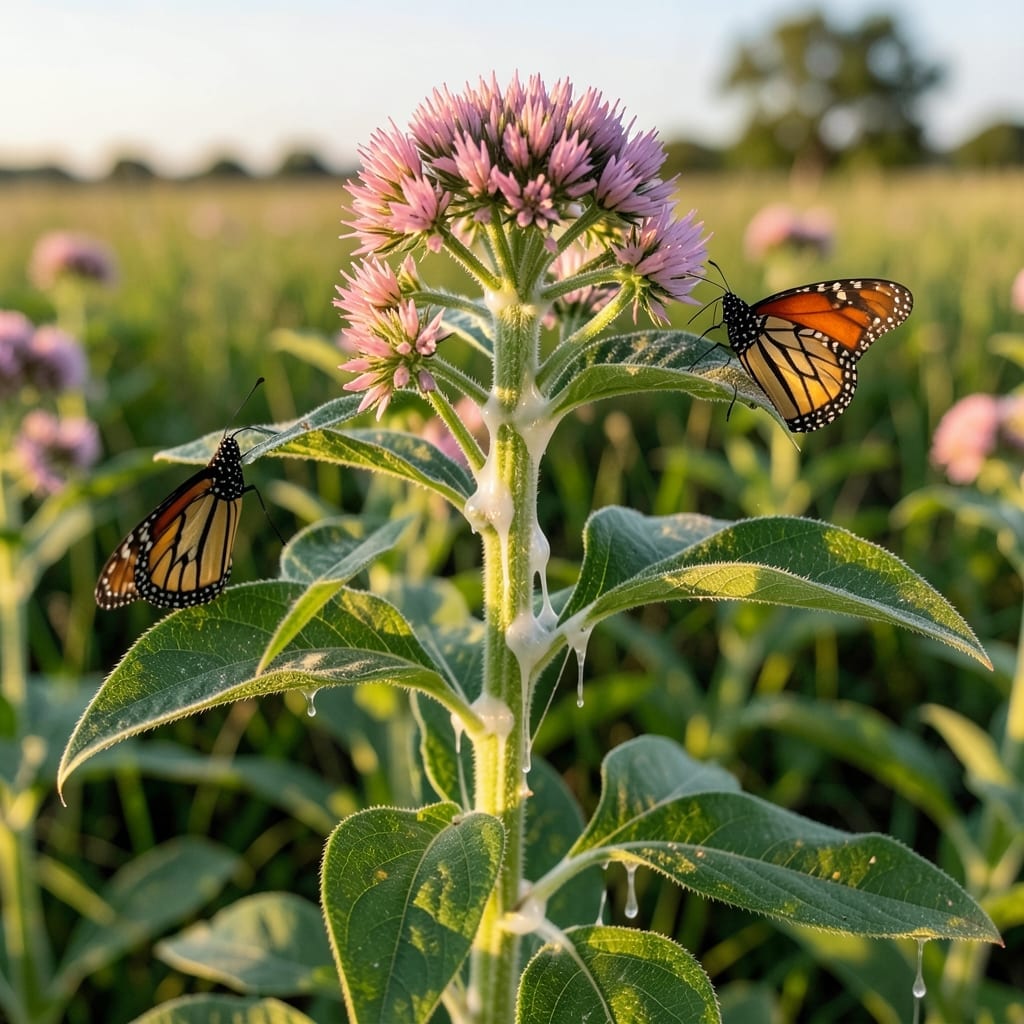
Butterfly lovers adore common milkweed for its role as a monarch host plant, but its aggressive spread makes it a nuisance in farm fields. You can spot it by its broad, oval leaves and distinctive pink flower clusters that bloom in summer.
When broken, stems release the signature white sap shared by many weeds in this family. It thrives in full sun and well-drained soil, often forming large colonies through underground rhizomes. This hardy perennial reaches 2-4 feet tall with a bushy habit.
Perfect for pollinator gardens but requires control in agricultural areas. Its dual nature means you’ll want to contain it carefully. 🌿
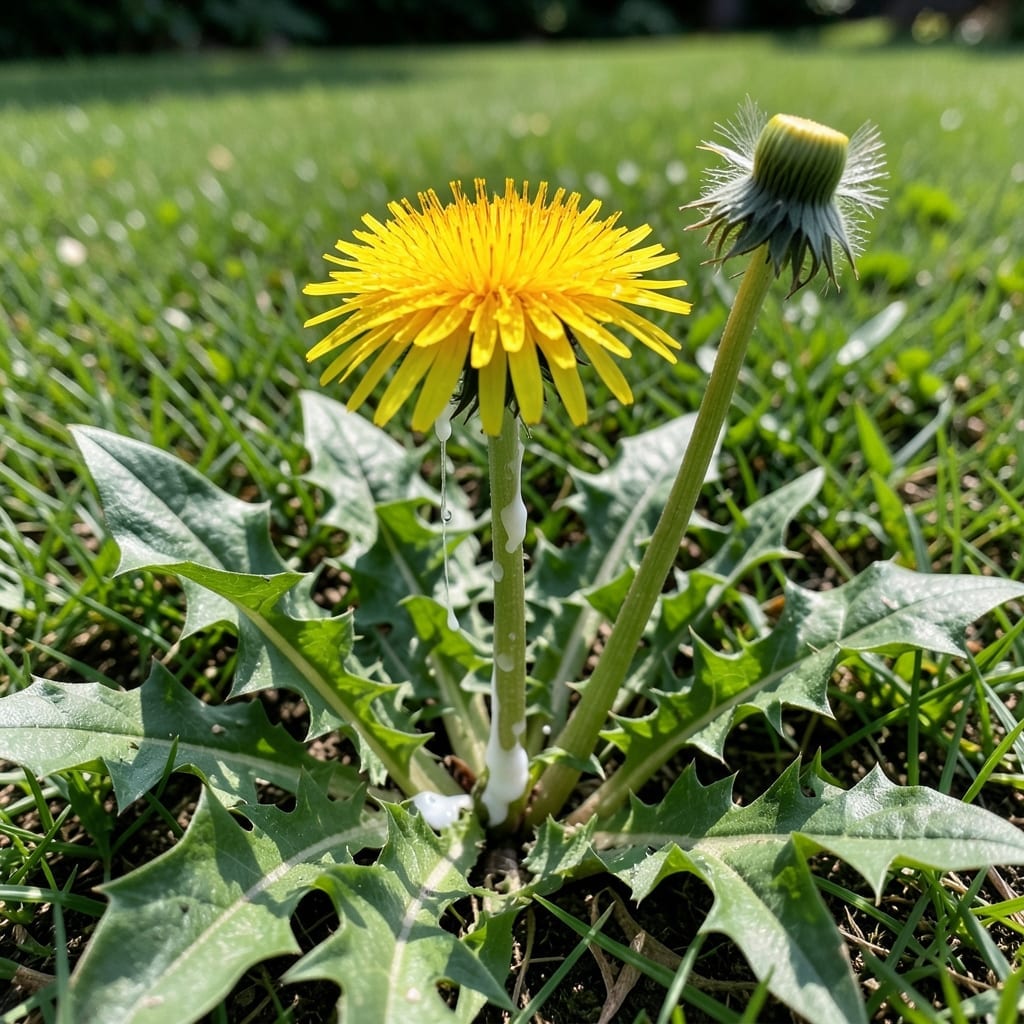
That bright yellow bloom in your lawn is likely a dandelion, the most common weed with a telltale sign: snap its stem and watch the white sap ooze out. Its jagged leaves and cheerful flowers make it easy to spot, but don’t be fooled by its charm.
Each dandelion can produce thousands of windborne seeds, spreading rapidly across your yard. The milky sap acts as a defense mechanism, deterring some pests but making removal messy. Pull it early before it seeds to prevent a lawn takeover.
Ideal for beginners to identify but a persistent foe for those seeking a pristine lawn. 🌼
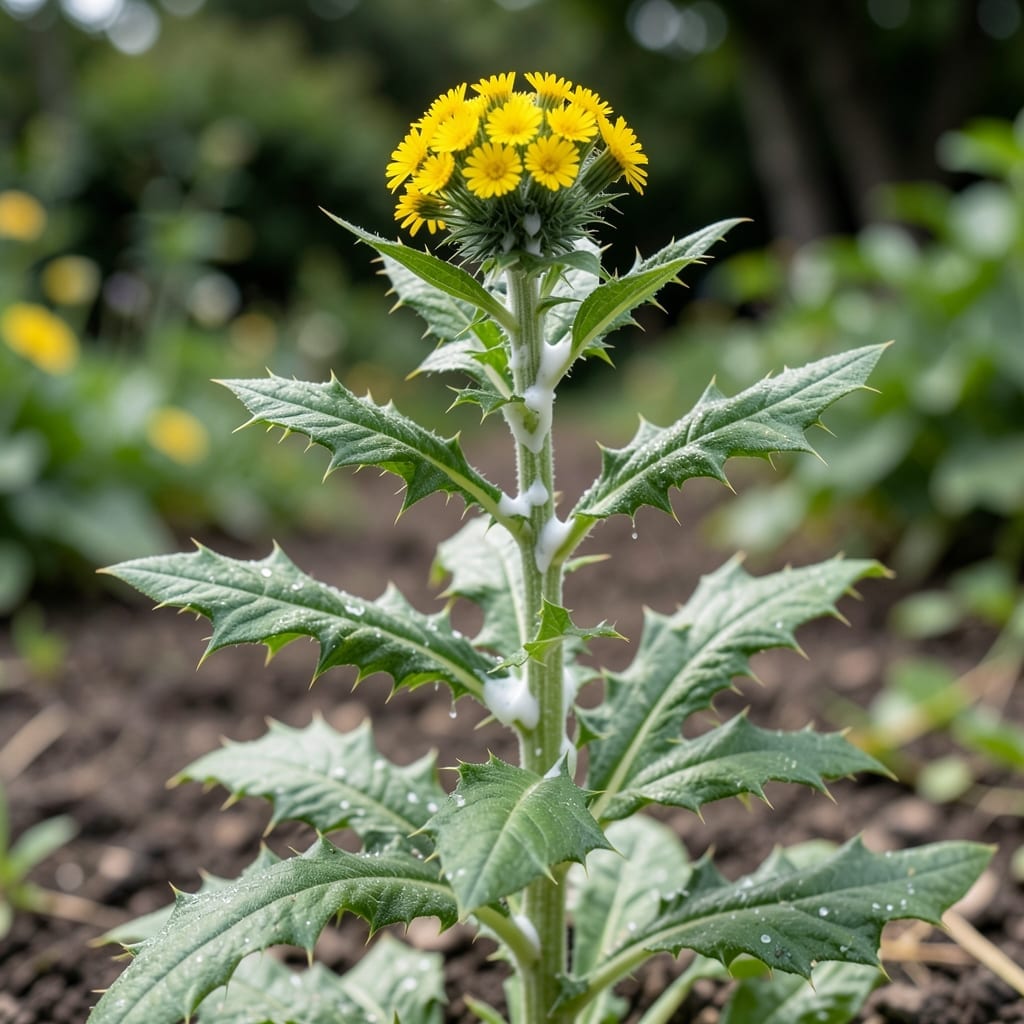
Don’t let its lettuce-like leaves fool you—sow thistle is a garden invader with a sharp defense. This aggressive weed produces cheerful yellow flowers and releases a telltale milky sap when stems or leaves are damaged, making it easy to identify once you know what to look for.
It grows rapidly, often reaching 3-5 feet tall, and thrives in disturbed soils, crowding out desirable plants. The sap can cause skin irritation for sensitive gardeners, so wear gloves when handling.
Watch for its spiny leaves and deep taproot, which make removal challenging. Early intervention is key to keeping this weed from taking over. 🌱
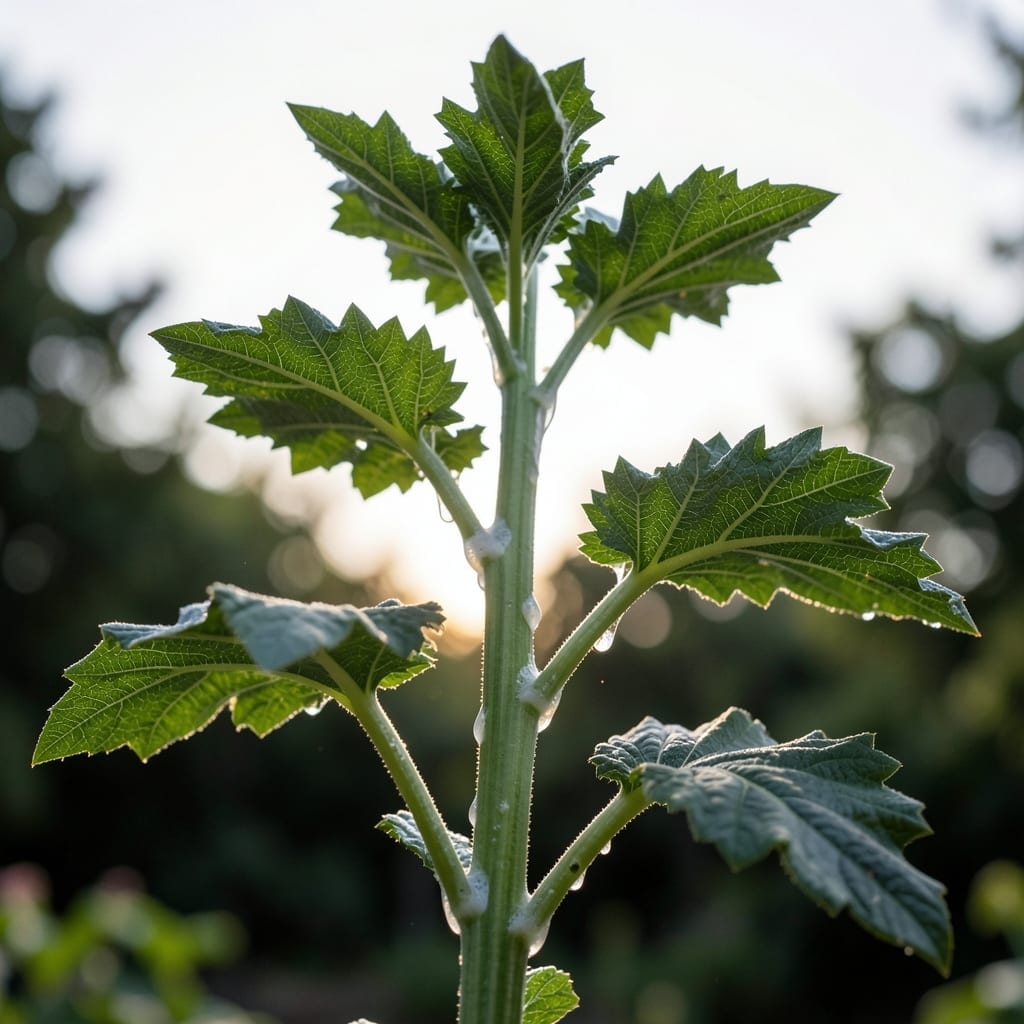
At first glance, wild lettuce looks like its edible cousin you’d find in a salad, but one taste reveals the truth. Its bitter flavor and the white, milky sap that oozes from broken stems or leaves are dead giveaways this isn’t your garden variety lettuce.
This tall, upright plant features serrated leaves and small yellow flowers, often growing in disturbed soils at forest edges or roadsides. Unlike cultivated lettuce, it thrives in poor conditions and can reach heights of 3-7 feet, making it stand out in wild landscapes.
For foragers and gardeners, always confirm identification before handling—its sap can cause mild skin irritation. 🌿
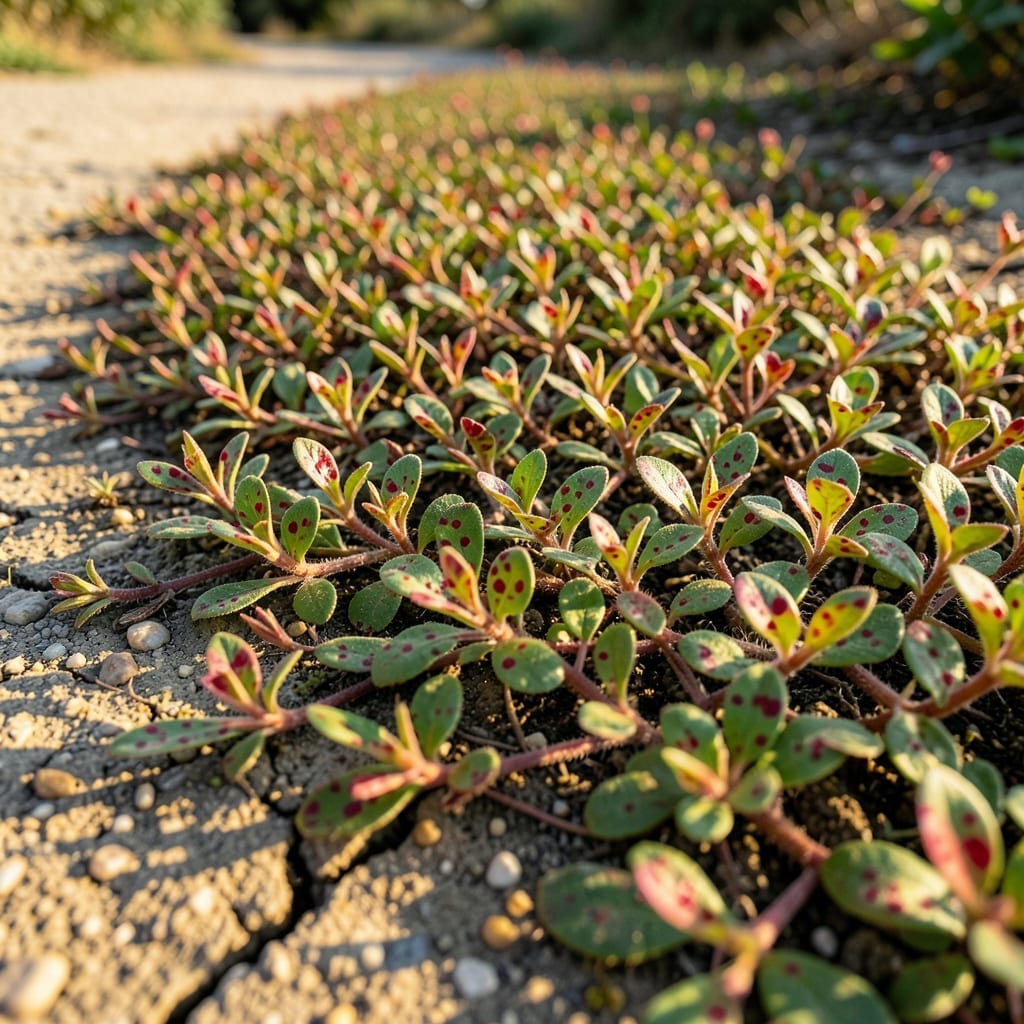
That flat, spreading mat with red-spotted leaves in your garden path is likely spotted spurge, a summer annual that thrives in hot, dry conditions. It hugs the ground with its prostrate growth habit, making it easy to overlook until it forms dense mats.
Like other weeds with milky sap, spotted spurge releases a white, irritating liquid when crushed or pulled. This sap can cause skin irritation, so always wear gloves when removing it by hand. Early removal prevents its tiny seeds from spreading across your garden soil.
Perfect for gardeners dealing with dry, compacted areas where this weed loves to take hold. 🌱
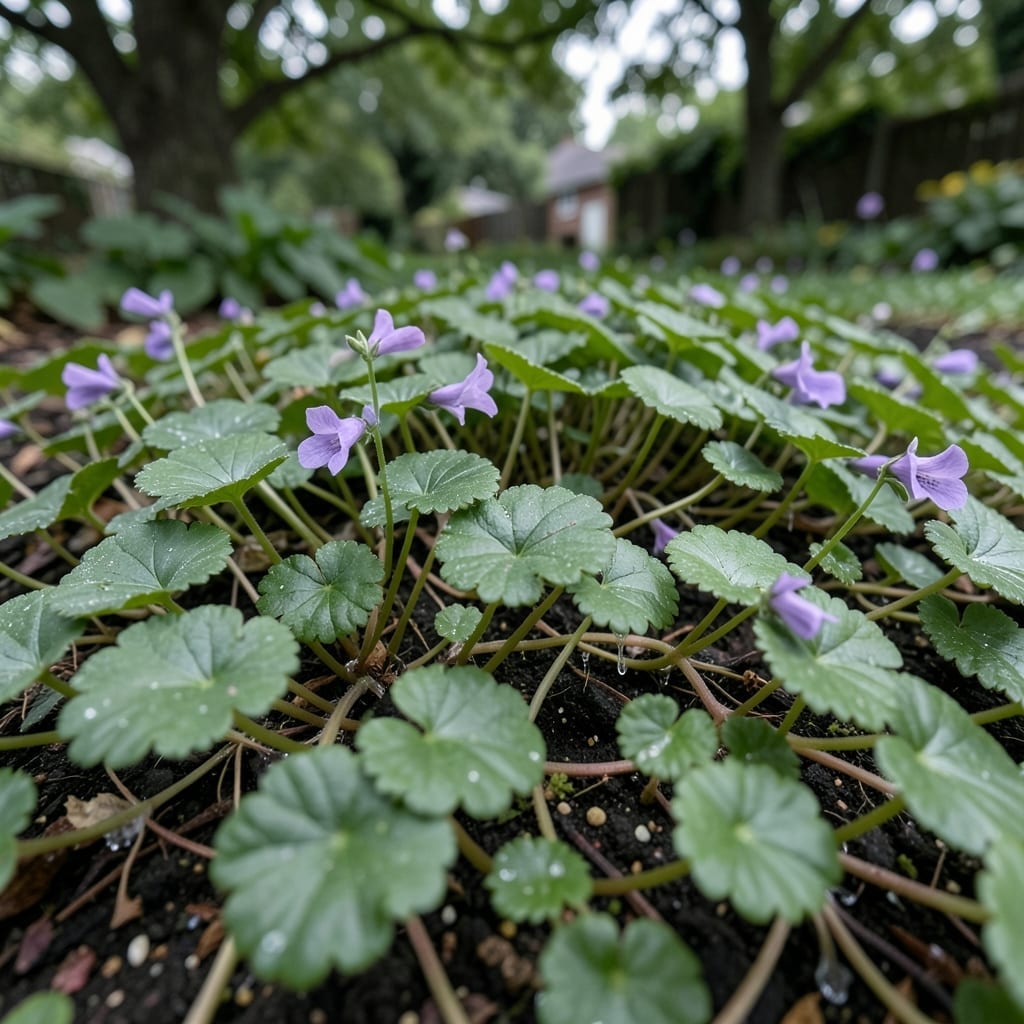
That stubborn ground cover with round, scalloped leaves and tiny purple blooms in your shaded areas is likely creeping Charlie. It spreads rapidly through above-ground runners, forming dense mats that can choke out other plants in your garden beds.
When pinched or damaged, its stems release a milky white sap that helps it recover quickly from trampling or mowing. This same sap makes it resilient against many common herbicides, requiring persistence to control. Hand-pulling works best in early spring before it establishes.
Ideal for gardeners seeking a tough, low-maintenance plant but can become invasive if left unchecked. 🌿
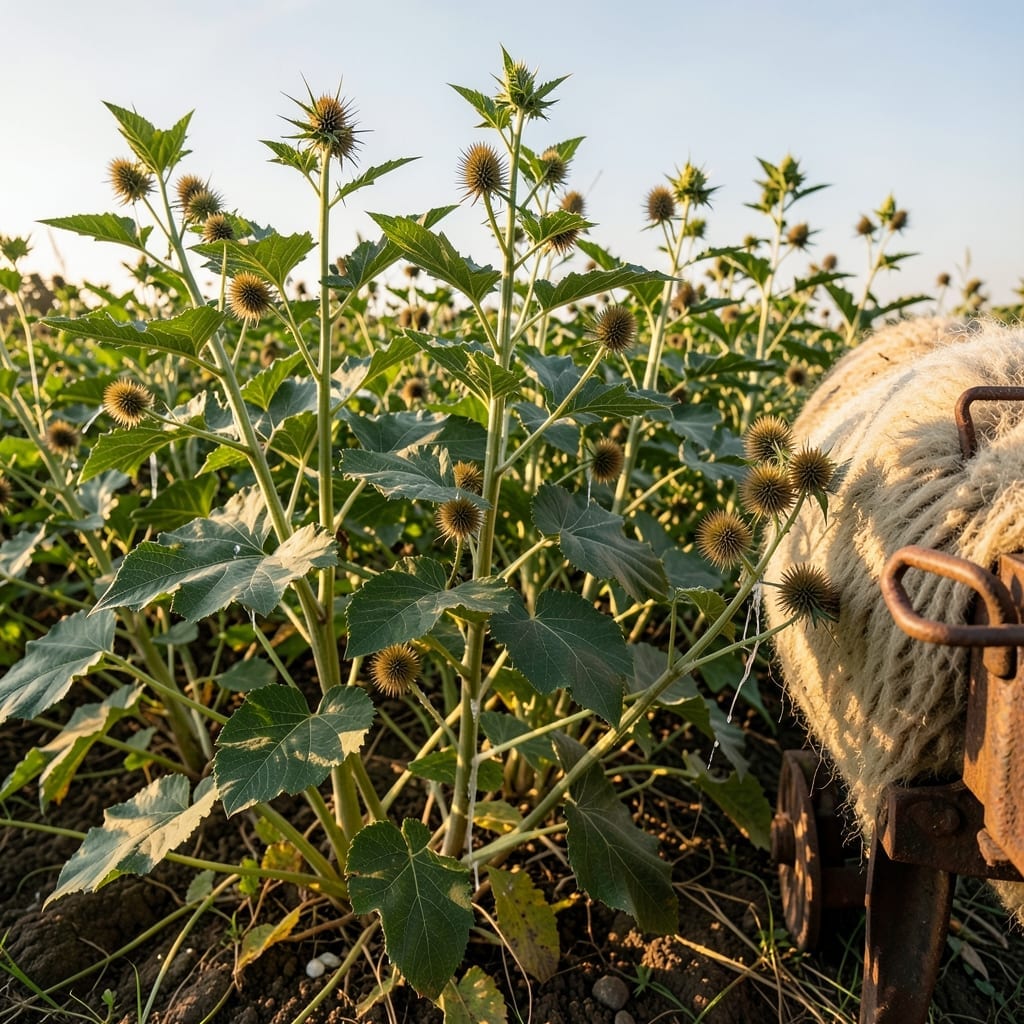
Farmers dread seeing cocklebur in their fields because it’s a twofold menace. Its milky sap can irritate skin and eyes, while its spiny burrs cling to animal fur and machinery, spreading seeds far and wide.
This fast-growing annual reaches 3-5 feet tall with broad, rough leaves and inconspicuous green flowers. The burrs are the real trouble—they contain seeds that remain viable in soil for years, making eradication difficult. Livestock often avoid grazing near it due to the bitter sap.
For gardeners near farmland, early removal is critical to prevent its aggressive spread. 🌱
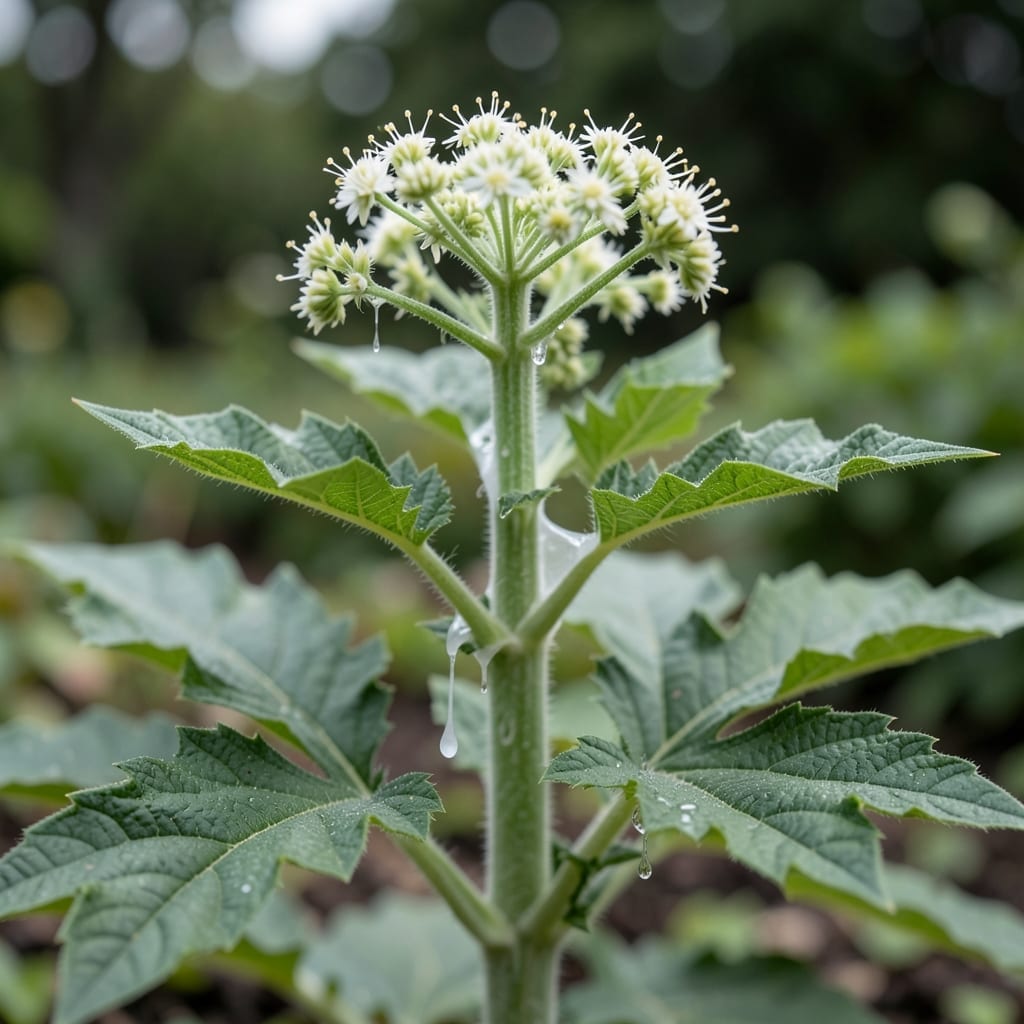
Don’t mistake this wild invader for its edible cousin—horseradish weed shares the name but not the culinary value. Its large, jagged basal leaves and clusters of small white flowers are your first clues this isn’t the root you’d grate for meals.
When you break its stem or leaves, a white sap oozes out, just like other pesky weeds in this family. It thrives in disturbed soils and can quickly overrun garden beds if ignored. The sap may cause skin irritation, so handle with care.
Gardeners battling persistent weeds will want to remove this early before it establishes deep roots. 🌱
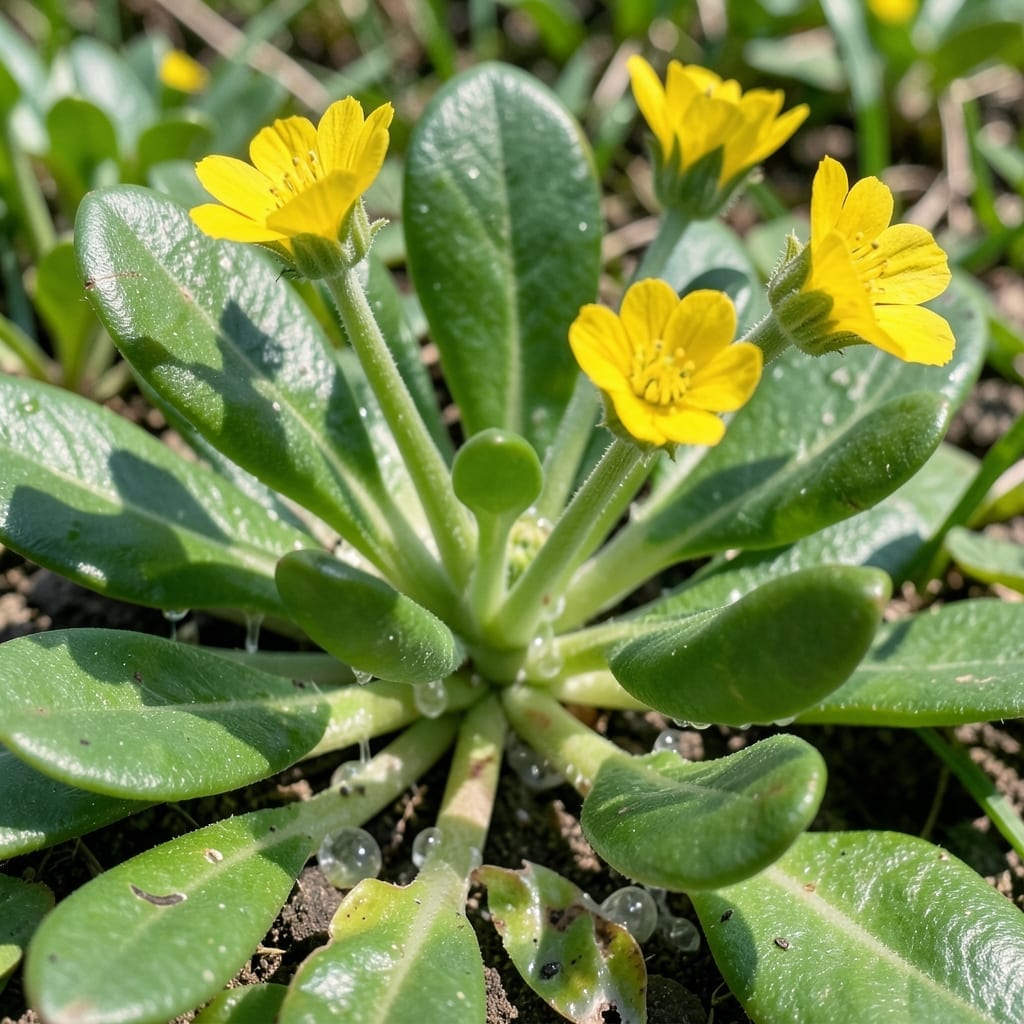
Don’t let its succulent leaves and bright yellow flowers fool you—purslane is a common garden invader with a surprising twist. While it’s edible in small amounts, most gardeners consider it a weed due to its aggressive spreading habit.
When crushed, its fleshy leaves release a distinctive white sap, a hallmark of many weeds in this category. It thrives in poor, dry soil and full sun, often outcompeting desired plants. The sap is mild compared to others but still a telltale sign of its presence.
Ideal for gardeners who want to identify and manage this dual-purpose plant before it takes over. 🌱
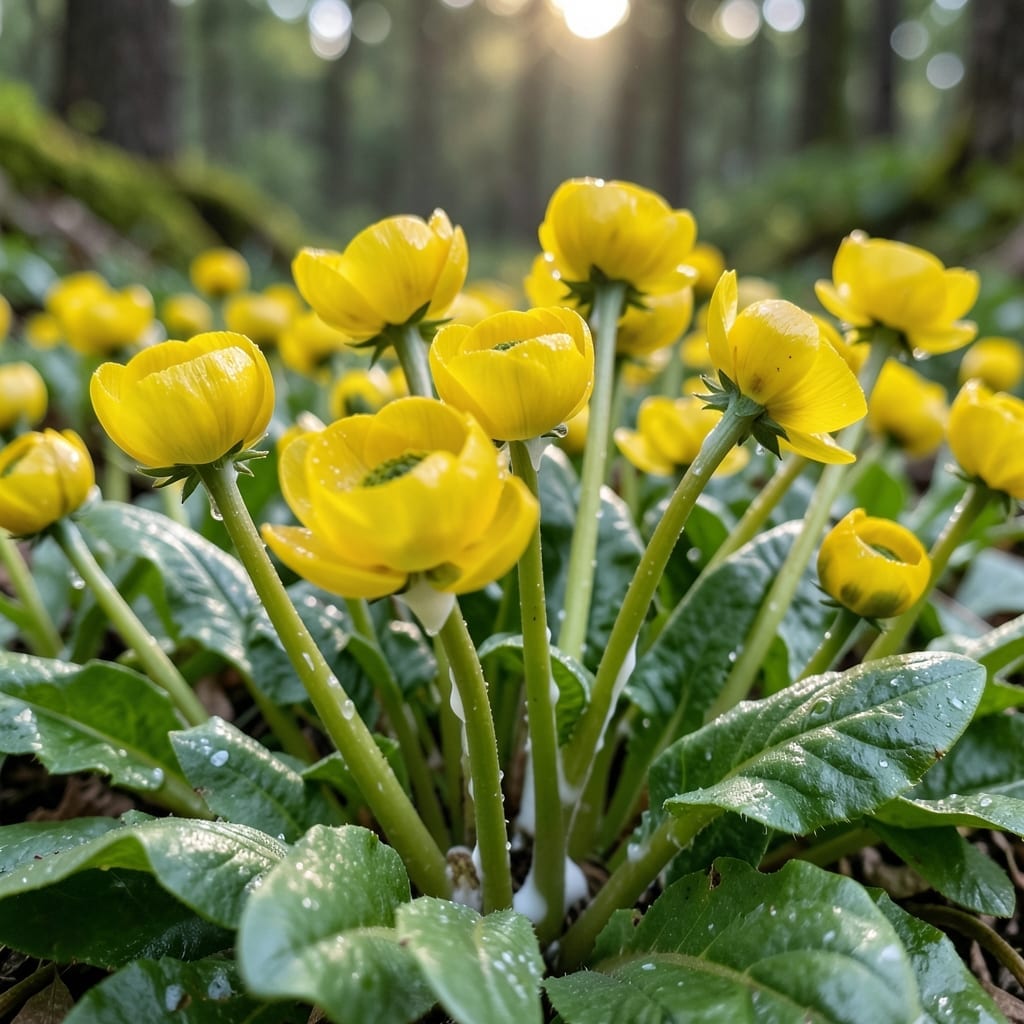
That bright yellow flower with glossy leaves in your wooded areas might be fig buttercup, one of the most stubborn invasive plants you’ll encounter. Its milky sap isn’t just messy—it’s a sign of its aggressive nature, helping it outcompete native species.
This plant spreads rapidly through both seeds and underground tubers, forming dense mats that choke out other vegetation. Even small fragments left in the soil can regrow, making complete removal a challenge. Wear gloves when handling, as the sap may irritate skin.
Gardeners in shaded, moist areas should act fast to prevent this invasive from taking over. 🌱