
Beautiful Plants For Your Interior
Beautiful Plants For Your Interior
Discover the sneaky invaders that spread seeds with the slightest touch. This guide helps gardeners identify and control these explosive weeds before they take over your landscape.
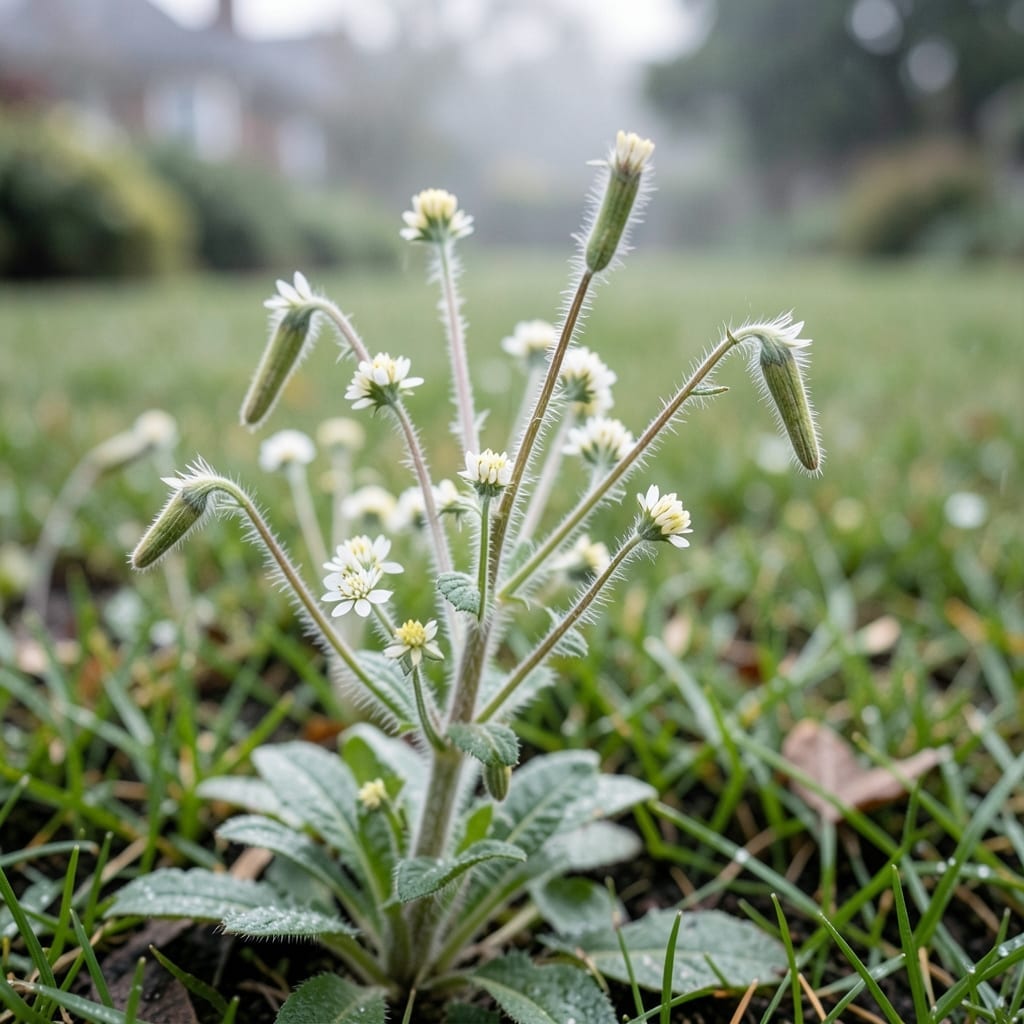
If you’ve spotted tiny white flowers and elongated seed pods in your lawn, hairy bittercress might already be plotting its next invasion. This sneaky weed thrives in damp, cool conditions and can launch its seeds up to 13 feet away when disturbed.
Its seed pods are highly sensitive—even a light touch or breeze can trigger an explosive release. You’ll often find it in moist, shaded areas where grass struggles to grow, making it a common nuisance in early spring and fall.
Gardeners battling this weed should act fast before pods mature. Early removal prevents its rapid spread, keeping your lawn or garden bed weed-free. 🌿
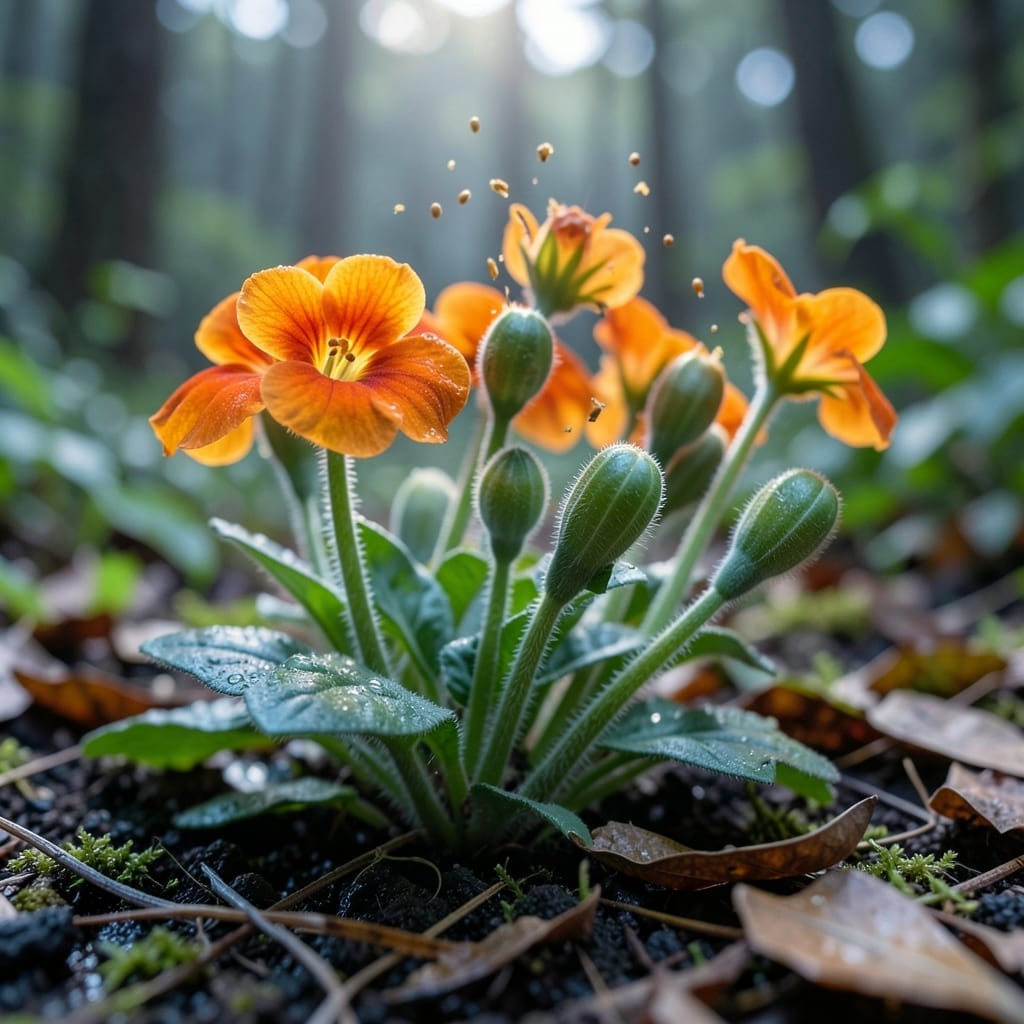
Those bright orange blooms in your shady garden corners might be more than just pretty—they could be touch-me-not impatiens, ready to fling seeds at the slightest disturbance.
This annual wildflower thrives in moist, shaded areas and develops swollen seed capsules that burst open when touched, propelling seeds several feet away. Its explosive dispersal makes it a prolific spreader, especially in wooded or damp garden spots.
If you spot these vibrant flowers, handle them carefully to avoid triggering their seed-ejecting mechanism. Early removal is key to controlling their spread. 🌱
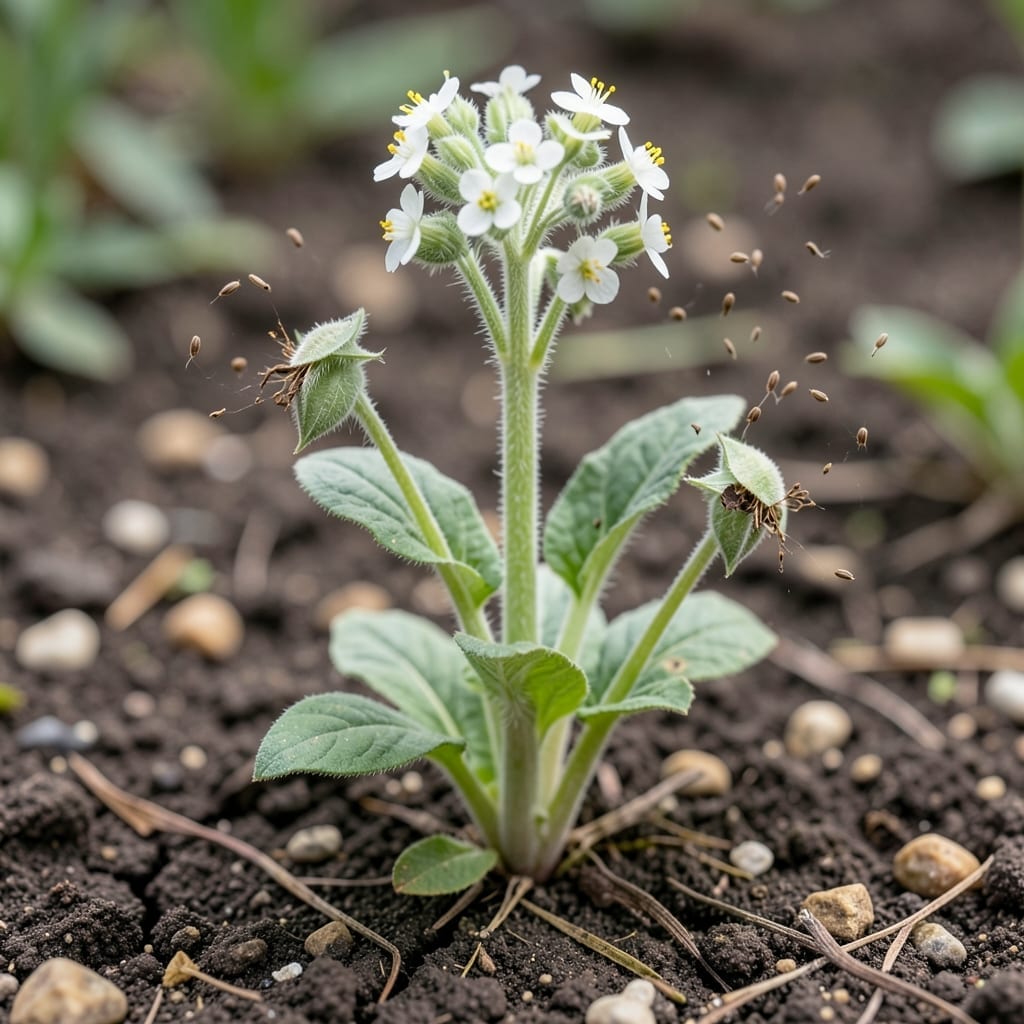
Don’t let its small white flowers fool you—shepherds purse is a fast-growing invader with a clever trick. Its triangular seed pods burst open with force when mature, scattering seeds far from the parent plant.
This hardy annual thrives in disturbed soils, making it a common sight in gardens, crack in sidewalks, and newly turned beds. It germinates quickly and can produce multiple generations in a single growing season, making early intervention critical.
If you spot its heart-shaped pods, remove the plant before they dry and split. This prevents its aggressive spread in your garden. 🌿
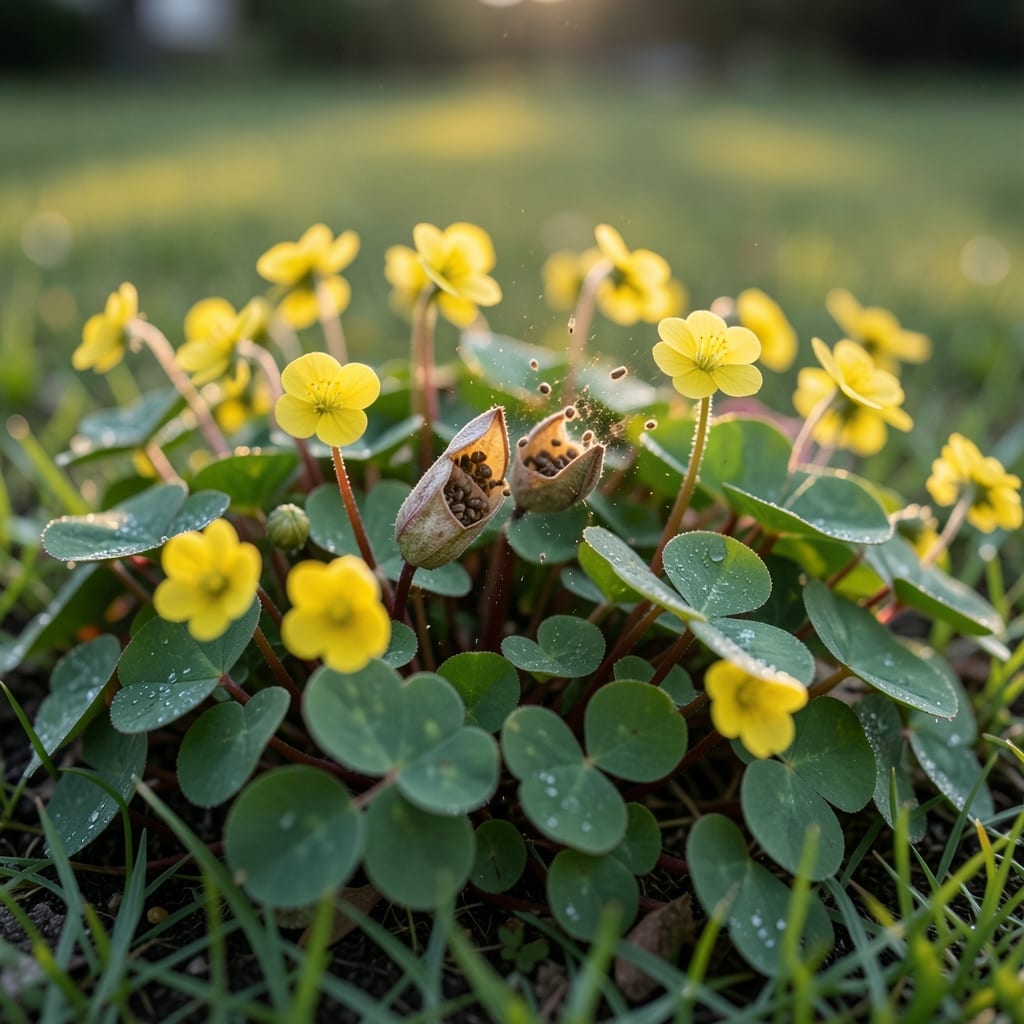
That charming clover-like plant with cheerful yellow flowers in your lawn? It’s likely wood sorrel, a master of surprise seed dispersal.
Its small, angular seed pods build tension as they dry, then snap open explosively when ripe, flinging seeds up to several feet away. Often mistaken for shamrock due to its trifoliate leaves, this weed thrives in both sunny and shady lawn areas.
Check your turf carefully—removing wood sorrel before pods mature prevents its sneaky spread across your yard. 🌿
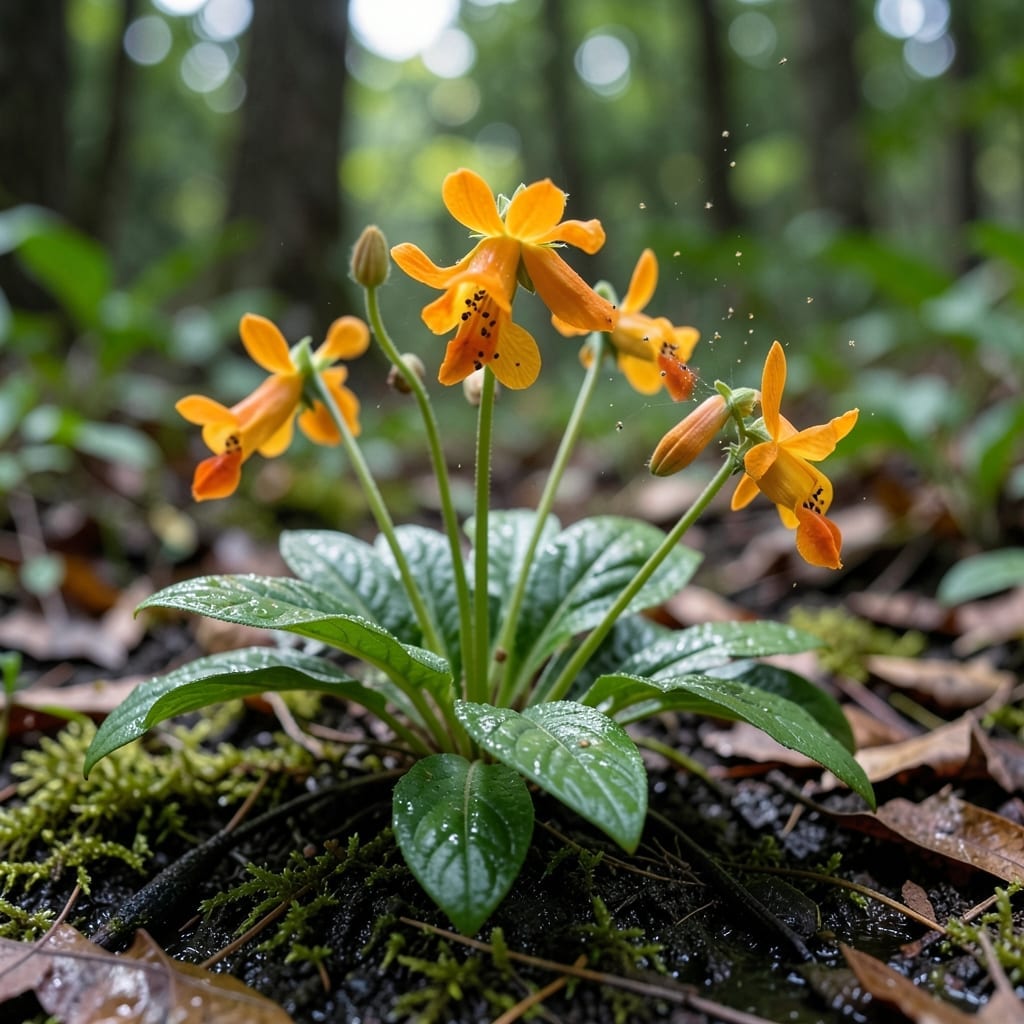
Beyond its explosive seed pods, jewelweed offers a surprising benefit—it thrives in wet, shady areas where other plants struggle, and its juice can soothe poison ivy rashes.
This annual produces vibrant orange or yellow trumpet-shaped flowers and develops touch-sensitive seed pods that burst open when brushed against, flinging seeds up to several feet away. It’s often found near streams, ponds, or in moist garden corners.
If you’re dealing with damp spots or want a natural remedy for skin irritations, jewelweed is worth keeping—just manage its spread before pods mature. 🌿
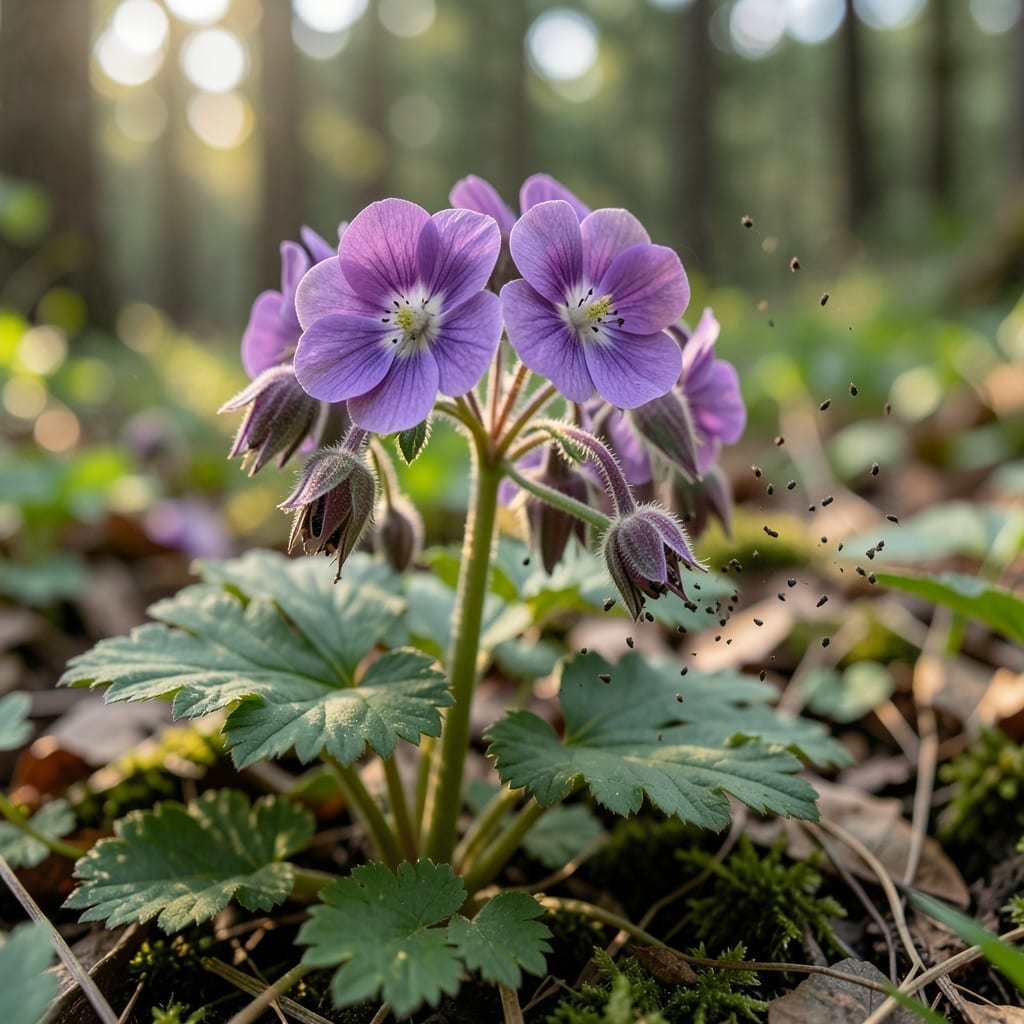
Wild geraniums aren’t just pretty purple-flowered woodland plants—they’re skilled seed launchers. Their unique seed pods coil tightly as they dry, then suddenly spring open with force, flinging seeds several feet away.
This mechanism, called ballistic dispersal, helps wild geraniums spread efficiently in forest understories where competition is fierce. Unlike garden varieties, these native plants thrive in dappled shade and well-drained woodland soils.
If you’re cultivating native plants or managing a woodland garden, observe this fascinating process—but be prepared for unexpected seedlings next season. 🌿
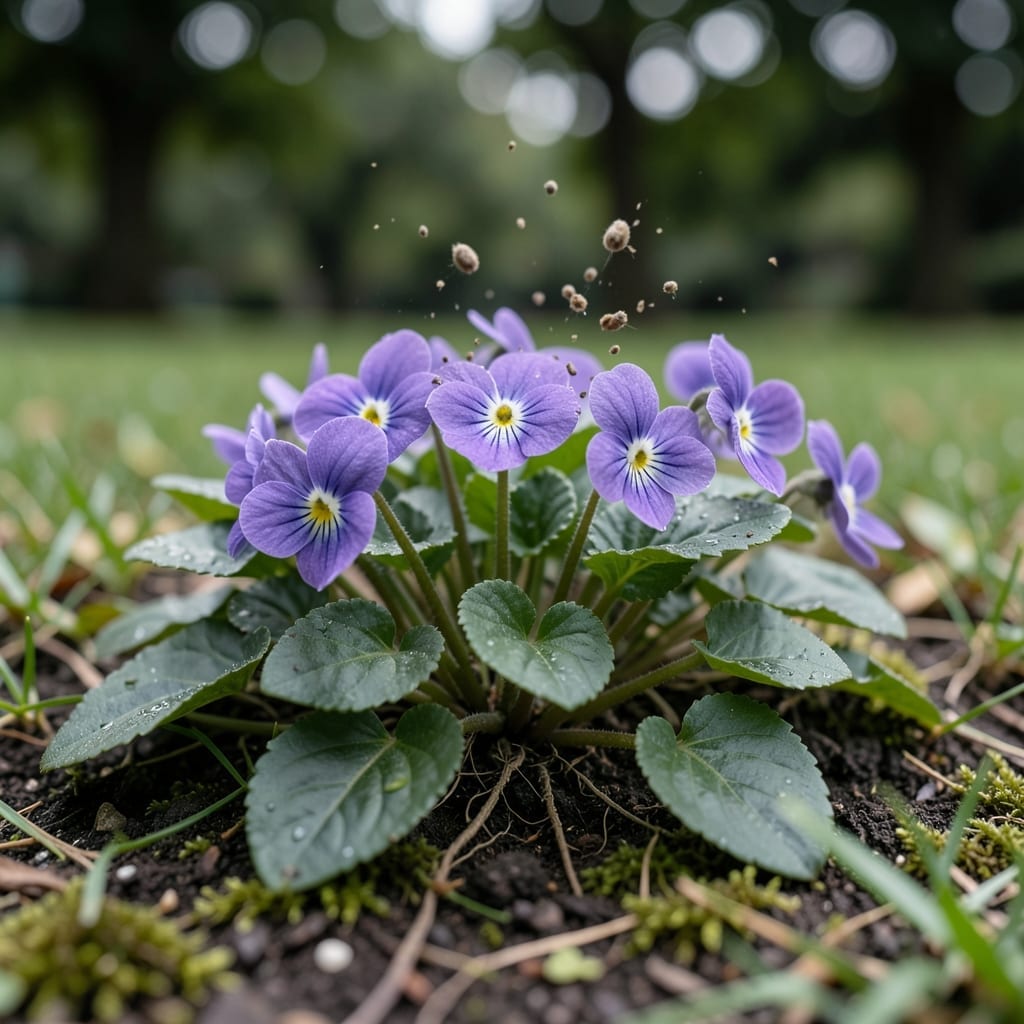
Those pretty purple flowers in your shady lawn might be wild violets, but don’t let their charm fool you. Their unique three-part seed capsules build pressure as they mature, then split explosively when dry, flinging seeds in all directions.
Wild violets thrive in shady, moist areas where grass struggles, often forming dense mats that crowd out other plants. The popping mechanism ensures seeds land far from the parent plant, making this a persistent lawn invader if left unchecked.
Check shady corners of your yard for these heart-shaped leaved plants. Remove them before capsules mature to prevent their stealthy spread. 🌿
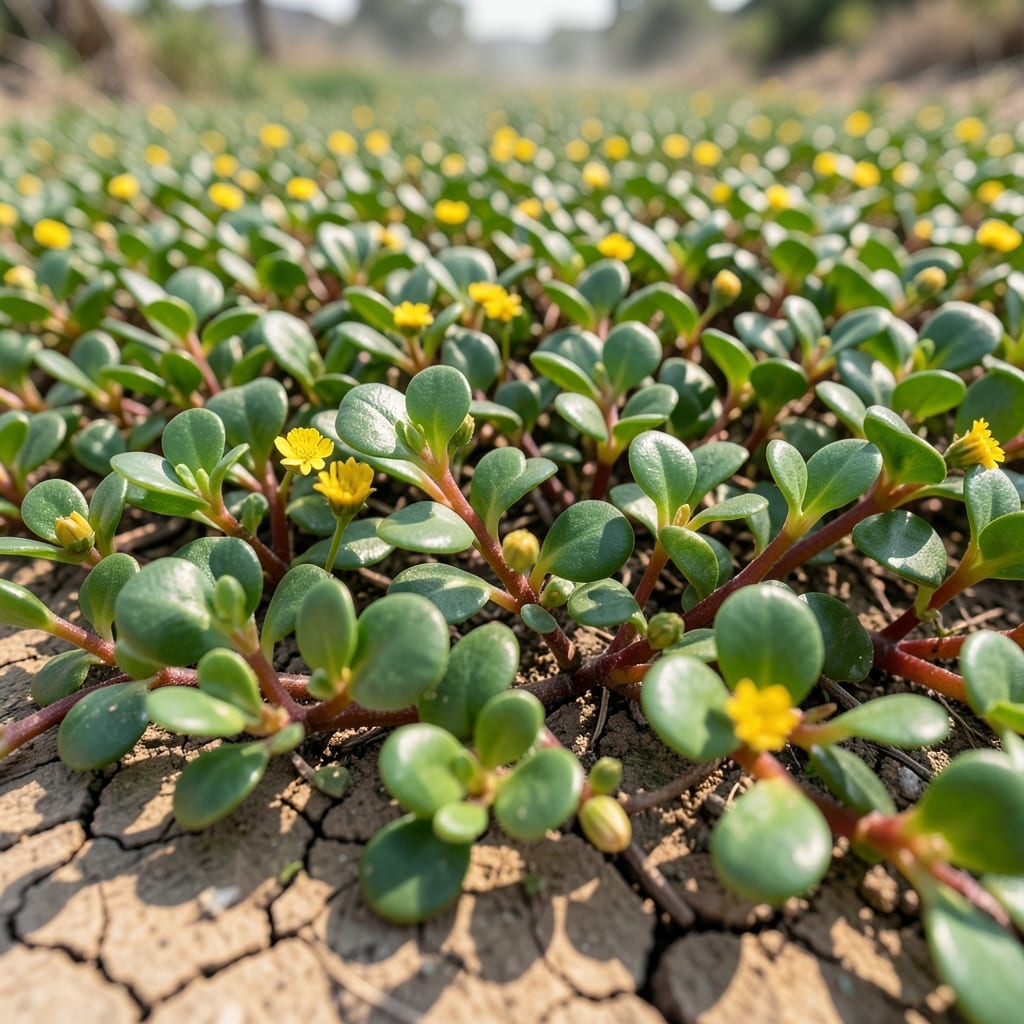
Don’t let its low-growing habit fool you—purslane is a drought-resistant succulent that can take over dry, sunny spots with its touch-sensitive seed capsules. This edible weed thrives where other plants wilt, making it both a nuisance and a forager’s delight.
Its fleshy leaves and small yellow flowers hide small seed pods that burst open when brushed, scattering seeds far from the parent plant. It spreads aggressively in hot, dry conditions, often appearing in cracks, garden beds, and poor soils.
If you’re managing a xeric garden or want to harvest this nutritious weed, remove it before capsules mature to control its spread. 🌿
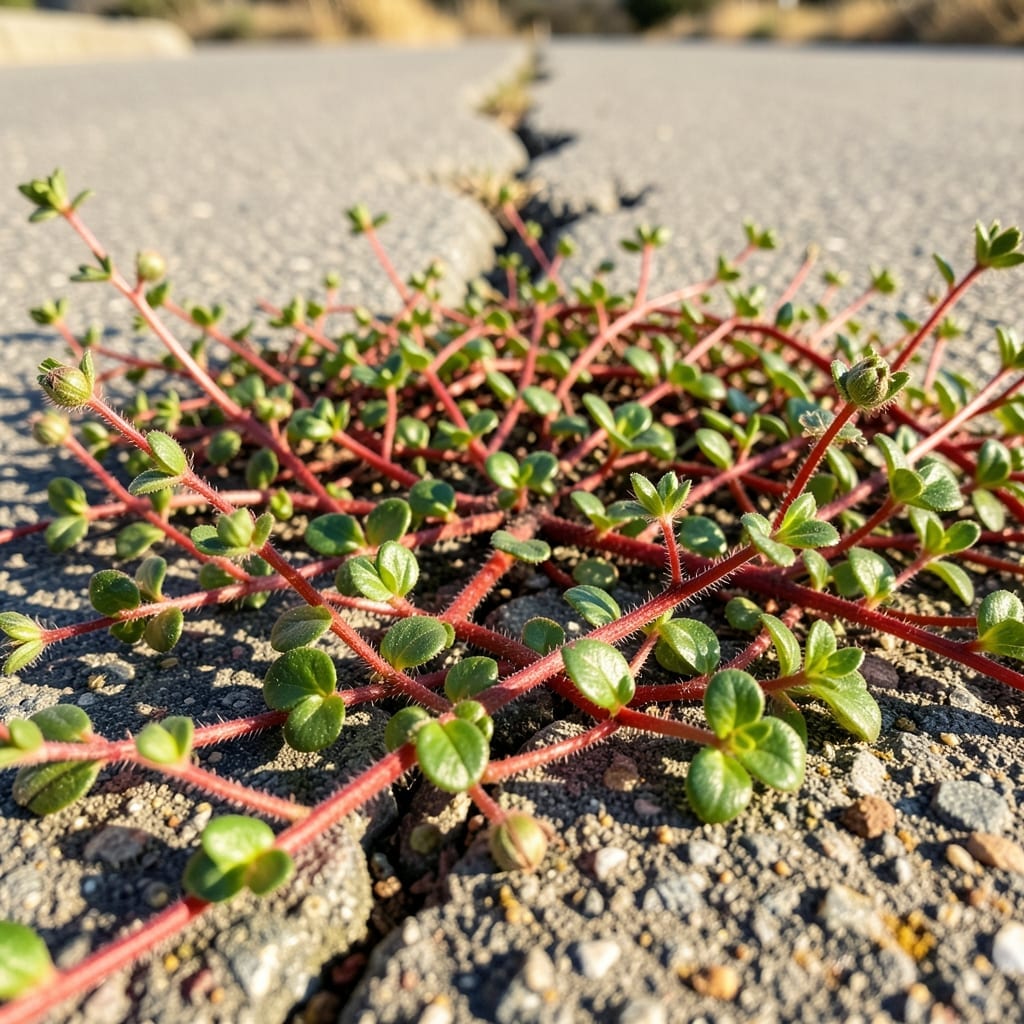
That low, spreading plant with red stems and tiny green leaves in your driveway cracks? It’s likely spotted spurge, a summer weed that thrives in hot, dry conditions where other plants struggle.
This invasive plant produces small seed capsules that burst open when mature, catapulting seeds several feet away. Its milky sap can irritate skin, and it forms dense mats that crowd out desirable plants in gardens, sidewalks, and poor soils.
If you spot this weed, remove it before capsules mature to prevent its aggressive spread. Its ability to grow in compacted, dry soil makes it a persistent problem in many landscapes. 🌱
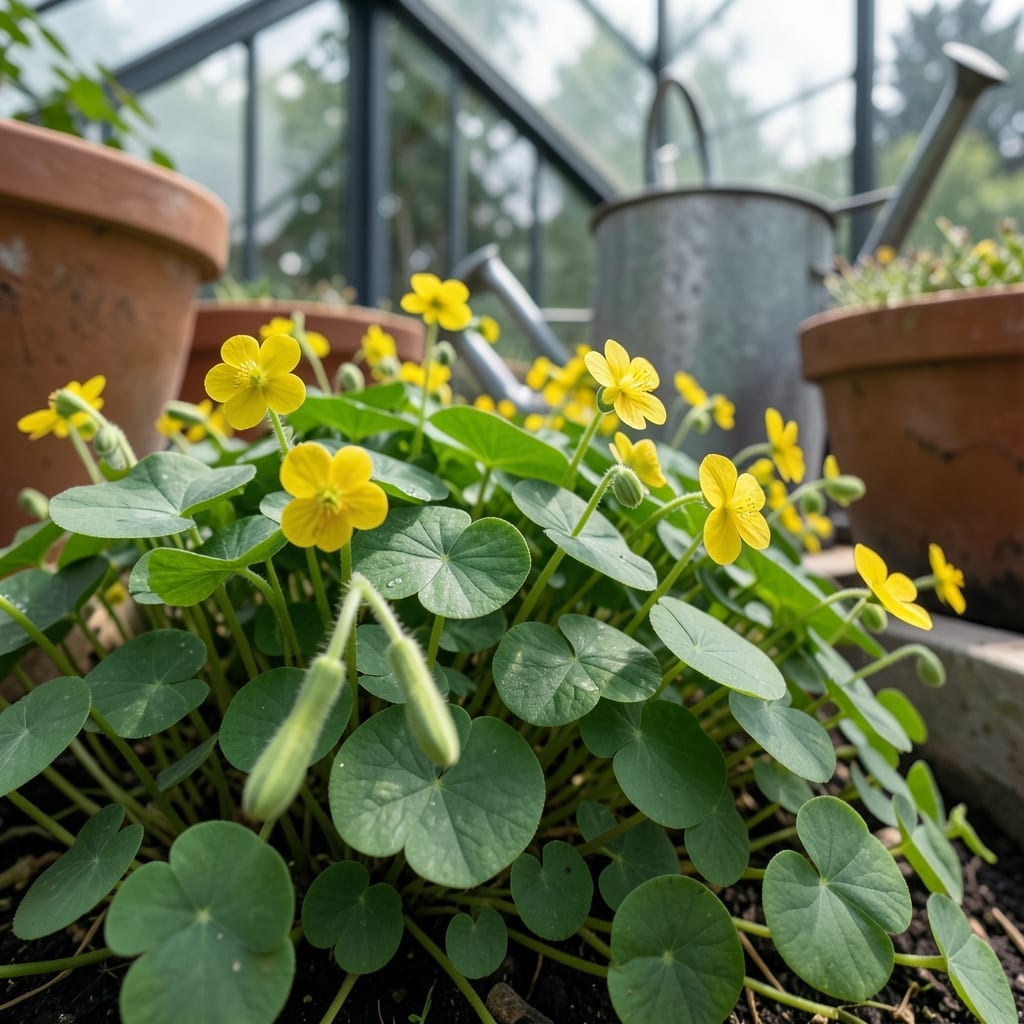
Your container garden or greenhouse might be harboring a stealthy invader. Creeping wood sorrel is an aggressive spreader that shoots seeds from its pods when disturbed, making it a persistent problem in controlled growing environments.
This plant produces cheerful yellow flowers and clover-like leaves, but its seed pods are the real trouble—they launch seeds at the slightest touch. It thrives in the consistent moisture and temperature of potted setups, often outcompeting your intended plants.
Regularly inspect your containers and remove creeping wood sorrel before pods mature to prevent its explosive spread. This is especially crucial for greenhouse gardeners. 🌱