
Beautiful Plants For Your Interior
Beautiful Plants For Your Interior
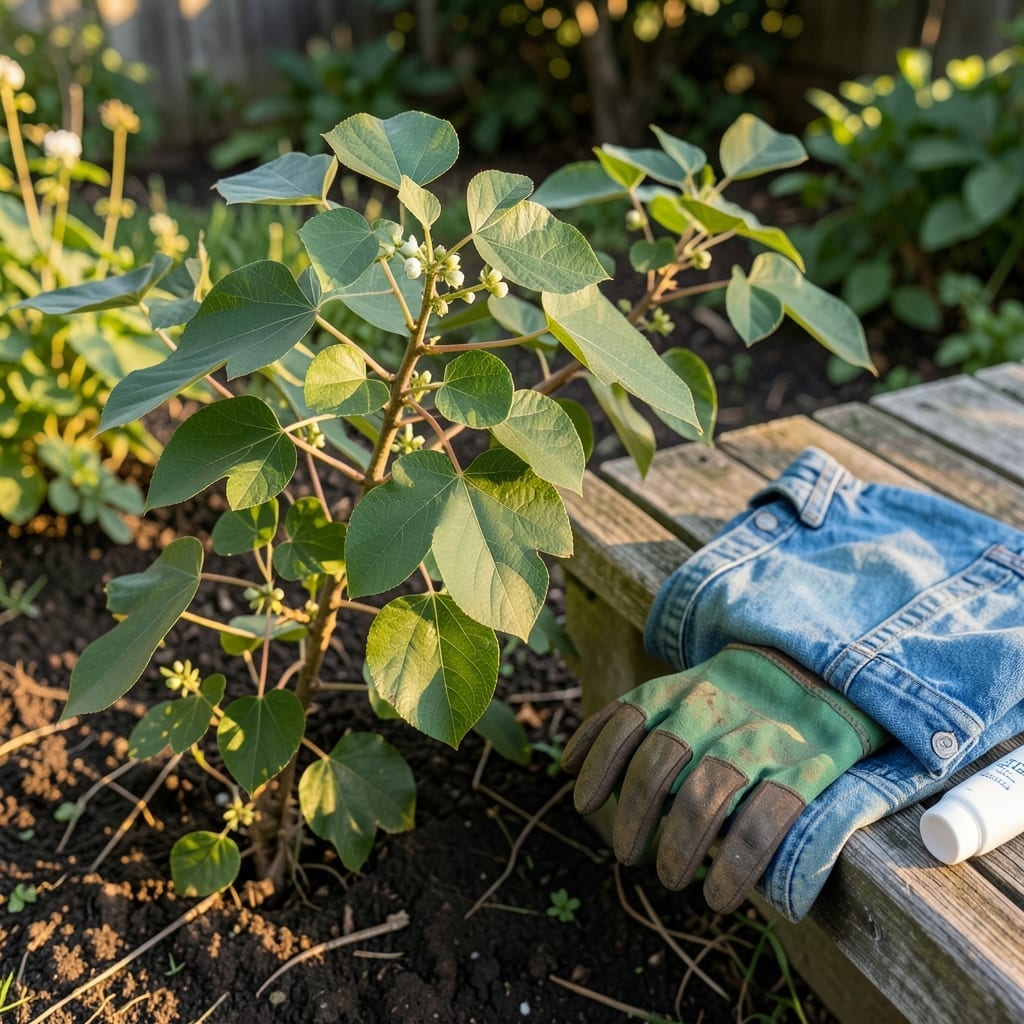
That mysterious rash after yard work isn’t random. Some plants wage chemical warfare against skin, and I’ve learned the hard way which ones to watch for.
Poison ivy’s shiny three leaves, stinging nettle’s serrated edges, and wild parsnip’s yellow flowers all signal danger. Each contains oils or hairs that trigger itching, blisters, or worse within 12-48 hours of contact.
Identifying these offenders before they spread saves you pain and your garden from becoming a hazard zone. The key is spotting them early, when they’re easier to remove safely.
With the right knowledge and protective gear, you can enjoy your outdoor space without the itch. Here’s how to recognize and avoid them.
The skin irritation you feel after brushing against certain weeds is not random—it’s a defense mechanism gone wrong. Here’s why it happens, broken down by the most common culprits:
Many itch-inducing weeds, like stinging nettle or poison ivy, produce urushiol oil or formic acid. These compounds bind to skin proteins, triggering an immune response. Your body releases histamine, causing redness, swelling, and an unbearable itch. Even light contact can transfer these oils, and they may linger on tools or clothing.
Some plants, such as cowhage or mucuna pruriens, are covered in tiny, needle-like hairs. These hairs inject irritants like serotonin or proteases into your skin, activating nerve endings. The result? Instant, intense itching that can last for hours. Avoid touching your face after contact—these hairs can embed under the skin.
For sensitive individuals, even non-toxic weeds can spark allergic contact dermatitis. Weeds like ragweed or pigweed release pollen or sap that the immune system misidentifies as a threat. This leads to IgE antibody production, causing hives, blisters, or a delayed itchy rash. Repeated exposure often worsens the reaction.
Knowing the cause helps you act fast: wash the area with soap and cool water, apply calamine lotion, or use antihistamines to counter the reaction.
Dealing with itchy weeds doesn’t have to ruin your day. With the right approach, you can soothe irritation and prevent future flare-ups. Here’s how to tackle each common culprit and keep your skin happy.
If you suspect contact with these plants, rinse the affected area with cool water and soap within 10–15 minutes to remove the irritating oil (urushiol). Avoid warm water, as it can open pores and spread the oil. Use rubbing alcohol or specialized cleansers like Tecnu for stubborn residue. Wash clothes and tools that may have touched the plant to prevent re-exposure.
Stinging nettle’s formic acid causes a sharp, burning itch. Dab the area with a baking soda paste or vinegar to neutralize the acid. Avoid scratching—it worsens the irritation. For persistent discomfort, apply a cold compress or take an oral antihistamine. Wear gloves when handling or removing nettles to prevent stings.
These weeds trigger allergic reactions in some people. Shower after outdoor activities to remove pollen or plant particles from your skin and hair. Use hypoallergenic lotions to soothe dryness, and consider over-the-counter antihistamines or hydrocortisone cream for relief. Keep windows closed during high-pollen days to limit exposure.
Prevention Tips:
With poison ivy or sumac, reactions usually appear within 12-48 hours. Stinging nettle causes immediate pain and itching. For allergic reactions, symptoms may take 24-72 hours to develop.
No, repeated exposure often makes reactions worse, not better. Your immune system becomes more sensitive with each contact. Some people experience milder symptoms, but true immunity is rare.
Wear long sleeves, pants, and gloves. Pull when young or use a trimmer. Never burn poison ivy or sumac—the smoke carries irritants. Bag and dispose of plants carefully.
Yes, hydrocortisone cream or calamine lotion reduces inflammation and itching. For severe cases, oral antihistamines provide relief. Always clean the area first to remove lingering irritants.