
Beautiful Plants For Your Interior
Beautiful Plants For Your Interior
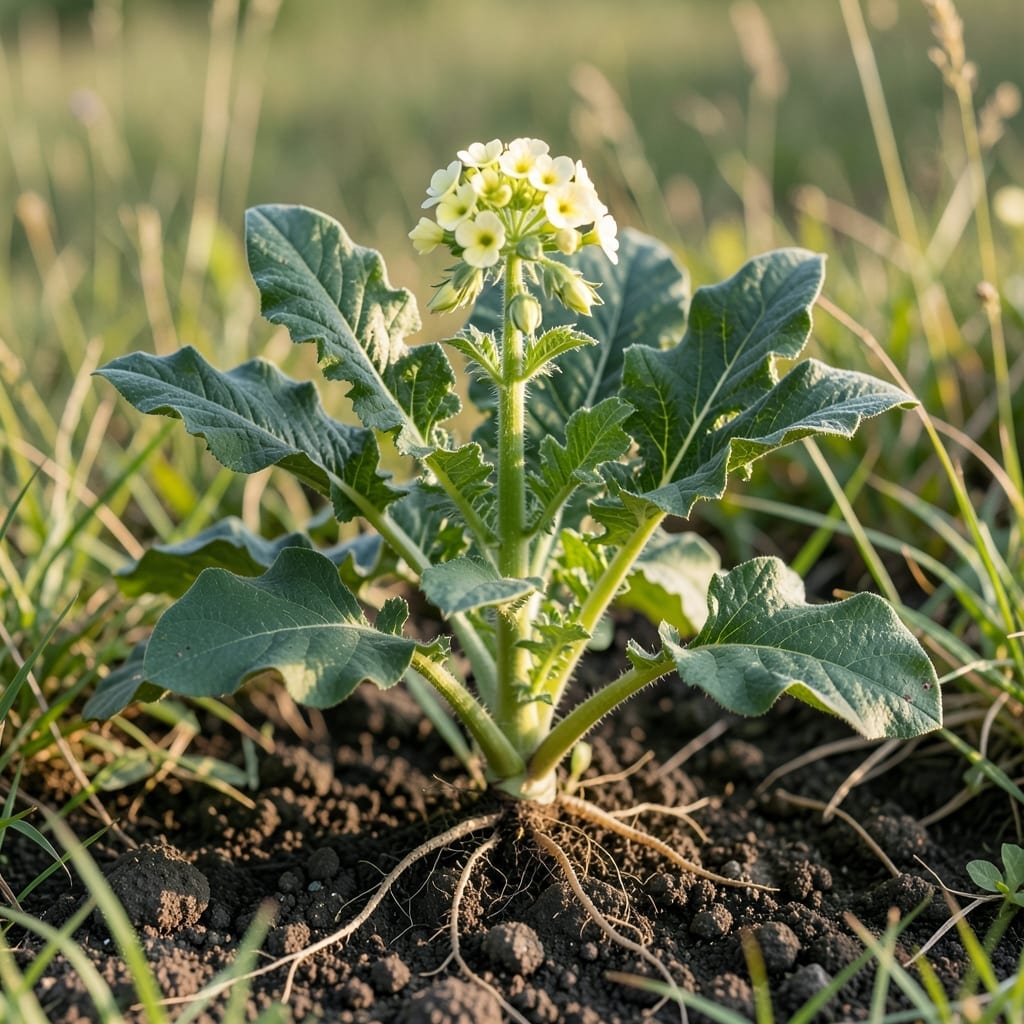
I’ve pulled more fake arugula from my beds than I care to admit. These imposters sprout in the same cool weather, with similar leaf shapes that had me fooled for weeks.
The giveaway is in the details: growth pattern, root structure, and that telltale arugula scent. Most mimics lack the peppery aroma or have subtle differences in leaf edges and vein patterns. One wrong pull and you’ve just uprooted your real crop.
Learning to spot these lookalikes saves hours of frustration. You’ll start recognizing the imposters by their faster spread, different stem color, or how they bolt at the first sign of warmth.
Master this and you’ll never mistake a weed for your salad greens again. The garden becomes less confusing, and your arugula patch stays pure.
Weeds that resemble arugula often thrive due to shared ecological preferences and evolutionary adaptations. Below are the primary reasons these lookalikes emerge in your garden or crops.
Many weeds, like wild radish (Raphanus raphanistrum) or chickweed (Stellaria media), produce lightweight seeds that travel easily on wind currents or hitch rides on animals. Arugula’s open growing conditions—full sun and well-drained soil—are ideal for these opportunistic species. Once deposited, they germinate quickly, mimicking arugula’s early growth stages.
Some weeds evolve to resemble edible plants as a survival tactic, a phenomenon called mimicry. For example, field pennycress (Thlaspi arvense) develops lobed leaves similar to arugula to avoid herbivory. This adaptation confuses predators (or gardeners) into sparing them, allowing them to mature and spread.
Arugula thrives in cool, moist environments, and so do many of its doppelgängers. Weeds like shepherd’s purse (Capsella bursa-pastoris) or hairy bittercress (Cardamine hirsuta) exploit the same niches, leading to cohabitation. Their similar leaf shapes and growth habits make identification tricky, especially in dense plantings.
Soil disruption—whether from tilling, weeding, or foot traffic—can stir dormant weed seeds to the surface, triggering germination. Arugula beds, frequently tended, become prime real estate for weeds like common lambsquarters (Chenopodium album), which sprout swiftly and mimic arugula’s tender greens.
If you’ve spotted weeds that resemble arugula in your garden, don’t panic—there are simple ways to remove them and keep your crop thrill. Here’s how to tackle the most common lookalikes:
For small infestations, hand-pulling is the easiest fix. Grip the base of the weed and pull gently but firmly to remove the roots. Best done after rain when the soil is soft. Prevention tip: Mulch your garden beds to block weed seeds from sprouting.
If weeds have spread, a hoe can help. Skim just below the soil surface to sever weed roots without disturbing arugula. Prevention tip: Regularly cultivate your soil to disrupt weed growth before it starts.
For tough weeds, a vinegar solution (1 gallon of vinegar + 1 cup of salt + 1 tbsp dish soap) can be sprayed directly on leaves. Avoid overspray on arugula, as it’s non-selective. Prevention tip: Keep your garden edges clean to prevent weeds from creeping in.
Solarization works well in warm climates: Cover weed-prone areas with clear plastic for 4-6 weeks to kill seeds. Prevention tip: Plant arugula in well-prepped, weed-free soil to minimize competition.
Pro tip 💡: Always check seedlings carefully—young weeds and arugula can look identical until they mature!
Check the leaf shape and scent. Arugula has deeply lobed leaves and a peppery aroma, while most lookalikes have smoother edges and no distinctive smell.
Some are, like wild radish or chickweed, but others can be bitter or toxic. Always confirm identification before consuming.
They thrive in the same cool, moist conditions. Shared soil preferences and wind-dispersed seeds often lead to cohabitation.
Gentle hand-pulling is safe if done carefully. Use a small trowel for stubborn roots to avoid disturbing arugula’s shallow system.