
Beautiful Plants For Your Interior
Beautiful Plants For Your Interior
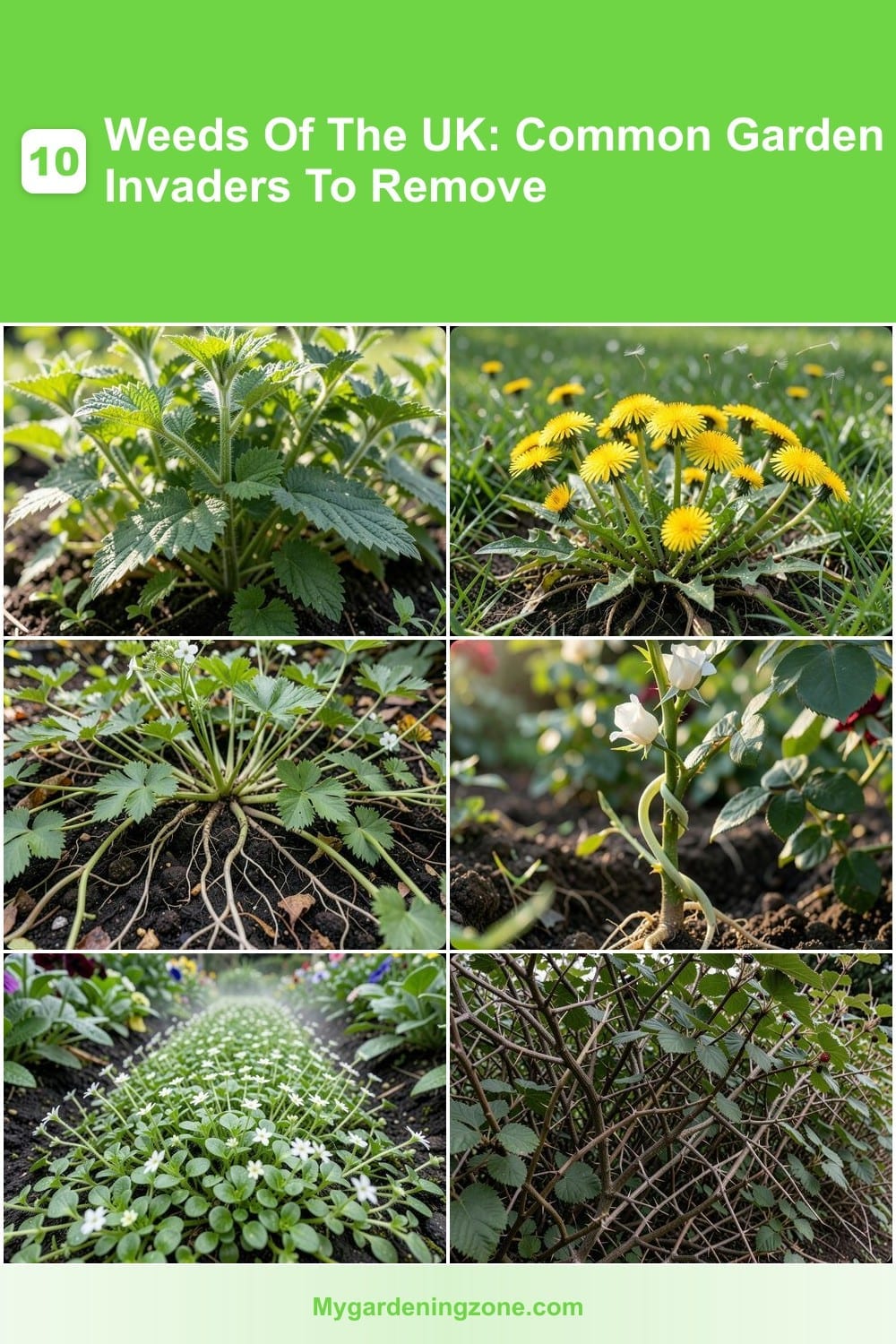
Struggling with uninvited plants taking over your UK garden? These ten common weeds disrupt landscapes, choke desired plants, and require strategic removal to maintain a thriving outdoor space.
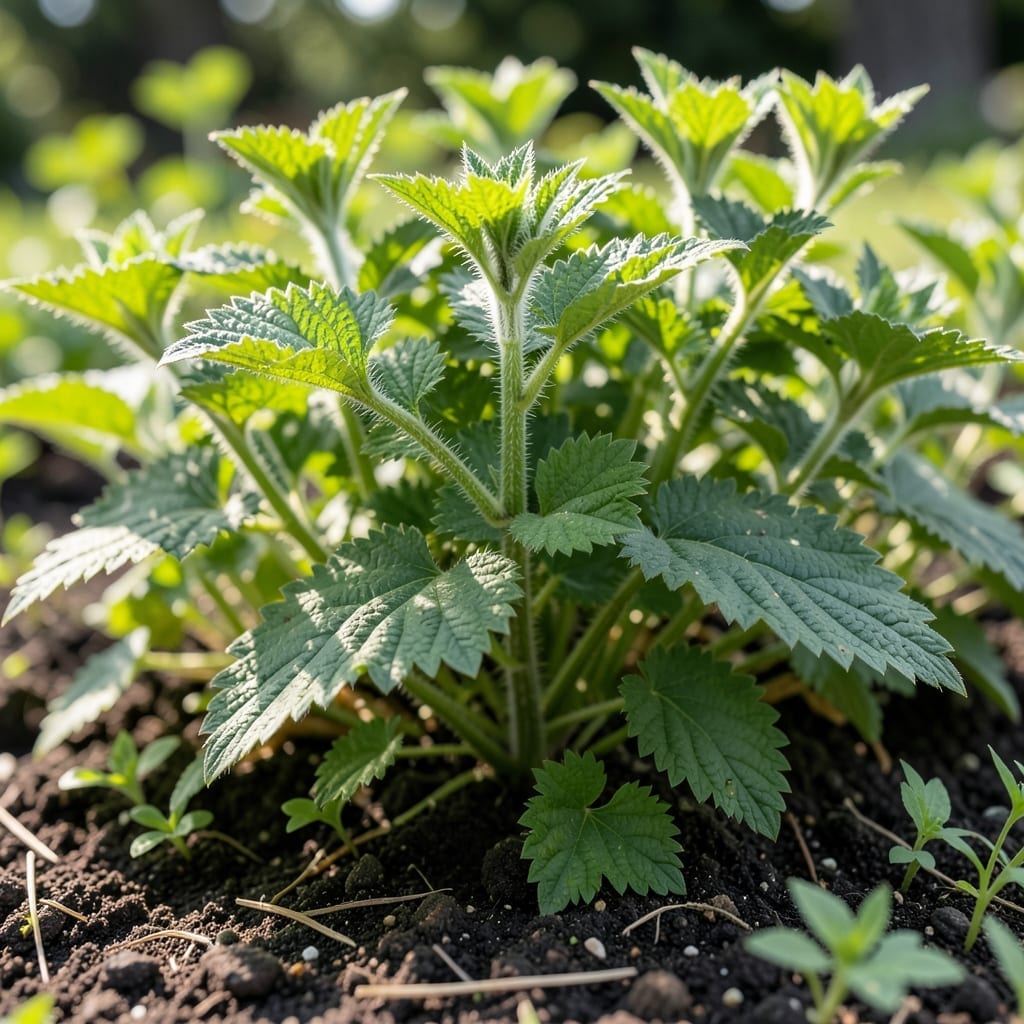
Spot a patch of common nettle in your garden? This plant is nature’s way of telling you your soil is rich in nitrogen—a sign of fertility, but also a warning.
Its stinging hairs and rapid spread can quickly dominate beds, shading out less vigorous plants. While it’s a boon for wildlife, including butterflies, it’s a nuisance for gardeners aiming for tidy borders. Regular removal is key to keeping it in check.
Ideal for those who want to monitor soil health, but be prepared for its tenacious growth. 🌱
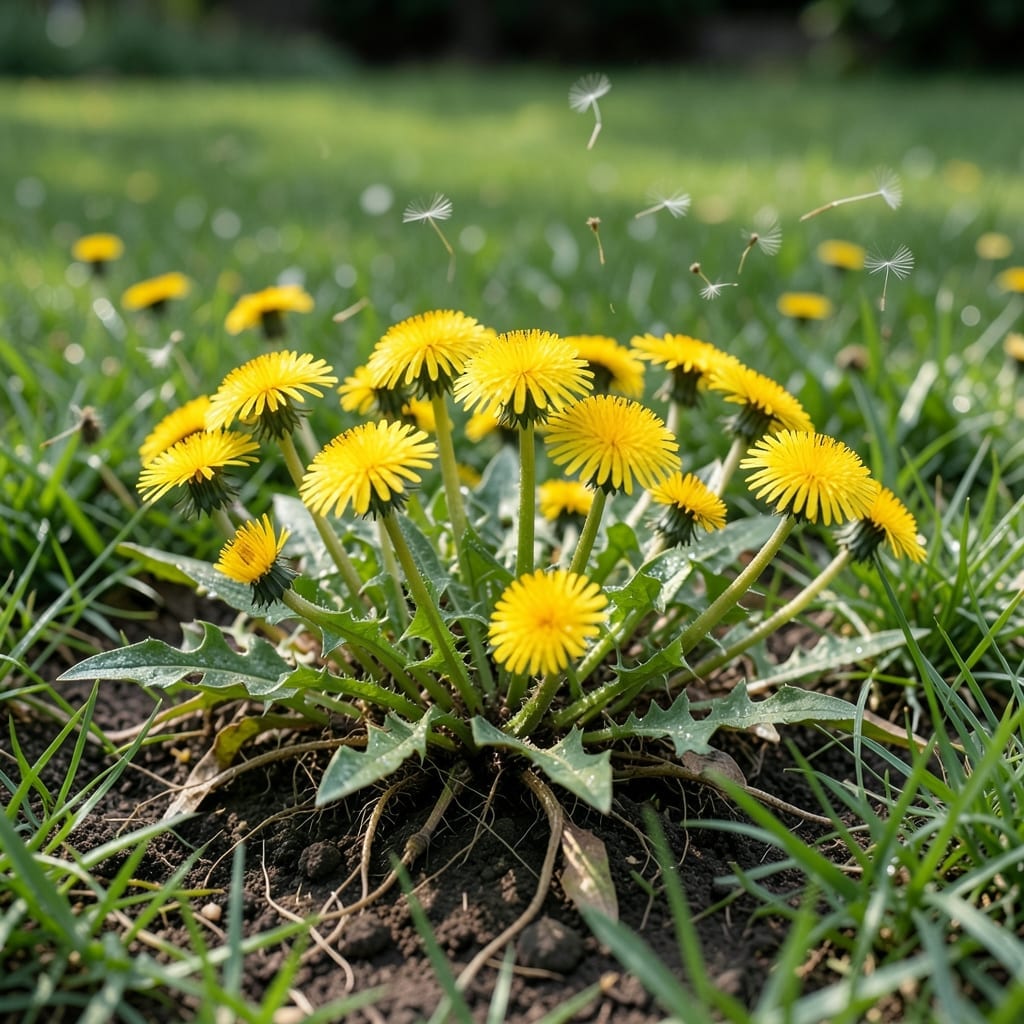
Those cheerful yellow blooms popping up in your lawn aren’t just pretty—they’re a sign of a persistent invader with deep taproots that make hand-pulling nearly impossible.
Each dandelion can produce thousands of wind-dispersed seeds, quickly spreading across lawns and borders. Even if you remove the flowers, the roots often regrow, requiring repeated effort to control. Their resilience makes them a common frustration for gardeners.
Perfect for those learning to manage lawn weeds, but be prepared for a stubborn opponent. 🌿
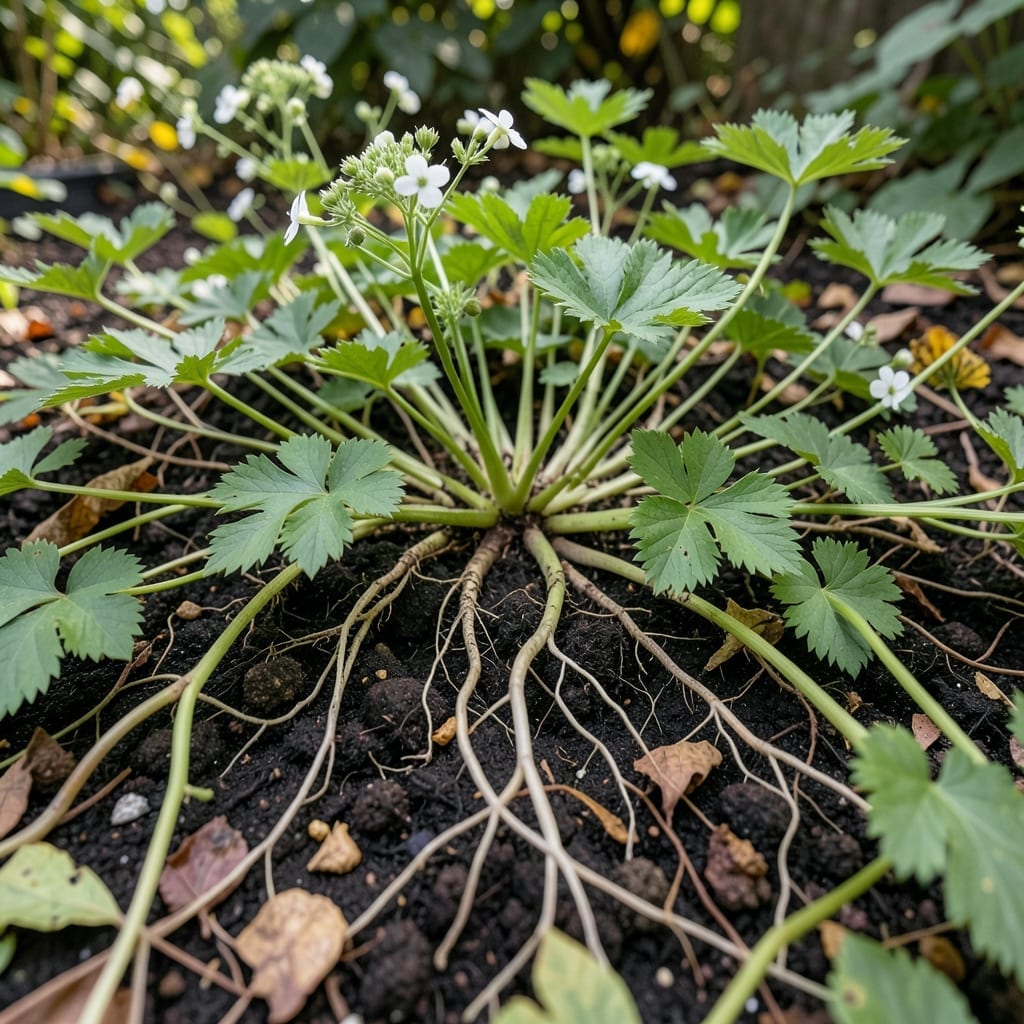
Beware the silent invader lurking in your compost—ground elder often sneaks in unnoticed only to explode into a persistent nightmare.
This perennial spreads via rhizomatous roots, meaning even a tiny fragment left behind can regrow into a full plant. Its toothed leaves and small white flowers form dense mats that smother other plants, making it a top frustration for UK gardeners.
If you suspect contaminated compost, act fast—this weed demands thorough removal to prevent its relentless return. 🌱
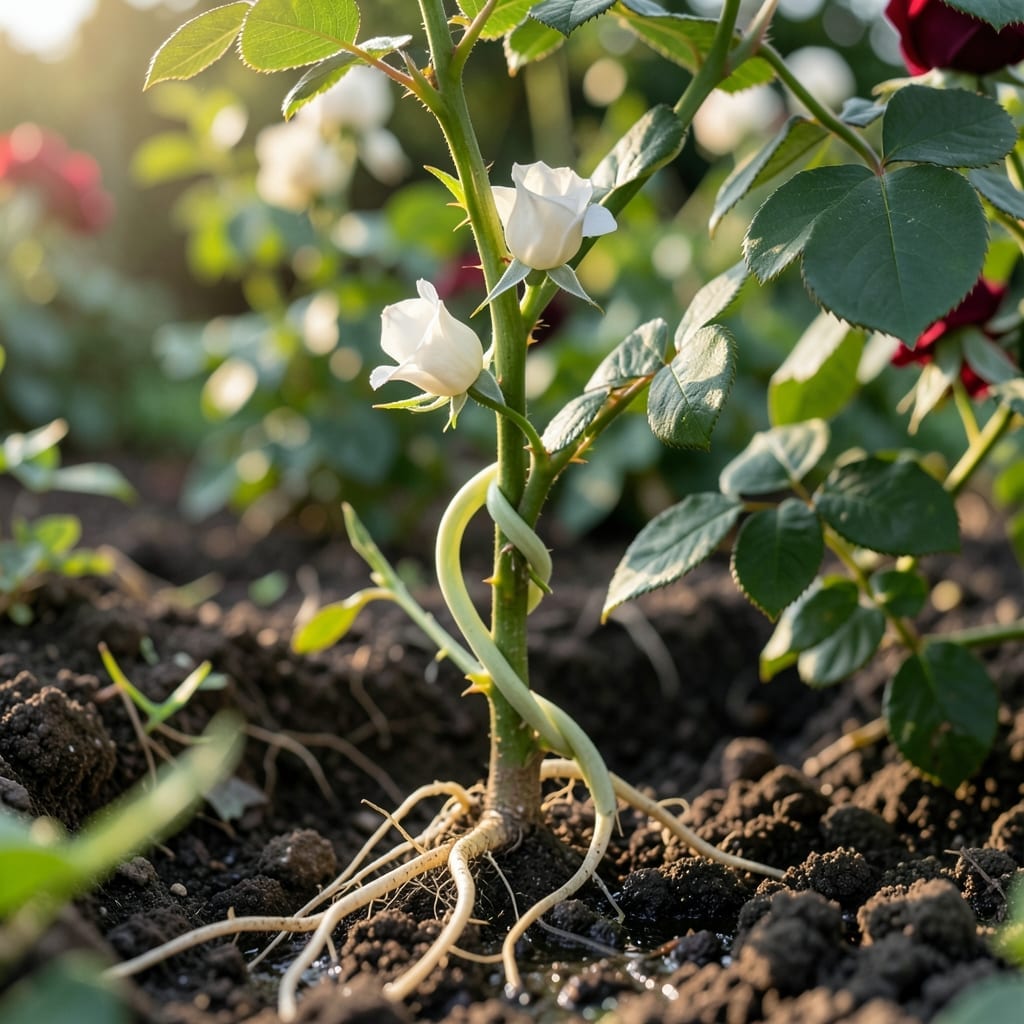
That pretty white trumpet-shaped flower wrapping around your prize roses is actually bindweed—a deceptive climber with a vice-like grip on your garden’s health.
This twining vine strangles other plants by coiling around stems, while its extensive underground root system makes removal a challenge. Left unchecked, it can smother entire beds, blocking sunlight and nutrients from reaching your cherished plants.
Gardeners battling this invader need persistence—dig deep to remove roots and monitor for regrowth. 🌱
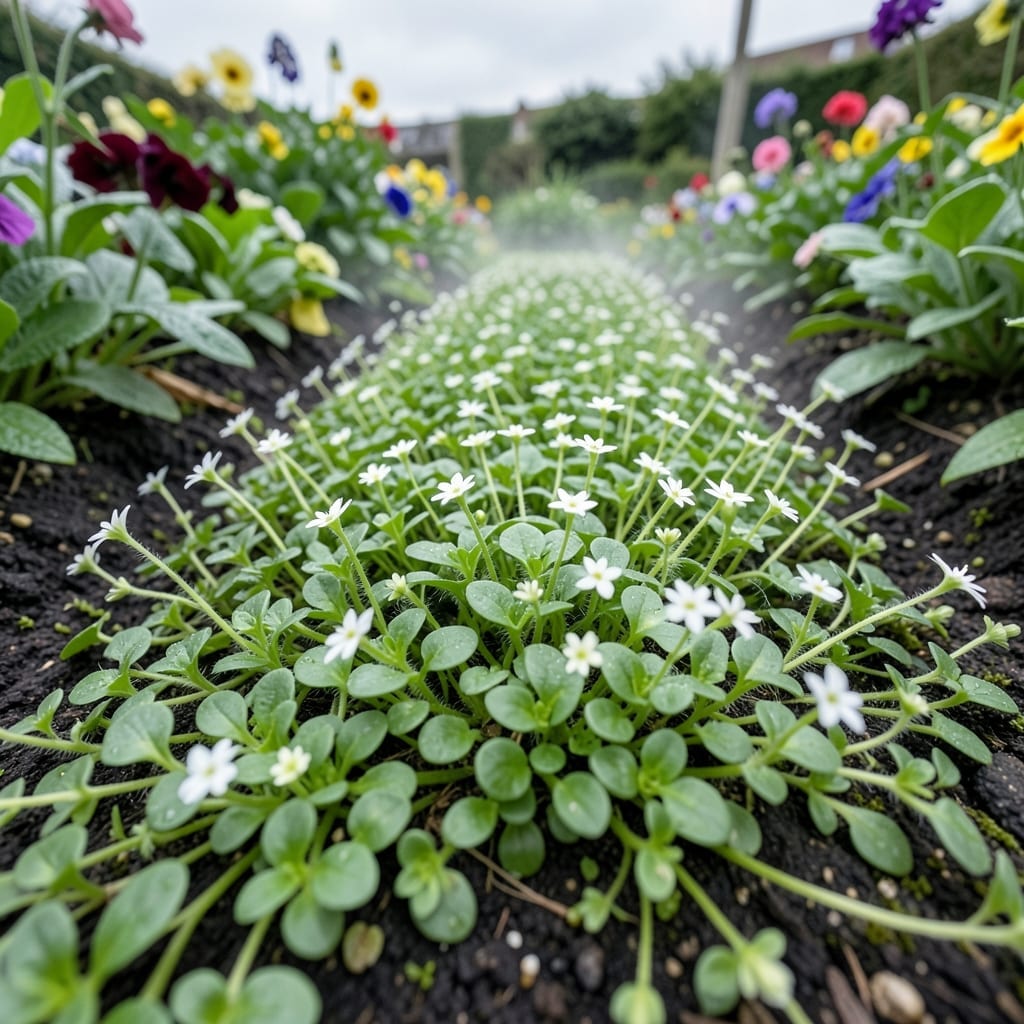
Notice a lush green mat spreading between your prized flowers? Chickweed is likely the culprit, thriving in the cool, damp conditions of UK flower beds.
This fast-growing annual forms dense carpets that can smother seedlings, with its small white star-shaped flowers and oval leaves creating a deceptively pretty ground cover. It germinates quickly and can complete its life cycle in just a few weeks, making it a persistent nuisance.
Ideal for gardeners who need to stay vigilant in spring and autumn, when this weed is most active. 🌱
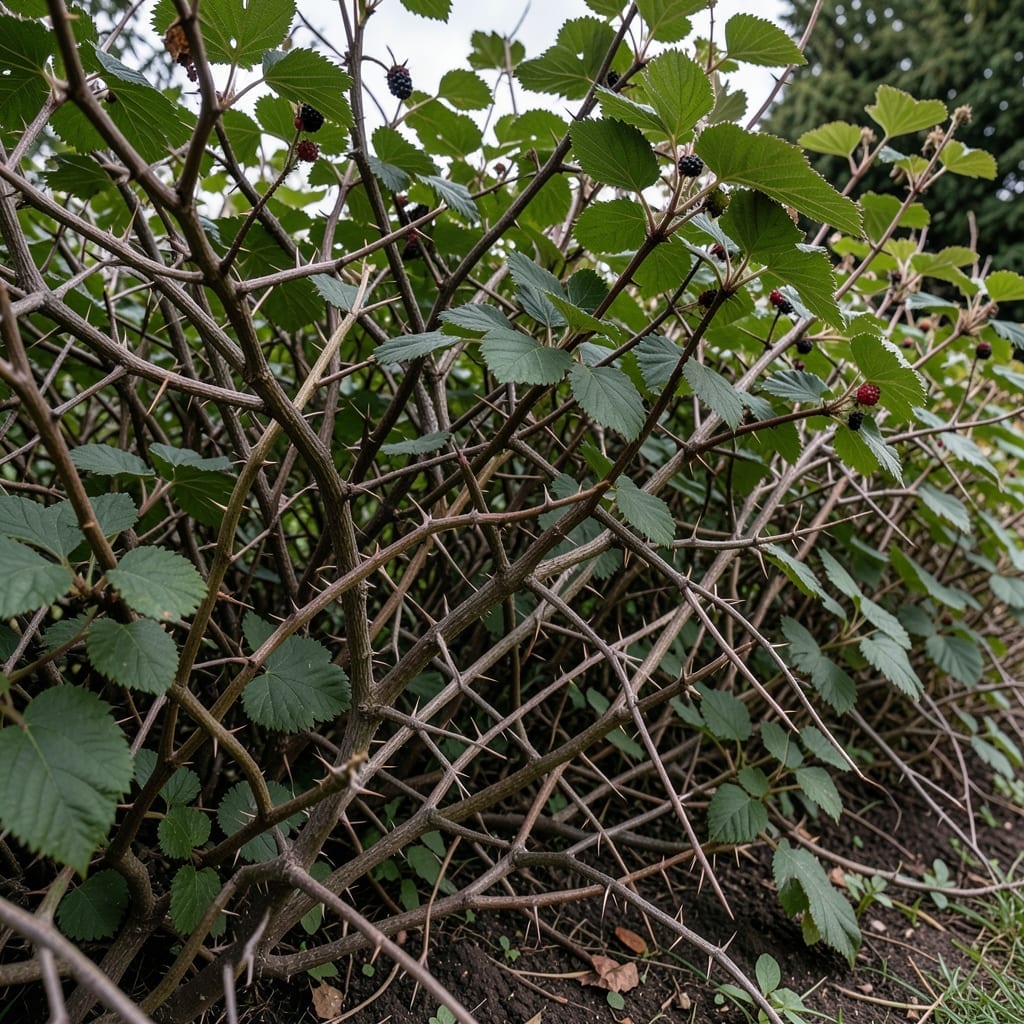
See a tangled mass of thorny stems spreading across your garden’s edge? This is bramble, a wild relative of blackberries that can quickly turn neglected corners into impenetrable thickets.
Its vigorous growth and sharp thorns make it a challenge to remove, especially once established. Bramble thrives in woodland edges and untended areas, often outcompeting other plants and creating a haven for pests.
Gardeners in rural or semi-wild areas need to act early—regular pruning and root removal can prevent this invader from taking over. 🌿
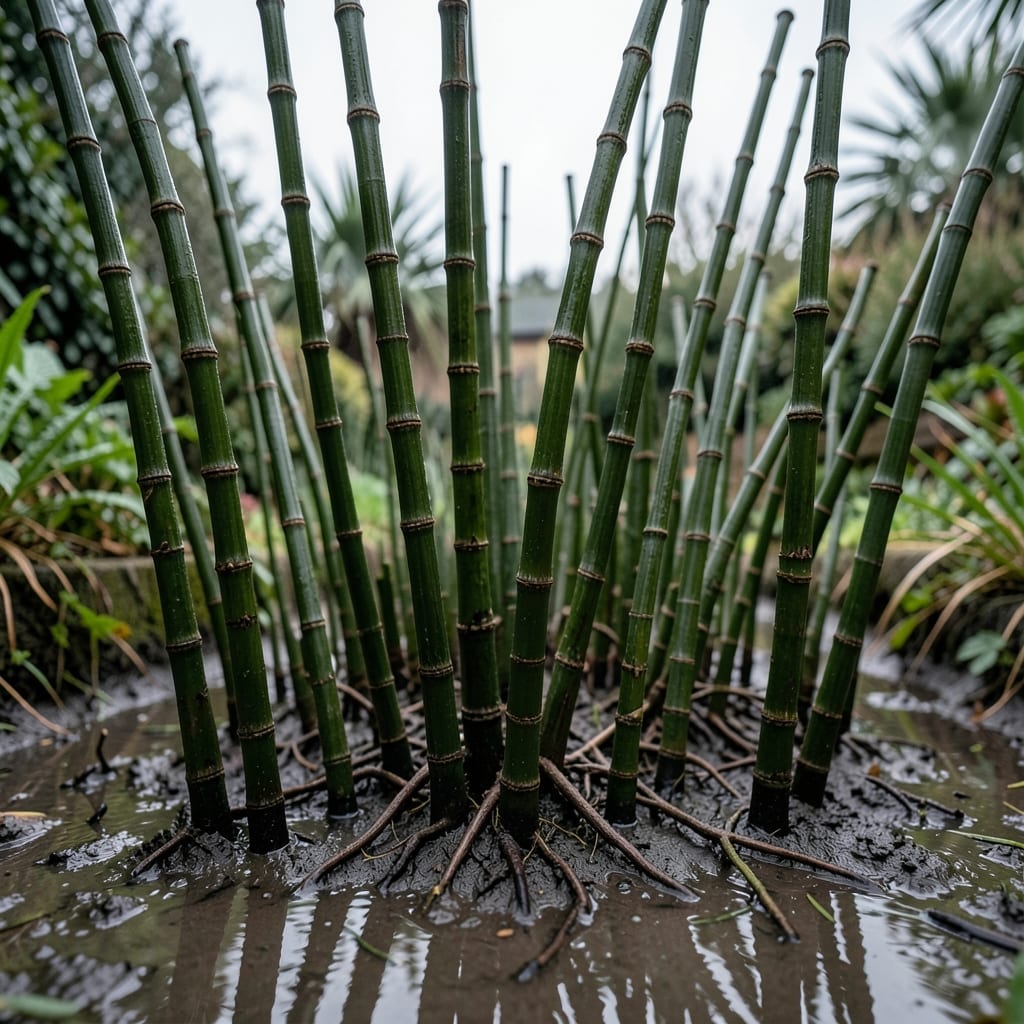
Don’t be fooled by its prehistoric charm—horsetail is a living fossil that can turn your damp garden spots into a bamboo-like jungle. This ancient plant thrives where others drown, making it a common sight in waterlogged UK soils.
Its hollow, jointed stems spread aggressively via underground rhizomes, often outcompeting less hardy plants. While it’s fascinating to observe, its invasive nature means you’ll need to act fast to prevent it from taking over wet areas.
Perfect for gardeners dealing with poor drainage, but be prepared for a determined foe. 🌱
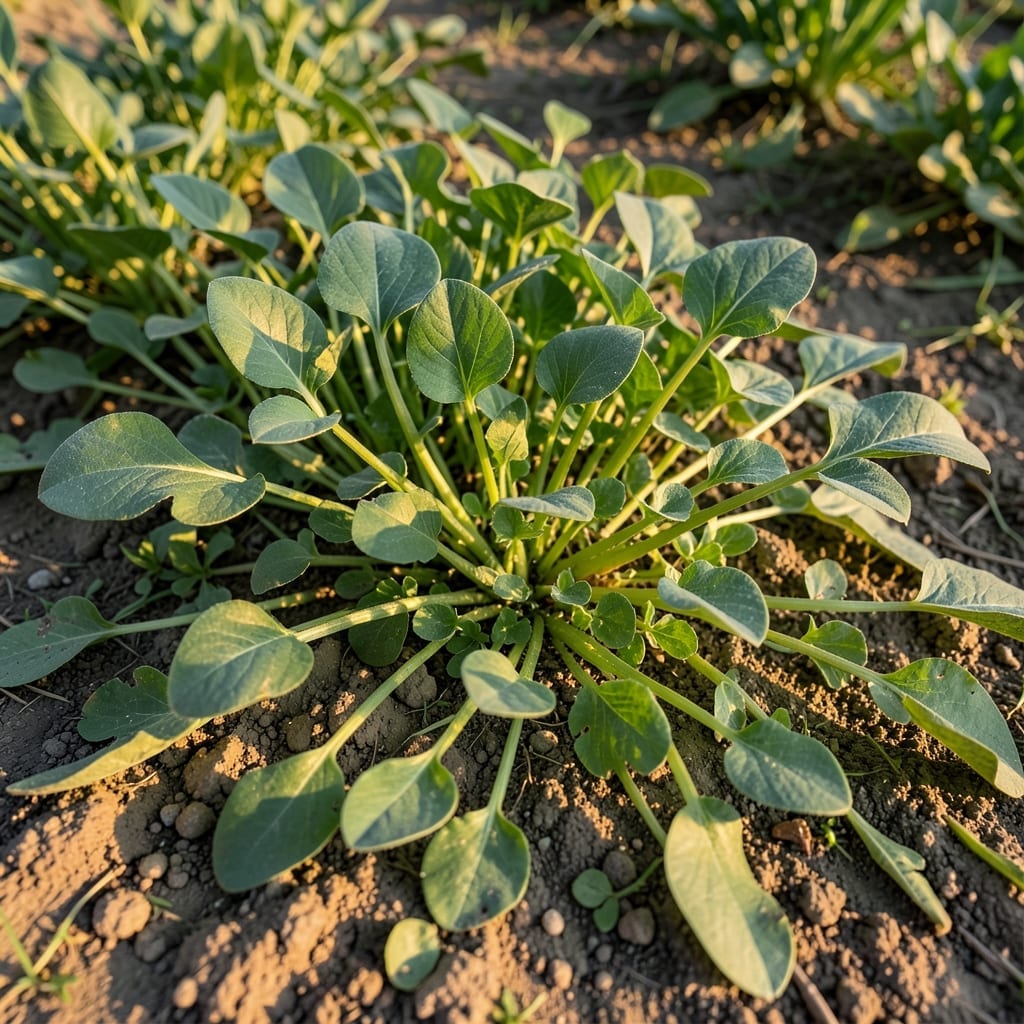
Don’t mistake that diamond-shaped leafy intruder in your veggie patch for a young beet—it’s likely fat hen, a fast-growing annual that aggressively competes with your crops.
This weed thrives in disturbed soil, quickly forming dense stands that steal sunlight and nutrients from your vegetables. Its rapid growth means it can overtake carrot rows or lettuce patches in just weeks, making early identification and removal crucial.
Vegetable gardeners should stay vigilant, especially in spring, to pull it before it flowers and sets seed. 🌱
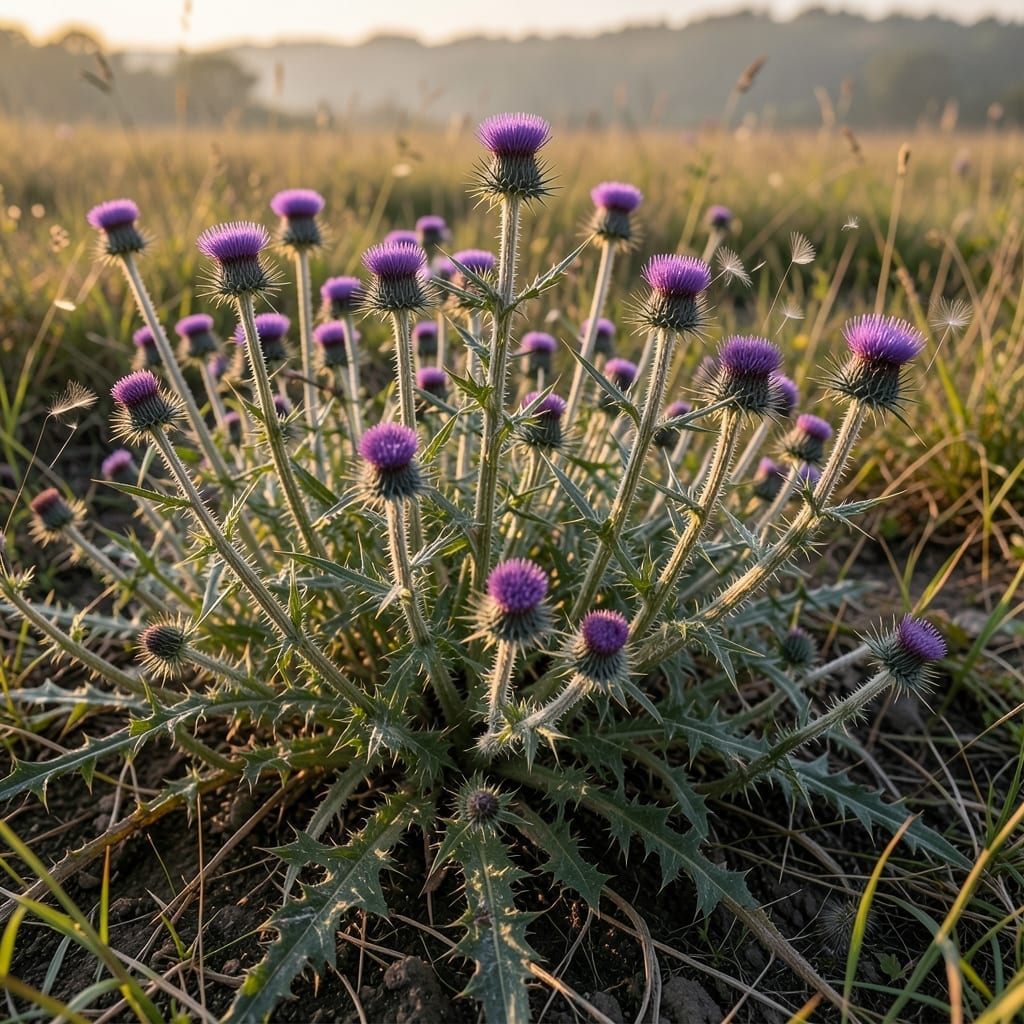
Those purple flower heads and sharp spines in your meadow aren’t just an eyesore—they’re creeping thistle, a perennial that forms stubborn colonies through extensive underground runners.
This invasive plant spreads rapidly, with each patch capable of producing thousands of wind-dispersed seeds. Even if you remove the visible growth, the underground network often regrows, making complete eradication a multi-season effort.
If you spot this thorny invader, act quickly—regular mowing or digging can help control its spread before it dominates your garden space. 🌿
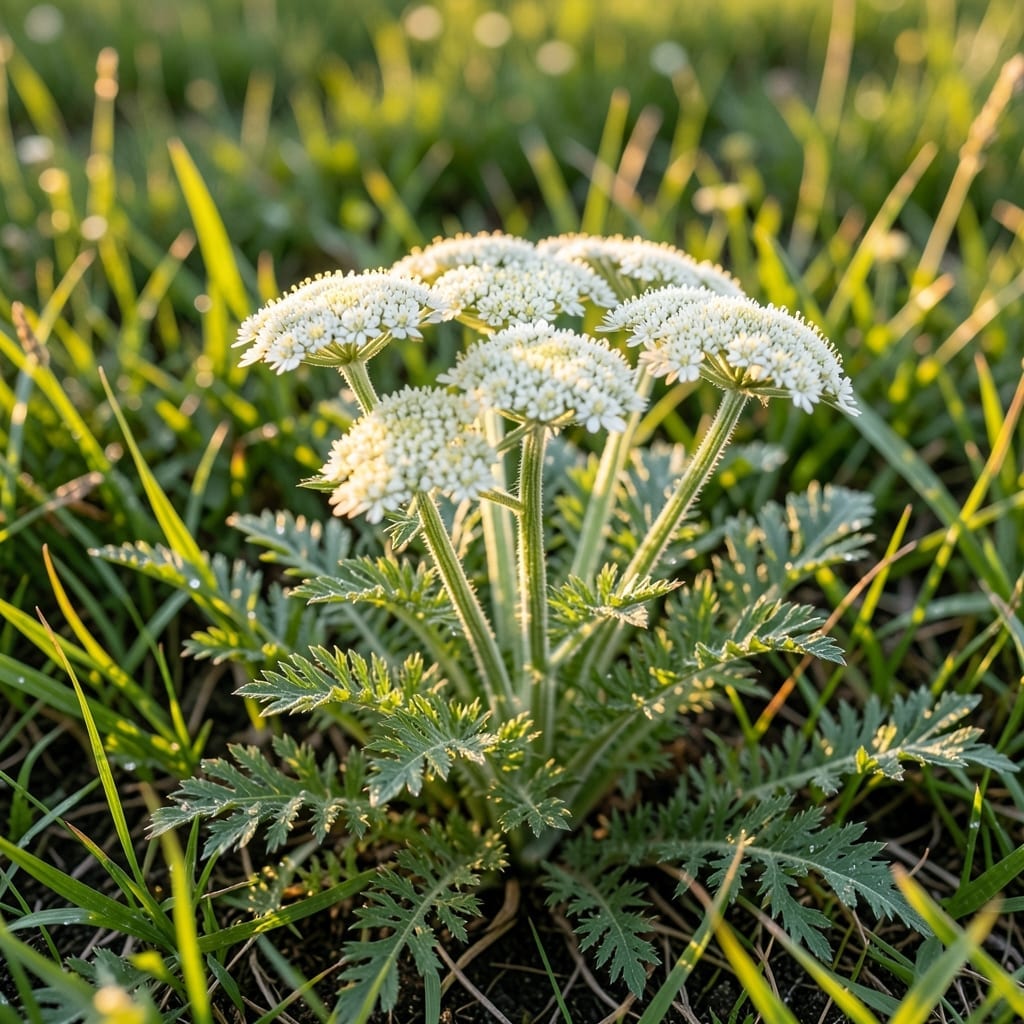
That delicate fern-like foliage with flat clusters of white flowers in your meadow might be yarrow—a hardy perennial that seems harmless until it starts spreading aggressively.
This plant propagates via both seeds and rhizomes, quickly establishing itself in lawns and grasslands. Its resilience allows it to thrive in poor soils and dry conditions, often outcompeting less vigorous grasses and wildflowers. Regular mowing can help control its spread, but complete removal requires persistence.
Ideal for gardeners who want to maintain wildflower meadows or lawns without invasive takeovers. 🌿