
Beautiful Plants For Your Interior
Beautiful Plants For Your Interior
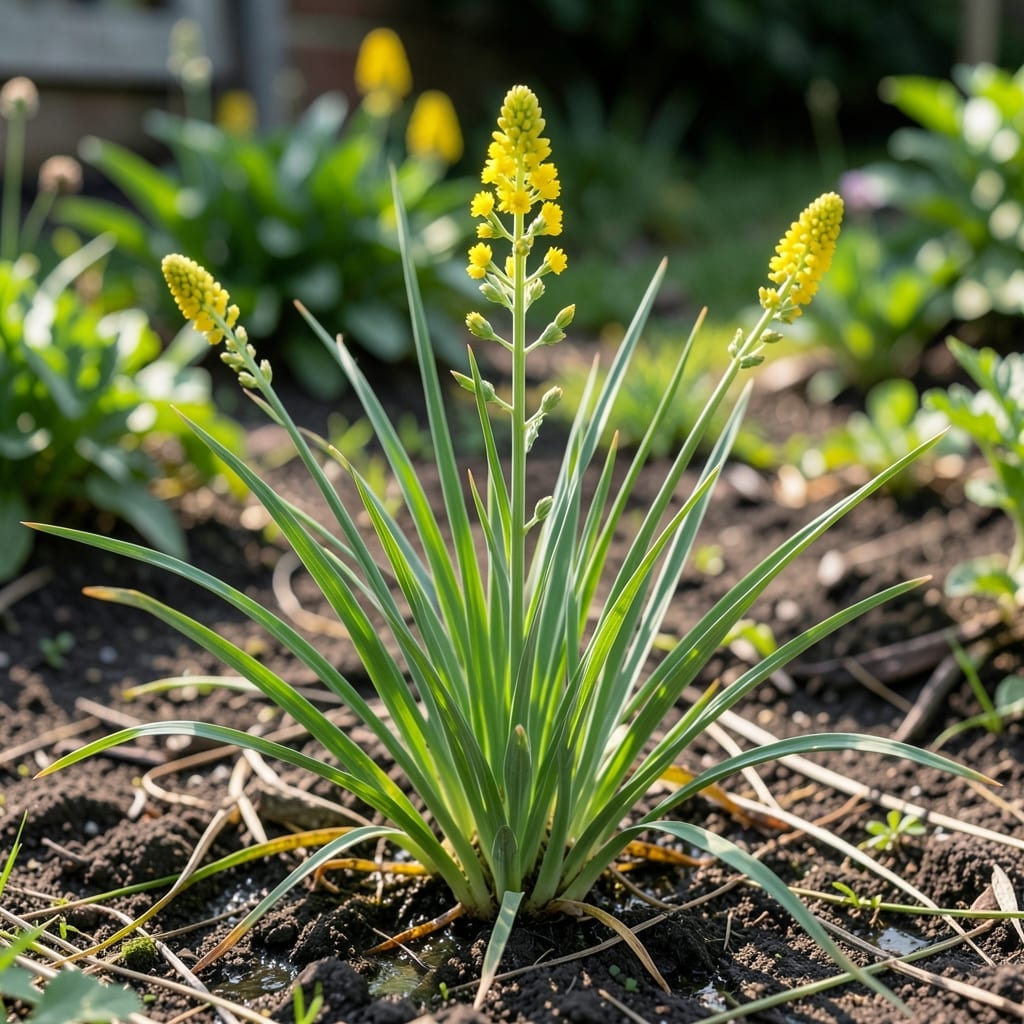
That bright yellow invader in your flower beds isn’t just pretty—it’s plotting a takeover. I’ve battled this same weed in my own garden, and the seed pods mean it’s already spreading faster than you think.
It’s likely creeping buttercup or wild mustard, both notorious for their persistent roots and explosive seed dispersal. Left unchecked, they’ll choke out your prized plants and leave you with a yellow carpet instead of a garden.
Here’s the thing—hand-pulling works, but only if you get the entire root system. Miss even a piece, and it’ll bounce back stronger. Timing matters too: tackle it before those seed pods open.
With the right approach, you can reclaim your garden in a weekend. I’ll show you how to spot it early and stop it for good.
Understanding why weeds with yellow flowers and seed pods thrive in your garden or lawn can help you prevent their spread. Here are the most common causes:
Many yellow-flowering weeds, like Brassica or Mustard species, thrive in disturbed soil. Tilling, over-plowing, or even foot traffic can expose buried seeds, allowing them to germinate. Poor lawn maintenance—such as irregular mowing or thin grass—creates open spaces for these weeds to take root.
Seed pods are nature’s way of spreading plants far and wide. Weeds like Yellow Rocket (Barbarea vulgaris) or Black Mustard (Brassica nigra) produce pods that burst open, scattering seeds via wind. Birds, rodents, and even pets can also carry seeds to new locations, introducing these weeds to your yard.
Yellow-flowering weeds often flourish in full sun and well-drained soil. If your garden has bare patches with ample sunlight, these weeds will quickly colonize the space. Some, like Charlock (Sinapis arvensis), are also drought-tolerant, making them resilient in dry or neglected areas.
Weeds prosper where desirable plants struggle. Thin lawns, sparse flower beds, or areas with weak plant competition give these weeds the perfect opportunity to dominate. Without dense, healthy vegetation to outcompete them, they’ll spread rapidly.
Tackling unwanted plants with bright blooms and pods can feel overwhelming, but these hands-on fixes make it manageable. Below are targeted solutions for common scenarios.
If the infestation is limited, pull by hand early in the growing season. Use a weeding tool to extract the entire root to prevent regrowth. Wear gloves to protect your hands from irritation. Pro tip: 💡 Pull after rain when soil is soft for easier removal.
For widespread growth, apply a selective herbicide labeled for broadleaf weeds. Spot-treat to avoid harming nearby plants. Follow label instructions for mixing and timing. Prevention tip: 🎯 Reapply as needed, but avoid overuse to prevent resistance.
Prefer a chemical-free approach? Boiling water or a vinegar-salt solution (1 gallon of vinegar + 1 cup of salt + 1 tbsp dish soap) can kill weeds. Apply directly to leaves on sunny days for best results. Pro tip: ✨ Reapply every 1-2 weeks until the weeds die.
Stop new growth by covering soil with mulch (wood chips, straw, or cardboard). This blocks sunlight and suppresses seeds. Prevention tip: 🌡️ Refresh mulch every 6 months for long-term control.
Consistency is key—combine methods for the best results!
Yes, it can crowd out desirable plants by competing for sunlight, water, and nutrients. Some varieties, like wild mustard, may also release chemicals that inhibit the growth of nearby vegetation.
Avoid composting seed pods, as they may survive and sprout in your compost pile. If the plant hasn’t gone to seed, it’s safe to compost, but always check for mature pods first.
Very quickly! A single plant can produce hundreds of seeds, and wind or animals can disperse them far. In ideal conditions, they can overtake a garden in just a few weeks.
Mowing can prevent seed formation if done before pods develop. However, it won’t kill the roots, so hand-pulling or herbicides are more effective for long-term removal.