
Beautiful Plants For Your Interior
Beautiful Plants For Your Interior
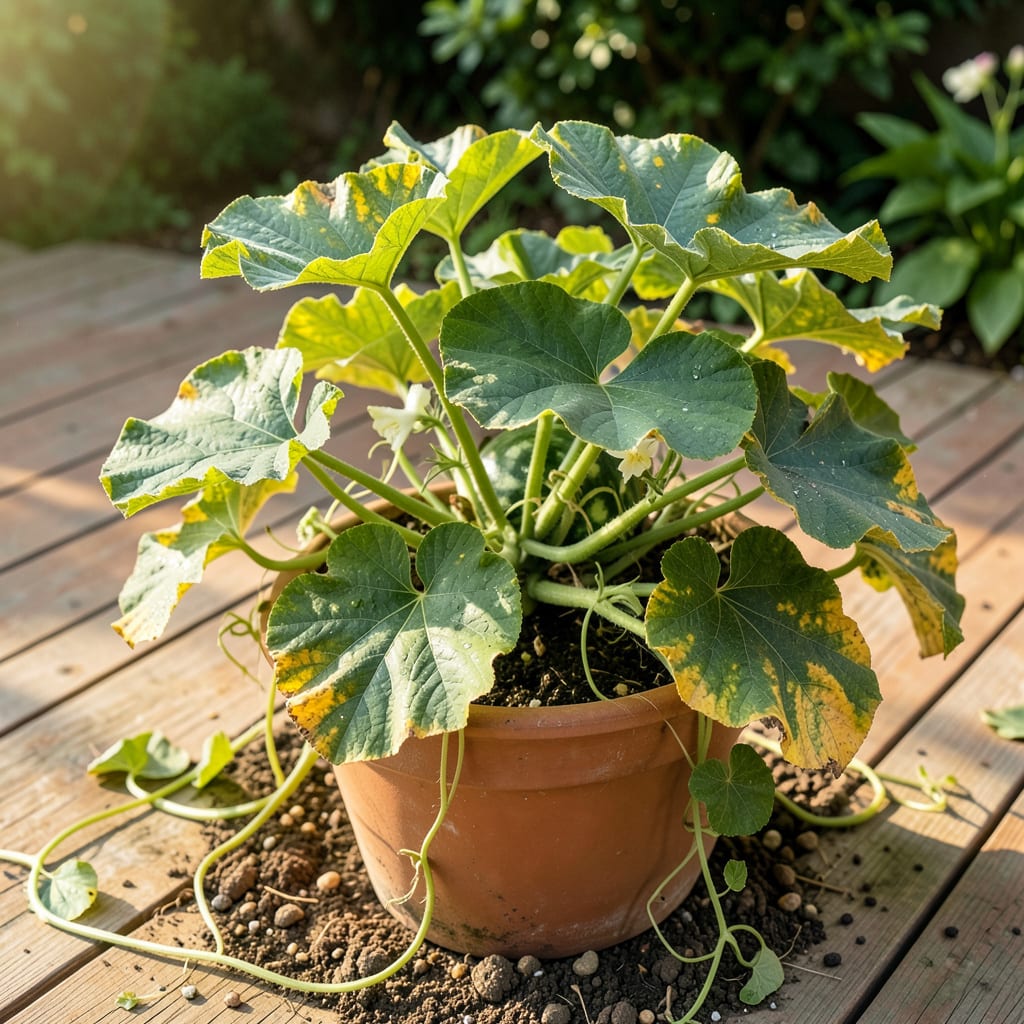
Yellow leaves on watermelon plants scream for attention. I’ve seen entire vines turn in 48 hours when the cause goes untreated, but the good news is that most issues have simple fixes.
This isn’t about guessing—it’s about checking the obvious first. Water stress, nutrient shortages, or pests usually show up in the leaves before anything else. The pattern of yellowing often tells you exactly what’s wrong.
You’ll restore vibrant green growth once you address the root cause. Most plants bounce back within a week of proper treatment, and the vines often look better than before the problem started.
Works for container plants, garden beds, or even struggling vines you’re ready to give up on. Here’s how to play plant detective.
Yellowing leaves on your watermelon plant are often a sign of underlying stress. Here are the most common causes, explained simply:
Watermelons are heavy feeders. A lack of nitrogen causes uniform yellowing (starting with older leaves), while magnesium or iron deficiencies trigger interveinal chlorosis—yellowing between leaf veins. Test soil with a kit and amend with a balanced fertilizer (10-10-10) or Epsom salt (for magnesium).
Too much water drowns roots, blocking oxygen uptake. This leads to yellowing, often accompanied by wilting. Check soil moisture 2 inches deep—if soggy, reduce watering and improve drainage with compost or raised beds.
Powdery mildew (white powdery spots) and downy mildew (yellow patches on upper leaves) thrive in humid conditions. Treat with neem oil or copper-based fungicides, and space plants for airflow.
Aphids, spider mites, and whiteflies suck sap from leaves, causing yellow stippling or curling. Inspect undersides of leaves and blast pests off with water or apply insecticidal soap.
Extreme heat, cold snaps, or sudden temperature swings can shock plants. Yellowing may appear on exposed leaves. Use row covers for cold protection and mulch to regulate soil temperature.
Addressing yellowing leaves on your watermelon plants starts with identifying the root cause. Below are targeted fixes for common issues, along with prevention tips to keep your vines thriving.
Fix: Reduce watering frequency and ensure the soil drains well. Let the top 1-2 inches of soil dry out between waterings. If the soil is waterlogged, improve drainage by amending with compost or sand.
Prevention: Plant in raised beds or containers with drainage holes. Use a moisture meter to monitor soil conditions. 💡 Pro tip: Water deeply but less often to encourage strong root growth.
Fix: Test your soil to confirm deficiencies. For nitrogen deficiency, apply a balanced fertilizer (10-10-10) or organic options like compost. For iron or magnesium shortages, use chelated iron or Epsom salt (1 tablespoon per gallon of water) as a foliar spray.
Prevention: Enrich soil with organic matter before planting. Side-dress with compost mid-season for a nutrient boost.
Fix: Inspect leaves for aphids, spider mites, or whiteflies. Spray with insecticidal soap or neem oil, focusing on the undersides of leaves. Remove heavily infested leaves to prevent spread.
Prevention: Encourage beneficial insects like ladybugs by planting companion flowers. Rotate crops annually to disrupt pest cycles.
Fix: Remove and destroy infected leaves to prevent spread. Apply a copper-based fungicide or bacterial spray, following label instructions. Improve air circulation by spacing plants properly.
Prevention: Avoid overhead watering—use a drip irrigation system. Clean garden tools and avoid working with wet plants to limit disease transmission.
Fix: Shield plants from extreme heat with shade cloth during peak sunlight. If cold snaps are the issue, cover young plants with row covers. Ensure consistent moisture during dry spells.
Prevention: Harden off seedlings before transplanting. Mulch around plants to retain soil moisture and regulate temperature.
Water deeply 1-2 times per week, allowing the top 1-2 inches of soil to dry between waterings. Overwatering causes yellowing and root rot. Use a moisture meter for accuracy.
Severely yellow leaves won’t recover, but new growth will be green once you fix the issue. Focus on correcting the underlying problem to save the rest of the plant.
Apply a balanced 10-10-10 fertilizer or side-dress with compost. For quick results, use a foliar spray of diluted fish emulsion. Improvements appear within 1-2 weeks.
Yes, if they’re diseased or heavily damaged. For nutrient-related yellowing, wait until new growth appears. Always use clean tools to prevent spreading infections.
