
Beautiful Plants For Your Interior
Beautiful Plants For Your Interior
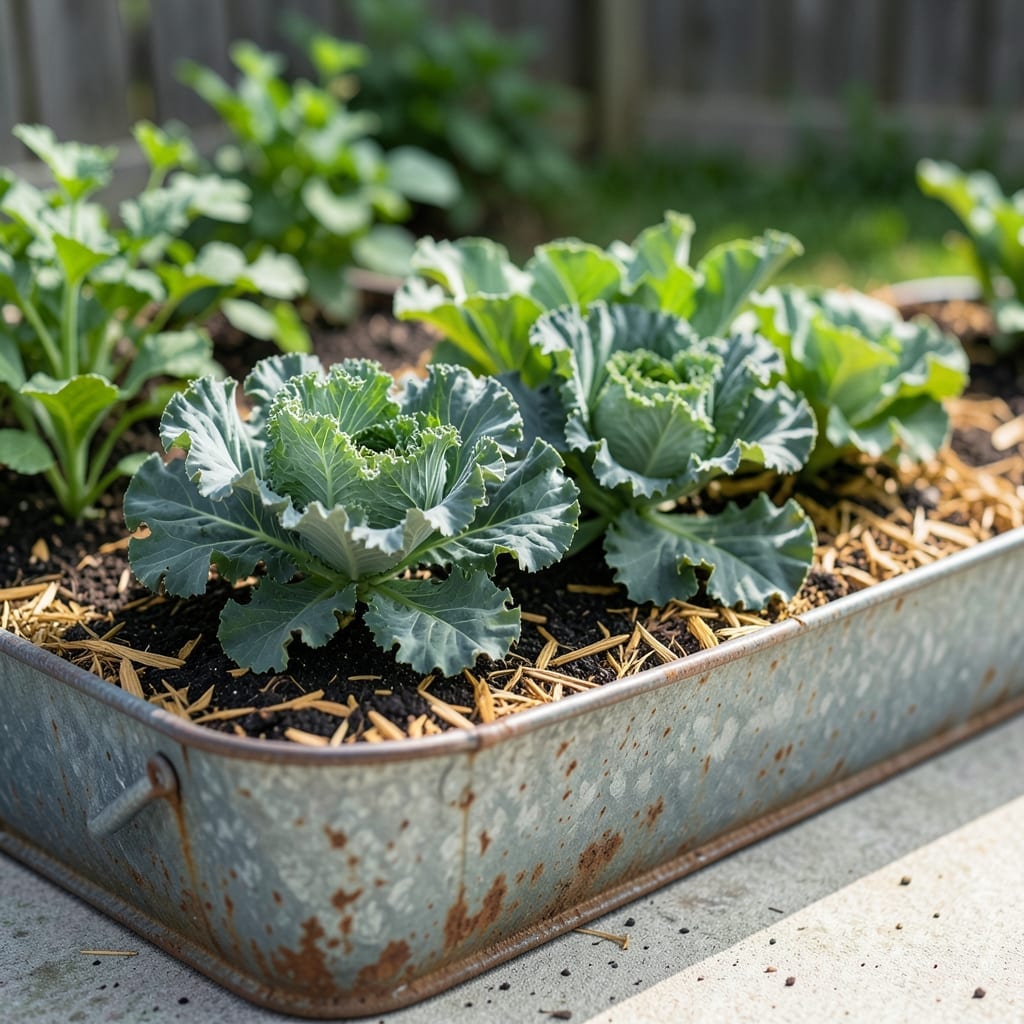
Looking for a durable garden solution that stands out? Water troughs offer a unique twist on traditional Raised Garden Bed 🌱 setups, combining rustic charm with modern functionality.
These repurposed containers provide excellent drainage and long-lasting materials, making them ideal for growing everything from herbs to vegetables. Their deep design supports healthy root development.
Discover how to transform a simple trough into a stylish, productive garden space that enhances your outdoor area while requiring minimal upkeep.
I love how water trough raised beds combine durability with rustic charm. Their galvanized steel construction resists rust and pests, making them a long-lasting garden solution.
These beds offer excellent drainage while their depth accommodates deep-rooted plants like tomatoes and carrots. Plus, they’re portable if you need to move them for sunlight or seasonal changes. 🌱
The deep design of troughs allows for better soil volume, which means less frequent watering and more stable temperatures for plant roots. This is especially helpful during droughts or heatwaves.
I’ve found they’re perfect for small spaces like patios or balconies. Their waist-high elevation reduces bending, making gardening more accessible for all ages.
Galvanized steel won’t rot or warp like wood, and it’s resistant to extreme weather, from heavy rain to intense sun. This makes trough beds ideal for year-round use in most climates.
For vegetable gardeners, troughs provide excellent growing conditions for leafy greens, herbs, and compact varieties of peppers or tomatoes. The contained space also makes crop rotation easier.
Their sleek metal finish complements both modern and rustic garden designs. I’ve seen them used as standalone features or grouped together for a stunning visual impact.
Another advantage is their quick setup. Unlike traditional raised beds that require construction, water troughs are ready to plant once you add drainage holes and quality soil.
Whether you’re a beginner or seasoned gardener, these beds offer a low-maintenance way to grow a productive garden with style and function. 🌿
Transforming a water trough into a raised garden bed is simpler than you think. Start by selecting a galvanized steel trough that fits your space and plant needs. I recommend 4-6 foot models for most gardens.
First, ensure proper drainage by drilling ½-inch holes every 12 inches along the bottom. This prevents waterlogging and promotes healthy root growth. 🌱
For optimal placement, choose a spot with full sun exposure and level ground. If your trough is deep, consider adding a soil mix with perlite to improve aeration.
I’ve found that elevating the trough on bricks or blocks improves drainage and makes access easier. This also helps prevent metal contact with moist soil, extending the bed’s lifespan.
When filling your trough, layer the bottom with 2-3 inches of coarse gravel before adding soil. This creates a French drain effect that keeps roots happy during heavy rains.
For vegetable gardening, mix in organic compost to provide essential nutrients. I like to add a slow-release fertilizer at planting time for consistent feeding throughout the season.
🌿