
Beautiful Plants For Your Interior
Beautiful Plants For Your Interior
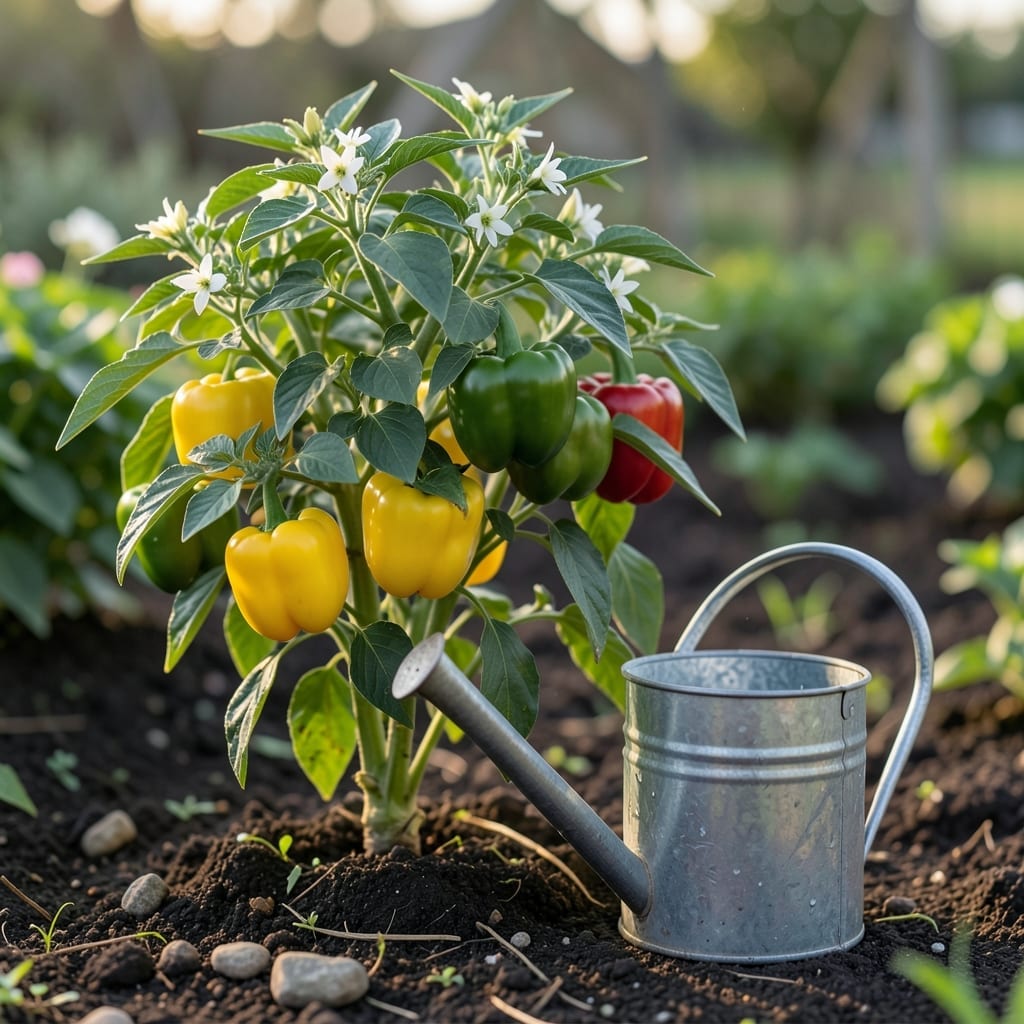
Imagine adding a splash of unique flavor and beauty to your garden with minimal effort. The Water Pepper 🌶️ is one of those rare plants that rewards you with both visual appeal and culinary potential.
Growing this versatile plant isn’t as complicated as you might think. With the right approach, you can cultivate healthy, thriving Water Pepper that stands out in any garden setting.
I’ve discovered that the key lies in understanding its simple needs. From planting to daily care, every step brings you closer to a lush, productive harvest.
Let me walk you through the essentials of nurturing this fascinating plant. You’ll be amazed at how easily it can transform your outdoor space.
Getting the watering schedule right is crucial for your water pepper plant. I’ve found that consistent moisture without waterlogging works best for this unique species. Aim for 1-2 inches of water weekly during the growing season.
The best time to water is in the early morning, preferably before 10 AM. This allows the foliage to dry before evening, reducing the risk of fungal diseases that can harm your plant.
| Requirement | Specification |
|---|---|
| Water Frequency | Weekly |
| Water Amount | 1-2 inches |
| Best Time | Morning |
| Fertilizer Type | Balanced 5-10-10 |
| Fertilizer Frequency | Every 4-6 weeks |
When it comes to fertilizing, I recommend using a balanced 5-10-10 fertilizer. Apply 1 tablespoon per plant every 4-6 weeks during the growing season. This provides the nutrients needed for healthy growth.
The early morning is also ideal for fertilizing. It gives the plant time to absorb the nutrients before the heat of the day.
During summer, you might need to increase watering to twice a week, especially in hotter climates. The plant’s medium water needs mean it’s somewhat drought-tolerant but prefers consistent moisture.
In winter, scale back to bi-weekly watering. The plant’s growth slows during colder months, so it requires less water. Always check the soil moisture before watering to avoid over-saturation.
For potted water pepper plants, water every 3-5 days. Containers dry out faster than garden soil, so monitor the moisture level closely. Ensure your pots have drainage holes to prevent waterlogging.
The soil type matters too. Water pepper thrives in well-draining soil rich in organic matter. If your soil is heavy clay, amend it with compost to improve drainage and fertility.
Finally, watch for signs of overwatering, like yellowing leaves or wilting. These indicate the roots may be suffocating. Adjust your watering schedule accordingly to keep your water pepper plant healthy and thriving. 🌱
Growing water pepper plants can be rewarding, but even experienced gardeners make mistakes. I’ve seen overwatering and poor soil choices ruin healthy specimens.
One common pitfall is ignoring drainage. These plants thrive in moist but well-draining soil, so soggy conditions spell trouble.
⚠️ Watch Out!
Avoid waterlogged soil and planting in shade. Water pepper needs full sun and consistent moisture without standing water.
Another mistake is skipping soil prep. I always amend with compost before planting to ensure rich, fertile ground. This boosts growth and prevents nutrient deficiencies.
Many gardeners also overlook spacing. Crowding leads to poor air circulation and disease risks. I recommend 18-24 inches between plants for optimal health.
Finally, inconsistent watering can stress the plant. Stick to a regular schedule, especially during hot summers, to maintain steady growth.
With these tips, you’ll avoid the most common issues and enjoy a thriving water pepper plant all season long 🌿