
Beautiful Plants For Your Interior
Beautiful Plants For Your Interior
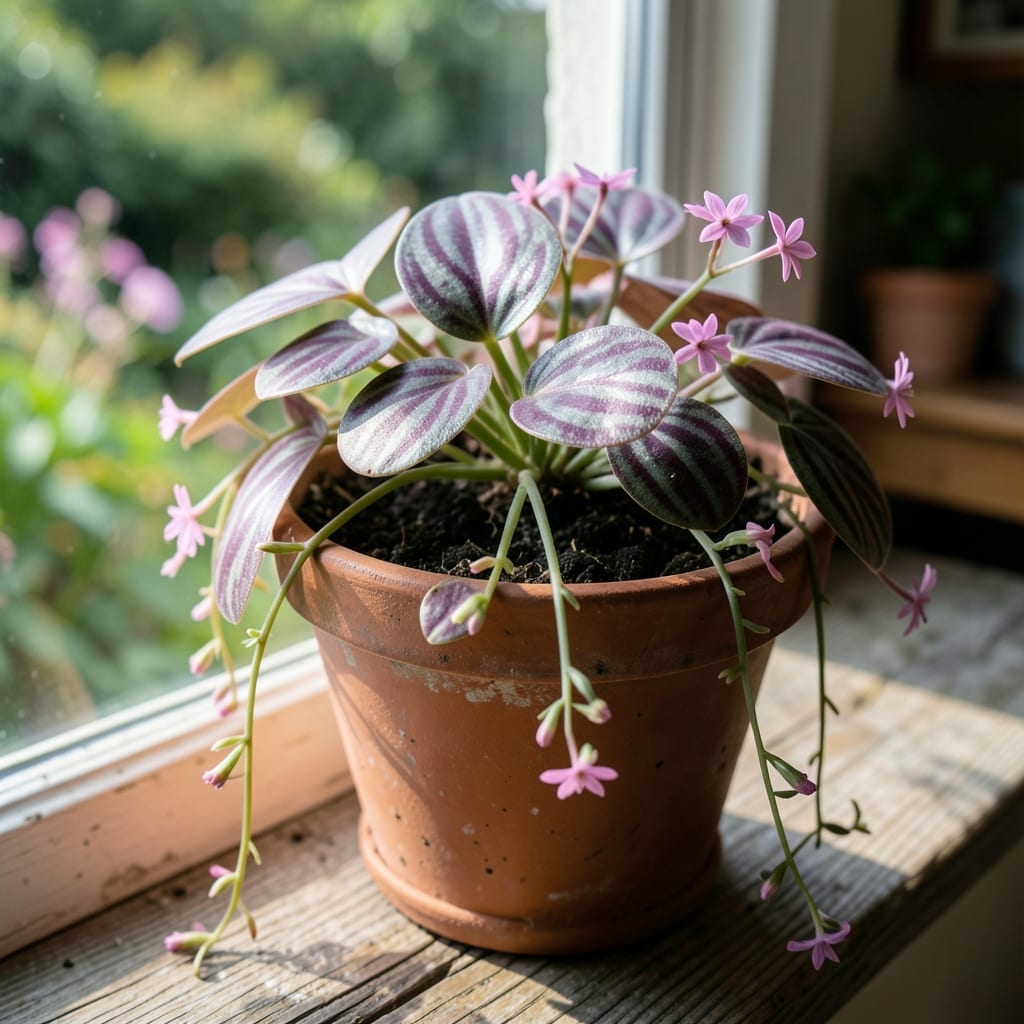
The Wandering Jew 🌿 with its stunning striped leaves can transform any space, but its vibrant colors depend entirely on the right light exposure. Too much sun fades its beauty, while too little leaves it weak and leggy.
I’ve learned through trial and error that finding that perfect balance makes all the difference. The good news? It’s simpler than you might think to create ideal conditions.
Discover how to give your plant the light it needs to thrive with rich, vivid foliage all year long.

The Wandering Jew thrives in bright indirect light, which brings out its most vibrant leaf colors. Direct sunlight can scorch its delicate foliage, while too little light causes leggy growth and dull hues.
I’ve found that 4-6 hours of gentle morning or late afternoon sun works best. The plant’s striped patterns intensify under these conditions, making it a showstopper in any collection. ☀️
| Requirement | Specification |
|---|---|
| Ideal Light | Bright indirect |
| Direct Sun Tolerance | Low (1-2 hours max) |
| Daily Light Hours | 4-6 hours |
| Best Window Direction | East or West |
| Low Light Tolerance | Yes, but colors fade |
For indoor Wandering Jew, an east-facing window is ideal. It provides gentle morning light without the harsh midday rays. A west window works too, but watch for leaf scorching in hot afternoons. 🌿
If your space lacks natural light, a grow light can supplement. Place it 12-18 inches above the plant for 12-14 hours daily. LED grow lights are energy-efficient and mimic natural sunlight well.
Leaf color is your best indicator. Deep purples and silvers mean your plant is happy. If leaves turn green or pale, it’s craving more light. Move it closer to a window gradually to avoid shock.
In outdoor settings, keep Wandering Jew in partial shade. Under a tree canopy or patio cover works perfectly. Avoid full sun, especially in hot climates, as it can bleach the leaves.
I always rotate my Wandering Jew quarter-turn weekly for even growth. This prevents the plant from leaning toward the light source and ensures all sides get equal exposure.
Remember, seasonal changes affect light intensity. In winter, move plants closer to windows. In summer, pull them back or use sheer curtains to diffuse harsh rays. ✂️
For the bushiest growth, combine proper light with regular pinching. This encourages branching and creates a fuller, more compact plant that showcases its stunning foliage even better.
Your Wandering Jew will tell you when it’s struggling with light. The first sign I notice is leggy growth, where stems stretch out with sparse leaves, reaching desperately for more light.
Another red flag is fading leaf color. Those beautiful stripes lose their intensity, turning dull green instead of vibrant purple or silver. This happens because the plant isn’t producing enough chlorophyll to maintain its signature hues. 🌿
⚠️ Warning: Slow growth and smaller leaves also signal light deficiency. Without enough light, your plant conserves energy, producing fewer, weaker leaves.
If you see yellowing leaves, it might be getting too much direct sun. This is different from the natural aging process—sunburnt leaves develop dry, crispy edges. Move your plant back from the window immediately.
I’ve learned that leaf drop can also indicate light stress. When a Wandering Jew sheds leaves unexpectedly, check its light exposure first. It’s often the simplest fix for a dramatic problem.
For indoor plants, if you notice it leaning heavily toward the light source, that’s a clear sign it needs more. Rotate the pot quarter-turn weekly to encourage even growth and prevent permanent leaning. ☀️
Don’t wait for multiple signs to appear. At the first hint of fading colors or stretched stems, adjust your plant’s position. A little change in location can restore its vibrancy within weeks.
Remember, seasonal changes affect light availability. In winter, even a previously happy plant might show signs of light deficiency. Be prepared to move it closer to windows during shorter days. ✂️