
Beautiful Plants For Your Interior
Beautiful Plants For Your Interior
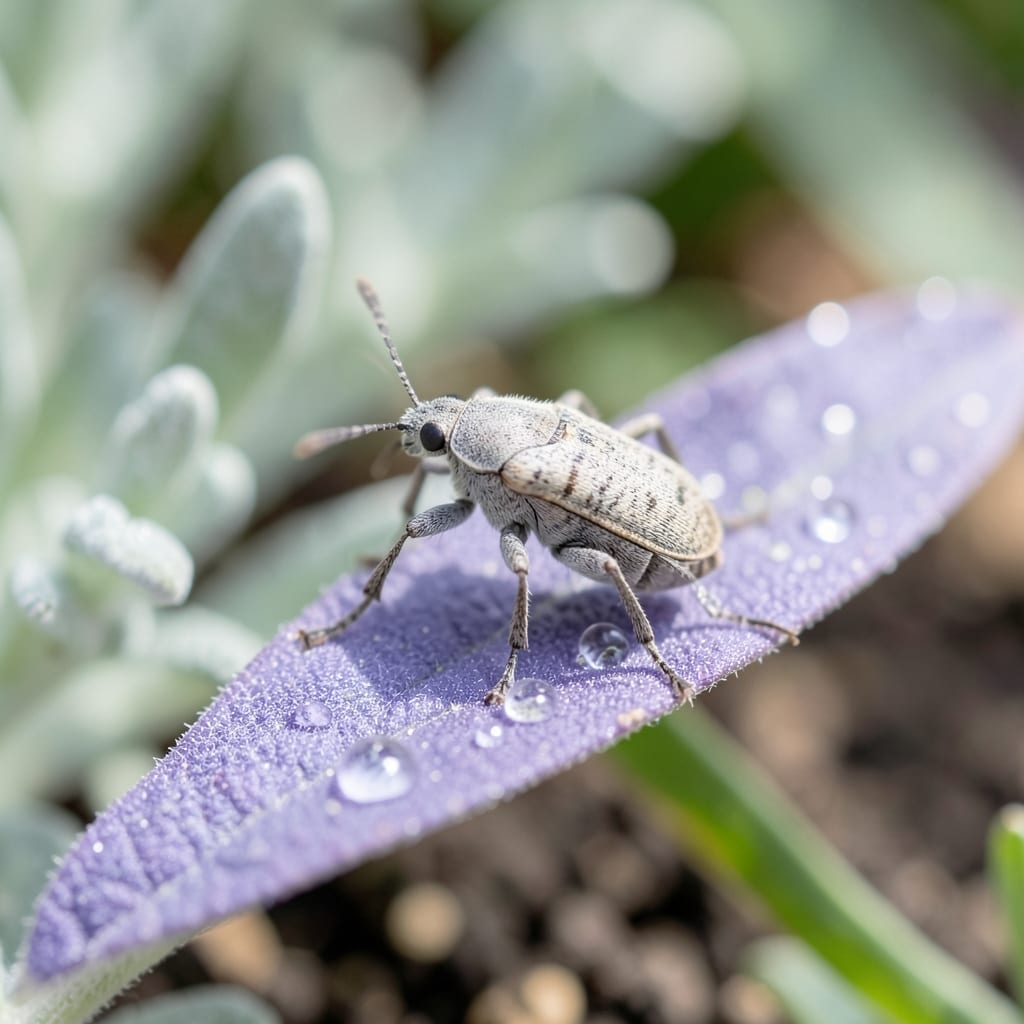
Tiny invaders can wreck your lavender overnight. I first spotted them last summer—small, fast-moving pests that left my plants stunted and weak.
The damage starts subtle: yellowing leaves, slowed growth. But ignore it and you’ll lose entire bushes. These bugs thrive in dry, warm conditions, making lavender their perfect target.
Here’s the thing—organic prevention works better than panic spraying. A little vigilance now saves you heartbreak later.
Healthy plants resist pests naturally. With the right approach, your lavender will stay vibrant and thriving all season.
The walking lavender bug (a common term for lavender lace bugs or similar pests) typically appears due to a mix of environmental and plant-health factors. These pests thrive under specific conditions, often signaling an imbalance in your garden’s ecosystem.
Dense foliage restricts airflow and traps moisture, creating a humid microclimate that lace bugs love. Lavender, in particular, needs pruning to prevent overgrowth. Without it, pests move in undetected. Action: Thin out stems annually to improve ventilation.
Lavender is drought-tolerant, but soggy soil or frequent overhead watering encourages fungal growth and weakens the plant, making it vulnerable to infestations. Action: Water at the base, early in the day, and ensure well-draining soil.
While lavender loves heat, prolonged drought stress or extreme temperatures can weaken its natural defenses. Stressed plants emit chemical signals that attract pests like lace bugs. Action: Mulch lightly to retain moisture and protect roots during heatwaves.
Beneficial insects like ladybugs, lacewings, and parasitic wasps keep lace bug populations in check. If your garden lacks biodiversity, pests multiply unchecked. Action: Plant companion flowers (e.g., marigolds, alyssum) to attract predator insects.
Dealing with these pests requires a mix of immediate action and long-term prevention. Here’s how to tackle each common cause and keep your plants thriving:
Fix: Let the soil dry out between waterings and ensure pots have drainage holes. Repot plants in well-draining soil if needed.
Prevention: Use a moisture meter to avoid overwatering. Stick to a consistent watering schedule based on your plant’s needs.
Fix: Move plants to a breezier spot or use a small fan to improve airflow. Trim dense foliage to reduce humidity buildup.
Prevention: Space plants apart to allow air to circulate freely. Prune regularly to keep foliage open and airy.
Fix: Isolate affected plants and treat the soil with neem oil or insecticidal soap. Remove heavily infested soil and replace it with fresh, sterilized mix.
Prevention: Inspect new plants thoroughly before bringing them home. Quarantine them for a week to monitor for pests.
Fix: Reduce humidity with a dehumidifier or by improving ventilation. Keep temperatures moderate, especially in indoor growing areas.
Prevention: Avoid grouping plants too closely in humid environments. Use a hygrometer to monitor humidity levels.
💡 Pro tip: Regularly wipe down leaves with a damp cloth to remove dust and deter pests from settling in.
Lavender lace bugs are tiny, 1/8-inch long, with lacy wings and a flat body. They’re light green or tan as nymphs and turn brown as adults. Look for them on the undersides of leaves.
Check for yellow or white stippling on leaves, which indicates feeding damage. Severe cases cause premature leaf drop and stunted growth. Shake stems over white paper to spot the tiny bugs.
Start with a strong blast of water to dislodge nymphs. Apply neem oil or insecticidal soap every 5-7 days until gone. Avoid harsh chemicals to protect pollinators.