
Beautiful Plants For Your Interior
Beautiful Plants For Your Interior
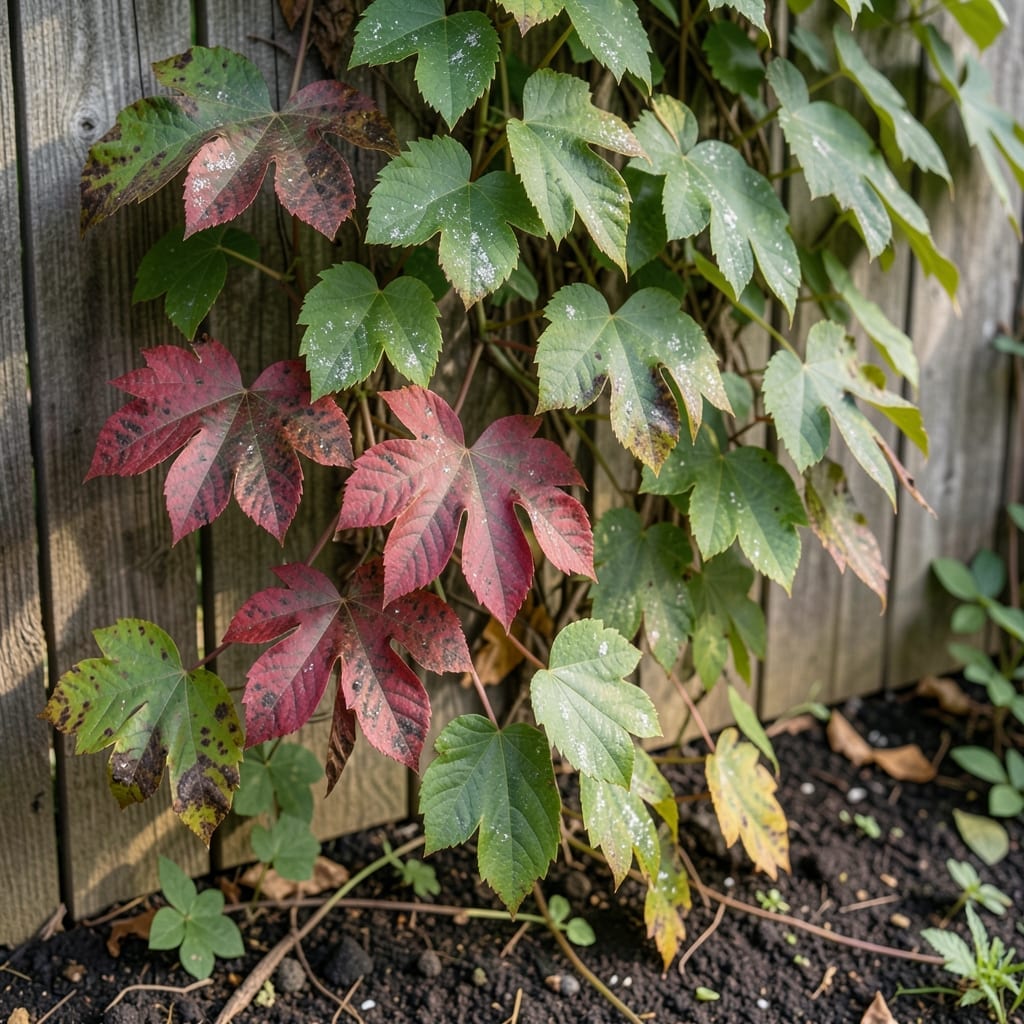
My Virginia creeper went from vibrant to spotted in three days. That first summer, I watched leaf after leaf develop strange patches and drop prematurely, not knowing the early signs could have saved the plant.
Here’s the thing—most issues start with subtle changes: yellowing edges, dark spots, or powdery coatings. Catching them early means the difference between a quick fix and losing the vine entirely.
Organic treatments work surprisingly well when you act fast. Copper sprays, baking soda mixes, or simply improving airflow can stop most diseases in their tracks.
Prevention is simpler than you think: proper spacing, cleanup of fallen leaves, and occasional inspections keep these problems from ever taking hold.
Virginia creeper, a hardy and fast-growing vine, can fall victim to several diseases due to environmental stressors, fungal pathogens, and poor cultural practices. Understanding the root causes helps in prevention and early intervention. Below are the primary triggers behind Virginia creeper diseases.
Fungal diseases like leaf spot and powdery mildew thrive in damp conditions. Overwatering, poor soil drainage, or high humidity create the perfect breeding ground for spores. Phomopsis and Septoria fungi, for example, spread rapidly when foliage remains wet for extended periods. Ensure proper spacing between plants and water at the base to keep leaves dry.
Dense growth or planting in crowded spaces restricts airflow, trapping moisture and encouraging fungal infections. Virginia creeper planted against walls or fences without pruning is especially vulnerable. Regularly thin out excess growth and prune to improve ventilation.
Extreme temperatures, drought, or sudden temperature fluctuations weaken the plant, making it more susceptible to diseases like bacterial leaf scorch. Stress reduces the plant’s natural defenses, allowing pathogens to take hold. Mulching and consistent watering help stabilize growing conditions.
Insects such as aphids, scale, or beetles can damage the plant and introduce secondary infections. Their feeding wounds create entry points for bacteria and fungi. Monitor for pests regularly and use organic treatments like neem oil to deter them.
Weak or malnourished plants are less resistant to disease. A lack of essential nutrients like nitrogen or potassium can stunt growth and compromise immunity. Conduct a soil test and amend with organic fertilizers to maintain plant health.
Tackling Virginia creeper diseases early can save your plant and prevent spread. Below are targeted fixes for common issues, paired with prevention tips to keep your vine thriving.
Fungal or bacterial leaf spots often appear as brown or black patches. Prune infected leaves immediately and dispose of them in the trash (not compost). Thin out dense growth to boost airflow, and avoid overhead watering to keep foliage dry. Apply copper fungicide if the problem persists.
Prevention: Space plants properly, and water at the base in the morning. 💡 Clean up fallen leaves regularly to reduce spores.
White, powdery coatings on leaves signal mildew. Mix 1 tsp baking soda + 1 quart water + a few drops of dish soap, and spray affected areas weekly. Alternatively, neem oil (diluted per label instructions) works as a natural fungicide.
Prevention: Plant in full sun, and avoid crowded conditions. ✨ Resistant varieties can also help long-term.
Sticky residue or curled leaves? Pests may be the culprit. Blast them off with water, or apply insecticidal soap (1 tbsp mild soap + 1 quart water). For severe cases, release ladybugs or lacewings as natural predators.
Prevention: Inspect plants regularly, and encourage biodiversity in your garden to deter pests. 🎯
Yellowing leaves and wilting despite wet soil? Root rot may be at play. Remove the plant, trim black/mushy roots, and repot in fresh, well-draining soil. Add perlite or sand to the mix to prevent future issues.
Prevention: Use containers with drainage holes, and let soil dry slightly between waterings. 🌡️ Avoid soggy conditions at all costs.
That’s likely powdery mildew, a fungal issue. It thrives in high humidity and poor air circulation. Treat with a mix of 1 tsp baking soda + 1 quart water and a few drops of dish soap, sprayed weekly. Plant in full sun to prevent it.
Brown or black spots usually indicate leaf spot diseases. Prune infected leaves immediately and dispose of them in the trash. Improve airflow by thinning dense growth and avoid overhead watering.
Yes! Pests like aphids and scale create wounds that allow bacteria and fungi to enter. Use insecticidal soap or introduce beneficial insects like ladybugs. Regular inspections help catch issues early.