
Beautiful Plants For Your Interior
Beautiful Plants For Your Interior
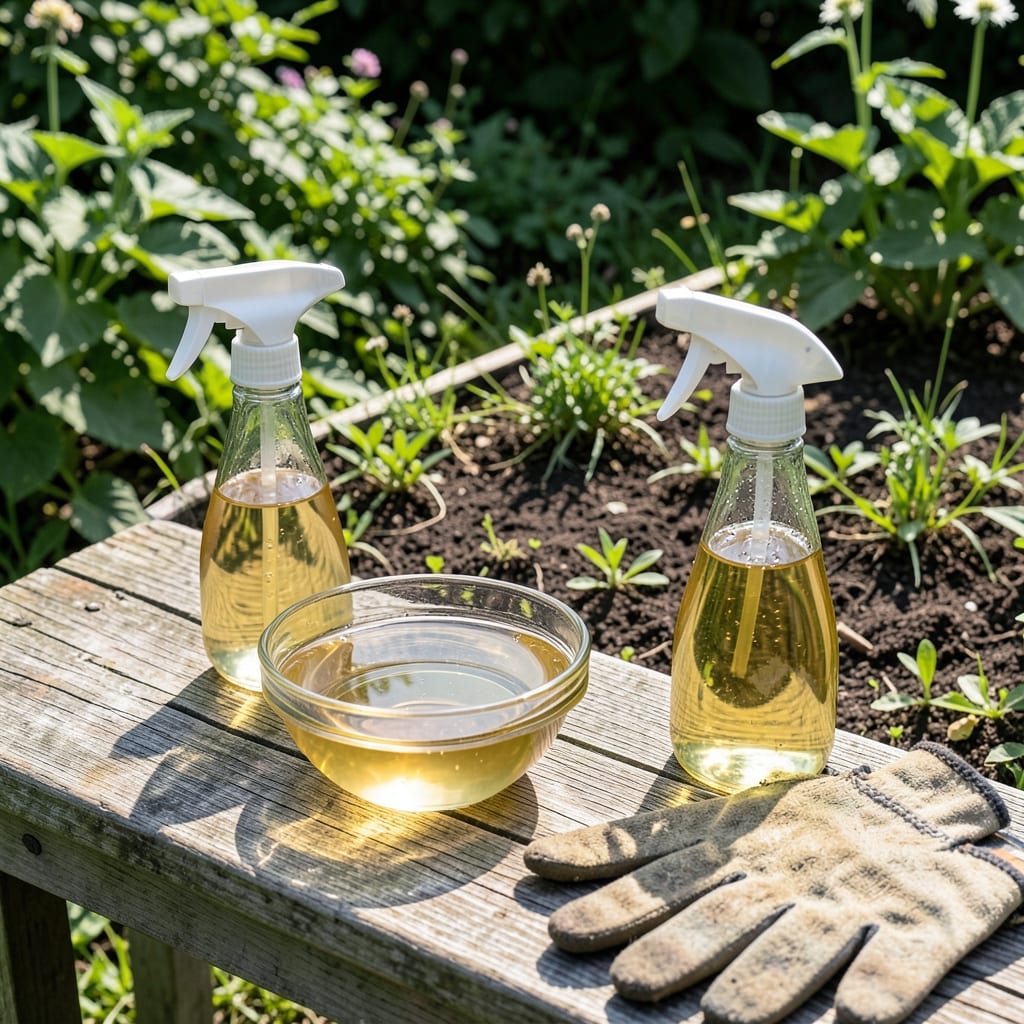
Vinegar can act as a natural herbicide for weeds but may harm desirable plants and soil health if used improperly. Diluted solutions work best for targeted applications.
I’ve seen acetic acid in vinegar break down plant cell membranes, which is why it’s so effective on young weeds. 5% vinegar is strong enough for most yard applications, but I always test on a small area first to avoid unintended damage. The key is precision—spraying directly on leaves rather than soil prevents lasting harm. ✨
💡 In This Article
The active ingredient in vinegar, acetic acid, disrupts plant cell membranes on contact. This causes rapid dehydration as the cell contents leak out, effectively killing the plant within 24-48 hours. Young weeds with thin cuticles are most vulnerable, while mature plants with waxy coatings may require higher concentrations or repeated applications. 🔥
Household white vinegar contains 5% acetic acid, but horticultural vinegar can reach 20-30% for stronger effects. The acidity also lowers soil pH significantly—each application can drop the pH by 0.5-1.0 units. Most garden plants thrive in neutral to slightly acidic soil (6.0-7.0 pH), so repeated use can create inhospitable conditions for grass or flowering plants.
✨
What many don’t realize is that vinegar is non-selective. It will damage any plant tissue it touches, including your prized roses or lawn grass. The effect is most dramatic on sunny days when the acid can work faster, but this also increases the risk of drift affecting nearby desirable plants. 💫
Soil microbes also suffer from acetic acid exposure. Beneficial bacteria and fungi that break down organic matter may be reduced by 30-50% after application. This can temporarily disrupt the soil ecosystem, affecting nutrient cycling and plant health in the treated area. ⚡
The vulnerability varies by plant type. Broadleaf weeds like dandelions are highly susceptible, while grasses often recover from light applications. Perennial weeds with deep roots may regrow from untreated portions, requiring multiple treatments for complete control. 🌟
Yes, it will damage any grass it touches due to its non-selective nature. Use a targeted spray or shield nearby plants to avoid harming your lawn.
A 1:1 ratio of white vinegar to water with dish soap works well for most weeds. For tougher ones, undiluted 5% vinegar may be needed, but test first.
Apply on sunny days in the early morning after dew has dried. This gives the solution time to work before midday heat. Avoid rainy days.
It can lower soil pH by 0.5-1.0 units per application and temporarily reduce beneficial microbes. Adding compost afterward helps restore balance.
Young weeds with thin leaves are most susceptible. Broadleaf plants like dandelions die quickly, while grasses may recover.