
Beautiful Plants For Your Interior
Beautiful Plants For Your Interior
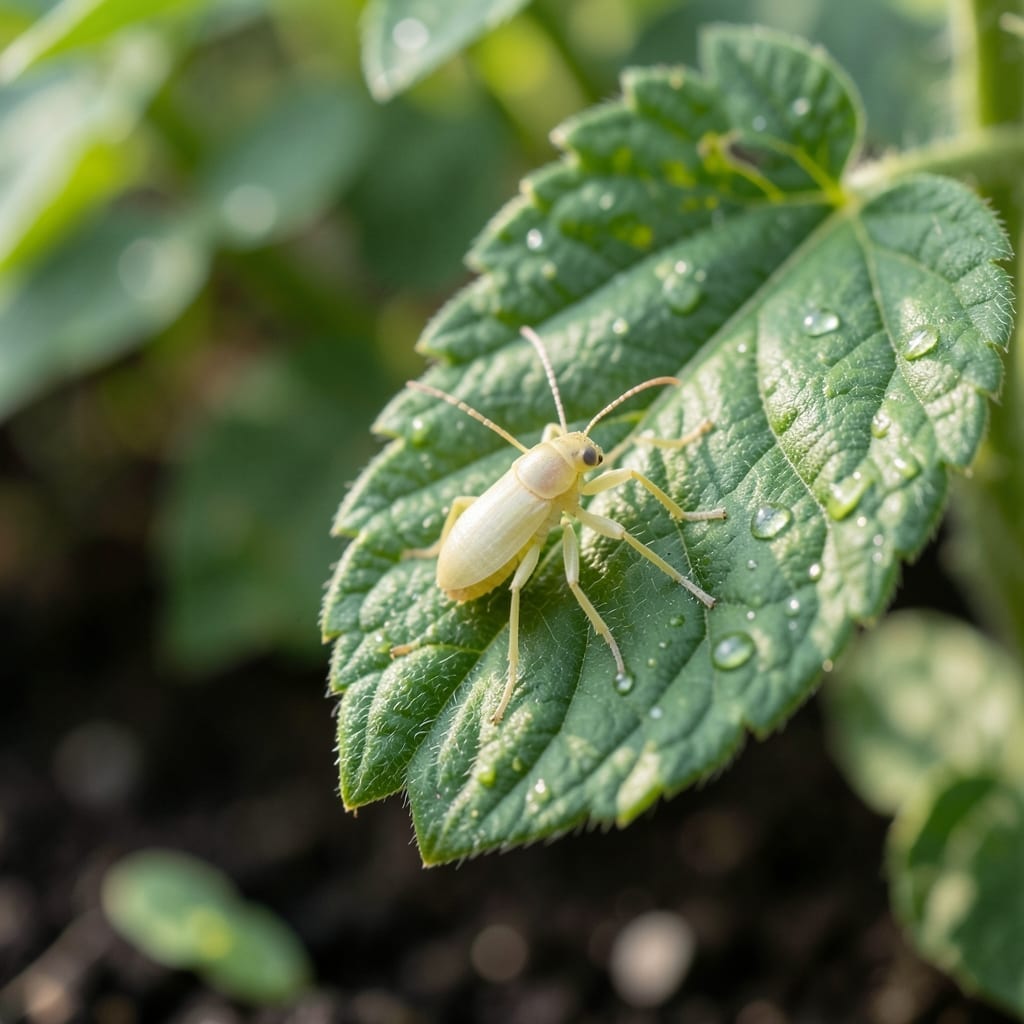
I lost half my kale to aphids before discovering this trick. Vinegar spray works because the acid breaks down their protective coating, but it needs the right dilution to avoid harming plants.
Mix 1 part white vinegar with 3 parts water, add a drop of dish soap to help it stick, and spray directly on the pests. The aphids vanish within 24-48 hours without harsh chemicals.
Best used in early morning or evening to prevent leaf burn. Reapply after rain or every 5-7 days until the infestation clears. Works on roses, vegetables, and houseplants alike.
This is my go-to for fast, effective organic control when I spot those first tiny green clusters. Simple, safe, and the ingredients are already in your pantry.
Aphids are drawn to plants for a few key reasons, often tied to their biology and environmental conditions. Understanding these causes helps you target the root of the problem—literally and figuratively.
Excess nitrogen in soil promotes soft, succulent growth—the kind aphids love. These pests thrive on new, tender shoots rich in sap. When plants are over-fertilized, especially with high-nitrogen formulas, they produce an abundance of this vulnerable tissue, creating a buffet for aphids. Action: Reduce nitrogen-heavy fertilizers and opt for balanced or phosphorus-rich options to toughen plant cells.
Plants under drought stress or those drowning in excess water often emit signals that attract aphids. Water-stressed plants release volatile organic compounds (VOCs) that aphids detect from a distance. Overwatering, on the other hand, weakens plant defenses by reducing root oxygen uptake, making them more susceptible. Action: Maintain consistent, moderate moisture levels to keep plants resilient.
Aphids reproduce rapidly in warm, dry weather (70–80°F). These conditions accelerate their life cycle, allowing populations to explode in days. Dry air also reduces the effectiveness of natural predators like ladybugs, which prefer humid environments. Action: Use mulch to retain soil moisture and introduce shade cloths during heatwaves to disrupt their ideal breeding conditions.
When beneficial insects (e.g., lacewings, parasitic wasps, or ladybugs) are absent, aphid populations grow unchecked. This often happens in monoculture gardens or areas treated with broad-spectrum pesticides, which kill predators alongside pests. Action: Plant companion flowers like marigolds or alyssum to attract predator insects and avoid chemical sprays that harm them.
Dealing with aphids doesn’t have to mean reaching for harsh chemicals. A vinegar-based spray is a simple, effective, and eco-friendly way to reclaim your garden. Below are targeted solutions for common aphid issues, along with prevention tips to keep them from coming back.
Fix: Mix 1 part white vinegar with 3 parts water and add a few drops of dish soap to help the solution stick. Spray directly on aphids, focusing on the undersides of leaves where they hide. Reapply every 2-3 days until the infestation clears.
Prevention: 💡 Introduce beneficial insects like ladybugs or lacewings, which naturally prey on aphids. Keep your garden clean by removing debris where aphids can overwinter.
Fix: For sensitive plants, dilute the vinegar further—try 1 part vinegar to 4 parts water. Test the spray on a small section of the plant first to avoid damage. Apply in the early morning or late evening to reduce stress on the plant.
Prevention: ✨ Use companion planting to deter aphids. Marigolds, garlic, and chives are great natural repellents. Also, avoid over-fertilizing, which can attract aphids with lush, tender growth.
Fix: Consistency is key. Spray your plants weekly as a preventative measure, even if you don’t see aphids yet. Rotate spray locations to cover all vulnerable areas.
Prevention: 🌡️ Encourage a healthy garden ecosystem. Ensure proper air circulation between plants and avoid overwatering, as damp conditions can attract pests.
With these steps, your vinegar aphid spray will work like a charm—keeping your garden thriving without the chemicals!
Reapply every 5-7 days for prevention or every 2-3 days for active infestations. Consistency is key to breaking the aphid life cycle.
Yes, but stick to white vinegar for best results. Apple cider vinegar’s color and residue may leave marks on leaves. Always dilute to 1 part vinegar to 3 parts water.
Test on a small area first. For delicate plants, use a weaker mix (1:4 ratio) and spray in cool temperatures to avoid leaf burn.
The soap helps the solution stick to leaves and aphids, increasing effectiveness. Use 1-2 drops per cup of mixture to avoid over-concentration.