
Beautiful Plants For Your Interior
Beautiful Plants For Your Interior
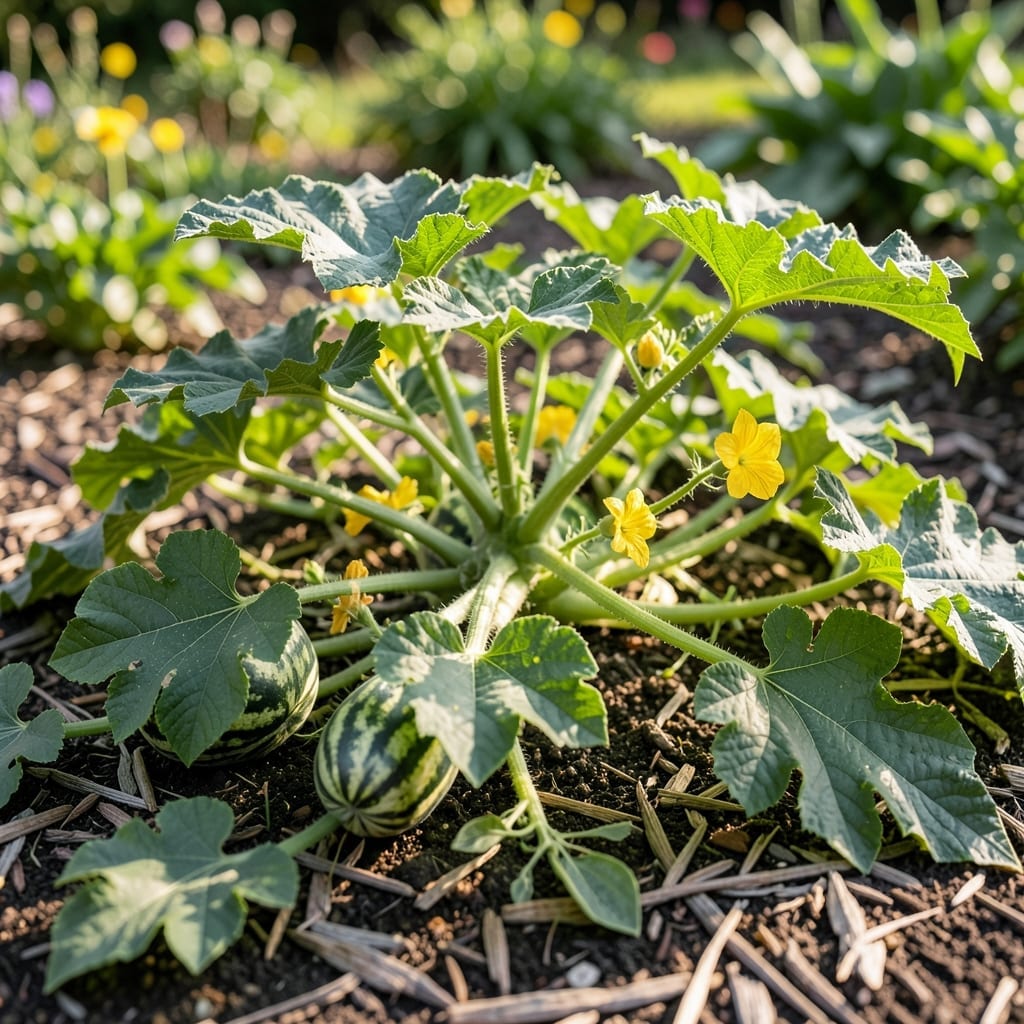
That vine with tiny melon-like fruits caught my eye too. I first spotted it climbing my neighbor’s fence last summer, producing little striped orbs that looked like miniature watermelons.
Turns out it’s likely a cucumber or melon variety bred for compact spaces. These vines thrive in full sun with consistent moisture, and the fruits are edible when ripe—though some are ornamental. A trellis keeps them manageable.
You’ll get faster growth with rich soil and regular feeding. The vines spread quickly, so give them room or train them upward. Harvest when the fruits are firm and bright.
Great for small gardens, containers, or even balconies. Here’s how to grow them right.
The appearance of a vine with small watermelon-looking fruit in your garden can be intriguing, but understanding why it grows this way helps you manage or encourage it. Here are the primary causes:
Some vines, like the Cucumis melo (e.g., wild melons or ornamentals), naturally produce small, round fruits resembling mini watermelons. These are bred or evolved for specific traits—such as drought resistance or ornamental appeal—rather than large, edible fruit.
Stressors like poor soil nutrients, inconsistent watering, or extreme temperatures can stunt fruit development. Vines may produce undersized fruits as a survival response, conserving energy for growth or reproduction.
Incomplete pollination often leads to small, misshapen fruits. If pollinators (like bees) are scarce, or if you’re growing in a greenhouse without manual pollination, the vine may develop fruit that looks like a watermelon but stays tiny.
Actionable fix: Hand-pollinate flowers with a soft brush or attract more pollinators with companion plants like lavender.
Not all “watermelon-like” fruits are true watermelons. Some vines, such as Cucumis dipsaceus (hedgehog gourd) or Momordica charantia (bitter melon), produce small, round fruits that mimic watermelons. These are distinct species with their own growth habits.
If your vine with small watermelon-like fruit is struggling, these targeted solutions will help you address the most common problems and get your plant back on track. Follow these practical steps to restore health and productivity.
Hand-pollinate flowers if bees are scarce. Use a small paintbrush to transfer pollen from male to female flowers in the morning. Prevention tip: Plant pollinator-friendly flowers nearby to attract more bees naturally. 💡
Overwatering or nutrient deficiencies often cause yellow leaves. Let the top inch of soil dry before watering again, and apply a balanced fertilizer (10-10-10) every 4-6 weeks. Prevention tip: Use mulch to retain moisture and prevent water stress. 🌱
For aphids or cucumber beetles, spray with neem oil or insecticidal soap. Remove pests by hand if the infestation is mild. Prevention tip: Rotate crops and keep the garden free of debris to discourage pests. ✨
If frosts or chilly nights are forecasted, cover young vines with frost cloth or a lightweight row cover. Prevention tip: Plant after the last frost date and choose a sunny, sheltered spot. 🌡️
Prune excess vines to direct energy toward fruit production. Reduce nitrogen-heavy fertilizers, which promote leafy growth over fruit. Prevention tip: Test soil annually to ensure proper nutrient balance. 🎯
It depends on the species. Some, like ornamental gourds, are not edible, while others, such as mini watermelons or bitter melons, are safe to eat when ripe. Always confirm the plant type before consuming.
Check for a dull, matte finish and a hollow sound when tapped. The stem may also turn brown. For bitter melons, the skin develops a bumpy texture when ready.
Incomplete pollination, poor soil, or environmental stress can cause stunted growth. Hand-pollinate flowers and ensure consistent watering and nutrient levels.
Yes! Choose a large pot with good drainage and provide a trellis for support. Compact varieties thrive in containers with 6+ hours of sunlight daily.