
Beautiful Plants For Your Interior
Beautiful Plants For Your Interior
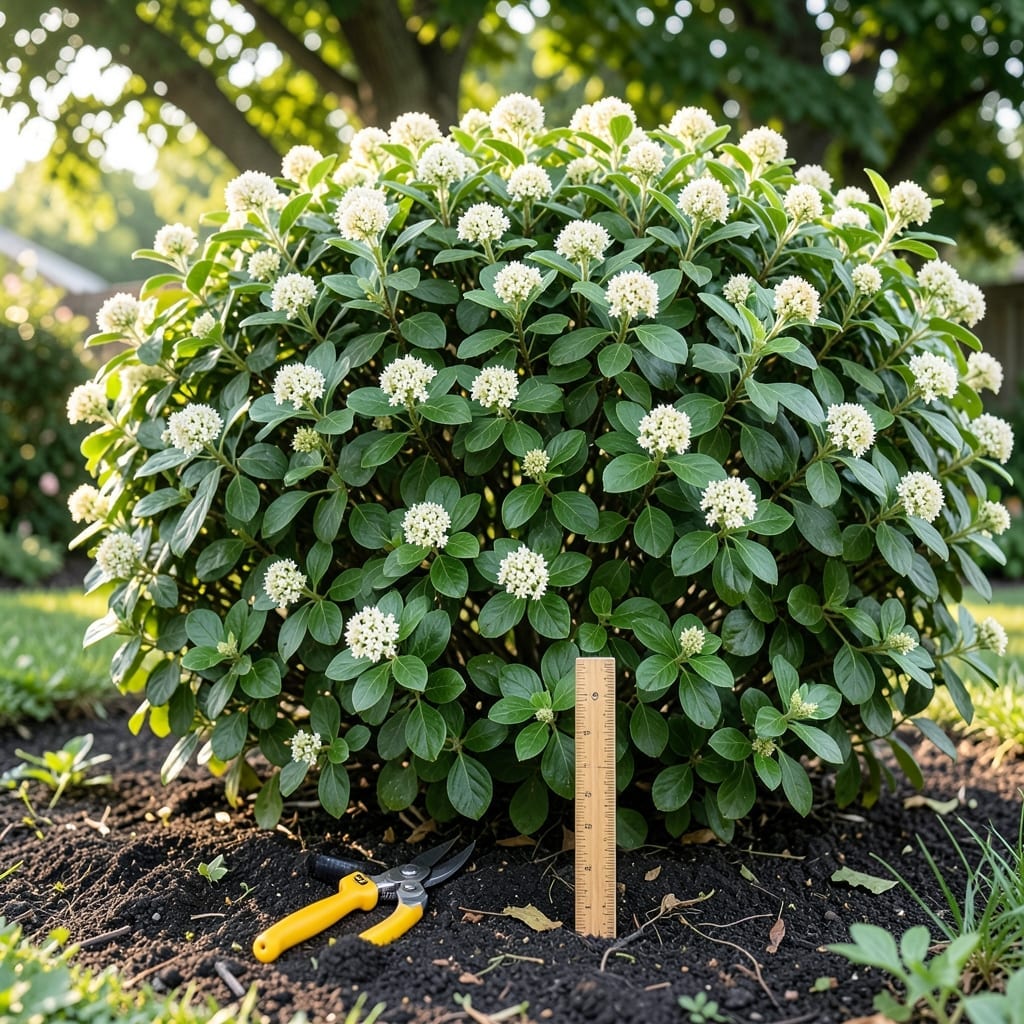
Achieving the perfect viburnum hedge height can be the difference between a lush privacy screen and an overgrown eyesore. Whether you’re planting for seclusion or aesthetic appeal, understanding growth patterns is the key to success.
I’ve seen too many gardeners struggle with unruly 🌿 Viburnum shrubs that quickly outgrow their intended space. The good news? With the right approach, you can maintain control and create a beautiful, functional hedge.
From dwarf varieties to towering specimens, each type of Viburnum has its own ideal height range. Discover how to match your plants to your goals, whether that’s a cozy border or a tall privacy barrier.
Let me walk you through the essentials of pruning, timing, and techniques to keep your Viburnum hedge looking its best year after year.

Choosing the right viburnum hedge height starts with selecting the perfect variety for your space. Some gardeners want a low border, while others need a tall privacy screen. I always recommend matching your plant choice to your landscape goals first.
Dwarf varieties like Viburnum opulus ‘Nanum’ stay compact at 3-5 feet, ideal for small yards or foundation plantings. Meanwhile, Viburnum tinus can reach 8-12 feet, perfect for creating secluded garden rooms.
| Variety | Mature Height | Best Use |
|---|---|---|
| Arrowwood | 6-10 ft | Privacy screen |
| Laurustinus | 8-12 ft | Windbreak |
| Dwarf Nano | 3-5 ft | Low border |
| Doublefile | 8-12 ft | Ornamental fence |
| Leatherleaf | 10-15 ft | Tall barrier |
For privacy hedges, I suggest aiming for 8-12 feet tall varieties. This height blocks views effectively while still allowing sunlight to reach your garden. Arrowwood viburnum is my top pick for this purpose.
If you need a low-maintenance option, consider Viburnum plicatum. It naturally grows to 8-10 feet with minimal pruning. The layered branches create a beautiful, tiered effect in any landscape.
For formal hedges, Viburnum tinus is excellent. It responds well to shaping and maintains a neat appearance at 6-8 feet. I love how it looks when trimmed into clean, geometric forms.
Remember that growth rates vary by variety. Some viburnums grow 1-2 feet per year, while others may grow faster. Always check the specific growth habit of your chosen variety.
Spacing is crucial for healthy hedges. For most viburnums, I recommend planting 3-5 feet apart. This allows enough room for growth while creating a dense screen. Closer spacing means more frequent pruning.
Consider your climate zone too. Most viburnums thrive in USDA zones 5-8. In warmer areas, some varieties may grow taller than their listed range. I’ve seen Laurustinus reach 15 feet in ideal conditions.
Finally, think about your long-term maintenance plan. Taller hedges require more frequent pruning and possibly a ladder for trimming. If you prefer low-maintenance gardening, stick with dwarf varieties.
With the right variety and care, your viburnum hedge can provide beauty and function for many years 🌿
Keeping your viburnum hedge at the ideal height starts with regular pruning. I recommend trimming 2-3 times per year for most varieties, with the first cut in early spring before new growth begins.
The best tools for this job are sharp hedge shears or a pruning saw for thicker branches. Always clean your tools between cuts to prevent disease spread among your plants.
For formal hedges, maintain a flat top and straight sides. For a more natural look, round the edges slightly while keeping the height consistent. This approach works for both dwarf varieties and taller specimens.
I’ve found that late summer is another good time for light trimming to encourage bushier growth. Just be sure to stop pruning 6 weeks before your first expected frost to avoid stimulating new growth that won’t harden off.
Remember that different viburnum varieties have different growth rates. Faster growers like Laurustinus may need more frequent attention than slower varieties like Dwarf Korean Spice. Always check your specific plant’s needs.
With consistent care, your viburnum hedge will maintain its ideal height while providing the privacy and beauty you want in your landscape ✂️