
Beautiful Plants For Your Interior
Beautiful Plants For Your Interior
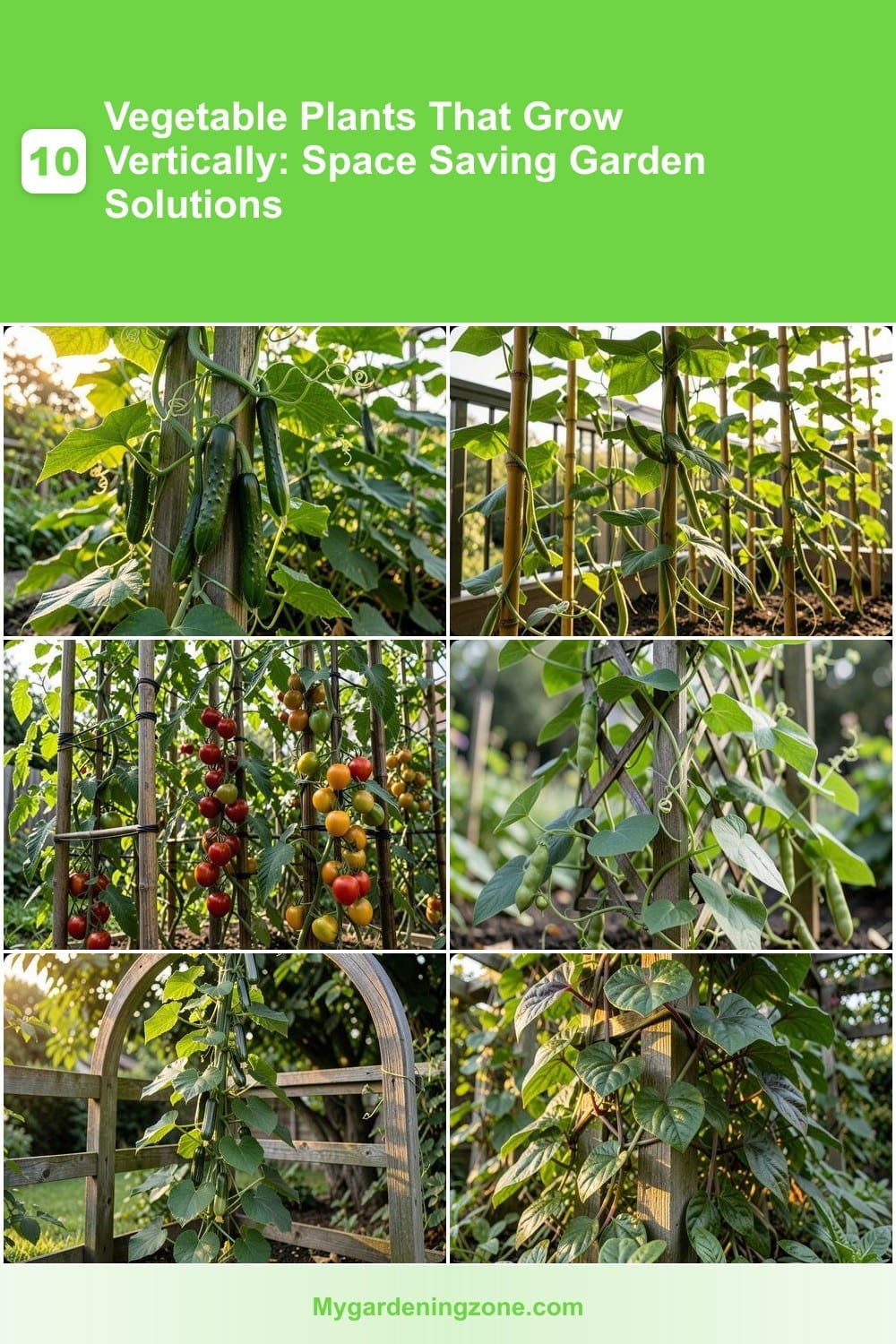
Maximize your garden space with these ten vegetable plants that thrive when grown vertically. Perfect for small gardens, balconies, or urban farming, vertical gardening boosts yields while keeping plants healthy and easy to harvest.
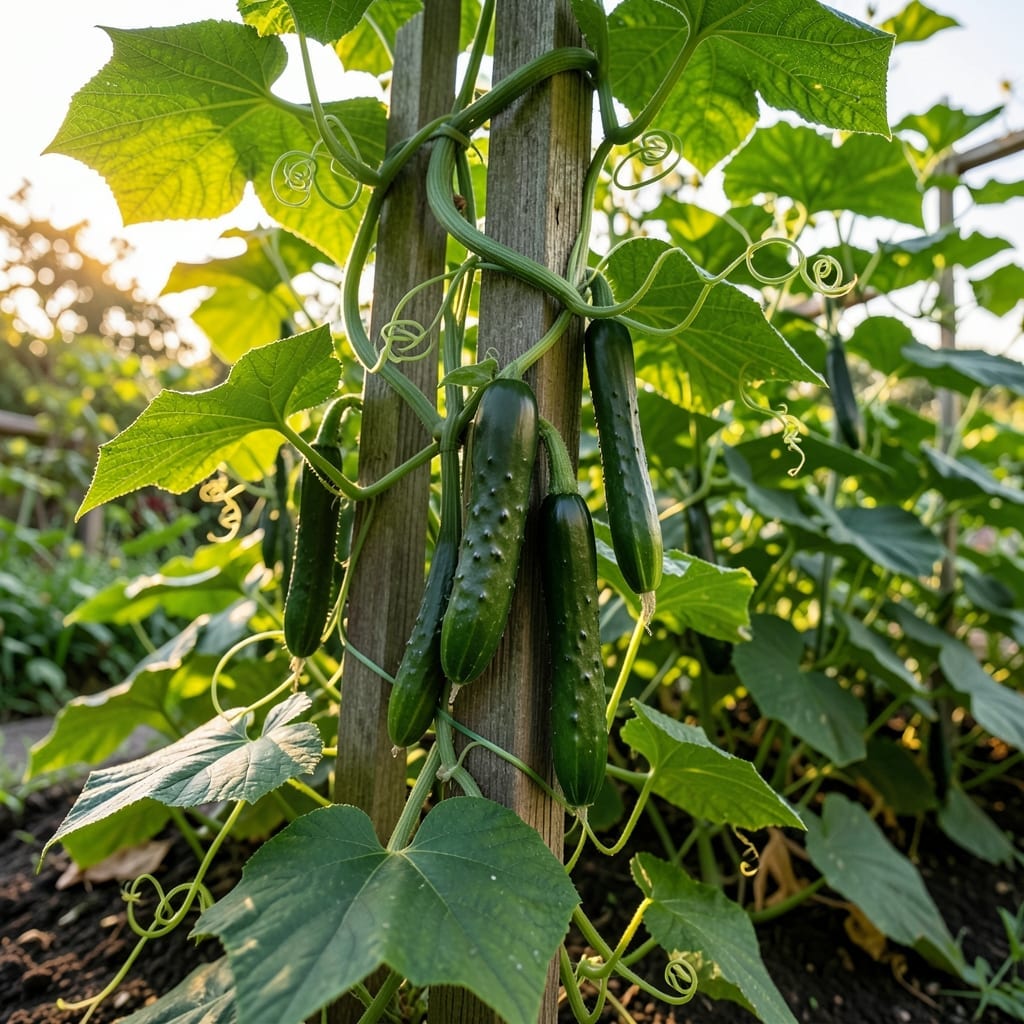
Watch your garden transform overnight as cucumber vines race up trellises with their natural climbing tendrils. These fast growers produce an abundance of crisp fruits while taking up minimal ground space, making them perfect for small plots or container gardens.
Provide a sturdy 5-6 foot trellis and consistent moisture for best results. The vertical growth improves air circulation, reducing disease risks while making harvests effortless. You’ll love how the dangling cucumbers are easy to spot and pick.
Beginners will appreciate how forgiving and productive cucumbers are in vertical setups. 🌱
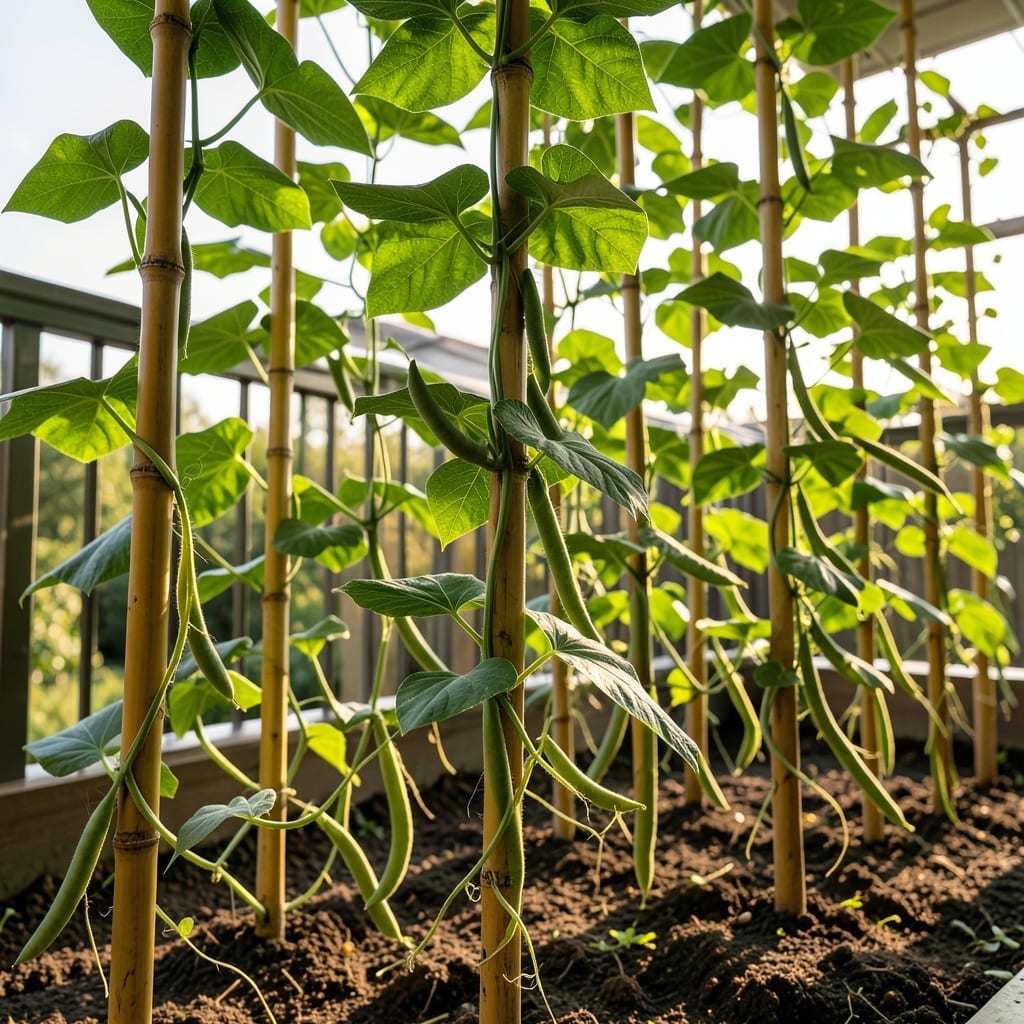
Transform your tiny garden into a productive powerhouse with pole beans. These vigorous climbers reach 6-8 feet tall while occupying just a few square inches of soil, making them perfect for balconies, patios, or crowded beds.
As they grow, pole beans fix nitrogen in the soil through their roots, enriching your garden for future crops. Plant near a bamboo teepee or trellis and enjoy a continuous harvest of crisp, flavorful beans from midsummer until frost.
Urban gardeners and anyone with limited space will love how these plants maximize yield in minimal areas. 🌱
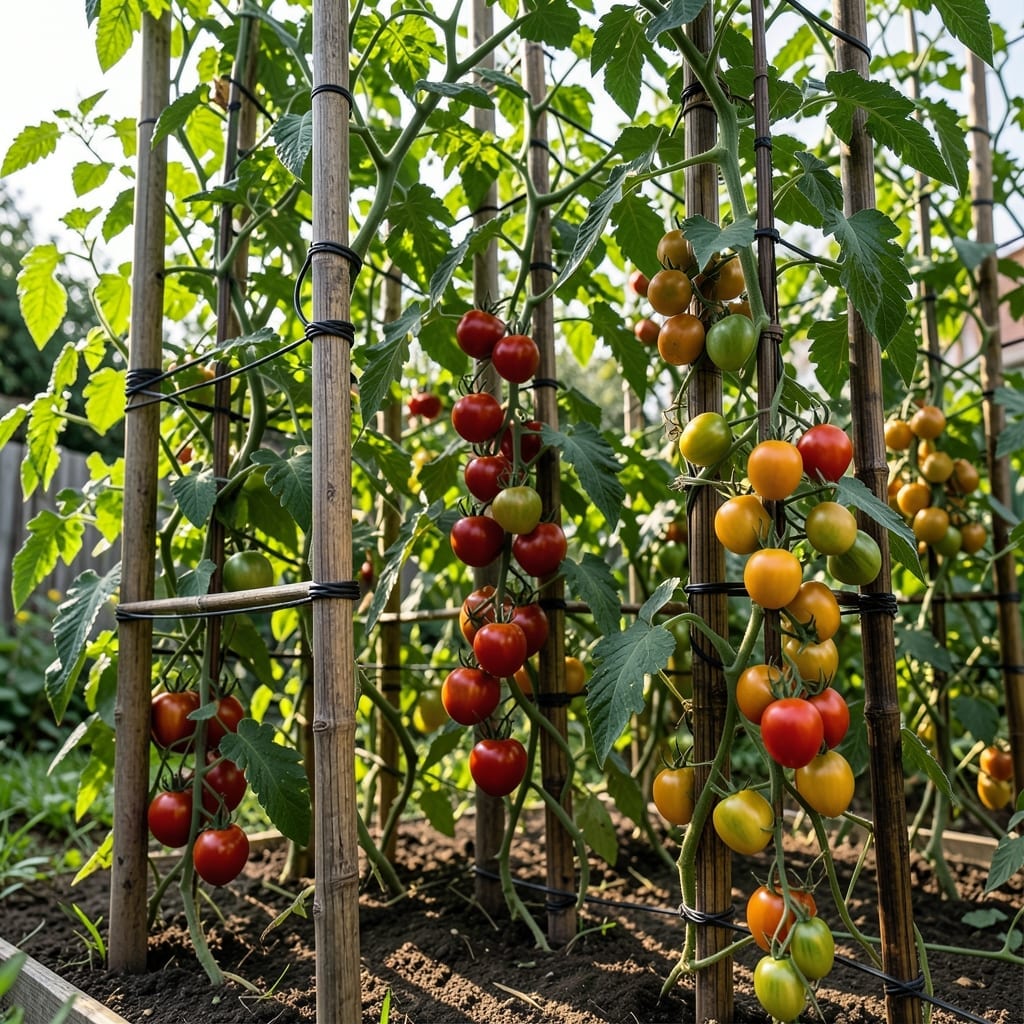
Say goodbye to sprawling tomato plants taking over your garden. Indeterminate tomato varieties keep growing upward all season long, making them perfect for vertical gardens and small spaces.
Use sturdy cages or stakes at least 6 feet tall to support their continuous growth. These plants produce fruit throughout the season rather than all at once, giving you a steady supply of fresh tomatoes while saving precious ground space.
Small-space gardeners will love how these vines transform tiny plots into productive tomato towers. 🌿
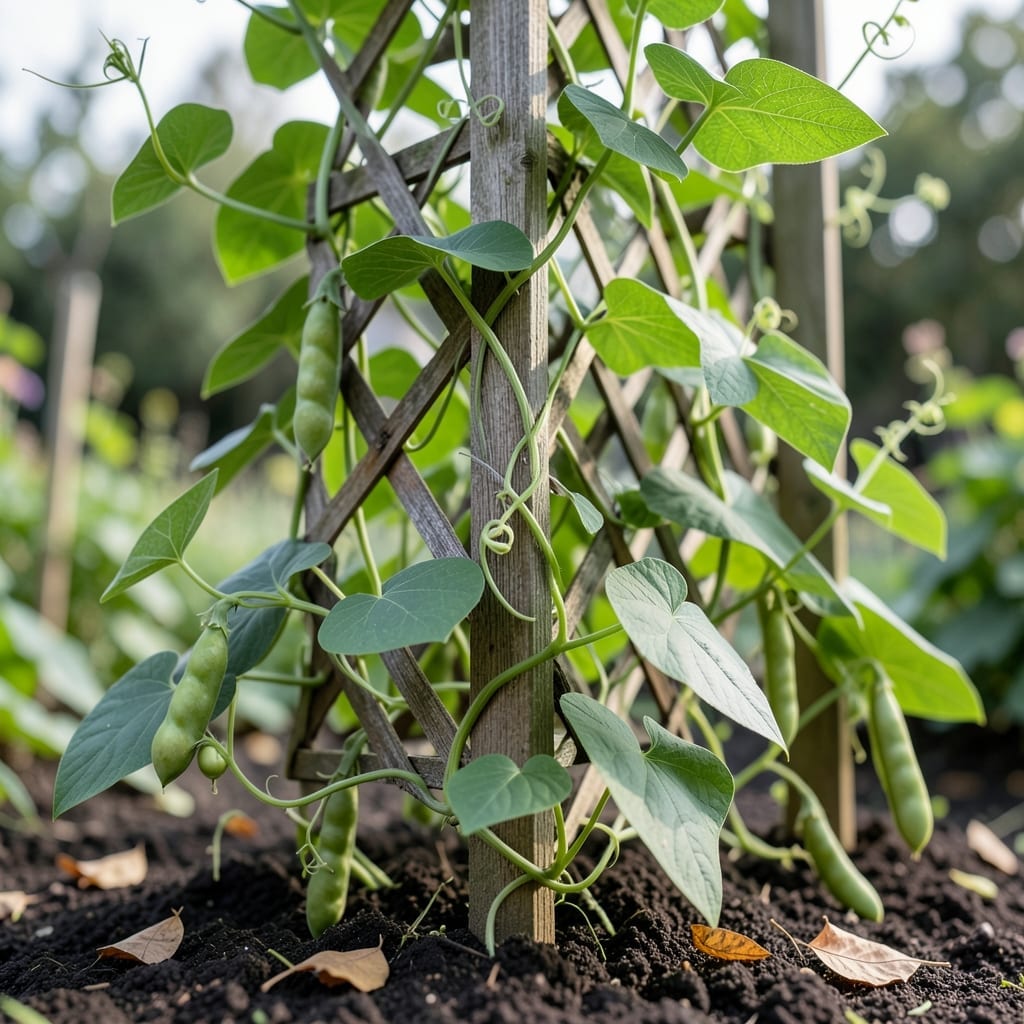
Peas are the perfect cool-season crop for gardeners eager to start early or extend their harvest into fall. These fast-growing vines thrive in 50-60°F temperatures, making them ideal for spring planting as soon as the soil can be worked.
With minimal effort, peas climb 4-6 foot trellises and improve soil health by fixing nitrogen. Their delicate tendrils make them easy to train, and you’ll enjoy both beautiful blooms and crisp pods in just 60-70 days.
Early birds and fall gardeners will love how peas maximize vertical space while enriching the garden for future crops. 🌱
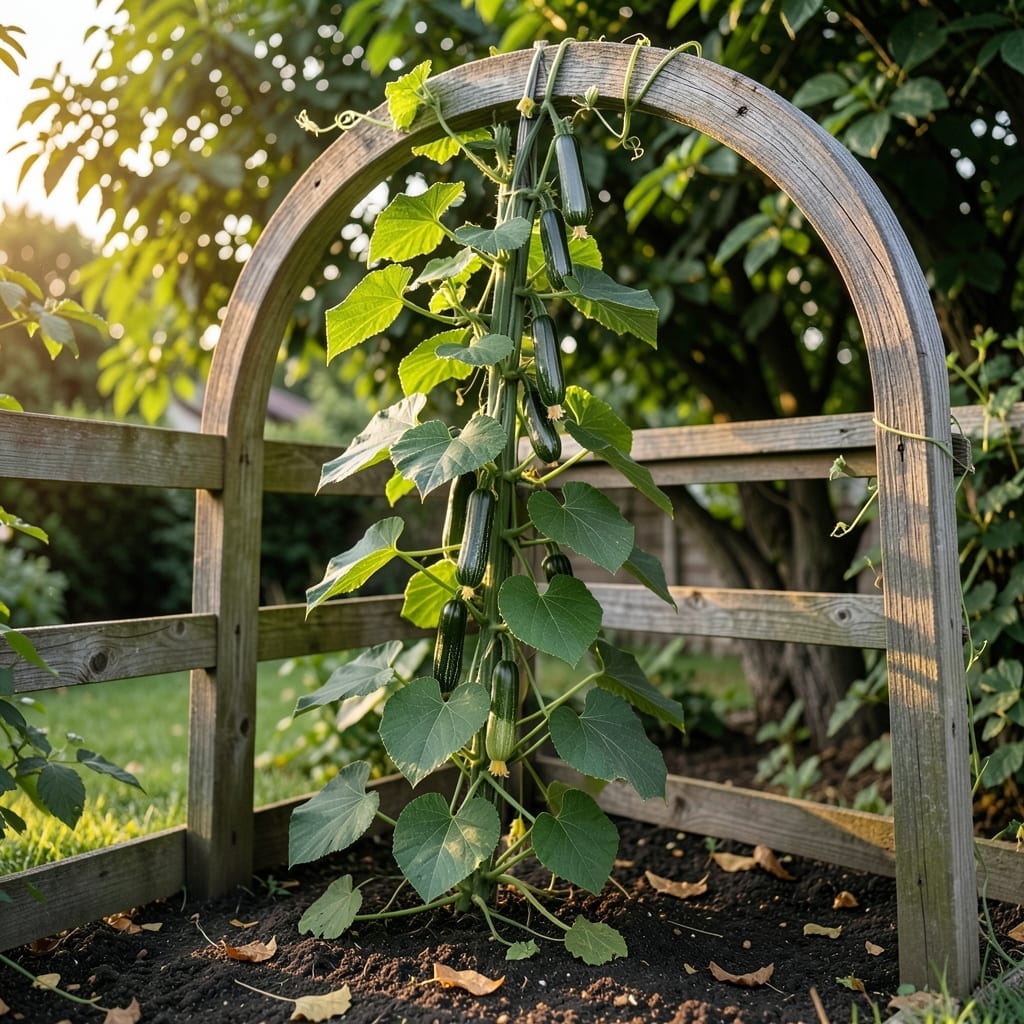
Don’t let zucchini’s bushy reputation fool you—these plants can thrive vertically with the right approach. By training the vines upward, you’ll free up valuable garden real estate while keeping plants healthier.
Use a sturdy trellis or cattle panel arch to support the heavy vines and fruits. As they climb, the improved air circulation reduces the risk of powdery mildew and other fungal diseases that often plague ground-sprawling zucchini.
Small-space gardeners will love how this method makes harvesting easier and keeps plants more manageable. 🌱
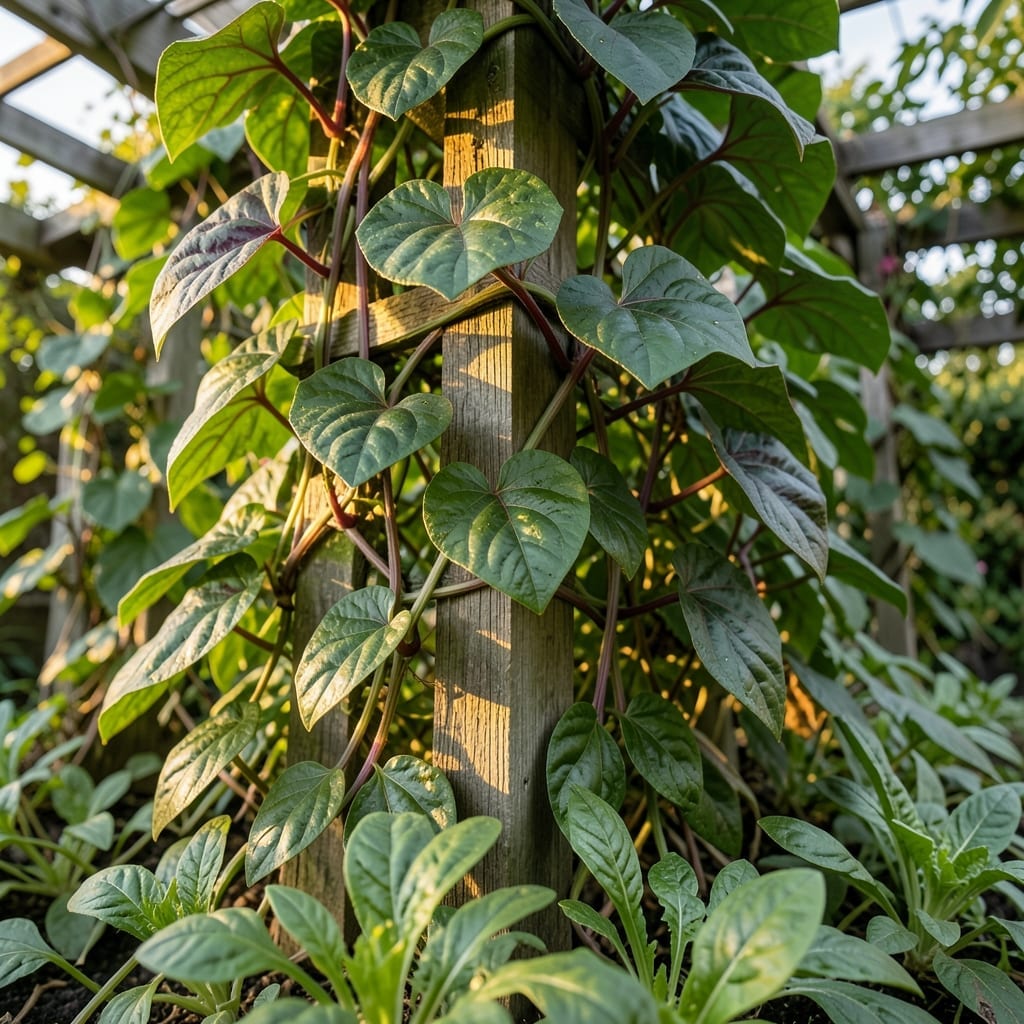
When traditional spinach wilts in summer heat, Malabar spinach takes over as your go-to leafy green. This tropical vine thrives in hot, humid climates where most greens struggle, making it perfect for southern gardeners or heat-prone areas.
Train its vigorous vines on a sturdy trellis or arbor—it climbs 6-10 feet with minimal encouragement. The thick, glossy leaves are packed with nutrients and have a mild, slightly tangy flavor. It grows so quickly you’ll be harvesting in just 60-70 days.
Urban gardeners and those in warm zones will love this low-maintenance, space-saving alternative. 🌿
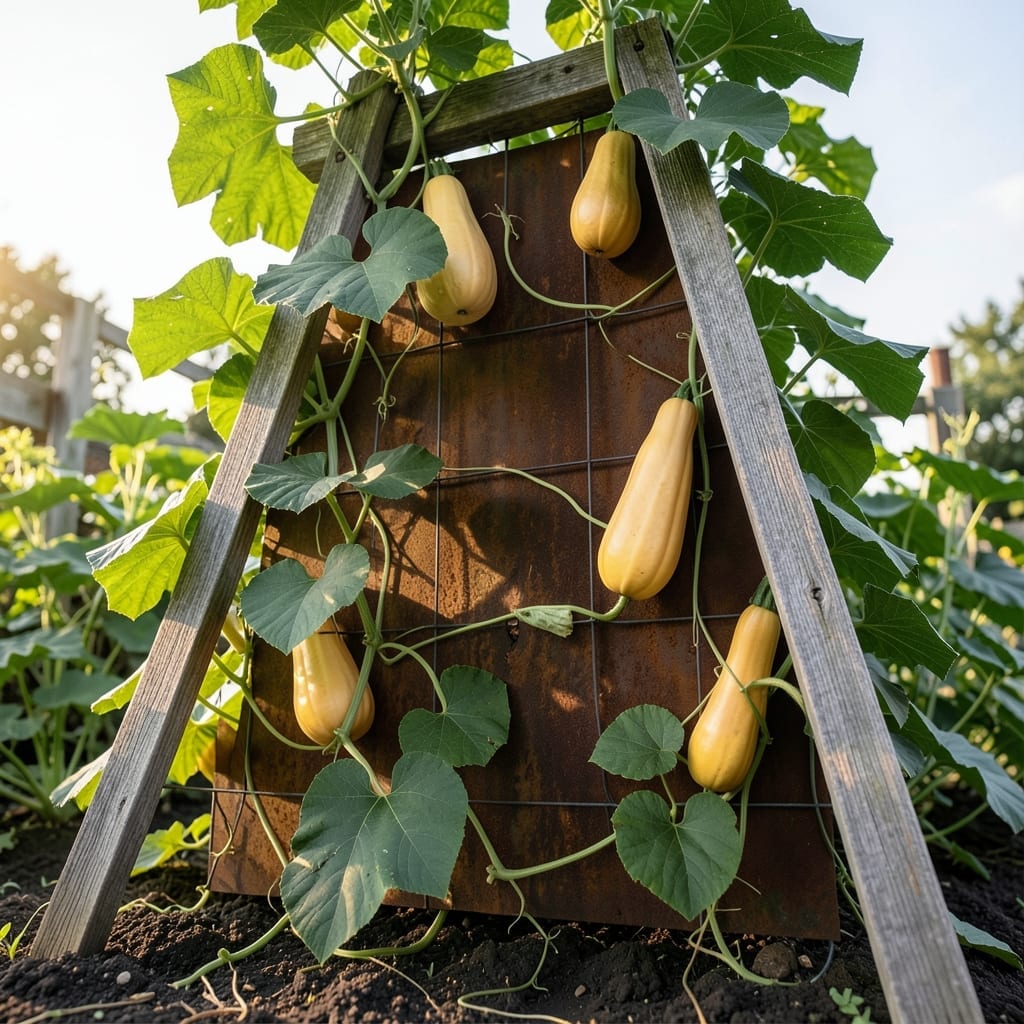
Tired of squash vines taking over your garden bed? Summer squash varieties like butternut can be trained to climb instead of sprawl, transforming your space while solving common growing headaches.
Use a sturdy A-frame trellis or cattle panel to support the vines as they grow upward. This method keeps fruits off the ground, reducing pest damage from squash bugs and cucumber beetles while making the developing squashes easier to monitor and harvest.
Gardeners with limited space or pest problems will love how this approach maximizes yield and plant health. 🌱
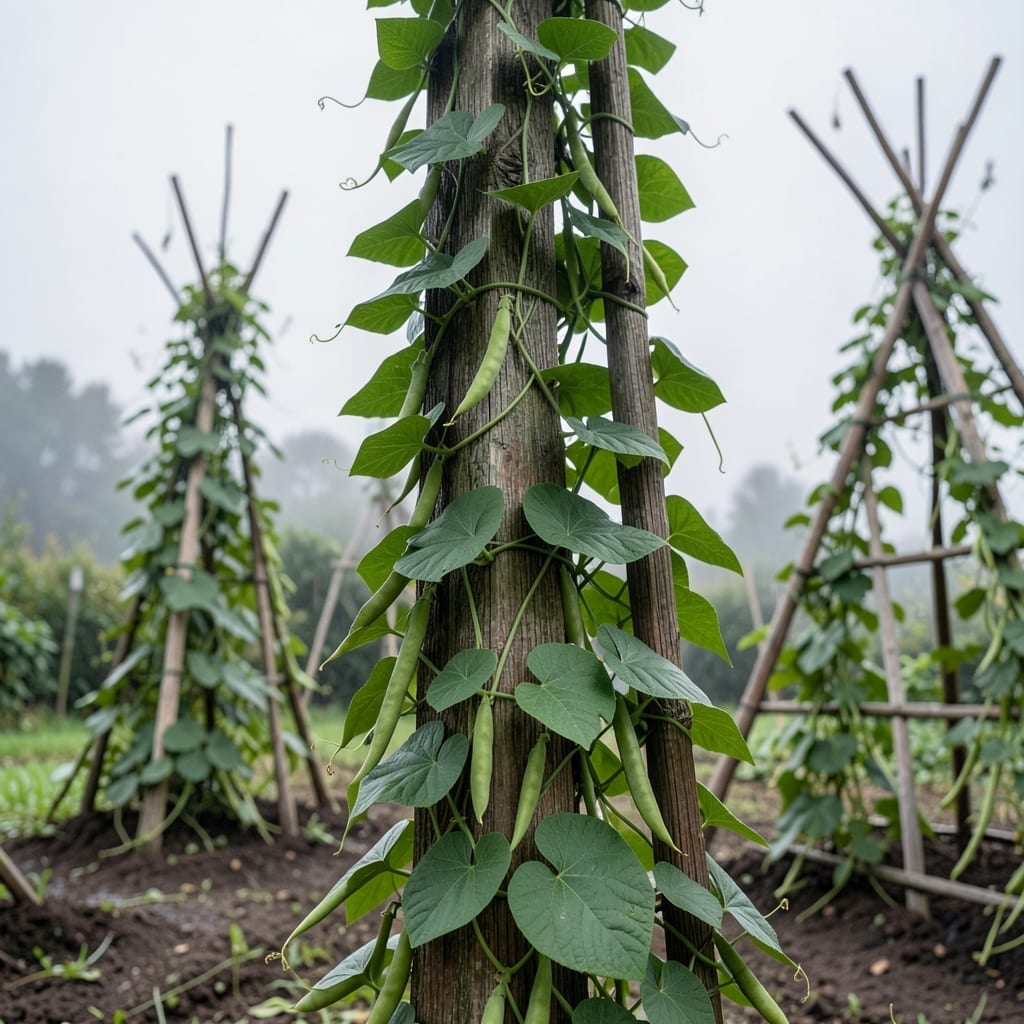
For gardeners in cooler climates, runner beans offer a hardy alternative to traditional pole beans while delivering impressive yields. These vigorous climbers thrive in milder temperatures and produce long, tender pods on tall, sturdy vines.
Provide a 7-8 foot trellis or teepee for optimal support, as these plants can reach impressive heights. They also fix nitrogen in the soil, improving fertility for future crops. The abundant pods make them perfect for fresh eating or preserving.
Cool-climate gardeners and those seeking reliable vertical producers will love how these beans perform where others might struggle. 🌱
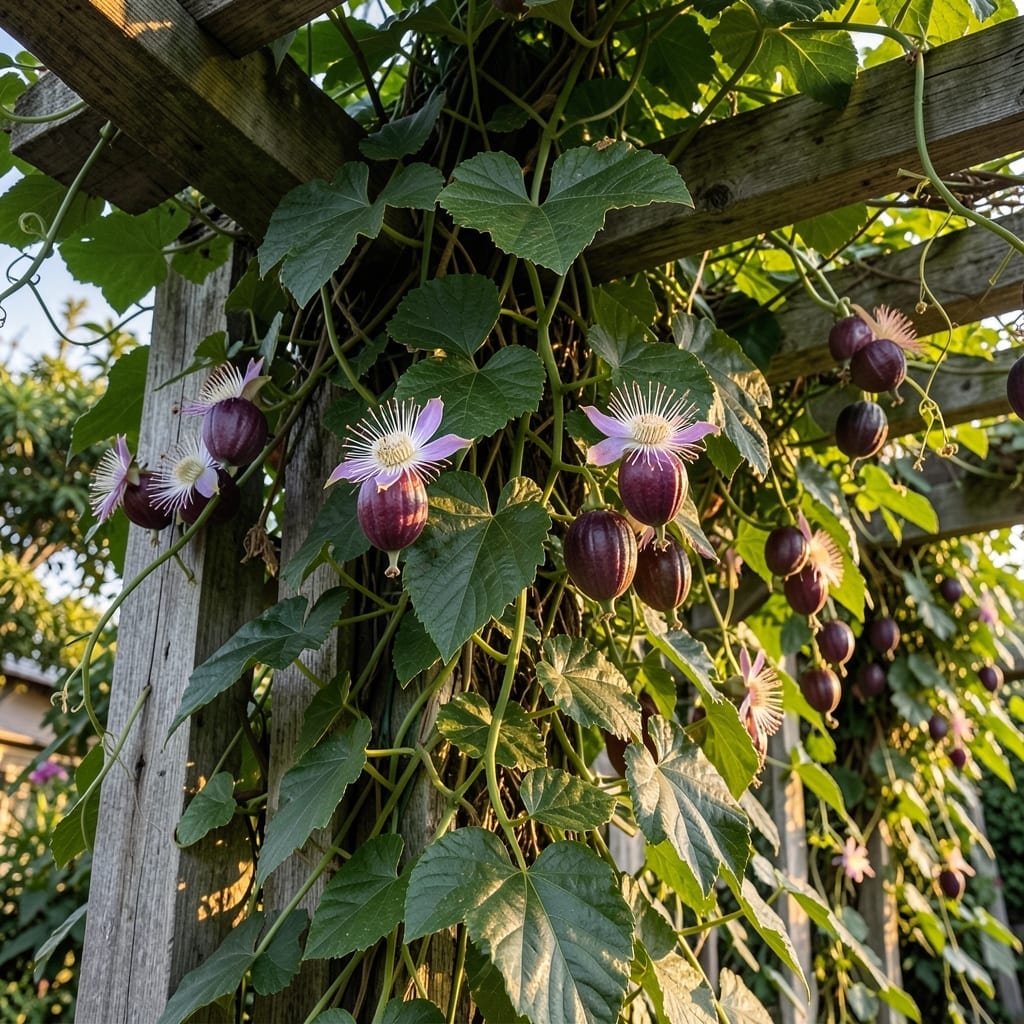
Bring a touch of the tropics to your garden with passion fruit vines. These exotic climbers produce stunning, intricate flowers that transform into delicious, edible fruits, creating a visually striking and productive vertical display.
Train the vigorous vines on a sturdy arbor or trellis—they can grow 15-20 feet in a single season. With proper support and well-draining soil, you’ll enjoy both the ornamental blooms and the unique, tangy fruits. Passion fruit thrives in warm climates and full sun.
Gardeners looking to add drama and edible rewards to their space will love this fast-growing, dual-purpose plant. 🌿
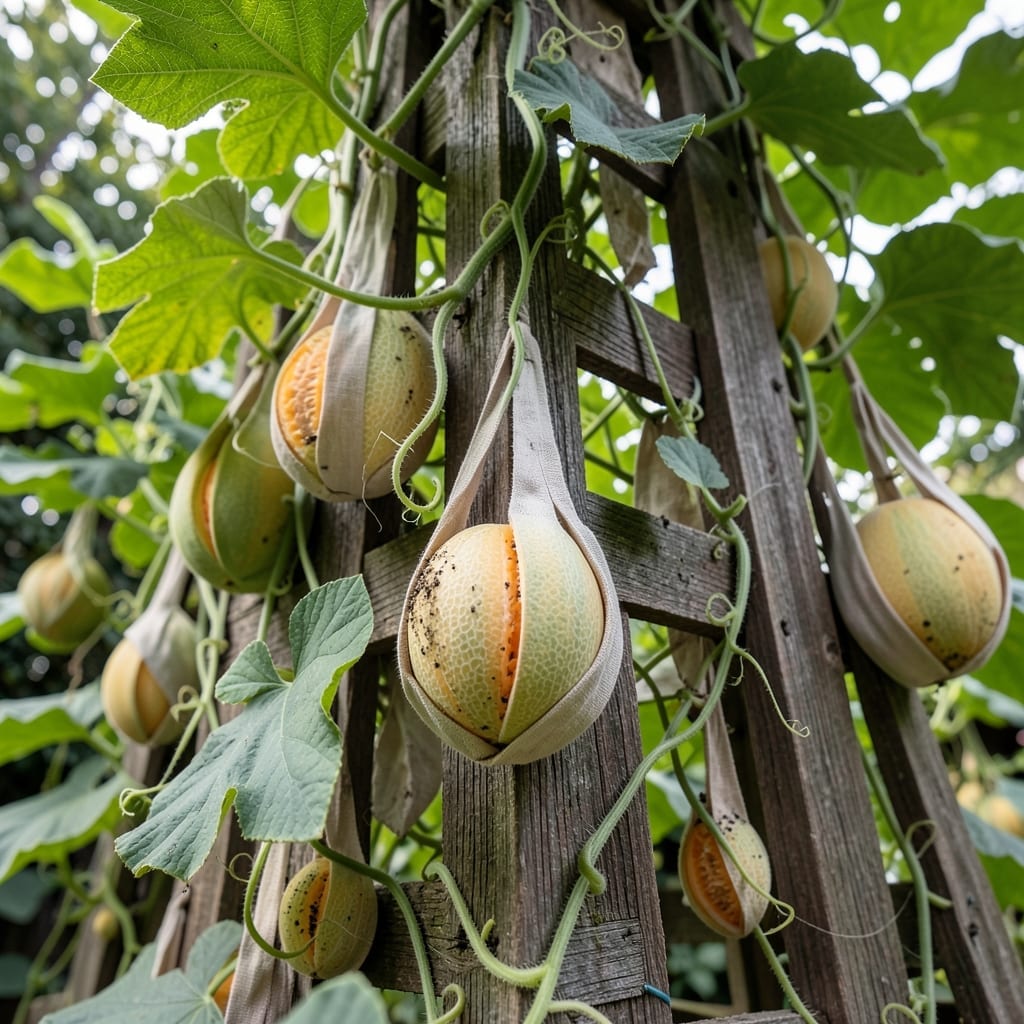
Who says melons need acres of space? Smaller varieties like cantaloupe can thrive vertically with the right support, turning even a modest garden into a fruit-producing powerhouse.
Use a reinforced trellis and fabric slings to cradle the developing fruits, preventing them from dropping prematurely. This method improves air circulation, reducing disease risk while the melons ripen to perfect sweetness.
Space-conscious gardeners will love how this technique frees up ground for other crops while still delivering those delicious, homegrown melons. 🌱