
Beautiful Plants For Your Interior
Beautiful Plants For Your Interior
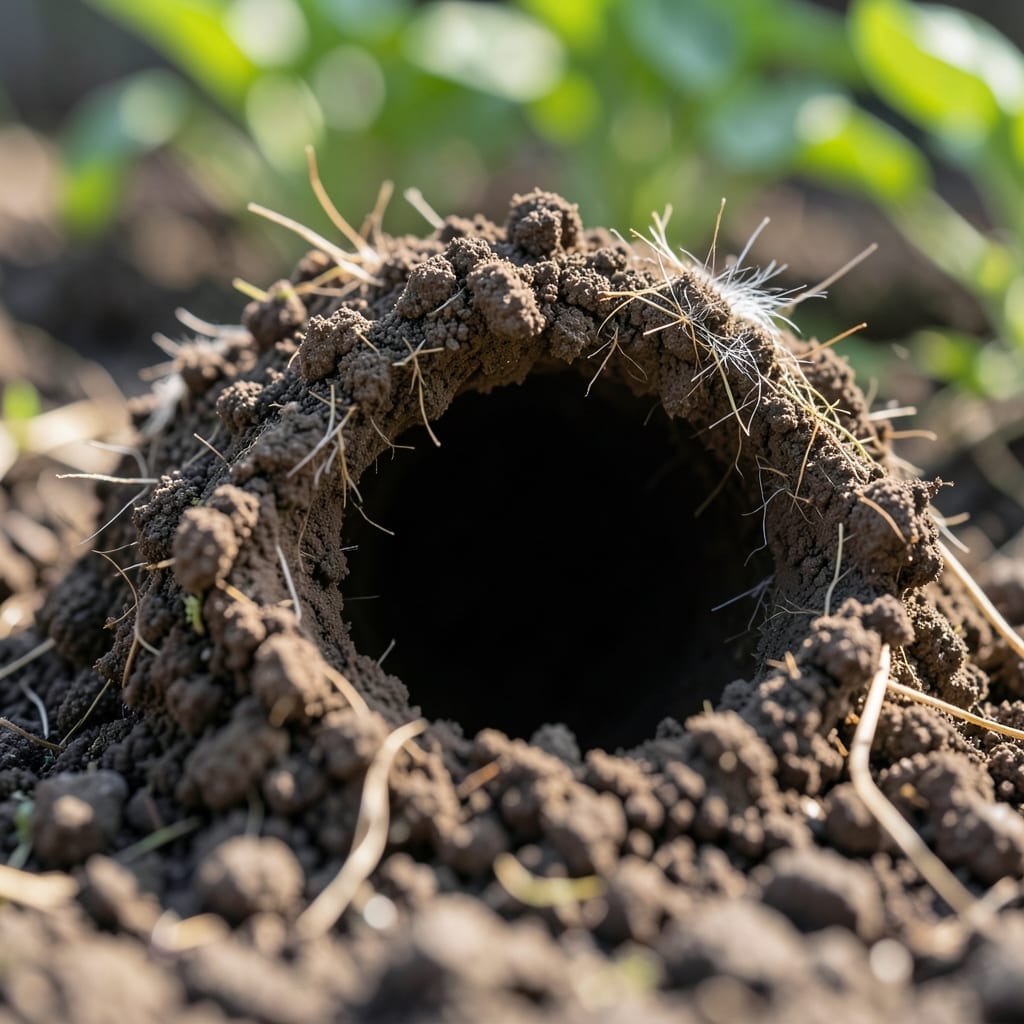
I found my first underground rabbit nest hole last spring, a perfect 6-inch diameter tunnel leading to a hidden nursery. It caught me off guard, but I learned these are more common than most gardeners realize.
Mama rabbits dig these to protect their young from predators and weather. The holes often appear overnight in lawns or garden beds, usually in areas with soft soil and good cover. I’ve since spotted them near shrubs and under decks.
Removing them humanely means timing it right—never when babies are present. The key is gentle relocation and preventing future nests without harming wildlife. It’s simpler than it sounds.
With the right approach, you can reclaim your space while keeping the local rabbit population safe. Here’s how to handle it properly.
Rabbits create underground nests for a few key survival reasons. These behaviors are deeply rooted in their instincts and environmental needs. Here’s why it happens:
One of the primary reasons rabbits dig underground is to safeguard their young. Above-ground nests are vulnerable to predators like foxes, hawks, and snakes. By burrowing, rabbits create a hidden, enclosed space where their offspring are less detectable and harder to reach. The depth and complexity of the tunnel system often deters predators from pursuing them further.
Underground nests provide a stable microclimate that protects baby rabbits (kits) from extreme temperatures. Soil acts as a natural insulator, keeping the nest cool in summer and warm in winter. This is critical for the survival of newborns, which are blind, hairless, and highly sensitive to temperature fluctuations in their first weeks of life.
Female rabbits, or does, are hardwired to prepare a secure nesting site before giving birth. This instinct drives them to dig shallow depressions or use existing burrows, which they then line with fur and grass. The underground location reduces disturbances and increases the likelihood of the litter’s survival during the vulnerable nesting period, which lasts about 3–4 weeks.
Dealing with an underground rabbit nest hole requires humane and practical steps to ensure the safety of both your property and the wildlife. Below are targeted solutions for common scenarios, along with prevention tips to keep rabbits from returning.
If you discover a nest with newborn rabbits, do not disturb it. Mother rabbits only visit their young twice a day—at dawn and dusk—so the nest may appear abandoned. Leave it undisturbed for 10–12 days. If the babies are injured or the mother hasn’t returned after 24 hours, contact a wildlife rehabilitator. To confirm abandonment, place a light layer of twigs or leaves over the nest; if they’re moved within a day, the mother is still caring for them.
For empty holes, fill them in to prevent reuse. Use a mix of soil and small rocks to deter re-digging. If the hole is deep, add a layer of chicken wire just below the surface before backfilling to block access. Avoid using harsh chemicals, as they can harm the environment and other wildlife.
Rabbits are creatures of habit. To discourage them, modify the area by adding physical barriers like fencing buried at least 6 inches deep. Plant rabbit-resistant vegetation such as marigolds, onions, or lavender around the perimeter. Motion-activated sprinklers can also startle rabbits away without causing harm.
Prevention Tips:
Most are shallow, about 4-6 inches deep, with a small chamber for the babies. They’re often lined with fur and grass for warmth.
They prefer soft soil, good cover like shrubs, and quiet areas away from foot traffic. Your yard likely offers safety and easy digging conditions.
No—moving it may cause the mother to abandon the babies. If it’s unsafe, use barriers to gently redirect her next nesting attempt.
They usually stay for 3-4 weeks before venturing out. Avoid disturbing the area during this time to ensure their survival.