
Beautiful Plants For Your Interior
Beautiful Plants For Your Interior
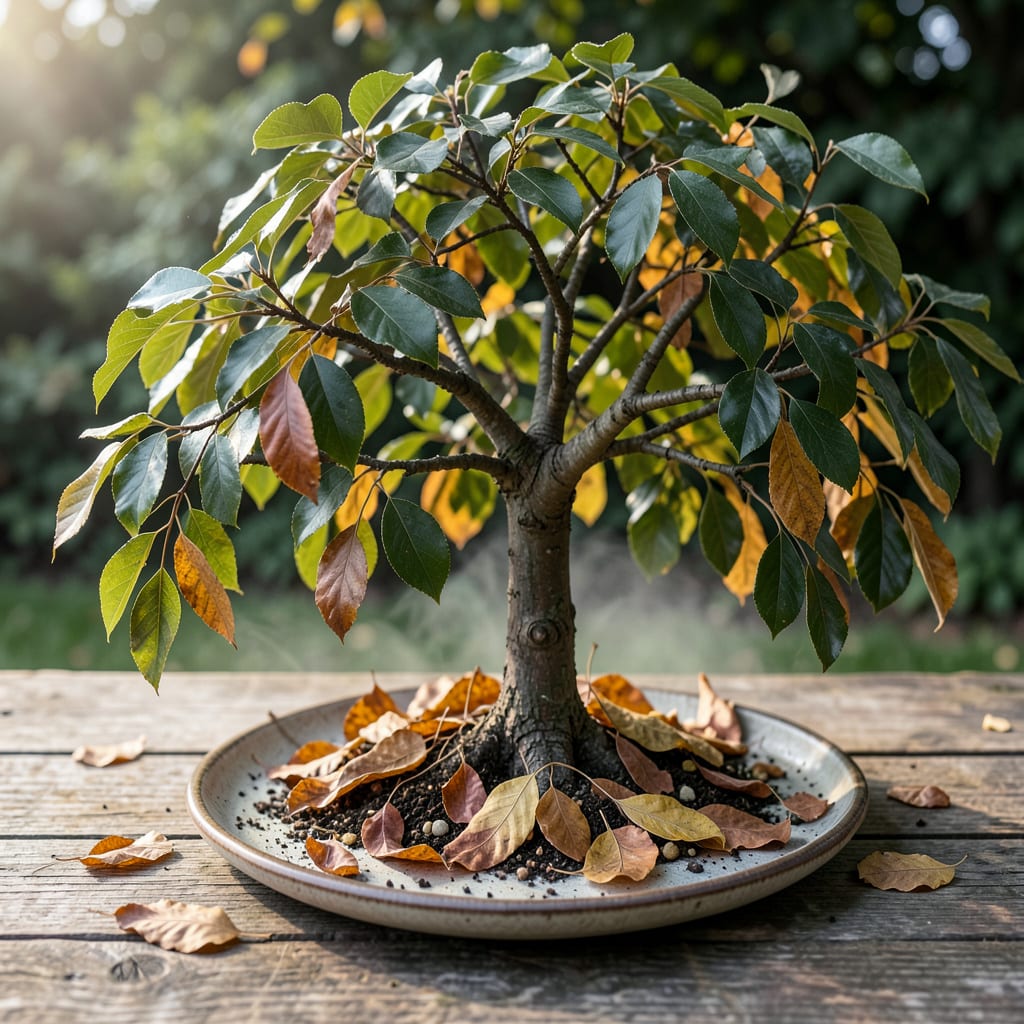
My umbrella tree shed half its leaves last winter. 🌿 Turns out, it wasn’t dying—just protesting the dry air and my overzealous watering schedule.
Here’s the thing—these plants bounce back fast with the right tweaks. Yellow leaves often mean too much water, while brown crispy edges scream for humidity. Fix both, and you’ll see new growth in 2-3 weeks.
📚 In This Guide
Here’s the method I use to nurse these plants back to health—works every time.
Umbrella trees thrive in bright, indirect light. If yours is dropping leaves, check its position first. Move it to an east-facing window or a spot with filtered sunlight. Direct sun scorches the foliage, while low light causes stress and leaf drop.
You’ll know the light is right when new growth emerges with rich, deep green color. If leaves appear pale or bleached, your plant is getting too much direct exposure. Rotate the pot quarter turn weekly to ensure even growth.
Overwatering is the most common killer. Let the top 1-2 inches of soil dry out between waterings. Stick your finger in the soil—if it feels damp, wait. These plants tolerate drought better than soggy roots, which lead to root rot and yellowing leaves.
When you do water, use room-temperature water and soak until it runs from the drainage holes. Empty the saucer after 15 minutes to prevent standing water. Underwatering shows as crispy, brown leaf edges, while overwatering causes soft, yellow leaves.
These tropical plants prefer 40-50% humidity. Brown leaf tips often signal dry air. Group plants together, use a humidifier, or place the pot on a pebble tray with water to boost moisture. Just ensure the pot isn’t sitting directly in water.
Keep temperatures between 65-75°F and avoid cold drafts from windows or AC vents. Sudden temperature drops cause shock and leaf loss. If your home runs cool, move the plant away from exterior walls at night.
Spider mites and mealybugs love dry, stressed plants. Check leaf undersides and stems for webbing or white cottony clusters. Wipe leaves with a damp cloth weekly to deter pests and remove dust that blocks light absorption.
Prune yellow or brown leaves at the stem base using clean, sharp scissors. This redirects energy to healthy growth. Real talk: it’s better to remove a few sad leaves than let them drain the plant’s resources. Sterilize tools with rubbing alcohol between cuts.
Feed with a balanced liquid fertilizer diluted to half strength every 4-6 weeks in spring and summer. Stop fertilizing in fall and winter when growth slows. Over-fertilizing causes salt buildup, which burns roots and triggers leaf drop.
Flush the soil with water every 2-3 months to remove excess salts. You’ll see a difference within weeks—new leaves should emerge larger and healthier. If growth stalls after repotting, wait a month before resuming fertilizer to avoid shocking fresh roots.
Small adjustments make a big difference in nursing your plant back to health.
The Light Factor: In Step 1, that quarter turn weekly isn’t just for aesthetics—it prevents lopsided growth that can stress the plant. I learned this the hard way after one side of my umbrella tree became a sad, bare stalk. East-facing windows are your best friend for that bright, indirect light sweet spot.
Watering Wisdom: That 15-minute saucer-emptying rule in Step 2 is non-negotiable. I once left water sitting overnight and woke up to a plant with yellowing leaves and a funky smell. Stick your finger in the soil—if the top 1-2 inches feel dry, it’s time to water deeply.
Humidity Hack: For Step 3, if you don’t have a humidifier, try the pebble tray method. Fill a shallow tray with water, add pebbles, and set the pot on top. The evaporating water boosts humidity around your plant without drowning its roots. Aim for that 40-50% range to prevent brown leaf tips.
Temperature Tip: Keep your plant in that 65-75°F zone mentioned in Step 3. I lost a few leaves before realizing my AC vent was blasting directly on my poor umbrella tree. Move it away from drafts, and you’ll avoid the shock that causes sudden leaf drop.
Common causes include overwatering, underwatering, low humidity, or sudden temperature changes. Check your care routine—umbrella trees thrive in consistent, well-draining conditions.
Water when the top 1-2 inches of soil are dry, typically every 1-2 weeks. Ensure the pot has drainage holes to prevent root rot.
Yes! With proper care, new growth should appear in a few weeks. Prune dead leaves and maintain stable conditions for a speedy recovery.
Bright, indirect light is ideal. Avoid direct sunlight, which can scorch leaves, or deep shade, which may cause leaf drop.
Only fertilize during the growing season (spring/summer). Over-fertilizing can stress the plant—use a balanced, diluted houseplant fertilizer monthly.
