
Beautiful Plants For Your Interior
Beautiful Plants For Your Interior
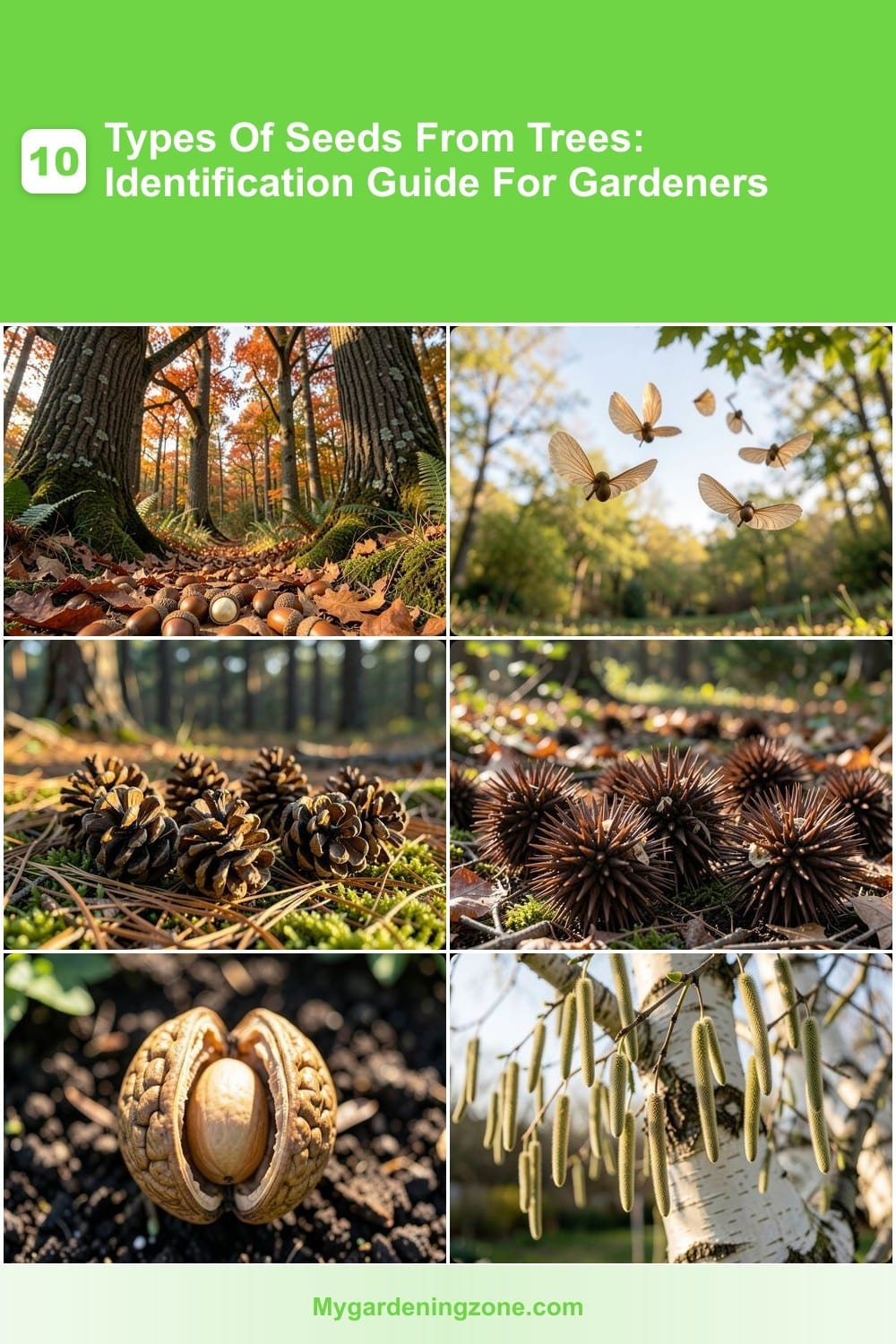
From towering oaks to delicate maples, trees produce an incredible variety of seeds that serve as nature’s planting mechanism. This guide helps gardeners identify 10 common types of tree seeds, their unique characteristics, and how they can be used in landscaping or propagation.
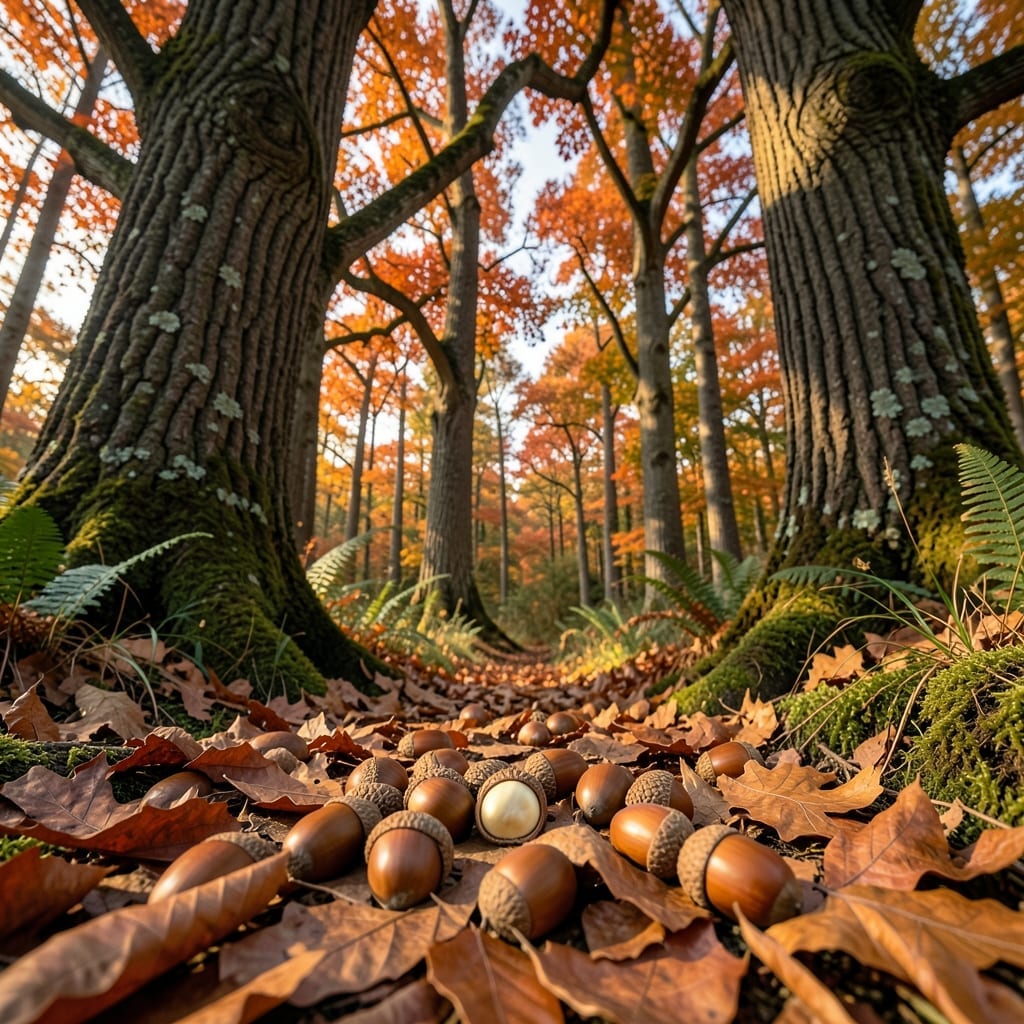
Nothing says “autumn” like the sight of acorns scattered under towering oaks. These iconic seeds are nature’s perfect package—durable, nutritious for wildlife, and ready to grow into mighty trees with just a little help from you.
Each acorn contains a single seed that can sprout into a new oak if planted in well-drained soil with full sun to partial shade. Squirrels love them, but so do gardeners looking to add long-lived, low-maintenance trees to their landscape.
Collect ripe acorns in fall, store them in a cool, dry place, and plant within a few weeks for best germination. It’s a simple way to grow a legacy tree. 🌱
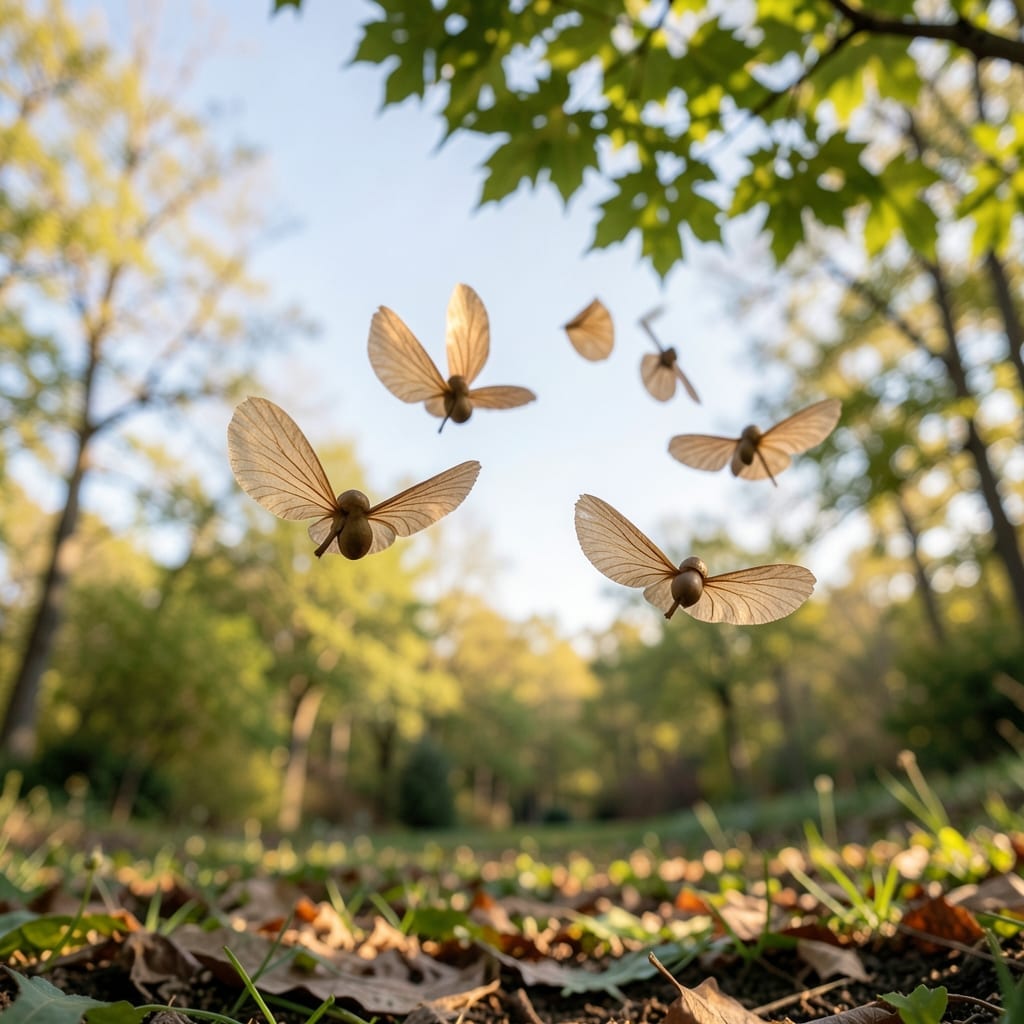
Watch the ground in spring, and you might spot maple samaras twirling down like tiny helicopters. These winged seeds, also called helicopter seeds, are a playful sign that maple trees are reproducing.
Each samara contains a single seed at its center, with the wing helping it travel farther from the parent tree. They germinate best when planted in moist, well-drained soil in early spring or fall. Kids and gardeners alike love collecting them for nature projects.
Easy to identify and fun to watch, these seeds are a great way to introduce children to the wonders of tree propagation. 🌱
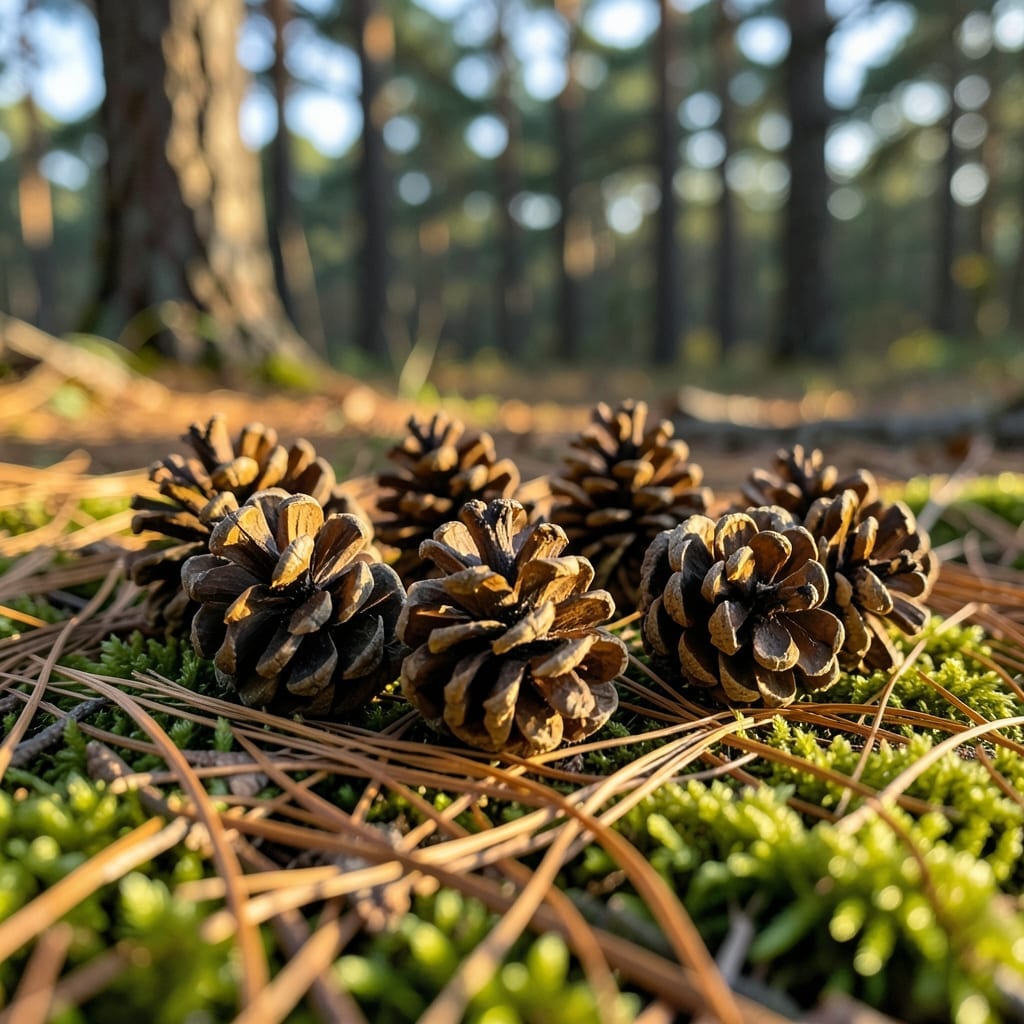
Those woody pine cones you find on forest floors aren’t just decorative—they’re nature’s time-release capsules. As modified branches, they shield pine tree seeds until fire, drought, or ideal moisture signals it’s safe to grow.
When conditions are perfect, the cone scales open to release seeds, making them vital for natural reforestation. You can collect closed cones, dry them indoors, and watch the scales part to harvest seeds for planting your own pines.
Perfect for gardeners supporting native ecosystems or reforestation projects, these seeds help restore pine forests efficiently. 🌲
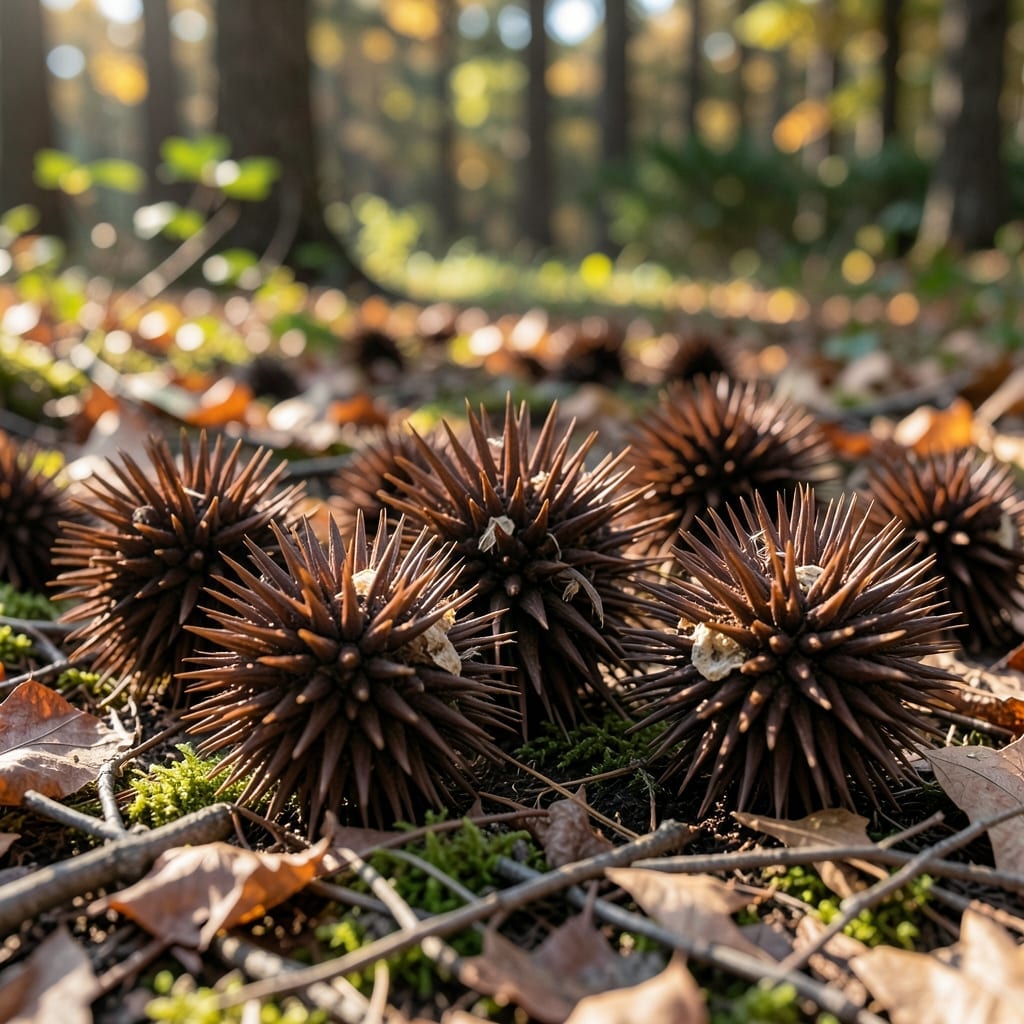
Those prickly sweetgum balls cluttering your yard are actually fascinating seed pods from the stately sweetgum tree. Their spiky exterior makes them instantly recognizable, and they’re a favorite for craft projects like wreaths or holiday decorations.
Each ball contains dozens of tiny seeds that wildlife adores, and the pods themselves can be crushed into natural mulch for garden beds. Collect them in autumn when they turn brown and dry, then store them in a cool, dry place until you’re ready to use them.
Perfect for creative gardeners who love repurposing nature’s treasures, these pods add texture and interest to any outdoor space. 🌿
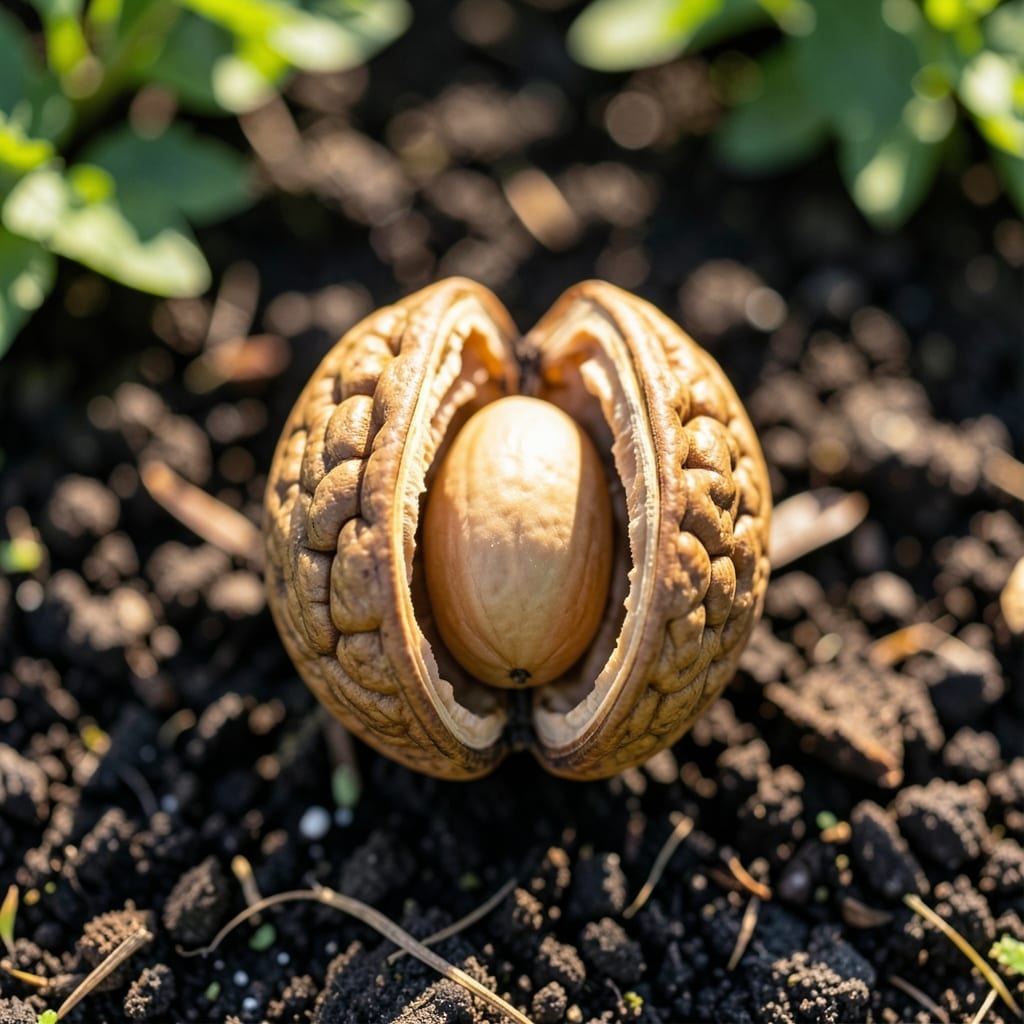
Hidden inside that tough, brain-like shell lies the key to growing your own walnut tree. Unlike many seeds, walnuts require patience—they need a cold stratification period before they’ll sprout, mimicking winter conditions to break dormancy.
Plant the seeds in well-drained, fertile soil in a sunny location, spacing them at least 30 feet apart to accommodate their eventual size. With proper care, these seeds can grow into majestic trees that produce edible nuts for generations.
Ideal for gardeners with space and a long-term vision, walnut trees are a rewarding investment for any landscape. 🌱
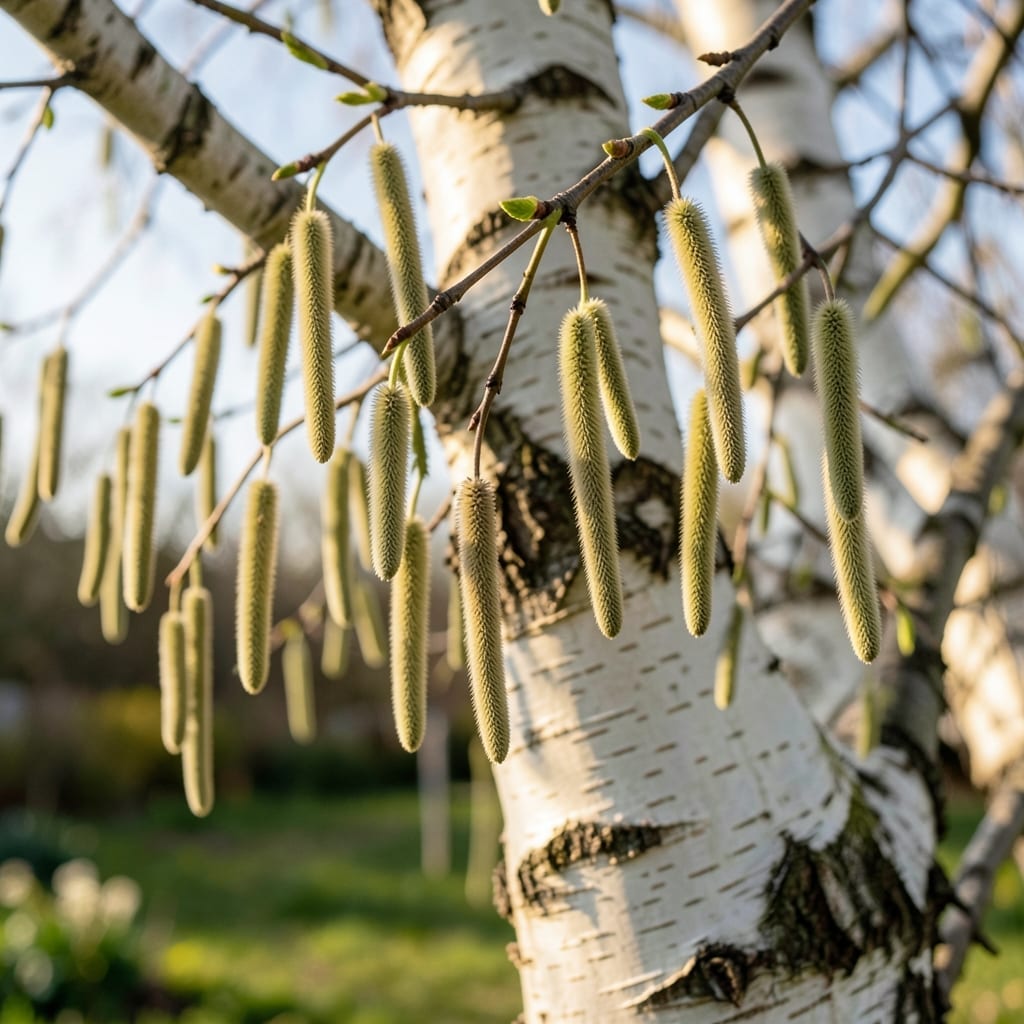
Those dangling, cylinder-shaped catkins on birch trees aren’t just decorative—they’re nature’s way of spreading life. Slender and soft, they release countless tiny seeds that float on the breeze, ensuring new birch trees can grow far from the parent.
Birch catkins appear in early spring before the leaves, making them easy to spot. They thrive in cool climates and moist soils, and their wind-dispersed seeds are a key part of the tree’s reproductive cycle. Collect them in spring when they’re dry and brown for propagation.
Perfect for gardeners who love watching nature’s subtle processes, these catkins are a quiet but vital part of the ecosystem. 🌱
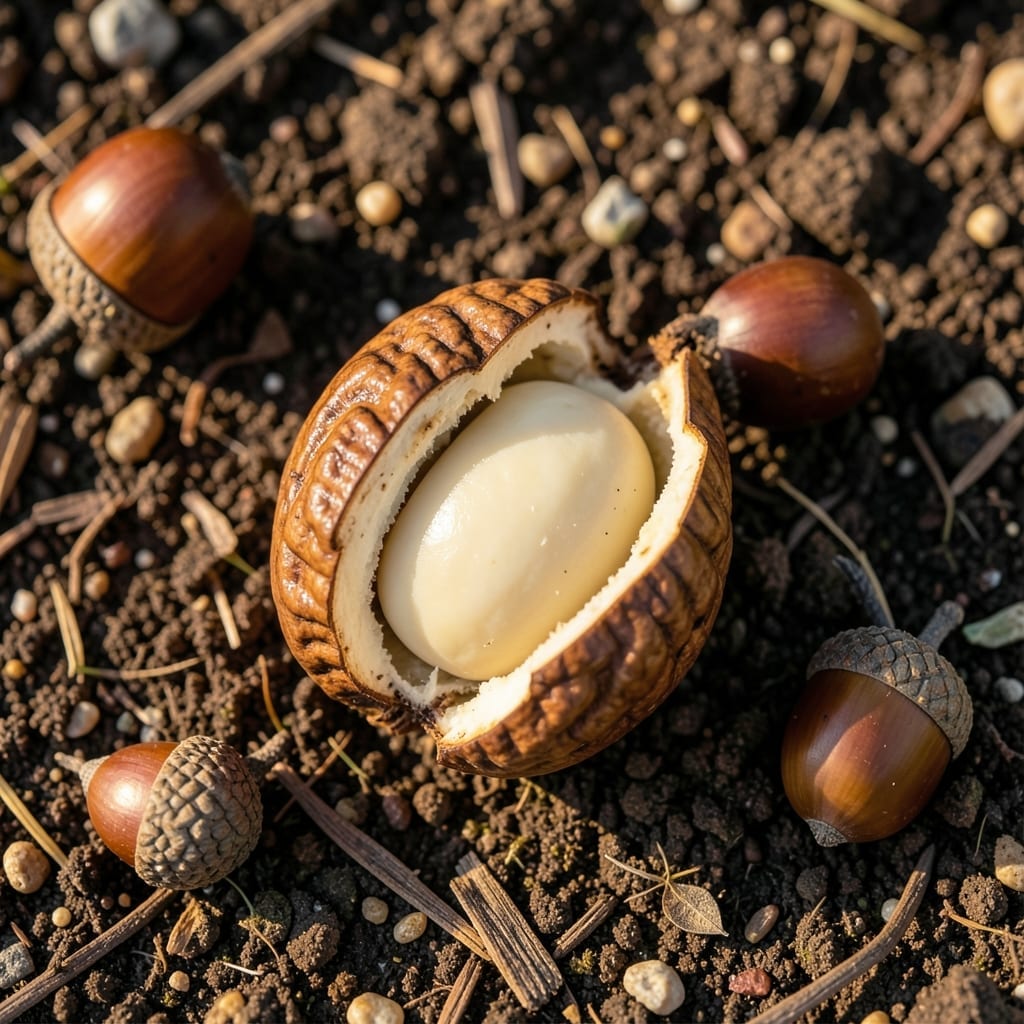
If you’ve ever cracked open a hickory nut, you know its thick shell guards a treasure inside. These seeds are a favorite of squirrels, deer, and gardeners who appreciate their role in growing strong, long-lived hickory trees.
Hickory nuts thrive when planted in well-drained soil with full sun to partial shade. Collect them in autumn when the husks turn brown and split open, then plant them about 1-2 inches deep. They require patience, as germination can take 1-2 years due to their hard shells.
Perfect for gardeners who love supporting wildlife or adding durable, native trees to their landscape, hickory nuts are a rewarding choice for propagation. 🌱
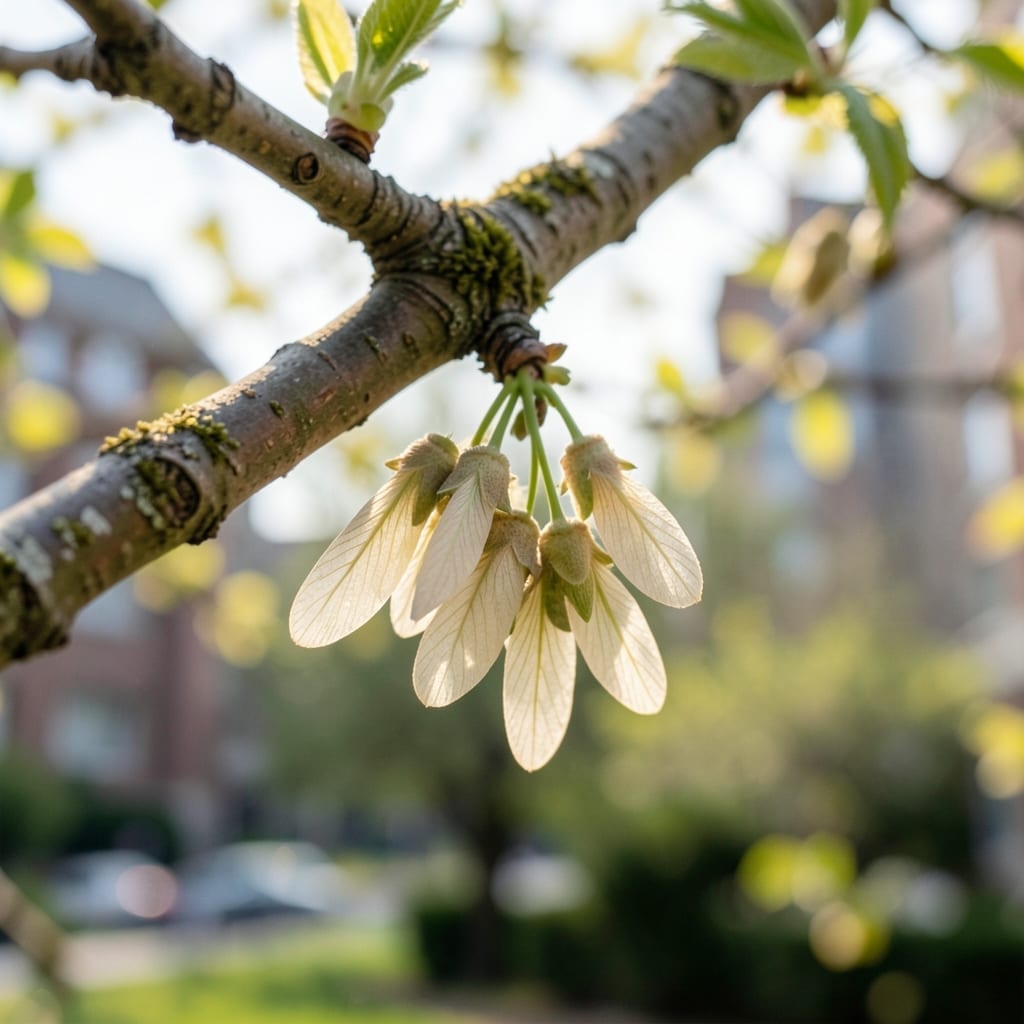
Don’t let their size fool you—elm seeds may be tiny and papery, but they pack the power to grow into some of the hardiest urban trees. Often mistaken for debris, these delicate seeds are nature’s way of ensuring elms thrive even in tough city conditions.
You’ll find them in spring, clustered in small, disc-shaped samaras that flutter to the ground. For best results, collect them fresh and plant in moist, well-drained soil where they’ll have room to mature into their iconic vase shape.
Urban gardeners and park planners love elms for their adaptability to pollution and compacted soil, making these seeds a secret weapon for greener cities. 🌱
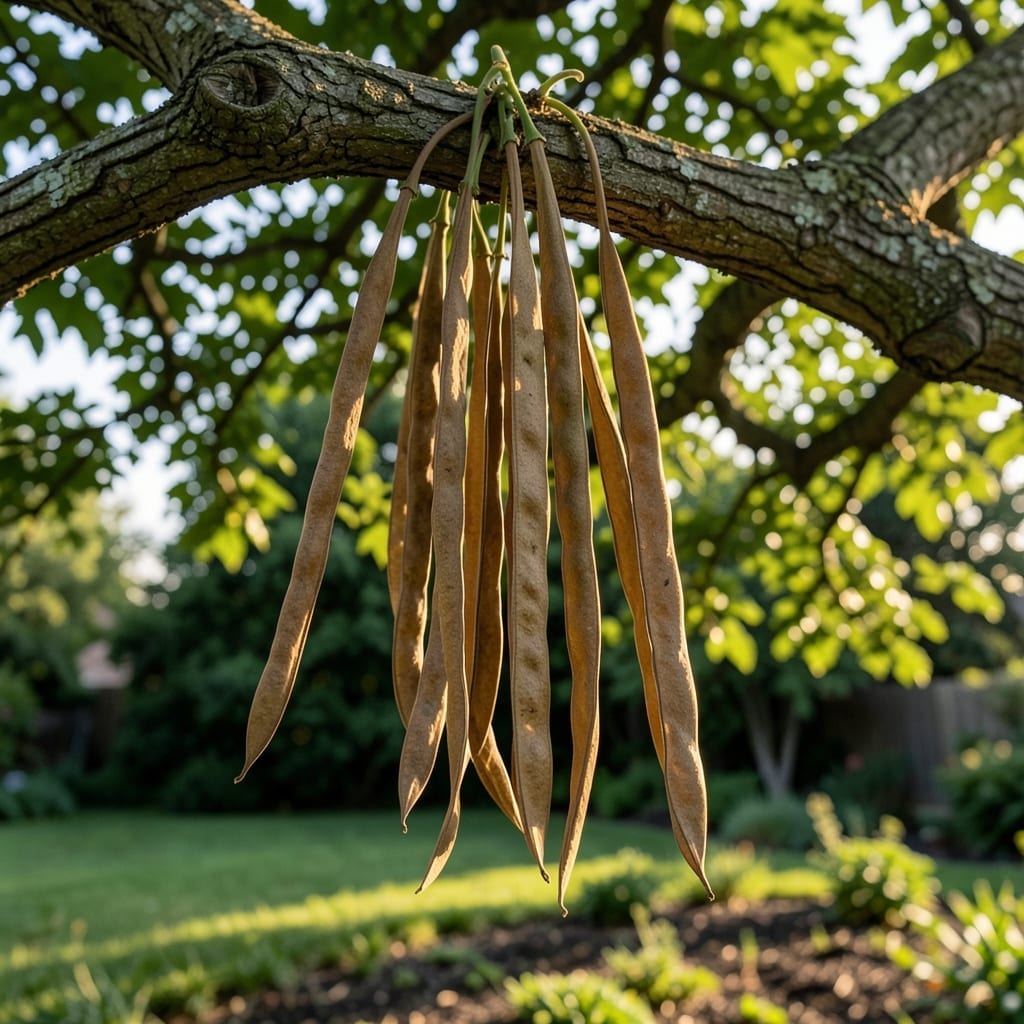
Those long, slender catalpa seed pods dangling from branches are more than just eye-catching—they’re packed with flat, easy-to-handle seeds perfect for propagation. Their unique shape makes them simple to spot and collect, especially in late summer when they turn brown.
Once harvested, the seeds require no special treatment—just plant them in well-drained soil with full sun to partial shade. Catalpa trees grow quickly, offering lush foliage and shade, making them a favorite for gardeners seeking both beauty and function.
Ideal for those who love low-maintenance trees with striking visual appeal, catalpa pods are a gardener’s delight for effortless propagation. 🌿
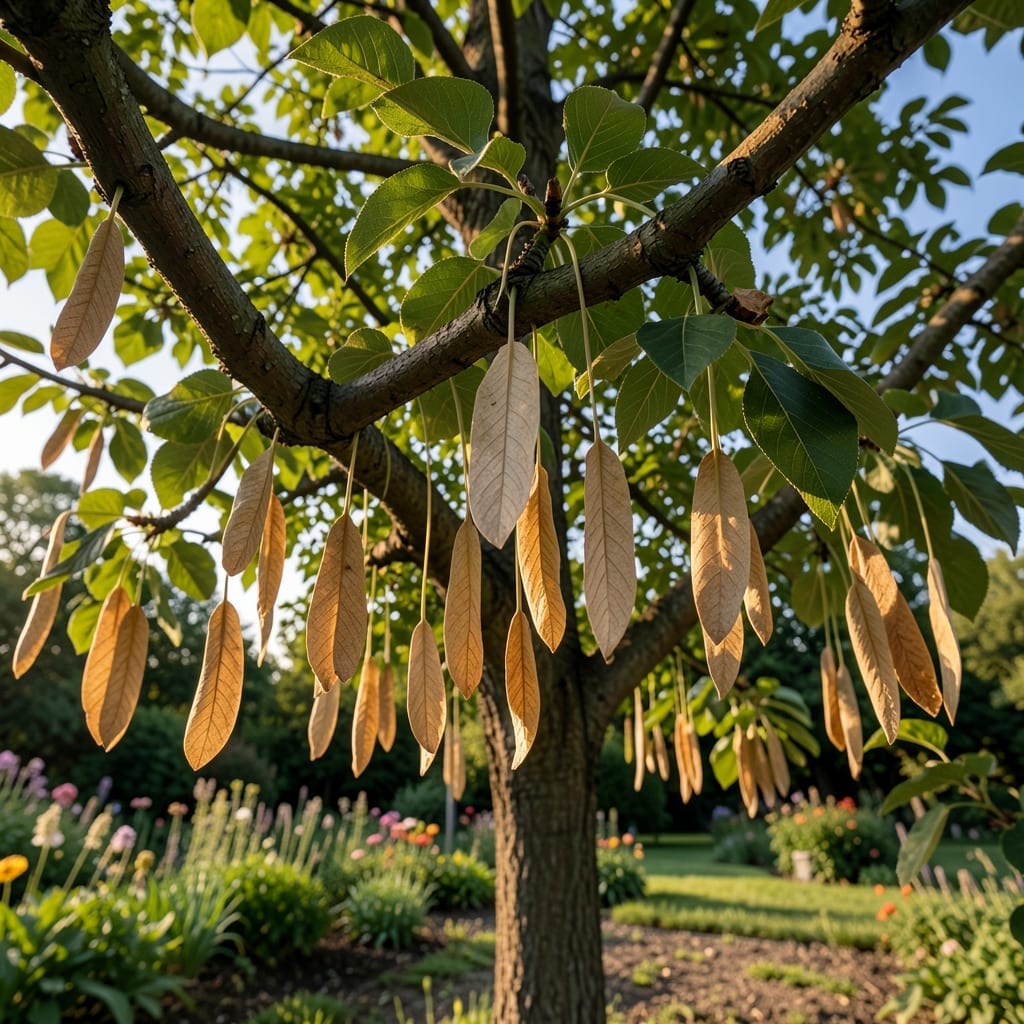
Spot a cluster of paddle-shaped seeds dangling from branches in late summer or fall, and you’ve likely found ash tree keys. These unique, flat seeds hang in bunches, making them easy to identify among other tree seeds.
Unlike helical or rounded seeds, ash keys have a distinctive winged design that helps them catch the wind for dispersal. They thrive in well-drained soil and are often collected for propagation or wildlife support, as birds and small mammals enjoy them.
Gardeners who love native trees or want to add shade and diversity to their landscape will appreciate how these seeds make ash tree identification a breeze. 🌿