
Beautiful Plants For Your Interior
Beautiful Plants For Your Interior
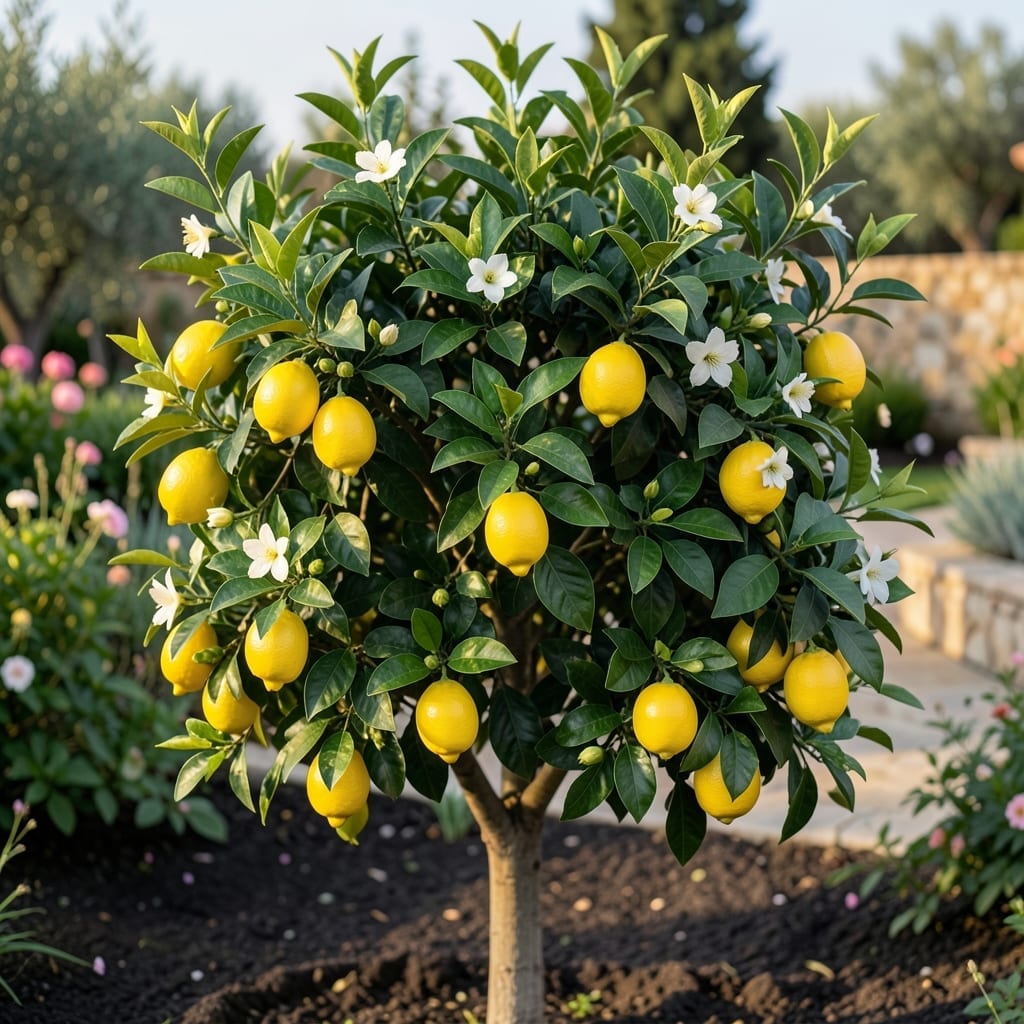
From sweet oranges to tangy lemons, citrus trees bring vibrant flavors and fragrant blooms to any home garden. The 🍊 Citrus Tree offers a delightful way to enhance your outdoor space.
Whether you’re a seasoned gardener or just starting out, there’s a perfect variety waiting for you. Each type has its own unique charm and care needs.
Let me guide you through the best options and how to grow them successfully in your own backyard. You’ll be enjoying fresh, homegrown fruit before you know it.
I love how citrus trees transform gardens with their glossy leaves and colorful fruit. Each variety offers unique flavors and growing habits.
From juicy oranges to zesty limes, there’s a perfect match for every garden space and climate. Let me introduce you to the most garden-friendly options.
| Variety | Notes |
|---|---|
| Navel Orange | Sweet, seedless, needs full sun and well-draining soil |
| Meyer Lemon | Thin-skinned, sweet-tart, great for containers and cool climates |
| Key Lime | Small, tart, drought-tolerant once established |
| Ruby Red Grapefruit | Pink flesh, needs warm climate, grows to 20-30 ft |
| Satsuma Mandarin | Easy-to-peel, cold-hardy to 15°F, seedless |
The Navel Orange is a classic choice for its sweet flavor and easy peeling. It thrives in USDA zones 9-11 with plenty of sunshine.
For container gardening, I recommend the Meyer Lemon. Its compact size and year-round fruiting make it perfect for patios and balconies.
If you love tropical flavors, the Key Lime is a must. It’s more cold-sensitive but rewards with abundant, aromatic fruit.
The Ruby Red Grapefruit adds a bold statement to any landscape. Its large size requires space, but the juicy pink flesh is worth it.
For colder regions, the Satsuma Mandarin is my top pick. It handles light frosts better than most citrus and produces easy-to-peel segments.
Remember, all citrus trees need well-draining soil and regular watering. Most prefer full sun but will tolerate partial shade in hot climates.
With proper care, these trees can provide decades of fruit and beauty. Start with one variety, and I bet you’ll want to add more! 🌿
Selecting the perfect citrus tree starts with understanding your local climate. I always check my USDA hardiness zone first, as this dictates which varieties will thrive.
From frost-sensitive limes to cold-hardy mandarins, each type has specific temperature needs. Let me help you match the right tree to your growing conditions.
| Variety | Climate Needs |
|---|---|
| Navel Orange | Zones 9-11, needs warm winters |
| Meyer Lemon | Zones 8-11, tolerates light frost |
| Key Lime | Zones 10-11, frost-sensitive |
| Satsuma Mandarin | Zones 7-11, most cold-hardy |
| Ruby Red Grapefruit | Zones 9-11, needs hot summers |
In cooler climates, I recommend starting with container-grown trees. The Meyer Lemon and Satsuma Mandarin are excellent choices for patios and can be moved indoors during winter.
For hot desert regions, grapefruit and orange varieties do well with ample water. Remember, consistent moisture is key during fruit development.
If you’re in a marginal zone, consider planting near a south-facing wall for added warmth. Microclimates can make a big difference in citrus success.
Always protect your trees from sudden frost with blankets or lights. With the right variety and care, you can enjoy homegrown citrus in most regions. 🌱