
Beautiful Plants For Your Interior
Beautiful Plants For Your Interior
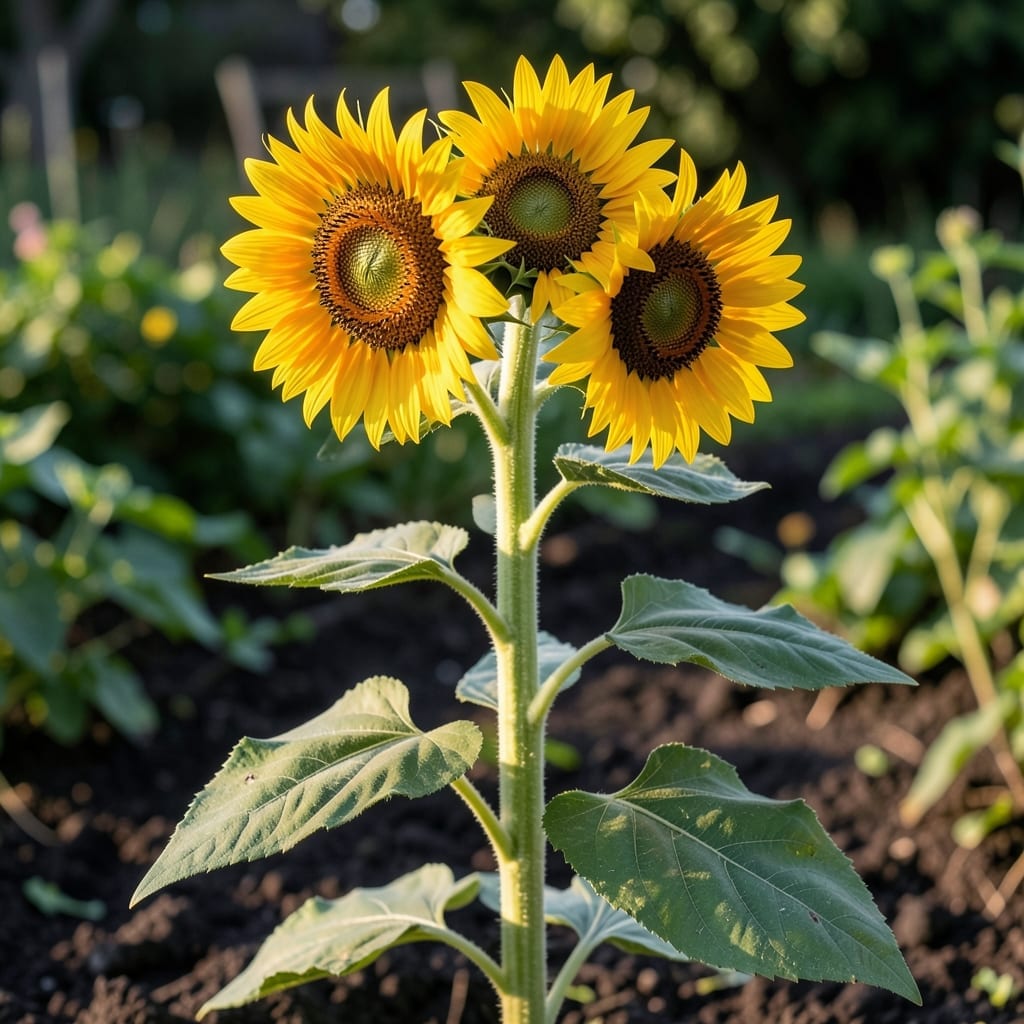
My sunflower patch produced a surprise last summer—a single stalk with two flower heads. Not a mistake, but a fascinating twist in nature’s plan.
It happens more often than you’d think, usually from genetic quirks or environmental stress like uneven watering. The plant itself stays healthy, and honestly, the double blooms just mean more cheerful faces in your garden.
You don’t need to fix anything, but if you want to encourage this, try planting seeds from these unique sunflowers. They might pass on the trait.
Mostly, it’s just a fun conversation starter. Nature’s way of keeping things interesting.
The phenomenon of a sunflower producing two heads, or fasciation, is a rare but intriguing occurrence in gardening. This unusual growth pattern is caused by several distinct factors, each disrupting the plant’s normal development in unique ways.
Some sunflowers develop two heads due to spontaneous genetic mutations. These mutations can affect the apical meristem, the plant’s growth tip, causing it to split and form multiple flowering stems. While rare, certain heirloom or open-pollinated varieties are more prone to such genetic quirks.
Extreme conditions like drought, frost, or physical damage (e.g., animal bites or pruning errors) can trigger fasciation. The plant’s response to stress may lead to abnormal cell division, resulting in a two-headed sunflower. Ensuring consistent watering and protecting plants from harsh weather can minimize this risk.
Insects, such as aphids or thrips, or fungal infections can disrupt normal growth by damaging the plant’s tissues. This interference may cause the sunflower to produce extra heads as it attempts to recover. Regular pest control and proper sanitation help prevent such issues.
Excessive or uneven application of growth hormones (e.g., gibberellins or auxins) can also lead to fasciation. Gardeners using synthetic fertilizers or plant regulators should follow dosage guidelines carefully to avoid unintended side effects.
While a two-headed sunflower is a fascinating sight, understanding these causes can help gardeners either encourage or prevent this phenomenon, depending on their goals.
If your sunflower is growing two heads, don’t panic—this unusual trait can often be managed with a few simple adjustments. Below are practical solutions tailored to the most common causes, along with prevention tips to keep your sunflowers healthy and single-headed in the future.
When sunflowers are planted too closely together, they compete for resources, sometimes triggering fasciation—where the stem flattens and splits, creating multiple heads. Fix: Gently thin out seedlings when they’re 2–3 inches tall, leaving 12–18 inches between plants. Use small scissors to snip unwanted sprouts at soil level to avoid disturbing the roots of the ones you keep.
Prevention tip: 💡 Sow seeds at the recommended spacing from the start (check your seed packet for variety-specific guidelines).
Too much nitrogen or uneven nutrient distribution can cause abnormal growth, including two-headed sunflowers. Fix: Switch to a balanced, low-nitrogen fertilizer (like a 5-10-10 formula) and apply it sparingly. If fasciation is already present, stop fertilizing temporarily to let the plant stabilize.
Prevention tip: 🌡️ Test your soil before planting. Sunflowers thrive in moderately fertile soil—amend with compost rather than heavy synthetic fertilizers.
Injury from pests (like stem-boring insects) or fungal diseases can disrupt normal growth, leading to mutations like double heads. Fix: Check stems for holes, chew marks, or discoloration. Remove affected plants to prevent spread, and treat the area with neem oil or insecticidal soap for pests. For fungal issues, improve airflow and avoid overhead watering.
Prevention tip: ✨ Rotate crops yearly and keep the garden free of debris to reduce pest and disease risks.
Extreme heat, inconsistent watering, or physical damage (e.g., from wind or hail) can trigger fasciation. Fix: Provide consistent moisture (1–2 inches of water per week) and stake tall varieties to protect them from wind. If the weather is scorching, add a light shade cloth during peak afternoon hours.
Prevention tip: 🎯 Mulch around the base of plants to retain soil moisture and regulate temperature.
No, a sunflower with two heads is usually healthy and unaffected. The plant can still grow and produce seeds normally.
Yes, you can save seeds from it. However, the double-headed trait may not always pass to the next generation. For best results, use heirloom varieties.
It’s unpredictable. If caused by genetics, it might recur. If due to stress, improving care conditions reduces the chances.
Pruning isn’t necessary, but removing one head can redirect energy to the remaining bloom. Use clean shears to avoid damaging the stem.