
Beautiful Plants For Your Interior
Beautiful Plants For Your Interior
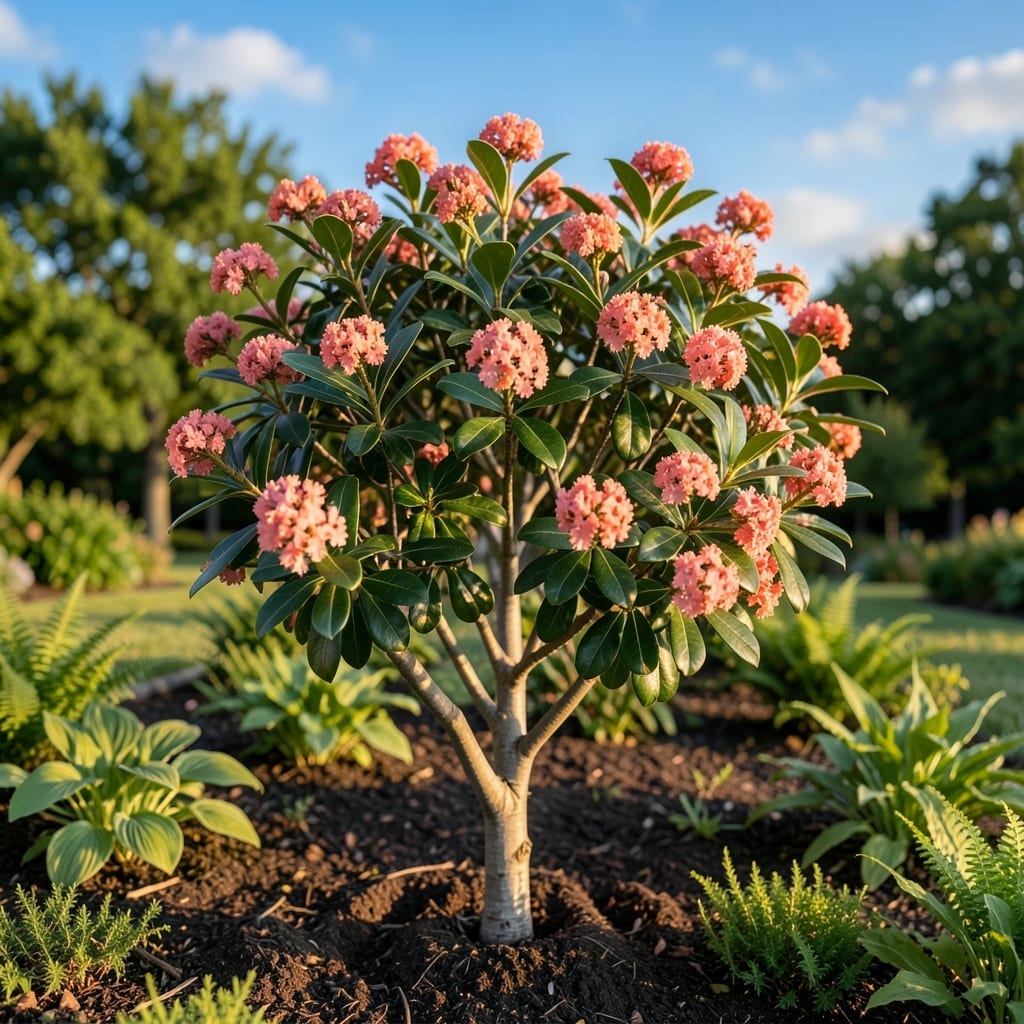
The Tuscarora Crape Myrtle 🌳 is a showstopper in any landscape, but its impressive growth can catch gardeners off guard. This stunning tree demands attention with its vibrant blooms, yet its mature dimensions often surprise those who plant it without planning.
Reaching up to 25 feet tall, it needs space to truly shine. I’ve seen too many gardeners underestimate its potential, leading to crowded yards or pruning headaches. Proper placement is the key to enjoying its beauty without the stress.
Let me guide you through what to expect and how to prepare. With the right knowledge, you’ll cultivate a thriving centerpiece that enhances your outdoor space for years to come.


The Tuscarora crape myrtle is a fast-growing deciduous tree that reaches impressive dimensions. On average, it grows 15 to 25 feet tall with a 10 to 15-foot spread at maturity.
In ideal conditions, it can add 3 to 5 feet per year, making it a rapid way to add height and color to your yard. I’ve watched these trees transform small saplings into towering focal points in just a few seasons.
Tuscarora Crape Myrtle Size Overview
| Attribute | Specification |
|---|---|
| Mature Height | 15-25 ft |
| Mature Spread | 10-15 ft |
| Annual Growth | 3-5 ft/year |
| Plant Type | Deciduous Tree |
| USDA Zones | 6a-9b |
Several factors influence its final size. Soil quality and drainage are critical—poor conditions can stunt growth. I always recommend amending heavy clay with compost before planting.
Climate plays a big role too. In warmer zones, it thrives and reaches the upper size range. In cooler areas, it may stay slightly smaller but still makes a dramatic impact.
Pruning practices significantly affect dimensions. While you can keep it smaller with regular trimming, I advise against excessive pruning. It ruins the natural shape and reduces summer blooms.
For best results, plant in full sun and give it room to grow. Crowding leads to weak growth and disease. I’ve seen too many gardeners plant these too close to houses or fences.
At maturity, expect a vase-shaped canopy with stunning pink summer blooms. The bark develops beautiful exfoliating patterns, adding winter interest. This tree offers year-round appeal.
Remember that young trees establish quickly but need consistent moisture the first year. Once established, they’re remarkably drought-tolerant, making them low-maintenance stars.
If space is limited, consider its growth habit carefully. The 10-15 foot spread means it needs open areas. For smaller yards, dwarf varieties might be a better fit. 🌳
Proper spacing is crucial for the Tuscarora crape myrtle. I recommend planting it 10 to 15 feet away from buildings, fences, or other large plants. This ensures ample room for its 10-15 foot spread at maturity.
This tree thrives in full sun locations with at least 6 hours of direct sunlight daily. Choose a spot with well-draining soil to prevent root rot. I’ve seen these trees struggle in low-lying areas with poor drainage.
⚠️ Spacing Mistake Alert
Planting too close to structures can damage foundations and roofs. Always account for the mature spread of 10-15 feet in all directions.
For best results, plant in spring or early fall when temperatures are mild. This gives roots time to establish before extreme heat or cold. I prefer spring planting for faster initial growth.
Avoid planting in heavy clay soil without amendment. Mix in compost or sand to improve drainage. The Tuscarora crape myrtle tolerates various soil types but performs best in loamy, well-drained soil.
Consider the tree’s mature height of 15-25 feet when choosing a location. Don’t place it under power lines or near overhead obstacles. Proper placement prevents future pruning headaches.
After planting, water deeply and add 2-3 inches of mulch around the base. Keep mulch 6 inches away from the trunk to prevent rot. This helps retain moisture and regulate soil temperature.
With proper spacing and care, your Tuscarora crape myrtle will become a stunning, low-maintenance focal point for years to come. 🌳