
Beautiful Plants For Your Interior
Beautiful Plants For Your Interior
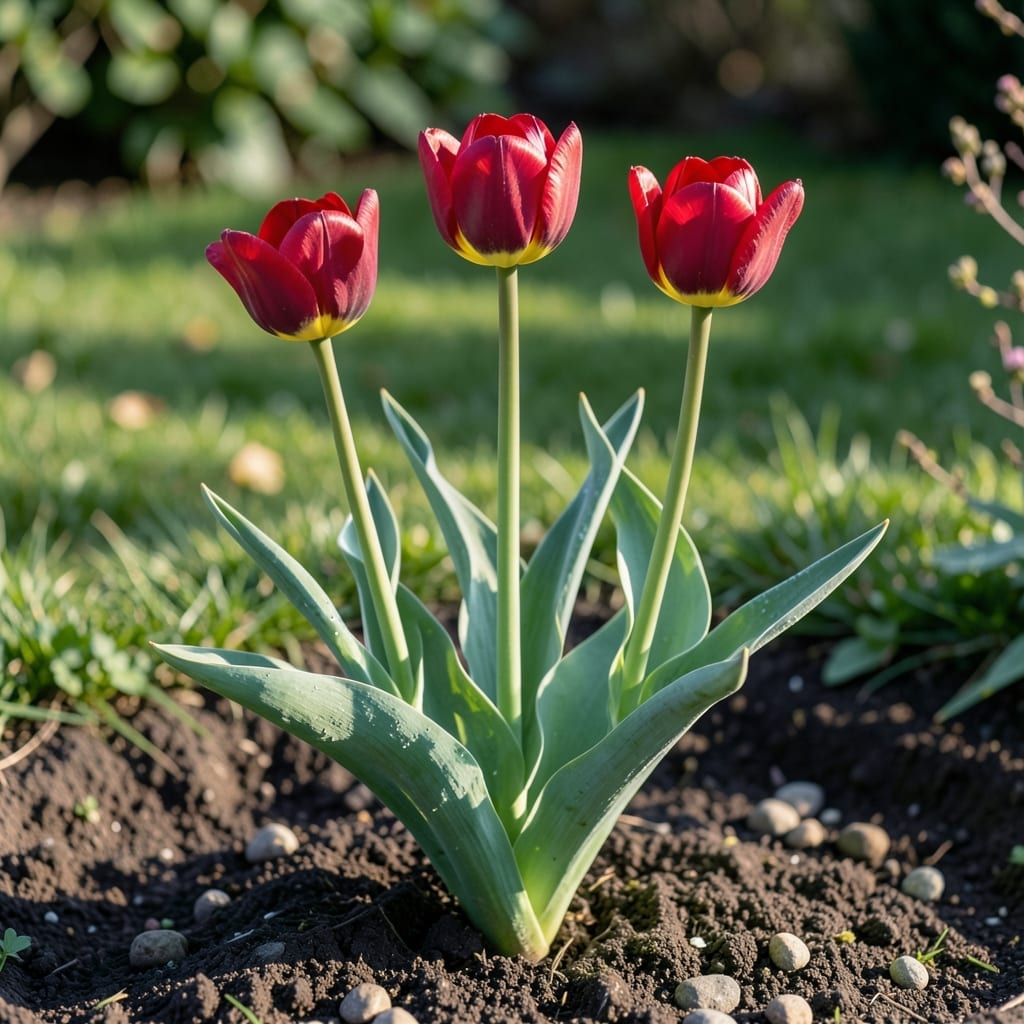
There’s nothing quite like watching 🌷 Tulips burst into bloom each spring, transforming your garden into a vibrant canvas. But here’s what many gardeners get wrong: where you plant them matters just as much as when.
I’ve seen firsthand how the right sunlight exposure can turn a mediocre tulip display into something extraordinary. These iconic flowers have specific needs that can make or break their performance.
Whether you’re working with a sun-drenched yard or a shadier spot, understanding their light preferences is the key to success. The good news? There’s more flexibility than you might think.
Discover how to position your tulips for maximum impact, regardless of your garden’s natural light conditions. Let’s get started.
 Best Window Placement
If you’ve ever wondered whether your tulips will thrive in that sunny spot or shady corner, you’re not alone. I’ve tested both scenarios in my own garden, and the results might surprise you.
Tulips absolutely love full sun—at least 6-8 hours daily—to produce those vibrant blooms we all adore. They’re sun-worshippers at heart, using that energy to create strong stems and rich colors.
| Requirement | Specification |
| Ideal Sunlight | 6-8 hours daily |
| Minimum Sun | 4-6 hours |
| Shade Tolerance | Light shade only |
| Bloom Impact | Reduced in heavy shade |
That said, some tulip varieties can handle partial shade, especially in warmer climates. I’ve found that Fosteriana and Greigii tulips manage reasonably well with 4-6 hours of sun.
The science behind this is simple: photosynthesis needs sunlight. Without enough light, tulips can’t produce the energy for those stunning blooms. You’ll notice smaller flowers and weaker stems in shadier spots.
In my experience, morning sun with afternoon shade works particularly well in hotter regions. This protects the blooms from scorching while still giving them the light they crave. ☀️
Remember that bulb longevity is also affected. Tulips in full sun tend to come back year after year more reliably than those in shadier conditions. This is because they store more energy in their bulbs.
If you’re working with a shady garden, consider planting your tulips where they’ll get the most available light. Near the edge of a tree canopy or on the east side of buildings often works well.
I always recommend testing different spots in your garden. You might find that one area gets just enough light for spectacular tulips, while another struggles. It’s all about finding that sweet spot.
And don’t forget that soil conditions work hand-in-hand with light. Even in perfect sunlight, tulips won’t thrive in waterlogged or poor soil. Well-draining soil is a must, regardless of light conditions.
🌷
Not all tulips demand full sun to thrive. Some varieties actually prefer a bit of shade, especially in warmer climates where intense afternoon sun can scorch their petals. I’ve found that Fosteriana tulips and Greigii tulips are particularly adaptable.
These shade-tolerant types can flourish with just 4-6 hours of sunlight daily. They’re perfect for spots under trees or along the north side of buildings where light is limited but not absent.
For best results, plant these varieties in well-draining soil and ensure they still get some morning sun. Morning light is gentler and helps dry dew from the petals, reducing the risk of fungal diseases.
Even in shade, proper spacing is crucial. Crowding can lead to poor air circulation, which increases disease risk. I recommend spacing bulbs 4-6 inches apart to give them room to grow.
Don’t forget that moisture levels differ in shady spots. Soil tends to stay damp longer, so be mindful of overwatering. A good rule of thumb is to check the soil before watering—if it’s moist 1-2 inches down, hold off.
With the right varieties and care, you can enjoy stunning tulip blooms even in less-than-ideal light conditions 🌷