
Beautiful Plants For Your Interior
Beautiful Plants For Your Interior
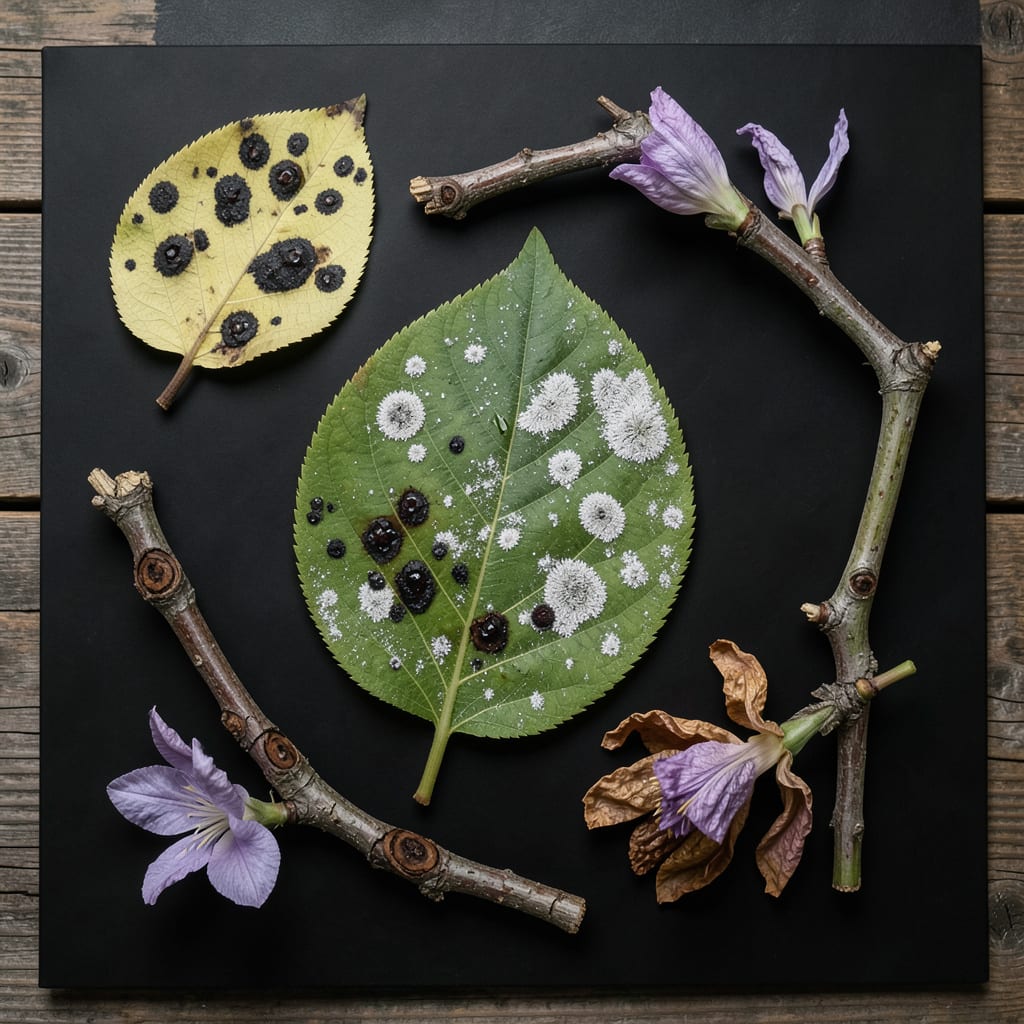
That sinking feeling when your tulip poplar‘s leaves suddenly yellow or bark oozes mystery goo. I’ve stood under mine, heart racing, wondering what went wrong overnight.
Turns out these trees have a tell—leaf spots, cankers, or powdery mildew each shout their own warning. The symptoms look dramatic but often fix with simple changes: better airflow, proper watering, or a well-timed spray.
Early catch means the difference between a full recovery and losing branches. Most issues start small: a single discolored leaf or slight bark darkening that spreads fast if ignored.
Works for young saplings and mature trees alike. Here’s how to read the signs before it’s too late.
Understanding why tulip poplar diseases take hold helps you prevent and manage them effectively. Below are the primary causes, broken down by their scientific and environmental triggers.
Many tulip poplar diseases, such as leaf spot and canker, stem from fungal infections. Fungi like Botryosphaeria and Septoria thrive in wet, humid conditions, entering the tree through wounds or weak spots. Poor air circulation and overhead watering create ideal breeding grounds for these pathogens.
Pests such as tulip tree scale and aphids weaken the tree by feeding on its sap, leaving it vulnerable to secondary infections. These insects also introduce viruses and bacteria, further compromising the tree’s health. Regular inspection and early pest control are key to prevention.
Extreme weather, drought, or soil compaction can stress the tulip poplar, reducing its natural defenses. Stress weakens the tree’s ability to resist diseases like powdery mildew and root rot. Proper watering, mulching, and avoiding soil compaction help mitigate these risks.
Bacteria such as Xanthomonas cause leaf blight and bacterial leaf scorch. These pathogens spread through contaminated tools, water, or insects. Sanitizing pruning tools and avoiding overhead irrigation can limit bacterial spread.
Tulip poplars can bounce back with the right care. Here’s how to tackle the most common problems and keep your tree thriving. Act fast—early intervention makes all the difference!
Fix: Remove and destroy infected leaves to stop the spread. Apply a fungicide (like copper-based sprays) every 2–3 weeks during wet seasons. Prune crowded branches to improve airflow.
Prevent: 💡 Water at the base (not overhead) to keep leaves dry. Mulch around the tree to reduce soil-borne spores.
Fix: Cut out cankered areas with a sterilized pruning tool, making clean cuts 2–3 inches into healthy wood. Disinfect tools between cuts with rubbing alcohol. Severe cases may require professional removal.
Prevent: ✨ Avoid wounding the bark with lawnmowers or trimmers. Keep trees healthy with balanced fertilization.
Fix: Blast pests off with a strong water spray. For stubborn cases, use horticultural oil or insecticidal soap (apply in early morning or late evening). Introduce beneficial insects like ladybugs.
Prevent: 🎯 Inspect leaves regularly, especially undersides. Encourage birds and predatory insects by planting companion flowers.
Fix: Improve drainage by amending soil with compost or sand. Reduce watering and avoid soggy conditions. In advanced cases, consult an arborist for fungicide treatments.
Prevent: 🌡️ Plant tulip poplars in well-draining soil. Space trees properly to prevent overcrowding and poor air circulation.
Pro tip: Always sterilize tools and dispose of infected debris far from your garden to avoid reinfection. A little vigilance goes a long way!
Black spots often signal fungal leaf spot disease, common in wet conditions. Remove affected leaves immediately and improve air circulation. Apply a copper fungicide every 2-3 weeks during humid weather.
Oozing sap typically means bacterial canker or wound infection. Prune infected areas with sterilized tools, cutting 2-3 inches into healthy wood. Avoid overhead watering to prevent further spread.
Prevent mildew by spacing trees properly for airflow. Water at the base in the morning and remove fallen leaves. Apply sulfur-based fungicides preventively in early summer.
Not always—yellowing can mean overwatering or nutrient deficiency. Check soil moisture and test for imbalances. If paired with spots or curling, suspect fungal infection or pests.
