
Beautiful Plants For Your Interior
Beautiful Plants For Your Interior
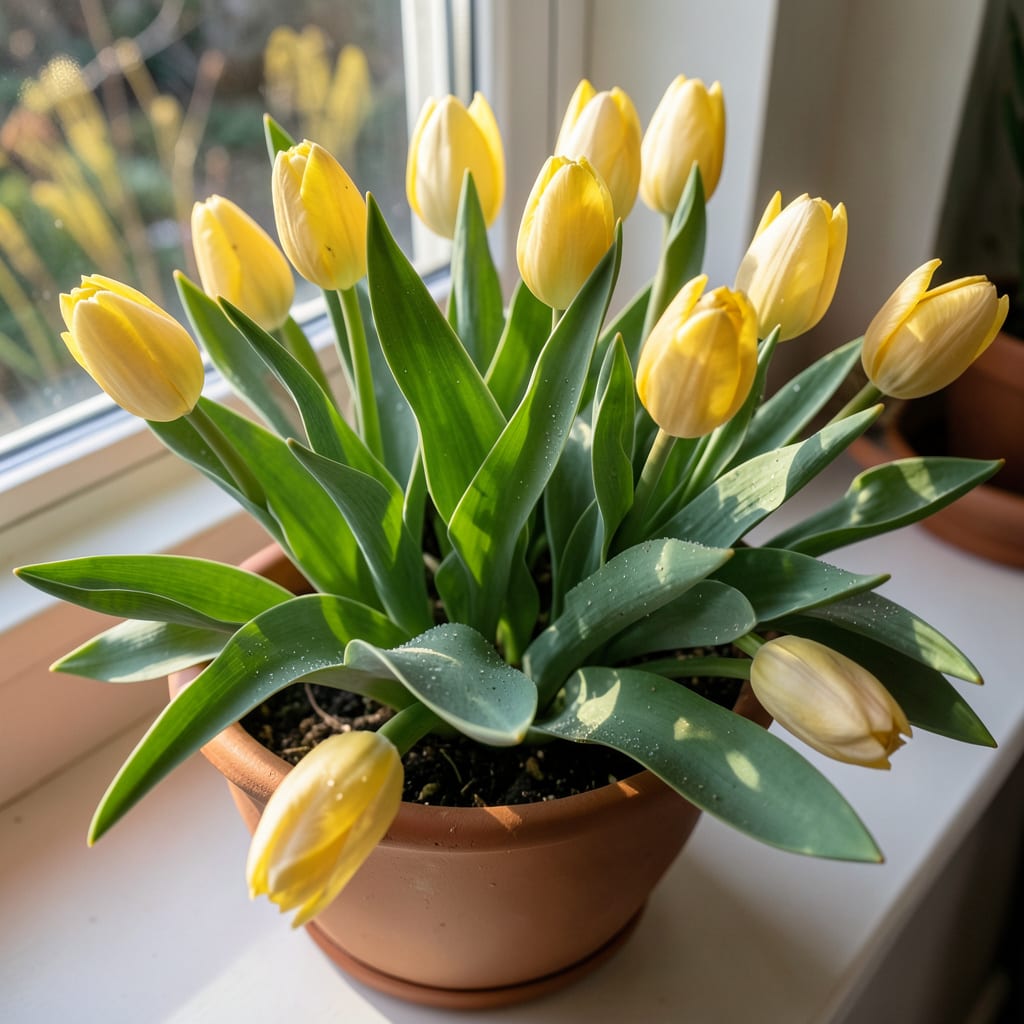
Those yellow tulip leaves aren’t just unsightly—they’re your plants crying for help. I’ve seen this happen mid-season when everything seemed fine, then suddenly the greenery starts fading like old newsprint.
Here’s the thing—it’s usually one of three culprits: too much water drowning the roots, not enough nutrients to keep them fed, or a sneaky fungal issue working below the soil. The good news? All three are fixable with the right approach.
You’ll notice the difference within 7-10 days of adjusting your care. The leaves will regain their deep green color, and your tulips will stand tall again. It’s about reading the signs and acting fast.
Works whether you’re growing in beds, borders, or containers. Let’s diagnose the problem.
Tulip leaves turning yellow is often a sign of underlying stress. Here’s why it happens:
Lack of nitrogen or iron can cause yellowing (chlorosis). Nitrogen deficiency starts in older leaves, while iron deficiency affects new growth first. Test soil pH—tulips prefer 6.0–7.0 for optimal nutrient uptake.
Soggy soil suffocates roots, blocking oxygen and nutrient absorption. Yellowing leaves often pair with wilting or mushy stems. Ensure pots have drainage holes, and avoid waterlogging beds.
Excessive heat, frost, or sudden temperature swings disrupt photosynthesis. Tulips thrive in 50–70°F (10–21°C). Mulch can stabilize soil temperature and reduce stress.
Aphids, bulb mites, or fungal infections (e.g., Tulip Fire) drain nutrients or damage foliage. Inspect leaves for spots, webs, or sticky residue. Remove infected plants and treat with neem oil or fungicides.
After blooming, tulips divert energy to bulb storage, causing leaves to yellow and die back. This is normal—do not cut foliage until it turns brown to nourish next year’s growth.
Yellowing tulip leaves often signal an issue that’s fixable with the right approach. Below are targeted solutions based on common causes, along with prevention tips to keep your tulips thriving.
Fix: Reduce watering immediately and check the soil. If it’s soggy, let it dry out before watering again. For poor drainage, amend the soil with compost or sand to improve airflow. Consider repotting tulips in containers with drainage holes.
Prevent: Water only when the top inch of soil feels dry. Use well-draining soil and avoid letting tulips sit in waterlogged conditions.
Fix: Test your soil for deficiencies (kits are available at garden centers). For nitrogen deficiency, apply a balanced fertilizer (10-10-10). If it’s magnesium or iron, use Epsom salt or chelated iron supplements as directed.
Prevent: Enrich soil with organic matter like compost before planting. Feed tulips with a slow-release fertilizer in early spring.
Fix: Move potted tulips to a spot with partial shade, especially during peak afternoon sun. For in-ground plants, mulch around the base to retain moisture and cool the roots.
Prevent: Plant tulips in locations with morning sun and afternoon shade. Water deeply in the early morning to prepare them for heat.
Fix: Inspect leaves for pests like aphids or signs of fungal disease (e.g., spots or mold). Treat aphids with insecticidal soap and fungal issues with a copper-based fungicide. Remove severely affected leaves to prevent spread.
Prevent: Keep the garden clean of debris and avoid overhead watering. Rotate planting locations yearly to reduce disease buildup.
Fix: Protect tulips from sudden cold snaps with frost cloth or mulch. If leaves yellow due to heat, provide temporary shade and increase watering slightly.
Prevent: Plant tulips at the correct depth (6–8 inches) to insulate bulbs. Choose varieties suited to your climate for better resilience.
💡 Pro Tip: Yellow leaves won’t turn green again, but addressing the issue quickly helps the plant recover and focus energy on healthy growth.
Yes, this is completely natural. After flowering, tulips redirect energy to the bulb, causing leaves to yellow and die back. Leave them until fully brown to nourish next year’s growth.
Water deeply once a week or when the top 1 inch of soil feels dry. Overwatering is a leading cause of yellow leaves, so ensure good drainage.
Once yellow, leaves won’t turn green again. However, fixing the underlying issue (water, nutrients, pests) helps the plant produce new healthy growth.
Use a balanced 10-10-10 fertilizer for nitrogen deficiency. For iron or magnesium, try Epsom salt or chelated iron. Test soil first for accurate treatment.
