
Beautiful Plants For Your Interior
Beautiful Plants For Your Interior
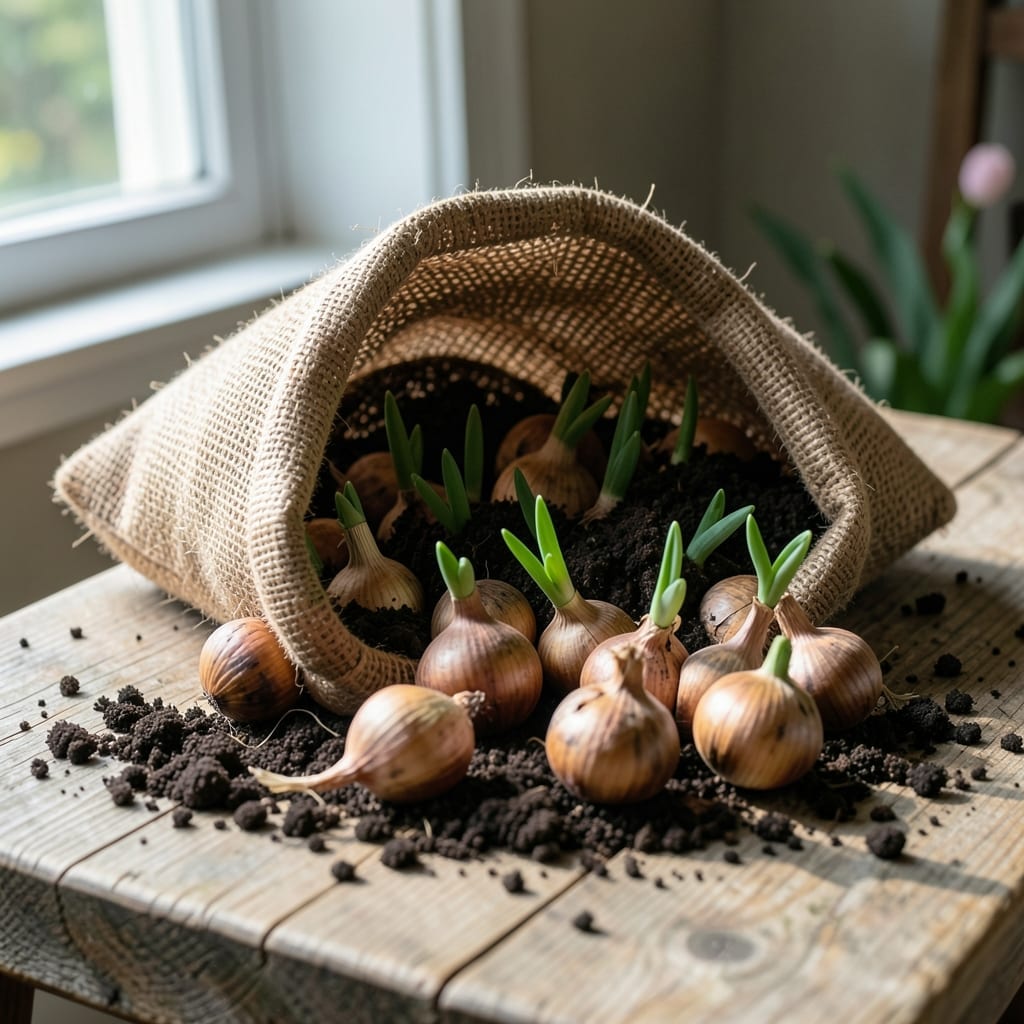
Nothing stings like finding pale, leggy sprouts poking through your tulip bulb bag in January. Here’s the thing—those bulbs think it’s spring, and without intervention, they’ll waste all their energy before planting time arrives.
I’ve rescued more than a few prematurely sprouted tulips by giving them the cold treatment they actually need. The fix is simpler than you’d expect: 40-50°F storage in a dark, dry spot stops growth in its tracks while keeping bulbs viable.
You’ll notice the sprouts turn from white to green within days of proper storage. By planting time, they’ll be ready to channel that stored energy into strong stems and vibrant blooms instead of weak, floppy growth.
Works for any tulip variety, whether you’re storing a handful or a hundred bulbs. The key is acting fast before the sprouts get too long.
Discovering tulip bulbs sprouting in a bag often stems from a few key environmental triggers. Here’s the science behind why it happens:
Tulip bulbs are programmed to sprout when temperatures rise above 40–50°F (4–10°C). If stored in a warm pantry, garage, or near heat sources, they mistake the conditions for spring. Even brief exposure to warmth can break dormancy, forcing premature shoots.
Bulbs left in damp or poorly ventilated bags retain moisture, mimicking the wet soil of early spring. This hydration signals the bulb to begin growth. Check for condensation inside the bag—this is a red flag for excess humidity.
Storing bulbs near ripe fruits (apples, bananas, avocados) or other plants exposes them to ethylene gas, a natural plant hormone that accelerates sprouting. Even sealed bags can trap this gas, triggering unwanted growth.
Tulip bulbs have a limited dormancy period (typically 8–12 weeks at cool, dry temperatures). If left in storage too long—especially past their ideal planting window—they’ll sprout regardless of external conditions.
If your tulip bulbs are sprouting prematurely in the bag, don’t panic—there are easy fixes to rescue them. Below are practical solutions for common causes, plus prevention tips to keep it from happening again.
💡 Prevention tip: Store bulbs in mesh bags or paper (not plastic) to allow airflow and prevent humidity buildup.
💡 Prevention tip: Buy bulbs in early fall and plant before the first frost to avoid late-sprouting stress.
💡 Prevention tip: Avoid storing bulbs near heat sources (like furnaces or sunny windowsills) to prevent premature waking.
Yes! Plant them immediately if the ground isn’t frozen. They may bloom later but will often recover with proper care.
Keep them in a dark, dry place at 40-50°F in mesh or paper bags. Avoid plastic to prevent moisture buildup.
Trim the tops to 2 inches to redirect energy to the bulb. Store in the fridge for 4-6 weeks before planting.
Warmth, moisture, or ethylene gas from nearby fruits likely triggered growth. Always check storage conditions weekly.