
Beautiful Plants For Your Interior
Beautiful Plants For Your Interior
Strong taproots help trees anchor deeply in soil, resist drought, and thrive in challenging conditions. These ten varieties showcase the best taproot trees for stability, wind resistance, and low-maintenance landscaping in gardens or natural settings.
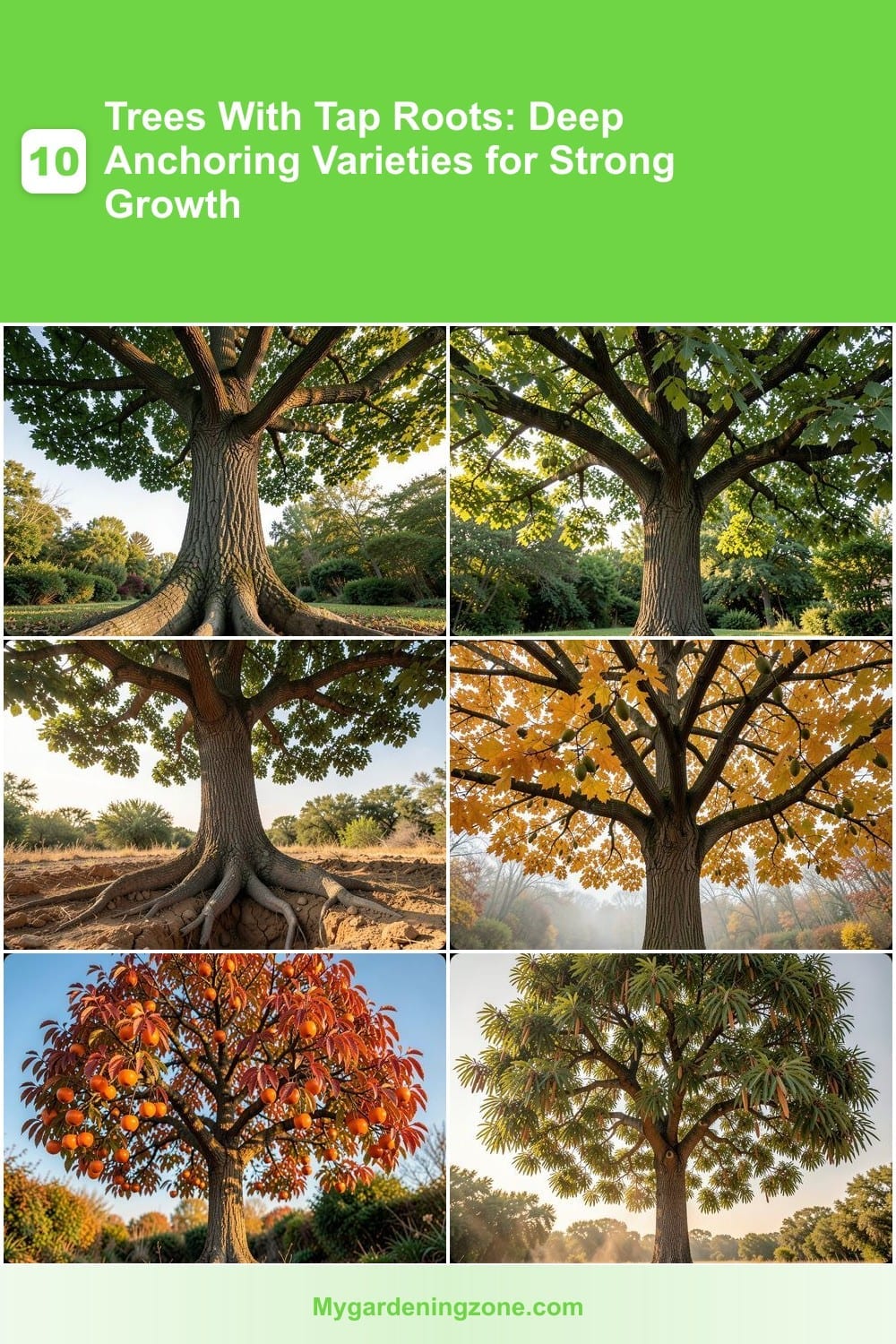
For a tree that stands the test of time—and storms—the white oak is a legendary choice. Its extensive taproot system drives deep into the earth, creating an unshakable anchor that resists even the fiercest winds.
This giant can live for centuries, growing up to 80 feet tall with a broad canopy. It thrives in full sun and well-drained soil, making it perfect for spacious landscapes where stability matters most. The taproot also helps it access water during dry spells.
Ideal for park-like settings or large properties, it offers enduring beauty and strength for generations to come. 🌿
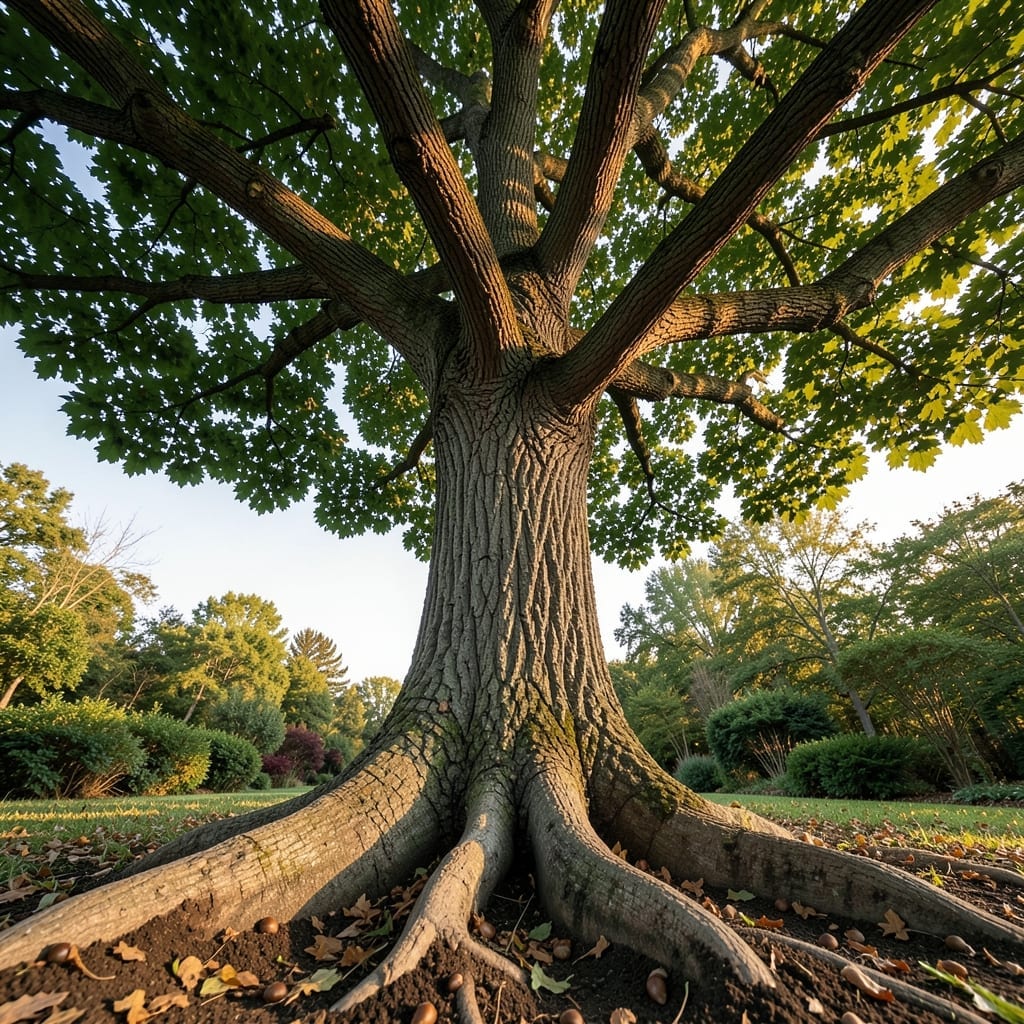
The black walnut tree offers both beauty and bounty, growing quickly to provide ample shade and delicious nuts. Its deep taproot anchors it firmly, but be aware—this tree produces juglone, a natural compound that can inhibit the growth of some nearby plants.
It thrives in full sun and well-drained soil, reaching heights of 50-75 feet. The nuts are a bonus, but you’ll need space, as its canopy and root system spread wide. Choose companion plants wisely, as many species struggle beneath its canopy.
Perfect for gardeners who want a dual-purpose tree and are willing to plan their landscape around its unique needs. 🌿
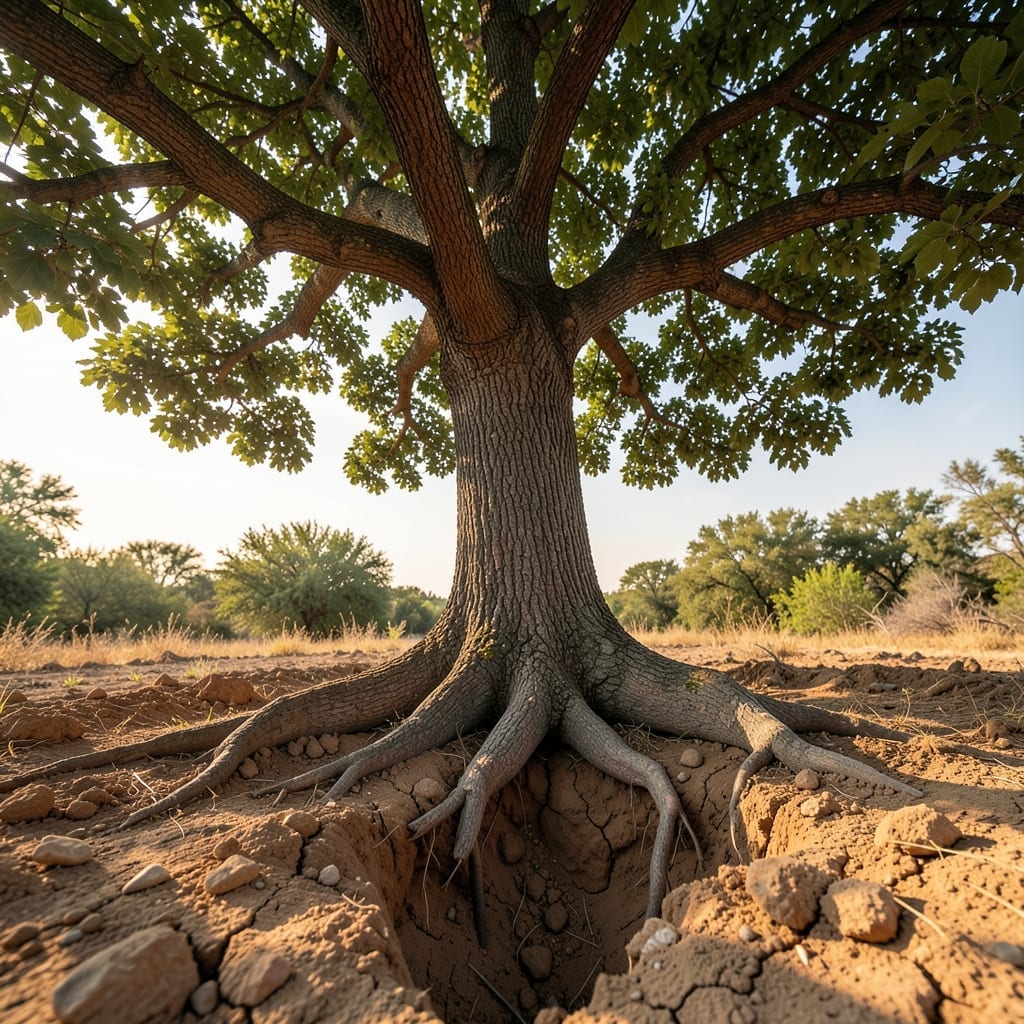
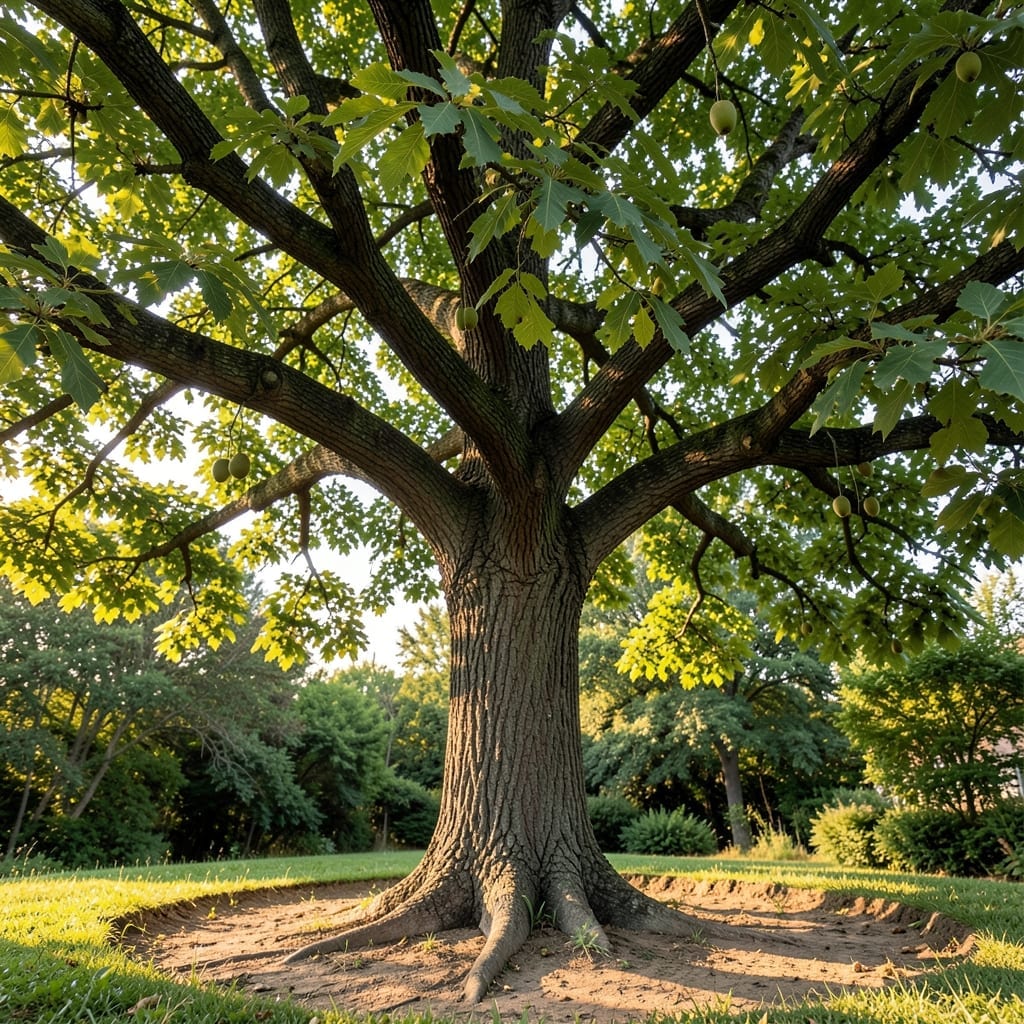
When you need a tree that laughs at dry spells, the hickory tree is your answer. Its deep taproot plunges into the earth, accessing water sources that shallow-rooted plants can’t reach, making it a champion in arid landscapes.
This hardy tree thrives in tough soil conditions, from clay to sandy loam, and its strong wood resists wind damage. Most varieties grow 60-80 feet tall, offering shade and wildlife habitat with minimal care once established.
Perfect for gardeners in dry climates who want a low-maintenance, long-lived tree that stands tall through droughts. 🌱
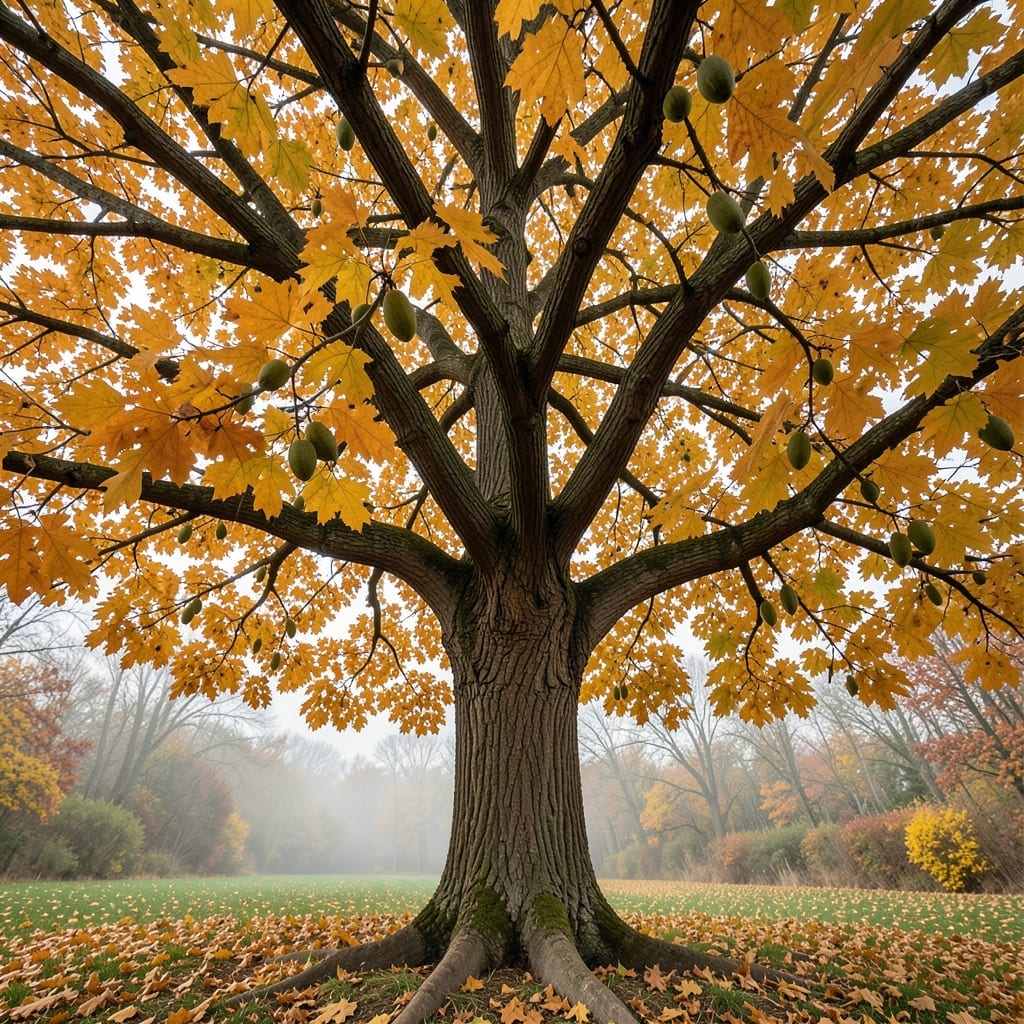
The butternut tree brings dual rewards to your landscape with its striking golden fall foliage and tasty, football-shaped nuts. Unlike its walnut cousin, it’s less aggressive, making it a friendlier choice for mixed plantings.
Its deep taproot anchors it securely while accessing water in dry periods, and it thrives in full sun with well-drained soil. This hardy tree grows 40-60 feet tall, offering shade, wildlife support, and a bountiful harvest each autumn.
Ideal for gardeners who want both beauty and productivity in a single, low-maintenance tree. 🌿
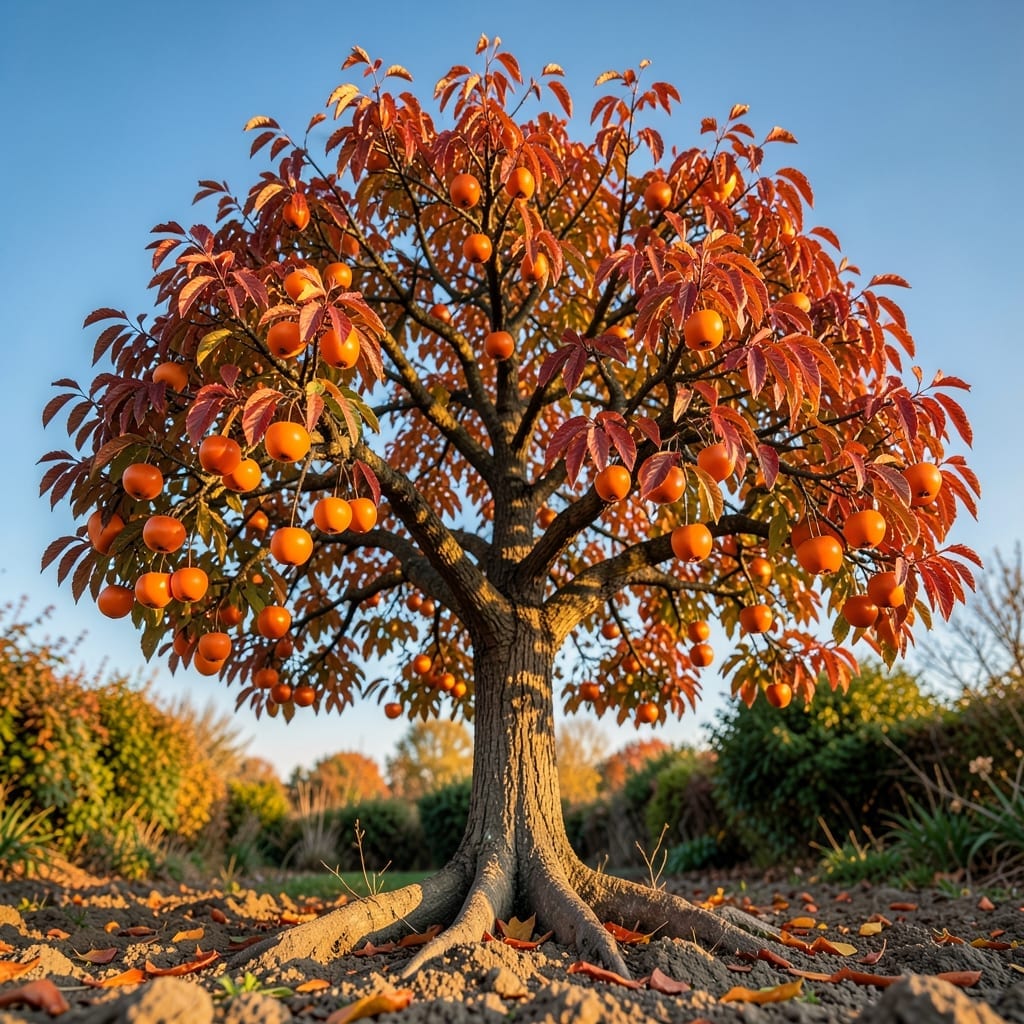
Struggling with poor soil but still want a fruitful, beautiful tree? The persimmon tree thrives where others fail, thanks to its deep taproot that accesses nutrients and water far below the surface.
This adaptable tree produces sweet, orange fruit each fall and bursts into fiery red, orange, and yellow foliage. It tolerates clay, sand, and even rocky soil, making it perfect for edible landscaping in challenging conditions. Plant in full sun for the best fruit production.
Ideal for gardeners who want both beauty and harvest with minimal soil prep. 🌿
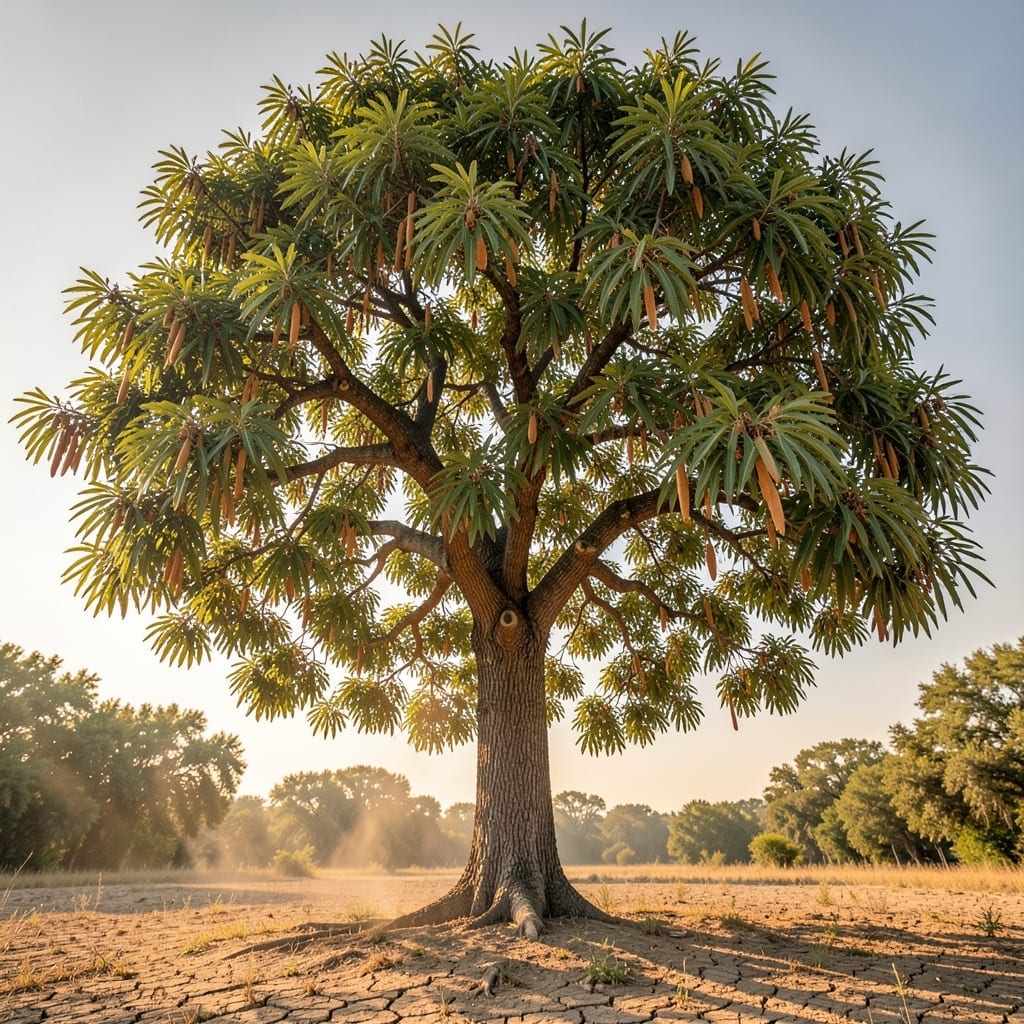
No southern landscape feels complete without the stately pecan tree, a true icon of warmth and abundance. Its secret lies in the deep taproot that stretches far below the surface, letting it thrive even when summer heat turns the soil dry and cracked.
This tree excels in hot climates, using its extensive root system to access water other plants can’t reach. The result is reliable nut production year after year, with minimal watering once established. It prefers full sun and well-drained soil, growing 70-100 feet tall with a broad, spreading canopy.
Perfect for orchards or large yards where you want both shade and a bountiful harvest. 🌿
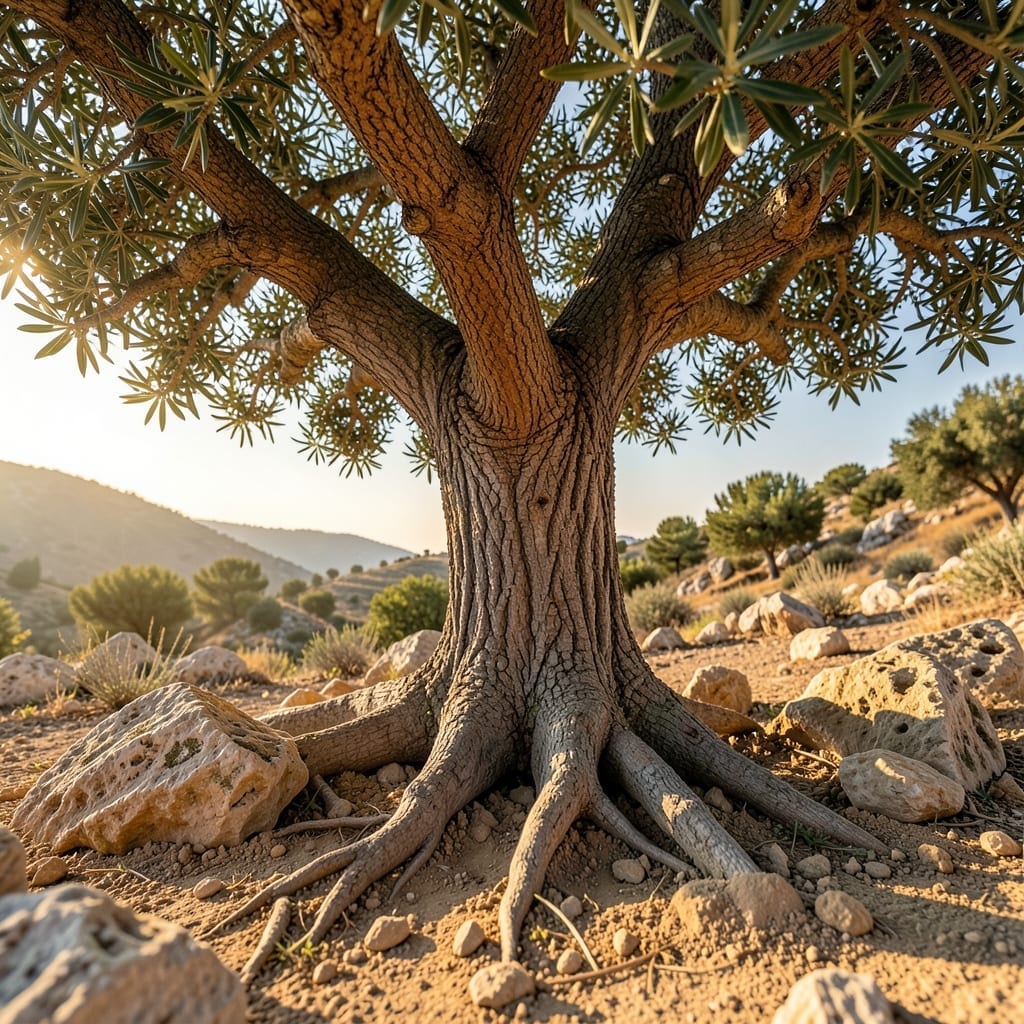
If you love the idea of a tree that thrives on neglect, the carob tree is your Mediterranean dream come true. Its strong taproot dives deep, allowing it to withstand prolonged droughts with ease while anchoring firmly in sandy or rocky soils.
This evergreen beauty flourishes in warm, dry climates, producing long, chocolate-like pods that are edible and nutritious. It prefers full sun and well-drained soil, growing 30-50 feet tall with a spreading canopy that provides light shade. Once established, it requires almost no supplemental watering.
Perfect for gardeners in arid regions who want a low-maintenance, multi-purpose tree that doubles as a food source. 🌿
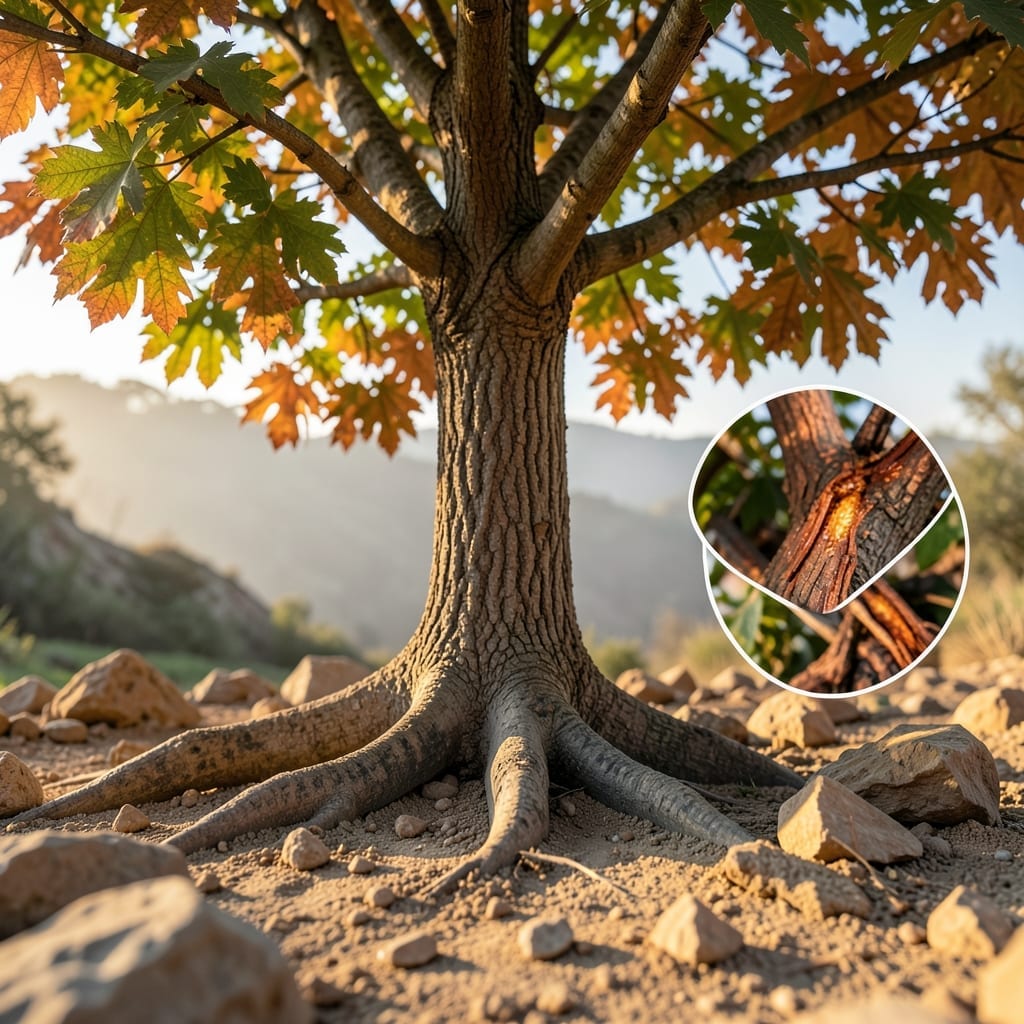
When other trees fail in tough soil, the sassafras tree thrives with its deep taproot and aromatic charm. This adaptable native handles sandy or rocky ground where many plants struggle, making it a go-to for challenging landscapes.
Its roots aren’t just strong—they’re fragrant, giving off a distinctive scent that’s made sassafras famous. The tree also dazzles with unique, three-lobed leaves that turn brilliant orange, red, and purple in fall, adding year-round interest to your space.
Ideal for gardeners with poor soil or dry conditions who still want a hardy, beautiful tree that stands out in any season. 🌿
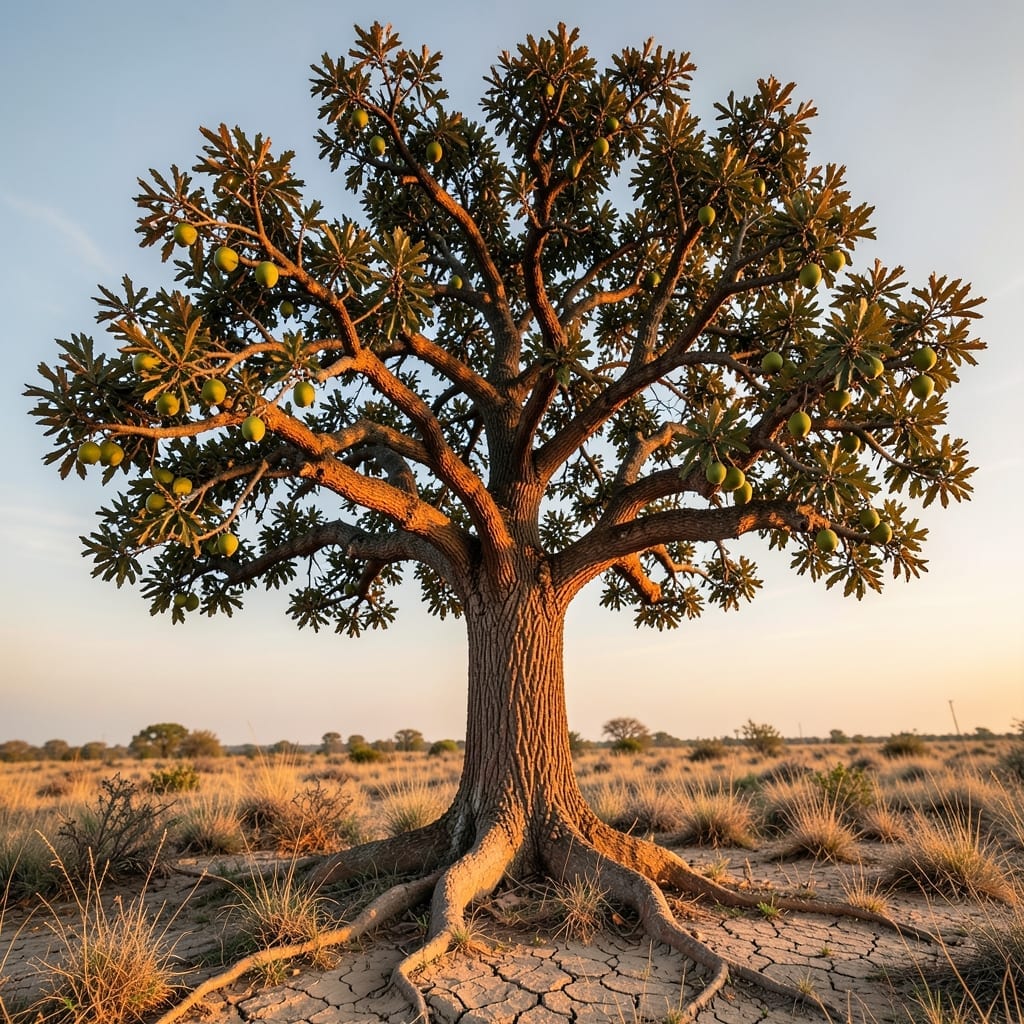
Need a natural barrier that stands up to wind and weather? The Osage orange tree is nature’s answer to a living fence, with a deep taproot that locks it firmly in place while its dense, thorny branches form an impenetrable barrier.
This hardy tree thrives in open, windy landscapes, tolerating poor soil and drought once established. Its unique, brain-like fruit adds peculiar charm, though it’s inedible for humans. The thorns deter livestock and wildlife, making it perfect for boundary planting without traditional fencing.
Ideal for ranchers, farmers, or anyone seeking a low-maintenance, long-lasting windbreak or property divider. 🌿
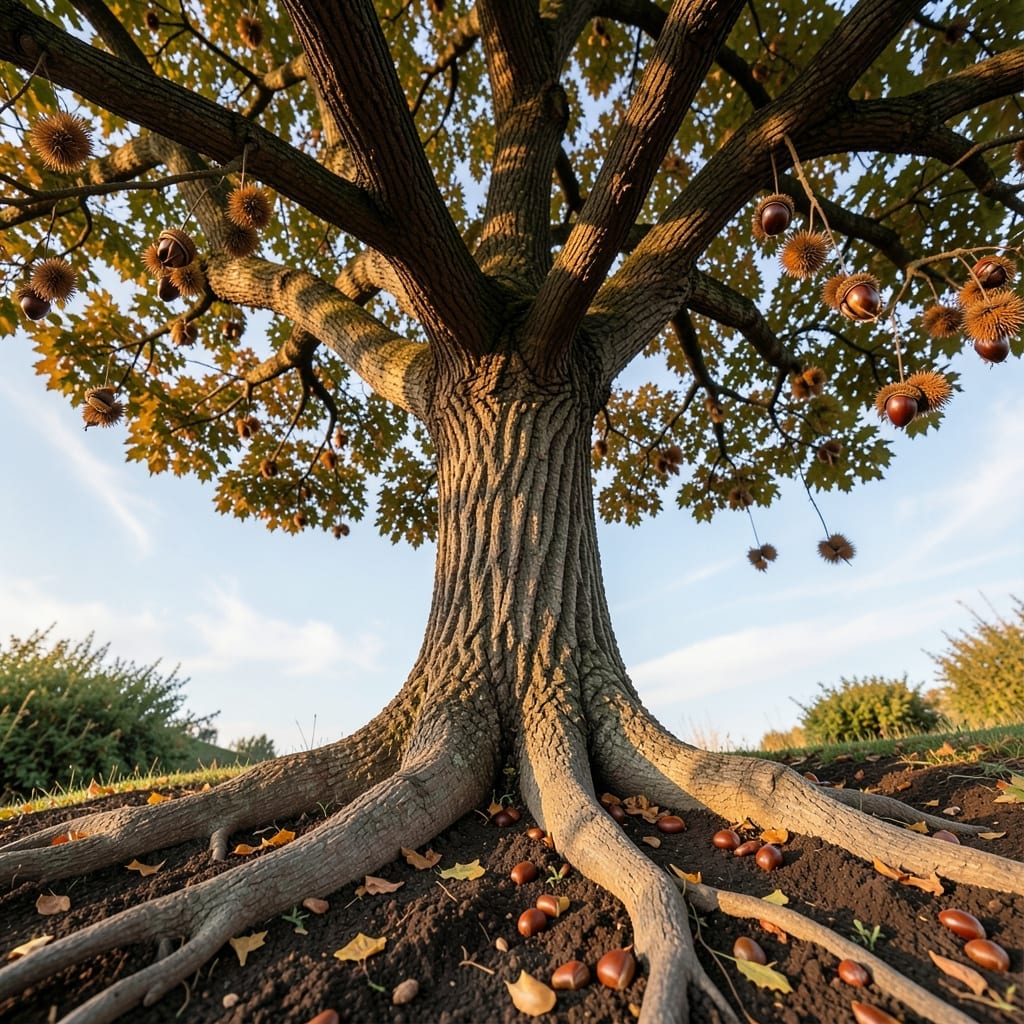
Few trees carry as much history and ecological value as the chestnut tree. Its deep taproot system not only anchors it securely but also helps prevent erosion, making it ideal for stabilizing slopes and hillsides.
This resilient tree produces an abundance of nuts that support wildlife, from squirrels to deer, and its glossy leaves and spiky burrs add rustic charm to any landscape. It thrives in well-drained, acidic soil and full sun, growing 50-75 feet tall with a broad, rounded canopy.
Perfect for gardeners who want a tree that combines historical significance, wildlife benefits, and natural erosion control. 🌿