
Beautiful Plants For Your Interior
Beautiful Plants For Your Interior
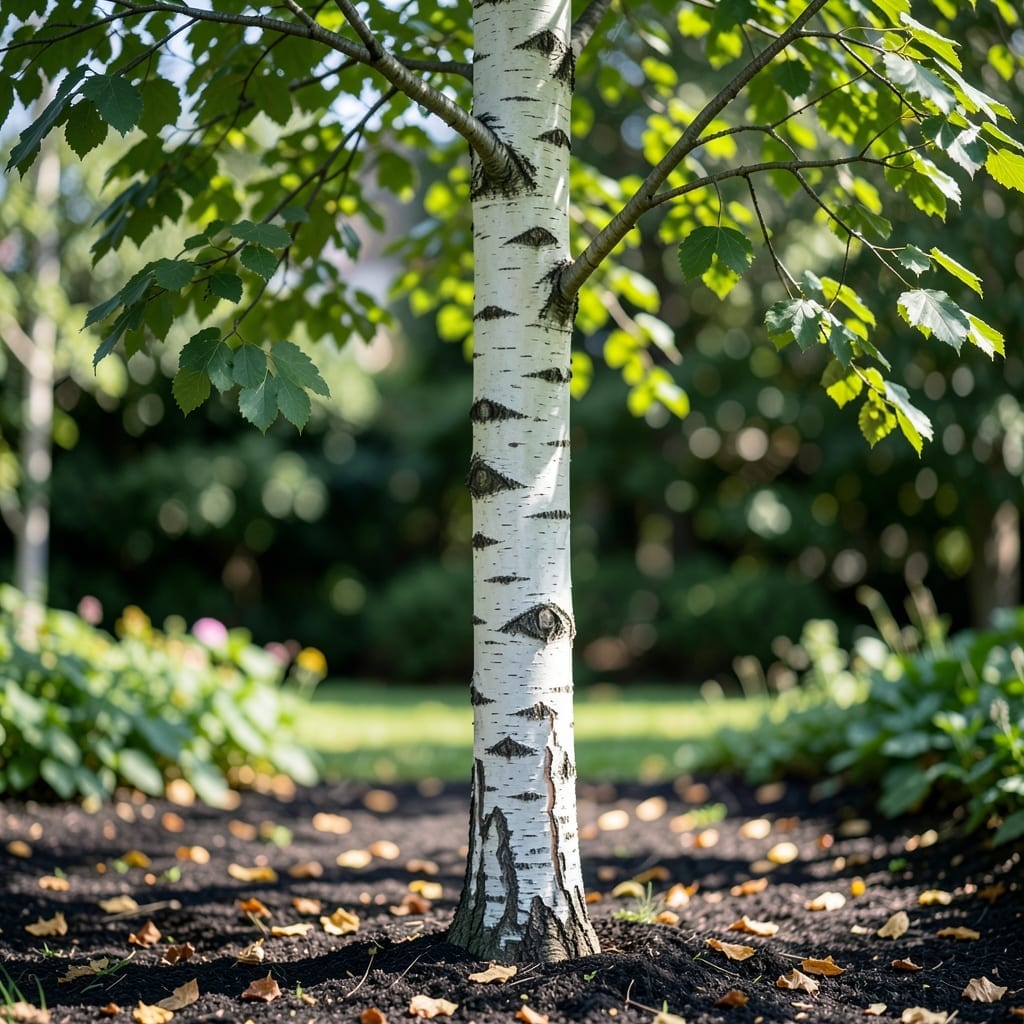
Several tree species feature striking black bark, including black walnut, black cherry, and black locust, each with unique textures and growth patterns that enhance landscape appeal.
I love how these trees add dramatic contrast to gardens and forests alike. 🌳 The deep hues often develop as the tree matures, with some species showing smooth surfaces while others display rugged, furrowed textures. Black walnut, for example, has rich, chocolate-colored ridges, while black locust often features a more uniform, dark appearance that stands out in any setting.
💡 In This Article
The deep color in black-barked trees comes from dense concentrations of tannins and other phenolic compounds in the outer bark. These compounds absorb light at specific wavelengths, creating that rich, dark appearance.
Black walnut bark, for instance, develops deep furrows and ridges as it ages, while black cherry bark remains relatively smooth with lenticels (raised pores) that add texture.
Black locust stands out with its thick, deeply furrowed bark that often appears almost charcoal-colored. The texture can feel rough to the touch, with ridges up to 2-3 inches deep.
In contrast, black gum trees display a more mottled pattern, with patches of dark gray and black that create a striking visual effect against their glossy leaves.
Seasonal changes also affect bark appearance. In winter, the contrast between the dark bark and snow creates dramatic landscapes. During summer, sunlight can lighten the bark slightly, but the underlying dark color remains. This adaptability makes these trees popular in both urban and natural settings.
For identification, look at the bark’s pattern and texture. Black walnut has a diamond-shaped ridge pattern, while black cherry often shows horizontal lenticels. Black locust’s bark tends to be more uniform in color but deeply textured. These distinctions help gardeners and naturalists recognize species even from a distance.
What most people don’t realize is that the color intensity can indicate tree health. A deep, consistent black often signals a mature, healthy specimen, while patchy or fading color might suggest stress or disease. 🌳
The dark color comes from high concentrations of tannins and other compounds in the outer bark. These absorb light, creating the deep hue. It often intensifies as the tree matures, with species like black walnut showing dramatic color changes over time.
Black locust is one of the fastest-growing species, often adding 2-3 feet per year under ideal conditions. It’s also extremely durable, with bark that becomes deeply furrowed as it ages. Perfect for quick landscape impact.
Yes! A deep, consistent black color usually signals a healthy, mature tree. Patchy or fading bark may suggest stress or disease. Regular inspections help catch issues early, especially for valuable specimens like black cherry.
Consider black gum, which typically grows 30-50 feet tall but can be pruned to fit smaller spaces. Its mottled dark bark and glossy leaves add year-round interest without overwhelming a landscape.