
Beautiful Plants For Your Interior
Beautiful Plants For Your Interior
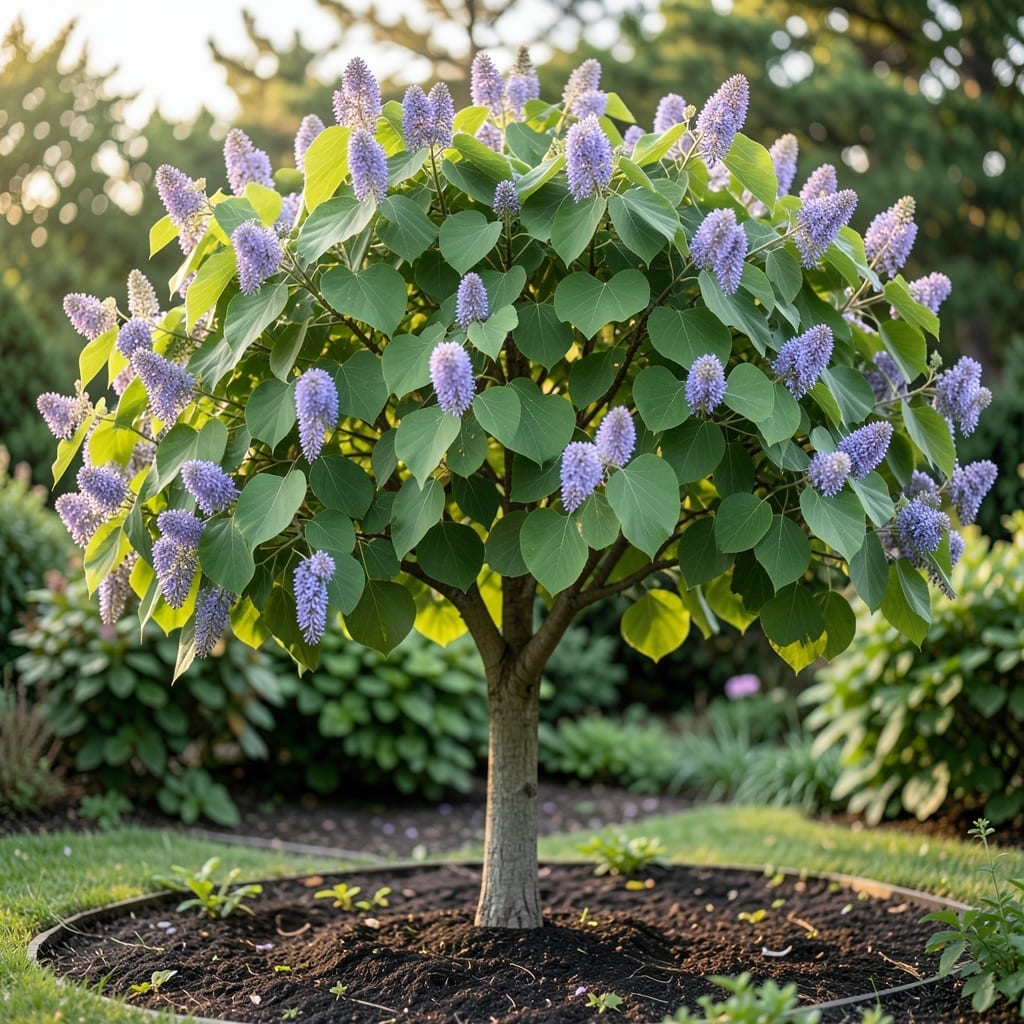
That first spring I saw a Jacaranda in full bloom, I thought someone had hung purple clouds in the trees. These trees deliver wisteria-like flowers without the invasive vines, and their care is surprisingly simple once you know the basics.
Paulownia and Jacaranda are the stars here—fast growers that reward you with spectacular purple displays each season. They thrive in well-draining soil and need full sun to reach their full potential, but they’re more forgiving than you’d expect.
Plant them in a spot where you can enjoy the view from a window or patio. Both species handle drought once established, though a little extra water during dry spells keeps the blooms coming strong.
Whether you’re in a warm climate or testing the limits of a milder zone, these trees add drama with minimal effort. Here’s how to get them started right.
The striking resemblance of certain trees to wisteria in both color and floral structure isn’t accidental. Here’s a breakdown of the primary causes behind this phenomenon, rooted in botany and evolution. 🌿
Some trees, like the Jacaranda or Paulownia, share genetic traits with wisteria (genus Wisteria). These species belong to the same botanical families or have evolved similar adaptations. For example, Paulownia tomentosa (Princess Tree) is part of the Paulowniaceae family, which, like Fabaceae (wisteria’s family), produces vibrant purple, trumpet-shaped flowers. This genetic overlap leads to comparable floral morphology.
Evolution drives plants to develop traits that attract pollinators like bees and butterflies. 🐝 Purple flowers, particularly those with a wisteria-like appearance, are highly visible to these insects. The color purple (a mix of blue and red wavelengths) stands out against green foliage, while the flower shape often provides easy access to nectar. Trees mimicking wisteria’s floral design tap into the same pollinator preferences, ensuring reproductive success.
Trees in similar climates to wisteria (e.g., temperate or subtropical regions) may develop analogous features as a survival strategy. For instance, the Chitalpa tree, a hybrid between Chilopsis and Catalpa, thrives in warm, arid environments and produces purple, orchid-like blooms. These adaptations help the tree conserve water while still attracting pollinators, much like wisteria does in its native habitat.
If your tree with purple, wisteria-like blooms isn’t thriving, these practical fixes will help restore its beauty. Address each issue methodically to ensure healthy growth and vibrant flowers.
Yellowing leaves or stunted growth often signal nutrient-deficient soil. Fix it by amending the soil with organic compost or a balanced fertilizer (10-10-10). Test the pH—these trees prefer slightly acidic to neutral soil (6.0–7.0).
Prevention tip: 💡 Mulch annually with organic matter to maintain soil health and moisture.
Wilting or crispy leaves? Adjust your watering routine. These trees need consistent moisture but hate soggy roots. Water deeply once a week, allowing the top inch of soil to dry between sessions. In droughts, increase frequency.
Prevention tip: 🌡️ Use a moisture meter to avoid guesswork, especially in extreme climates.
Leggy growth or sparse blooms? Your tree likely needs more sun. Solution: Prune nearby obstructions or transplant to a sunnier spot with at least 6–8 hours of direct light daily.
Prevention tip: ✨ Choose a planting location carefully—south or west-facing areas are ideal.
Aphids, scale, or caterpillars can weaken the tree. Treat with neem oil or insecticidal soap for mild cases. For severe infestations, use horticultural oil or consult a professional.
Prevention tip: 🎯 Inspect leaves regularly and encourage beneficial insects like ladybugs.
Blackened or mushy stems after a cold snap? Prune damaged areas in early spring to promote new growth. Protect young trees with burlap wraps or frost cloth before winter.
Prevention tip: 🌨️ Plant in a sheltered location or use mulch to insulate roots.
Jacaranda and Paulownia are the most popular. Jacarandas produce clusters of trumpet-shaped flowers, while Paulownia has large, fragrant blooms. Both offer that signature purple look.
Jacarandas reach 25–40 feet tall, while Paulownias grow 30–40 feet but can be pruned to stay smaller. Both have a spreading canopy that provides great shade.
They thrive in well-draining soil with a pH of 6.0–7.0. Amend heavy clay with compost for best results. Both tolerate drought once established.
Early spring or fall is ideal, avoiding extreme heat or cold. This gives roots time to establish before summer stress or winter dormancy.